
O equilíbrio entre automação e julgamento humano
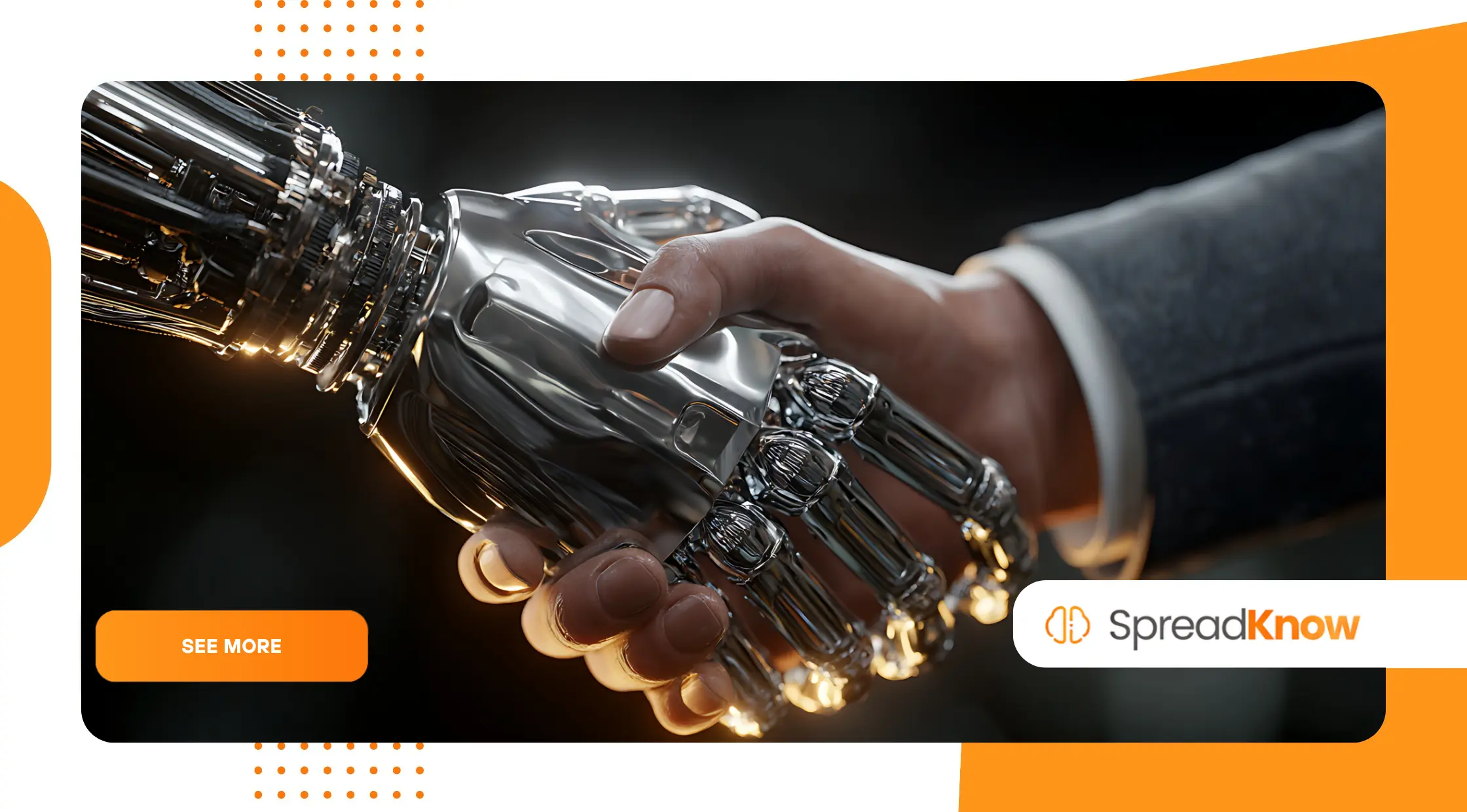
Automação e julgamento humano Não são opostos caminhando para uma resolução em que o vencedor leva tudo — são capacidades complementares cuja combinação ideal é o principal desafio de design da próxima década em todos os domínios onde a inteligência artificial está sendo implementada.
Anúncios
A narrativa de que a automação simplesmente substitui o julgamento humano é empiricamente incorreta — décadas de pesquisa sobre a colaboração entre humanos e máquinas mostram consistentemente que os melhores resultados em medicina, direito, finanças e operações militares provêm de sistemas que combinam o reconhecimento automatizado de padrões com o raciocínio contextual humano, em vez de otimizar apenas um deles.
A aviação fornece as evidências mais claras a longo prazo — os voos comerciais modernos utilizam automação em aproximadamente 90% das operações de voo, mas o julgamento do piloto continua sendo o fator crítico nos acidentes que a automação previne e nas emergências que a automação não consegue resolver sem intervenção humana.
A questão que organizações, governos e indivíduos precisam responder não é se devem automatizar ou não, mas sim quais decisões específicas se beneficiam da automação, quais exigem julgamento humano e quais requerem a integração de ambos — uma questão mais complexa que produz melhores resultados do que a visão binária que domina o debate público.
A pressão econômica em direção à automação máxima é real e poderosa — os sistemas automatizados são mais baratos, mais rápidos e mais consistentes do que o julgamento humano para uma gama crescente de tarefas, criando uma pressão competitiva para automatizar, independentemente de isso produzir decisões melhores no geral.
Anúncios
Compreender onde a automação supera genuinamente o julgamento humano, onde o julgamento humano supera genuinamente a automação e onde a integração produz resultados que nenhum dos dois consegue alcançar isoladamente é a estrutura analítica mais importante disponível para navegar na próxima década.
Onde a automação realmente vence
A automação supera o julgamento humano em uma classe específica e bem definida de problemas — aqueles com regras claras, grandes conjuntos de dados, ambientes estáveis e resultados que podem ser medidos com precisão e retroalimentados ao sistema.
O reconhecimento de padrões em larga escala é o domínio onde a vantagem da automação é mais decisiva — um algoritmo bem treinado que examina dez mil imagens médicas por hora com atenção constante supera um radiologista que examina cinquenta por dia com atenção variável, que se cansa e está sujeito a vieses cognitivos que nenhum treinamento elimina completamente.
A consistência é a vantagem mais subestimada da automação — o julgamento humano varia de acordo com a hora do dia, decisões anteriores, estado emocional e condição física, de maneiras que produzem entradas idênticas gerando saídas diferentes, enquanto os sistemas automatizados aplicam regras idênticas de forma idêntica, independentemente das condições externas.
Pesquisas realizadas por Daniel Kahneman e seus colegas documentaram o "ruído" — a variabilidade no julgamento humano que produz decisões diferentes a partir das mesmas informações em circunstâncias diferentes — como uma fonte sistemática de erros que custa caro para organizações e indivíduos, e que a automação elimina estruturalmente, em vez de exigir disciplina contínua para gerenciá-lo.
A automação também elimina as pressões sociais e políticas que distorcem o julgamento humano — um algoritmo de crédito avalia as solicitações usando os mesmos critérios, independentemente de o solicitante ser simpático, bem-vestido ou compartilhar a mesma origem do avaliador, eliminando as falhas de consistência produzidas pelo viés humano.
Negociação de alta frequência, detecção de fraudes, filtragem de spam e análise de imagens médicas são áreas em que a automação demonstrou superioridade clara e consistente — não porque essas tarefas não exijam inteligência, mas porque exigem o tipo específico de inteligência de reconhecimento de padrões que os sistemas de aprendizado de máquina executam com uma confiabilidade que o desempenho humano não consegue igualar em grande escala.
++ A ligação entre criatividade e flexibilidade mental
Onde o julgamento humano continua sendo essencial
O julgamento humano mantém vantagens decisivas em uma classe diferente e igualmente bem definida de problemas — aqueles que envolvem situações inéditas, dimensões éticas, complexidade contextual e a necessidade de explicar decisões a outros seres humanos de maneiras que gerem autoridade legítima.
Situações inéditas são a fraqueza fundamental da automação — sistemas treinados com dados históricos têm um bom desempenho dentro da distribuição de situações abrangidas pelo seu treinamento e falham de forma imprevisível fora dela, enquanto o julgamento humano pode raciocinar a partir de princípios básicos sobre situações que não têm precedentes em nenhum conjunto de dados disponível.
O milagre de 2009 no Rio Hudson — em que o Capitão Chesley Sullenberger pousou um avião comercial no rio após perder ambos os motores — é o exemplo definitivo de como o julgamento humano superou a automação em uma situação inédita, porque nenhum algoritmo treinado em operações de voo normais teria gerado a solução que o raciocínio contextual de Sullenberger produziu sob pressão.
O raciocínio ético exige discernimento humano não porque as máquinas não possam aplicar regras éticas — elas podem —, mas porque as decisões éticas requerem o tipo de compreensão contextual, consciência das partes interessadas e autoridade legítima que provém de um ser humano que compartilha a comunidade moral com aqueles afetados pela decisão.
Contextos interpessoais — terapia, negociação, liderança, ensino — exigem o tipo de presença genuína, sintonia emocional e inteligência relacional que a automação pode simular, mas não pode realmente proporcionar, porque o valor nessas interações vem, em parte, do fato de que outro ser humano está autenticamente envolvido.
A responsabilização é uma área onde o julgamento humano é estruturalmente necessário — quando decisões importantes dão errado, as partes afetadas precisam de um tomador de decisão humano que possa ser responsabilizado, que possa explicar seu raciocínio e que possa aprender com o erro de uma maneira moralmente significativa que defina a responsabilidade.

O Desafio da Integração
O problema mais importante e mais difícil na colaboração entre humanos e máquinas não é construir algoritmos melhores ou treinar um julgamento humano melhor — é projetar a interface entre eles para produzir resultados melhores do que qualquer um deles conseguiria alcançar sozinho.
Pesquisas sobre a interação entre humanos e automação mostram consistentemente que uma integração mal projetada produz resultados piores do que a automação sozinha ou o julgamento humano sozinho — um fenômeno chamado "viés de automação", no qual os humanos tendem a acatar excessivamente as recomendações automatizadas, mesmo quando seu próprio julgamento seria mais preciso.
O viés de automação foi documentado na aviação, na medicina e em operações militares — situações em que operadores humanos aceitaram resultados automatizados que estavam claramente errados porque a autoridade cognitiva do sistema se sobrepôs à percepção da situação por parte do operador.
| Tipo de decisão | Melhor abordagem | Função de automação | Papel Humano |
|---|---|---|---|
| Reconhecimento de padrões de alto volume | Automação primária | Executar e sinalizar | Analisar exceções |
| Situações inéditas de alto risco | Primário humano | Forneça informações | Decida e execute |
| Ética e baseada em valores | Essencial para os seres humanos | Análise apenas | Autoridade plena |
| Rotina, com raras exceções. | Integração | Rotina de tratamento | Gerenciar exceções |
O inverso da falha — a aversão a algoritmos, em que os humanos rejeitam resultados automatizados mesmo quando o algoritmo demonstra ter um desempenho superior ao seu próprio julgamento — também está documentado, particularmente em domínios onde os humanos têm um forte investimento de identidade profissional na qualidade do seu próprio julgamento.
++ O futuro da busca: como a IA está mudando a forma como encontramos informações.
Design organizacional para colaboração humano-máquina
As organizações que implementam a automação enfrentam um desafio de design específico: manter a capacidade de julgamento humano que a automação deve complementar, ao mesmo tempo que utilizam a automação de forma suficientemente abrangente para aproveitar seus benefícios em termos de eficiência.
O principal risco reside na perda de habilidades: quando a automação assume a maior parte de uma tarefa, os humanos perdem a prática que mantém a expertise necessária para intervir eficazmente quando a automação falha, resultando em operadores que, nominalmente, detêm o controle, mas que não possuem as habilidades para exercer esse controle quando as circunstâncias o exigem.
O setor da aviação abordou a questão da perda de habilidades por meio de requisitos obrigatórios de voo manual — regulamentos que exigem que os pilotos desconectem o piloto automático e voem manualmente em partes de cada voo, mantendo as habilidades que a automação em tempo integral corroeria, ao mesmo tempo que aproveitam os benefícios da automação para operações de rotina.
A implementação da IA na área médica enfrenta um desafio equivalente: os radiologistas que dependem principalmente da análise de imagens por IA para identificar achados correm o risco de perder a percepção apurada que lhes permite detectar casos em que a IA está errada, as situações específicas em que o julgamento humano é mais necessário.
O Organização para a Cooperação e Desenvolvimento Econômico publicou estruturas para a implementação responsável de IA que incluem requisitos de supervisão humana, padrões de explicabilidade e disposições de responsabilização — reconhecendo que o desenho organizacional da colaboração humano-máquina é tão importante quanto a qualidade técnica dos sistemas automatizados que estão sendo implementados.
Organizações que investem na manutenção da experiência humana em conjunto com a automação — em vez de tratar a automação como uma substituta que torna a experiência humana desnecessária — consistentemente superam aquelas que otimizam puramente a eficiência da automação quando surgem situações inéditas, falhas de sistema ou casos éticos extremos.
++ Como a IA está mudando a criatividade humana
A Dimensão Individual
O equilíbrio entre automação e julgamento humano não é apenas uma questão organizacional e política — possui uma dimensão individual que afeta a forma como as pessoas desenvolvem conhecimento especializado, tomam decisões e mantêm as capacidades cognitivas que os ambientes automatizados podem corroer.
Delegar decisões a sistemas automatizados — aplicativos de navegação, algoritmos de recomendação, ferramentas de agendamento — gera eficiência genuína, ao mesmo tempo que atrofia gradualmente as capacidades de julgamento que esses sistemas substituíram, uma compensação invisível em circunstâncias normais e consequente quando o sistema está indisponível ou incorreto.
A pessoa que nunca se orienta sem GPS perde a capacidade de se localizar não por causa de algum evento dramático, mas pela simples falta de prática que a orientação espacial exige — uma versão em pequena escala do problema de perda de habilidades que as organizações enfrentam em nível institucional.
Manter a prática deliberada em domínios onde a automação oferece alternativas convenientes é o equivalente, em escala individual, aos requisitos de voo manual da aviação — aceitar a ineficiência a curto prazo para preservar a capacidade de julgamento a longo prazo em áreas onde essa capacidade é importante.
A avaliação crítica dos resultados automatizados — tratando as recomendações dos algoritmos como insumos para o julgamento humano, em vez de conclusões que o julgamento meramente ratifica — é o hábito cognitivo que previne o viés da automação no nível individual e que mantém o engajamento ativo necessário para uma boa colaboração entre humanos e máquinas.
O MIT Technology Review Estudos documentaram que os trabalhadores que compreendem as limitações dos sistemas automatizados que utilizam tomam decisões significativamente melhores do que aqueles que consideram os resultados automatizados como definitivos — confirmando que o conhecimento sobre automação é tão importante quanto o conhecimento técnico sobre a área.
Conclusão
O equilíbrio entre automação e julgamento humano não é um destino estável, mas um problema de design contínuo — que exige uma avaliação honesta de quais decisões específicas se beneficiam da automação, quais exigem julgamento humano e quais requerem a integração deliberada de ambas.
As organizações, instituições e indivíduos que melhor conseguem encontrar esse equilíbrio são aqueles que resistem tanto à pressão econômica para automatizar tudo o que pode ser automatizado quanto ao instinto profissional de resistir à automação sempre que a identidade humana estiver ligada à qualidade do julgamento humano.
A estrutura prática é mais simples do que o debate sugere: automatizar o reconhecimento de padrões em grande volume, preservar o julgamento humano para situações inéditas e decisões éticas, projetar uma integração que evite o viés da automação e mantenha a expertise humana, e tratar a manutenção da capacidade de julgamento humano como um investimento contínuo, em vez de um custo herdado.
Toda decisão sobre onde implantar a automação e onde preservar o julgamento humano é, em última análise, uma decisão sobre o propósito dos seres humanos — uma questão que nenhum algoritmo pode responder e que cada organização e indivíduo que implementa sistemas automatizados deve responder por si mesmo.
Perguntas frequentes
1. A automação substitui o julgamento humano ou o complementa? Pesquisas mostram consistentemente que os melhores resultados vêm da integração, e não da substituição — o reconhecimento automatizado de padrões, combinado com o raciocínio contextual humano, supera qualquer um dos dois isoladamente na maioria dos domínios de decisão importantes. A narrativa da substituição é economicamente convincente, mas empiricamente mais frágil do que a narrativa da colaboração em casos de uso documentados.
2. O que é viés de automação e por que ele é importante? O viés de automação é a tendência de acatar excessivamente as recomendações automatizadas, mesmo quando o julgamento pessoal seria mais preciso — um fenômeno documentado nas áreas da aviação, medicina e operações militares. Ele é relevante porque produz resultados piores do que a automação isoladamente ou o julgamento humano isoladamente, tornando o design das interfaces homem-máquina tão importante quanto a qualidade de cada um dos componentes.
3. Como as organizações mantêm a expertise humana em conjunto com a automação? Por meio de requisitos de prática deliberada análogos ao voo manual obrigatório na aviação — garantindo que os operadores humanos exercitem regularmente as habilidades de julgamento que a automação realiza rotineiramente, evitando a perda de habilidades que torna os humanos nominalmente responsáveis por decisões que eles não têm mais a capacidade de tomar de forma independente.
4. Que tipos de decisões devem sempre exigir julgamento humano? Situações inéditas sem precedentes nos dados de treinamento, decisões éticas que exigem raciocínio baseado em valores e autoridade legítima, contextos interpessoais onde a presença humana genuína faz parte do valor e qualquer decisão em que a responsabilidade exija um tomador de decisão humano que possa explicar seu raciocínio e ser responsabilizado pelos resultados.
5. Como os indivíduos devem reagir ao aumento da automação em suas áreas de atuação? Ao manter a prática deliberada em áreas onde a automação oferece alternativas convenientes, avaliando criticamente os resultados automatizados em vez de tratá-los como definitivos, desenvolvendo metaconhecimento sobre o que os sistemas automatizados em seu campo fazem bem e onde falham, e preservando as capacidades de julgamento que a automação complementa, em vez de tratá-la como uma substituta que torna essas capacidades desnecessárias.
