
Como os hobbies criativos treinam o pensamento estratégico
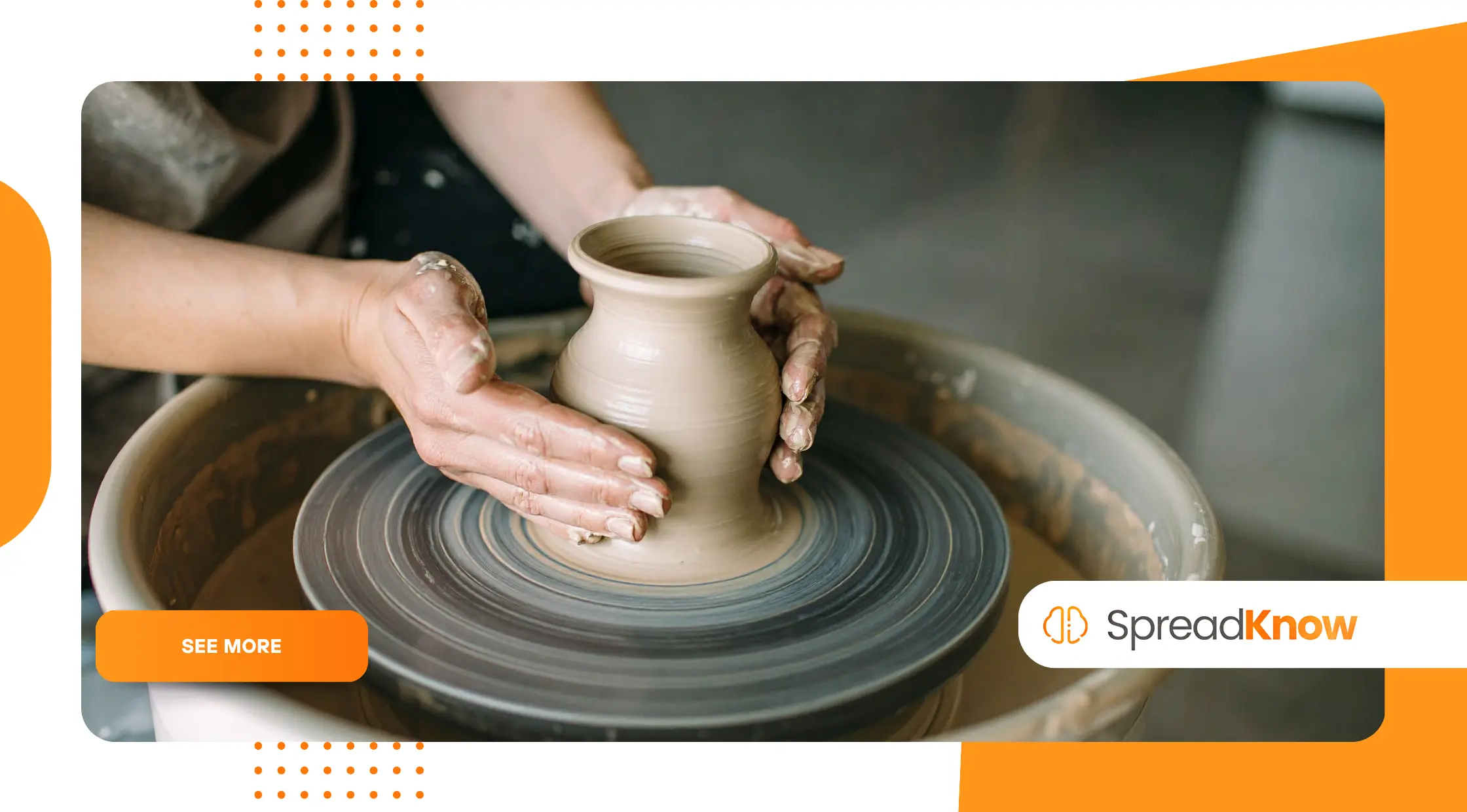
Os hobbies criativos são frequentemente subestimados como atividades de lazer, mas desenvolvem silenciosamente padrões de pensamento estruturados que influenciam a tomada de decisões, a adaptabilidade e o planejamento a longo prazo em ambientes pessoais e profissionais cada vez mais complexos.
Anúncios
Muitas pessoas associam estratégia a ambientes corporativos ou competitivos, mas os fundamentos do pensamento estratégico frequentemente emergem por meio de práticas informais e criativas que valorizam a experimentação, a iteração e a capacidade de antecipar resultados ao longo do tempo.
Da pintura à composição musical, os hobbies criativos exigem que os indivíduos avaliem opções, gerenciem limitações e refinem continuamente sua abordagem, espelhando os mesmos processos cognitivos usados em contextos de estratégia empresarial e resolução de problemas.
O que distingue a prática criativa do entretenimento passivo é o envolvimento ativo da mente na construção de significado, na resolução de desafios e na adaptação de ideias em tempo real, o que naturalmente fortalece as habilidades analíticas e de pensamento prospectivo.
À medida que os indivíduos se envolvem em rotinas criativas, começam a reconhecer padrões, antecipar consequências e tomar decisões com maior clareza, sendo todos esses elementos essenciais para um pensamento estratégico eficaz.
Anúncios
Este artigo explora como os hobbies criativos servem como poderosos campos de treinamento para o pensamento estratégico, oferecendo insights sobre como atividades aparentemente simples podem remodelar hábitos cognitivos e aprimorar as capacidades de tomada de decisão a longo prazo.
Os mecanismos cognitivos por trás do pensamento criativo
Atividades criativas ativam múltiplas regiões do cérebro simultaneamente, estimulando a integração da lógica, da emoção e da intuição de maneiras que as tarefas analíticas tradicionais muitas vezes não conseguem.
Essa integração permite que os indivíduos abordem os problemas a partir de múltiplas perspectivas, desenvolvendo uma flexibilidade essencial para lidar com ambientes incertos ou em rápida transformação.
Quando alguém se dedica a atividades como desenhar ou escrever, avalia constantemente as opções disponíveis, como composição, estrutura e direção, o que reforça a tomada de decisões em condições variáveis.
Essas microdecisões se acumulam ao longo do tempo, fortalecendo as vias neurais associadas ao planejamento, à priorização e à antecipação de resultados.
Ao contrário dos sistemas rígidos, os processos criativos toleram a ambiguidade, forçando os indivíduos a operar sem informações completas, o que reflete de perto os cenários estratégicos do mundo real.
Como resultado, o envolvimento consistente em hobbies criativos desenvolve resiliência mental e aprimora a capacidade de pensar vários passos à frente, mesmo em situações imprevisíveis.
++ Como construir uma marca pessoal na era da IA
Reconhecimento de padrões e pensamento a longo prazo
Uma das habilidades estratégicas mais valiosas desenvolvidas por meio de hobbies criativos é a capacidade de reconhecer padrões e aplicá-los a decisões futuras.
Em atividades como música ou design, os indivíduos aprendem a identificar estruturas recorrentes, o que os ajuda a prever como as mudanças influenciarão o resultado final.
Por exemplo, um músico que compõe uma peça entende como a alteração do ritmo ou da harmonia afetará a trajetória emocional, o que exige previsão e planejamento.
Pesquisas de instituições como Universidade de Harvard Destaca como o reconhecimento de padrões desempenha um papel central na tomada de decisões e na eficiência cognitiva.
Com o tempo, essa exposição repetida a padrões treina o cérebro para identificar rapidamente oportunidades e riscos em contextos não relacionados, como negócios ou finanças pessoais.
Essa capacidade de conectar experiências passadas com possibilidades futuras é um pilar do pensamento estratégico e é naturalmente reforçada pela prática criativa.
Tomada de decisões sob restrições
As atividades de lazer criativas muitas vezes impõem limitações, seja por meio de materiais disponíveis, restrições de tempo ou habilidades técnicas, o que força os indivíduos a tomarem decisões estratégicas dentro de limites definidos.
Essas restrições simulam condições do mundo real, onde os recursos são limitados e as escolhas devem ser otimizadas para o melhor resultado possível.
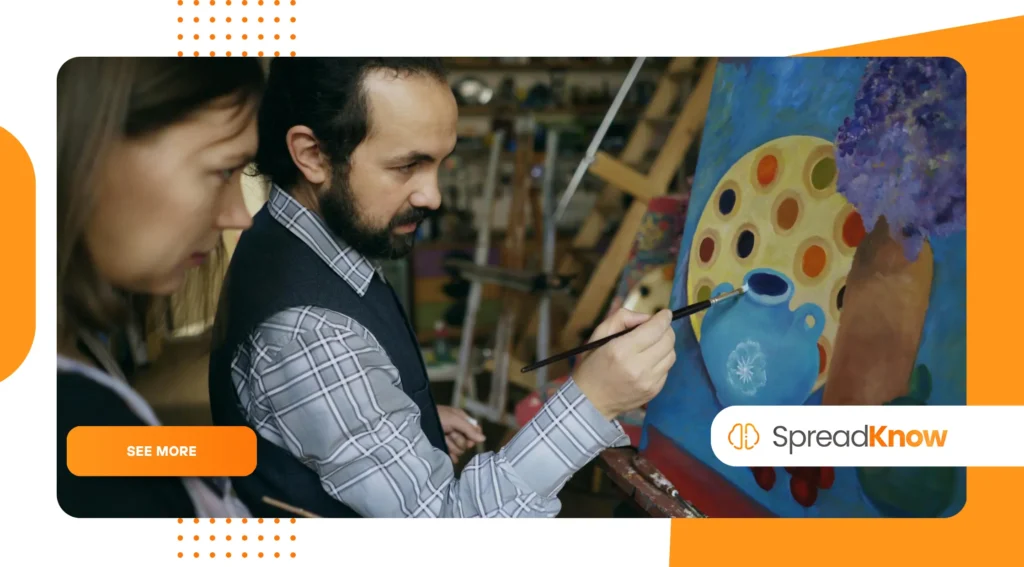
Um pintor que trabalha com uma paleta de cores restrita deve planejar cuidadosamente cada pincelada, considerando como cada decisão contribui para a composição geral.
Da mesma forma, um escritor limitado por um número limitado de palavras deve priorizar a clareza e o impacto, decidindo quais informações são essenciais e quais podem ser omitidas.
De acordo com informações obtidas de Instituto de Tecnologia de MassachusettsA resolução de problemas baseada em restrições aprimora a inovação e a eficiência estratégica.
Ao lidar regularmente com essas limitações, os indivíduos desenvolvem a capacidade de alocar recursos de forma eficaz e tomar decisões ponderadas sob pressão.
++ Música e memória: por que as canções nos levam de volta ao passado.
Iteração e ciclos de feedback
Os processos criativos dependem muito da iteração, onde as ideias são testadas, avaliadas e refinadas repetidamente até atingirem o resultado desejado.
Este ciclo reflete ambientes estratégicos onde a melhoria contínua e a adaptação são necessárias para o sucesso a longo prazo.
Artistas raramente produzem trabalhos perfeitos na primeira tentativa, refinando suas criações por meio de feedback e autoavaliação.
Cada iteração fornece novas informações, permitindo melhores decisões em tentativas subsequentes, o que fortalece o pensamento adaptativo.
Esse processo ensina os indivíduos a encararem o fracasso não como um revés, mas como dados valiosos que orientam estratégias futuras.
Com o tempo, essa mentalidade promove resiliência e incentiva uma abordagem proativa para a resolução de problemas e a inovação.
++ Por que as cadeias de suprimentos globais estão se tornando mais regionais?
Avaliação e Experimentação de Riscos
Os hobbies criativos envolvem riscos inerentes, pois os indivíduos precisam experimentar novas ideias sem garantia de sucesso, o que se alinha estreitamente com a experimentação estratégica.
Seja testando uma nova técnica ou explorando um conceito não convencional, os criadores avaliam constantemente os resultados potenciais antes de se comprometerem com uma direção.
Essa avaliação contínua aumenta a confiança na tomada de decisões e reduz o medo associado à incerteza.
A capacidade de experimentar com segurança em um contexto criativo permite que os indivíduos desenvolvam uma tolerância ao risco que é essencial em ambientes estratégicos.
Por exemplo, um designer que experimenta layouts arrojados aprende a equilibrar inovação e funcionalidade, uma habilidade diretamente aplicável à estratégia de negócios.
Ao assumirem repetidamente riscos calculados, os indivíduos refinam seu julgamento e melhoram sua capacidade de tomar decisões informadas em situações de incerteza.
Planejamento estratégico por meio de projetos criativos
Grandes projetos criativos exigem planejamento estruturado, desde a definição de metas até o gerenciamento eficaz do tempo e dos recursos.
Um cineasta, por exemplo, precisa coordenar diversos elementos, como roteiro, filmagem e edição, mantendo ao mesmo tempo uma visão coerente.
Esse processo envolve decompor objetivos complexos em etapas gerenciáveis, um componente fundamental do pensamento estratégico.
A tabela a seguir ilustra como diferentes hobbies criativos se alinham com habilidades estratégicas:
| Hobby criativo | Habilidade estratégica desenvolvida | Aplicação no mundo real |
|---|---|---|
| Pintura | Planejamento visual | Design de produto |
| Escrita | Pensamento estruturado | Comunicação empresarial |
| Música | reconhecimento de padrões | Análise de mercado |
| Fotografia | Momento da decisão | Avaliação de oportunidades |
Esses paralelos demonstram como as atividades criativas servem como campos de treinamento prático para competências estratégicas.
Ao gerenciar projetos criativos, os indivíduos aprendem a equilibrar ações de curto prazo com objetivos de longo prazo, reforçando hábitos de planejamento disciplinados.
Transferência de Competências para Ambientes Profissionais
As habilidades estratégicas desenvolvidas por meio de hobbies criativos muitas vezes se transferem perfeitamente para contextos profissionais, aprimorando o desempenho em diversos setores.
Os funcionários que se envolvem em atividades criativas tendem a demonstrar maior adaptabilidade e melhores habilidades de resolução de problemas.
Por exemplo, um profissional de marketing com experiência em storytelling pode criar campanhas mais envolventes, antecipando as reações do público e aprimorando as estratégias de mensagens.
Da mesma forma, os engenheiros que se dedicam ao design criativo podem abordar os desafios técnicos com maior inovação e flexibilidade.
As organizações reconhecem cada vez mais o valor do pensamento criativo, integrando-o em iniciativas de desenvolvimento de liderança e colaboração em equipe.
Como resultado, indivíduos que cultivam hobbies criativos obtêm uma vantagem competitiva ao desenvolver habilidades versáteis e altamente aplicáveis em funções estratégicas.
Conclusão
Os hobbies criativos oferecem muito mais do que relaxamento, servindo como ambientes dinâmicos onde os indivíduos praticam continuamente a tomada de decisões, o reconhecimento de padrões e o planejamento a longo prazo de maneiras sutis, porém impactantes.
Essas atividades treinam a mente para operar com flexibilidade, incentivando os indivíduos a lidar com a incerteza e a adaptar estratégias com base em informações e feedbacks em constante evolução.
Com o tempo, as habilidades desenvolvidas por meio do envolvimento criativo tornam-se profundamente enraizadas, influenciando a maneira como os indivíduos lidam com os desafios em todas as áreas da vida.
Ao adotar hobbies criativos, os indivíduos podem desenvolver uma mentalidade estratégica que aprimora tanto o crescimento pessoal quanto o sucesso profissional em ambientes cada vez mais complexos e competitivos.
Perguntas frequentes
1. Será que hobbies criativos realmente podem melhorar o pensamento estratégico?
Sim, elas fortalecem a tomada de decisões, o reconhecimento de padrões e a adaptabilidade, que são componentes essenciais do pensamento estratégico em situações do mundo real.
2. Qual hobby criativo é o melhor para desenvolver estratégias?
Qualquer hobby que envolva planejamento, iteração e tomada de decisões, como escrever, tocar música ou desenhar, pode aprimorar efetivamente as habilidades de pensamento estratégico.
3. Quanto tempo leva para perceber os benefícios?
A prática consistente ao longo de semanas ou meses melhora gradualmente a flexibilidade cognitiva e a consciência estratégica, embora os benefícios iniciais possam aparecer mais cedo.
4. Hobbies criativos são úteis para profissionais da área de negócios?
Sim, elas melhoram a resolução de problemas, a inovação e a adaptabilidade, tornando-as extremamente valiosas para profissionais em funções de liderança e tomada de decisão.
5. Os hobbies criativos ajudam na gestão de riscos?
Eles incentivam a experimentação e a avaliação de resultados, ajudando os indivíduos a desenvolverem melhor discernimento e confiança ao lidar com a incerteza.
