
Como os hobbies fortalecem a resiliência emocional
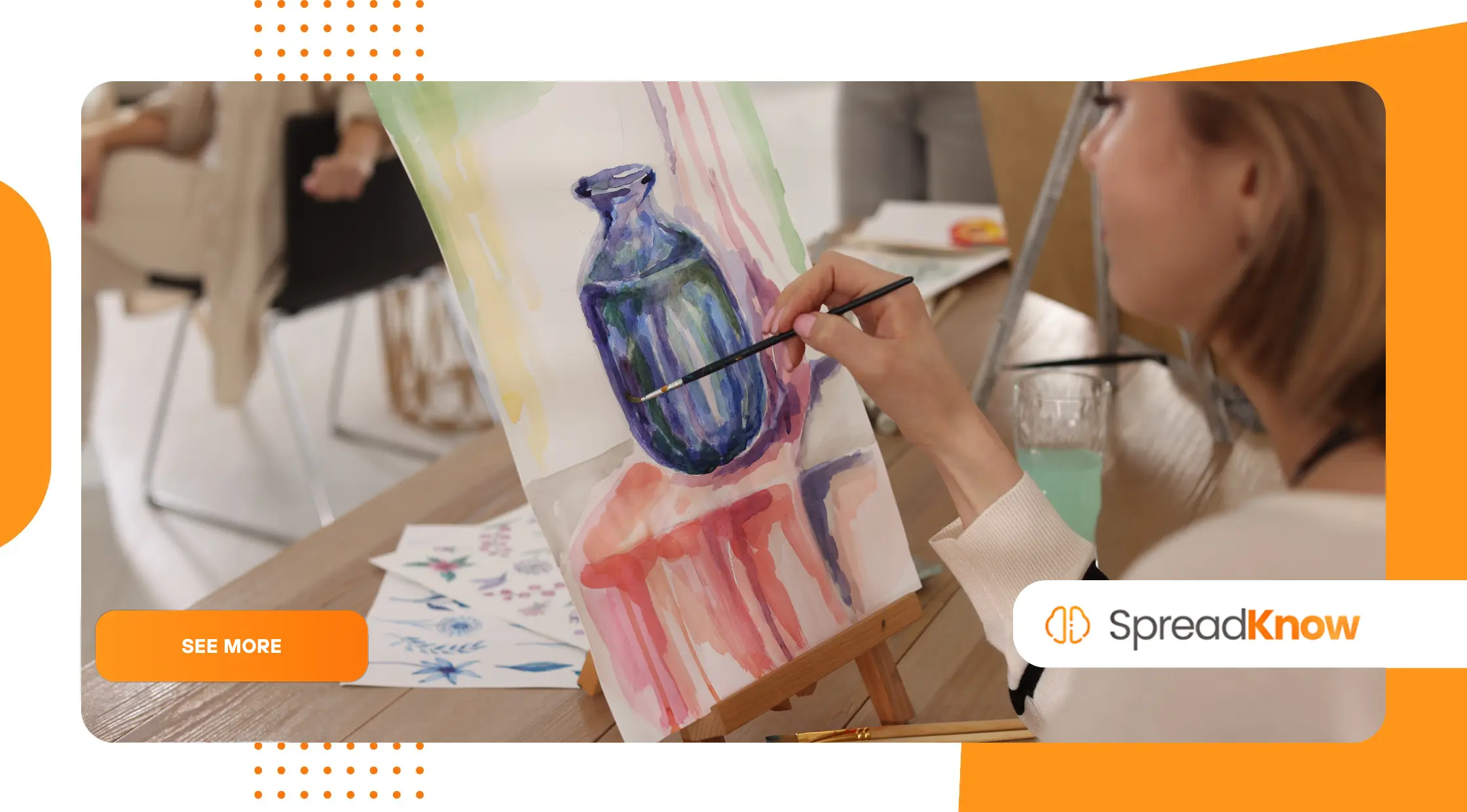
Os hobbies fortalecem a resiliência emocional. De maneiras que as intervenções clínicas muitas vezes têm dificuldade em replicar, precisamente porque operam através do prazer em vez da obrigação.
Anúncios
A resiliência emocional — a capacidade de se adaptar à adversidade, absorver o estresse e se recuperar de contratempos — não é uma característica fixa que as pessoas simplesmente possuem ou não.
Pesquisas mostram consistentemente que essa é uma habilidade que se desenvolve por meio de ciclos repetidos de envolvimento, desafio e recuperação, e os hobbies criam exatamente esse ciclo em ambientes de baixo risco e autodirigidos.
Uma revisão de escopo de 2025, publicada em um periódico com revisão por pares, identificou três temas consistentes em vários estudos: os hobbies reduzem a depressão e a ansiedade, melhoram a qualidade de vida e promovem conexões sociais que atenuam o sofrimento psicológico.
O que torna essa descoberta significativa é sua consistência em diferentes faixas etárias, culturas e tipos de hobbies — sugerindo que o mecanismo não é específico de nenhuma atividade em particular, mas emerge do próprio ato de engajamento voluntário e intencional.
Anúncios
Compreender como esse mecanismo funciona transforma os hobbies de uma categoria de lazer em uma ferramenta deliberadamente utilizada para o fortalecimento psicológico.
A neurociência por trás da resiliência impulsionada por hobbies
Quando uma pessoa se dedica a um hobby, o cérebro inicia uma sequência de eventos neuroquímicos que neutralizam diretamente os efeitos fisiológicos do estresse crônico, produzindo alterações mensuráveis nos níveis de cortisol, na liberação de dopamina e na atividade do sistema nervoso parassimpático.
Diversos estudos demonstraram que atividades criativas como pintura, música e escrita reduzem o cortisol — o principal hormônio do estresse do corpo — e, simultaneamente, aumentam a dopamina, o neurotransmissor mais intimamente associado à motivação, ao prazer e à regulação emocional.
Uma revisão de ensaios clínicos randomizados de 2024 confirmou que a musicoterapia reduz significativamente os marcadores fisiológicos de estresse, incluindo a frequência cardíaca e a frequência respiratória, ao mesmo tempo que melhora a regulação emocional e a resiliência psicológica em diversas populações.
Isso não é simplesmente relaxamento — é uma recalibração neurológica que restaura a capacidade do sistema nervoso de responder de forma adaptativa a futuros estressores, em vez de apenas se recuperar dos estressores atuais.
Essa distinção é extremamente importante para a resiliência: atividades que apenas produzem relaxamento criam alívio temporário, enquanto atividades que recalibram o sistema de resposta ao estresse constroem a capacidade adaptativa duradoura que define a verdadeira resiliência emocional.
Os hobbies proporcionam essa recalibração justamente porque exigem envolvimento ativo em vez de repouso passivo — o cérebro precisa se concentrar, resolver problemas e criar, o que treina os mesmos sistemas cognitivos e emocionais que enfrentam desafios no dia a dia.
++ O impacto da fragmentação da mídia na compreensão global
Estados de fluxo e a arquitetura da recuperação
O conceito de fluxo do psicólogo Mihaly Csikszentmihalyi — o estado de completa absorção em uma atividade desafiadora e intrinsecamente motivada — descreve um dos mecanismos psicológicos mais poderosos pelos quais os hobbies desenvolvem a resiliência emocional.
O estado de fluxo ocorre quando a dificuldade de uma atividade está bem ajustada ao nível de habilidade atual da pessoa, criando um estado de foco intenso no qual a autoconsciência se dissolve, o tempo se distorce e a ruminação negativa se torna neurologicamente impossível.
Essa suspensão temporária do pensamento autorreferencial não é trivial — o estresse crônico, a ansiedade e a depressão são todos caracterizados por pensamentos persistentes e involuntários focados em si mesmo, e o estado de fluxo interrompe diretamente esse padrão em nível neural.
Pesquisas com adolescentes revelaram que aqueles que vivenciavam estados de fluxo com frequência apresentavam maior autoestima, maior envolvimento com a vida e significativamente mais tempo dedicado a atividades de lazer ativas, incluindo hobbies, esportes e atividades intelectuais desafiadoras.
O valor do estado de fluxo na construção da resiliência é cumulativo: cada sessão de imersão profunda em um hobby treina a capacidade do cérebro de transitar da automonitorização ansiosa para o engajamento externo focado, e essa capacidade se transfere para situações de alto estresse no mundo real ao longo do tempo.
Uma pessoa que aprendeu, através de anos de prática de guitarra, corrida de longa distância ou cerâmica, a entrar em estado de fluxo de forma consistente, desenvolveu uma habilidade psicológica — e não apenas um passatempo agradável — que permanece disponível precisamente quando as circunstâncias externas são mais ameaçadoras.
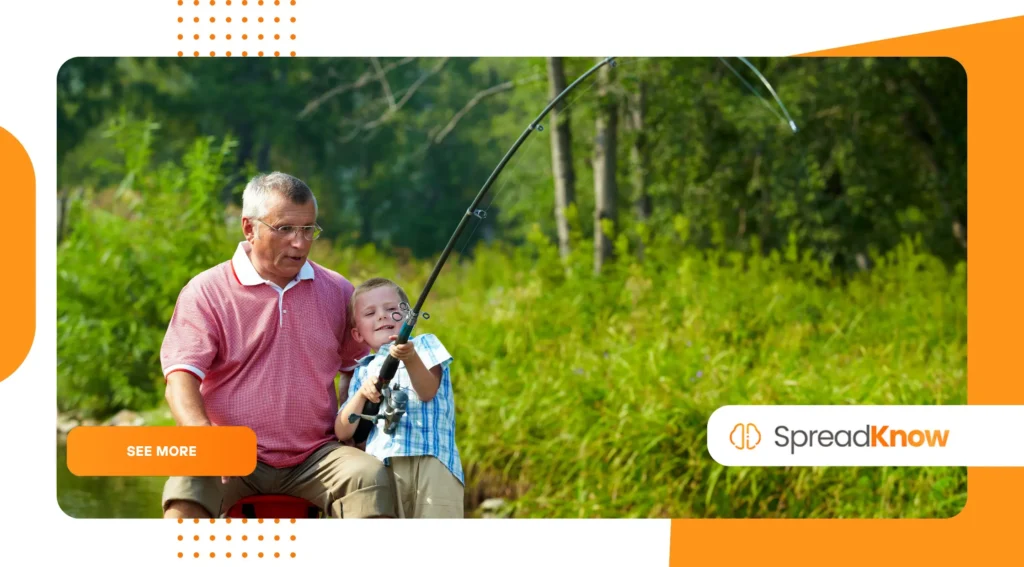
Hobbies sociais e a resiliência do sentimento de pertencimento
Embora os hobbies individuais produzam benefícios psicológicos mensuráveis, os hobbies com foco social geram uma fonte adicional e distinta de resiliência: o senso de pertencimento e comunidade que as pesquisas consistentemente identificam como um dos mais poderosos fatores de proteção contra o sofrimento psicológico.
Um amplo estudo multicêntrico publicado em 2024 examinou jogadores de jogos de tabuleiro e descobriu que um quarto dos participantes havia recebido um diagnóstico de transtorno mental, mas relatou que se envolver em jogos compartilhados reduziu significativamente seus níveis de estresse e ansiedade.
O que essa descoberta ilustra não é que os jogos de tabuleiro curem doenças mentais, mas sim que a participação em uma comunidade de entusiastas de um hobby proporciona o suporte social — reconhecimento mútuo, propósito compartilhado e senso de pertencimento sem grandes consequências — que indivíduos isolados que lutam contra problemas de saúde mental raramente conseguem acessar apenas por meio de canais clínicos.
O mecanismo psicológico é bem compreendido: pertencer a um grupo organizado em torno de uma atividade compartilhada proporciona identidade, rotina e responsabilidade que persistem mesmo quando outras áreas da vida se tornam caóticas ou ameaçadoras.
Hobbies que conectam pessoas em torno de interesses genuínos em comum — em vez da dinâmica social performativa de networking ou obrigação profissional — criam o tipo de comunidade autêntica que as pesquisas identificam como a mais protetora contra o isolamento social que amplifica a vulnerabilidade psicológica.
| Tipo de hobby | Mecanismo Primário de Resiliência | Benefício Secundário |
|---|---|---|
| Artes criativas | Redução do cortisol, expressão emocional | Autoeficácia através do domínio |
| hobbies físicos | Regulação do hormônio do estresse | Melhoria da qualidade do sono |
| hobbies sociais | Pertencimento, apoio comunitário | Estabilidade da identidade |
| Hobbies cognitivos | Estados de fluxo, estimulação mental | Flexibilidade cognitiva |
| Hobbies ligados à natureza | Ativação parassimpática | Restauração de atenção |
++ Como os hobbies criam estados de fluxo e reduzem o estresse
Domínio, autoeficácia e a confiança para se recuperar
Uma das maneiras mais duradouras pelas quais os hobbies desenvolvem resiliência emocional é através do desenvolvimento gradual da maestria — a experiência de se tornar significativamente melhor em algo por meio de esforço contínuo — o que gera autoeficácia que se transfere muito além do próprio hobby.
A autoeficácia, a crença na própria capacidade de produzir os resultados desejados por meio de ações deliberadas, é um dos indicadores mais fortes de resiliência psicológica na literatura de pesquisa, e os hobbies oferecem um dos caminhos mais acessíveis para desenvolvê-la.
Associação Americana de Psicologia Identifica a autoeficácia como um componente central da resiliência, observando que as pessoas que acreditam que seus esforços podem produzir mudanças significativas estão significativamente mais bem preparadas para persistir diante da adversidade do que aquelas que atribuem os resultados a forças fora de seu controle.
Cada vez que uma pessoa aprende uma progressão de acordes difícil, completa uma corrida desafiadora, termina um projeto complexo de marcenaria ou domina uma nova técnica culinária, ela acumula evidências de que o esforço contínuo produz resultados reais — evidências que se tornam psicologicamente disponíveis em momentos de crise ou insegurança.
Os hobbies que mais contribuem para a autoeficácia são aqueles com uma progressão de habilidades clara e feedback honesto — atividades em que a melhoria é visível, o esforço é necessário e a diferença entre a habilidade atual e a aspiração proporciona motivação contínua sem se tornar desencorajadora.
É por isso que a pesquisa de Csikszentmihalyi sobre o estado de fluxo constatou consistentemente que os hobbies mais benéficos psicologicamente são aqueles que crescem com o praticante — não atividades fixas, mas desafios em constante evolução que permanecem significativos justamente porque nunca deixam de exigir um envolvimento genuíno.
++ Os benefícios de ensinar aos outros o que você aprende
Construindo uma prática de hobby específica para resiliência
Escolher e manter um hobby especificamente pelas suas propriedades de desenvolvimento da resiliência exige compreender quais características de uma atividade geram força psicológica em vez de simplesmente prazer, e as duas nem sempre são idênticas.
O lazer passivo — assistir televisão, navegar nas redes sociais ou consumir conteúdo — produz relaxamento, mas não gera a recalibração neurológica, o acúmulo de domínio ou a conexão social que as pesquisas associam à resiliência emocional duradoura.
O lazer ativo, definido como o envolvimento voluntário que exige habilidade, apresenta desafios e permite aprimoramento progressivo, supera consistentemente o consumo passivo como estratégia de desenvolvimento de resiliência em todos os contextos demográficos e psicológicos estudados.
A prática de hobby mais eficaz para a resiliência combina regularidade com intensidade: sessões consistentes e mais curtas, distribuídas ao longo da semana, produzem melhores resultados psicológicos do que sessões longas e ocasionais, porque os benefícios neurológicos se acumulam com a repetição, e não com a duração.
Introduzir um hobby durante um período relativamente estável — em vez de esperar até que uma crise chegue — permite que a habilidade, a comunidade e a autoeficácia geradas pelo hobby já estejam estabelecidas e acessíveis quando as condições externas se deteriorarem.
O princípio final e mais importante é a motivação intrínseca: um hobby escolhido por genuíno interesse gera benefícios de resiliência muito maiores do que um escolhido por parecer produtivo ou socialmente admirável, pois a motivação intrínseca é precisamente o que sustenta o engajamento durante as difíceis fases iniciais do desenvolvimento de habilidades.
Conclusão
Os hobbies fortalecem a resiliência emocional não porque distraem das dificuldades, mas porque desenvolvem, por meio de desafios voluntários repetidos, os recursos neurológicos, psicológicos e sociais que tornam as dificuldades verdadeiramente suportáveis.
A pesquisa é consistente em todas as culturas, faixas etárias e tipos de atividades: pessoas que se envolvem regularmente em atividades de lazer significativas e ativas apresentam menores taxas de depressão e ansiedade, maior satisfação com a vida e respostas adaptativas mais fortes à adversidade.
Portanto, construir uma prática como hobby não é um luxo a ser adiado até que as circunstâncias se tornem mais convenientes — é uma forma de infraestrutura psicológica que deve estar em vigor antes que seja urgentemente necessária.
Na próxima vez que a vida se tornar verdadeiramente difícil, a pessoa com maior probabilidade de se recuperar com seu senso de identidade intacto será aquela que passou noites comuns de terça-feira fazendo algo que lhe importava, sem outro motivo além do fato de que isso lhe importava.
Perguntas frequentes
1. Como os hobbies contribuem para o desenvolvimento da resiliência emocional? Eles desenvolvem resiliência por meio da recalibração neuroquímica, indução do estado de fluxo, acúmulo de domínio, conexão social e desenvolvimento da autoeficácia — tudo isso fortalece os sistemas psicológicos que a adversidade desafia.
2. Quais tipos de hobbies são mais eficazes para a resiliência? Atividades extracurriculares que exigem habilidade, permitem aprimoramento progressivo e oferecem feedback honesto são as que proporcionam os maiores benefícios em termos de resiliência. Atividades extracurriculares sociais acrescentam a proteção adicional da comunidade e do senso de pertencimento.
3. Quanto tempo preciso investir em um hobby para obter benefícios em termos de resiliência? Pesquisas comprovam a importância da regularidade em detrimento da duração. Sessões mais curtas e consistentes, distribuídas ao longo da semana, produzem melhores resultados psicológicos do que sessões mais longas e ocasionais, visto que os benefícios neurológicos se acumulam com a repetição.
4. Qualquer hobby pode desenvolver resiliência, ou apenas alguns tipos específicos? Qualquer envolvimento voluntário, ativo e intrinsecamente motivado tende a produzir benefícios de resiliência. O consumo passivo, como streaming ou navegação na internet, não gera os mesmos efeitos neurológicos ou psicológicos.
5. Será que é tarde demais para começar um hobby com o objetivo de desenvolver resiliência na vida adulta? Pesquisas com adultos e idosos mostram consistentemente que os benefícios da prática de hobbies para a resiliência se manifestam independentemente de quando ela começa, com estudos realizados com idosos de 16 países confirmando a melhoria do bem-estar e da satisfação com a vida decorrentes da participação em hobbies.
