
The Rise of Virtual Exhibitions: Art in the Metaverse Era
The rise of virtual exhibitions is reshaping how we experience art, blending technology with creativity to transcend physical boundaries.
Anúncios
Imagine stepping into a gallery where the walls are infinite, the artworks defy gravity, and the experience is tailored to your whims—all from your living room.
This is no sci-fi fantasy; it’s the metaverse, a digital frontier where art is finding new life.
As museums and artists embrace virtual spaces, the art world is undergoing a seismic shift, democratizing access, redefining engagement, and sparking debates about authenticity and value.
But what does this mean for the future of creativity?
Anúncios
Let’s explore how virtual exhibitions are revolutionizing art in the digital age.
A New Canvas for Creativity
Digital platforms are no longer just tools for communication—they’re becoming canvases for artistic expression.
Virtual exhibitions, powered by immersive technologies like virtual reality (VR) and augmented reality (AR), allow artists to craft experiences that physical galleries can’t replicate.
Picture a sculpture that morphs based on your gaze or a painting that pulses with sound as you approach.
These dynamic interactions break the static mold of traditional exhibitions, offering creators freedom to experiment beyond physical constraints.
For instance, consider “Ethereal Visions,” a 2024 virtual exhibition by artist Maya Lin.
Hosted on a metaverse platform, it featured floating, translucent sculptures that reacted to user movements, creating a unique experience for each visitor.
Unlike a physical gallery, where space and logistics limit display options, Lin’s work leveraged the metaverse’s infinite possibilities, blending environmental data with art to simulate ecosystems evolving in real-time.
This isn’t just art—it’s a living, breathing interaction.
The appeal lies in accessibility.
Physical galleries are often confined to urban hubs, but virtual exhibitions bring art to anyone with an internet connection.
A 2023 report by Statista revealed that 68% of global internet users engaged with some form of virtual cultural content last year, highlighting the growing appetite for digital art experiences.
This statistic underscores a key point: the rise of virtual exhibitions isn’t just a trend—it’s a response to a global demand for inclusive, innovative art access.
For more insights on digital art trends, you can check out ArtNet.
Redefining Engagement with Audiences
Why settle for a static viewing when you can immerse yourself in the artist’s world?
Virtual exhibitions excel at creating participatory experiences.
Unlike traditional galleries, where “do not touch” signs dominate, digital spaces invite interaction.
Viewers can manipulate artworks, explore 3D environments, or even co-create pieces with artists in real-time.
This interactivity fosters a deeper connection, transforming passive observers into active participants.
Take the example of “Dreamscape Gallery,” a 2025 virtual exhibition launched by a collective of emerging artists.
Visitors could enter a shared metaverse space, customize their avatars, and contribute to a collaborative mural that evolved over weeks.
Each stroke added by a visitor altered the artwork’s narrative, blending individual stories into a collective masterpiece.
Such experiences blur the line between creator and audience, making art a shared journey rather than a solitary spectacle.
This shift also challenges traditional notions of curation.
In virtual spaces, curators can experiment with layouts impossible in physical settings—think galleries with infinite rooms or exhibitions that change based on time of day.
This flexibility empowers curators to craft narratives that evolve, keeping audiences coming back.
The rise of virtual exhibitions thus redefines engagement, making art not just something to see, but something to live.
+ How to Start Your Own Art Collection on a Budget
Economic Impacts and Opportunities
The financial landscape of art is also transforming.
Virtual exhibitions reduce the costs of physical infrastructure—rent, lighting, security—allowing institutions to allocate resources to innovation.
For artists, the metaverse offers new revenue streams through digital collectibles like NFTs (non-fungible tokens).
These blockchain-based assets ensure authenticity and ownership, addressing concerns about digital art’s value.
However, the economic picture isn’t all rosy.
The table below outlines key financial benefits and challenges of virtual exhibitions:
| Aspect | Benefits | Challenges |
|---|---|---|
| Cost | Lower overhead (no physical space needed) | High initial tech investment |
| Revenue Streams | NFT sales, virtual ticket fees | Market volatility for digital assets |
| Accessibility | Global reach, scalable audience | Digital divide limits access for some |
For galleries, the rise of virtual exhibitions means reaching global audiences without the logistical nightmare of shipping priceless artworks.
Virtual tickets, often priced lower than physical ones, attract diverse demographics.
Yet, the digital divide remains a hurdle—those without high-speed internet or VR headsets risk being excluded, raising questions about true inclusivity.
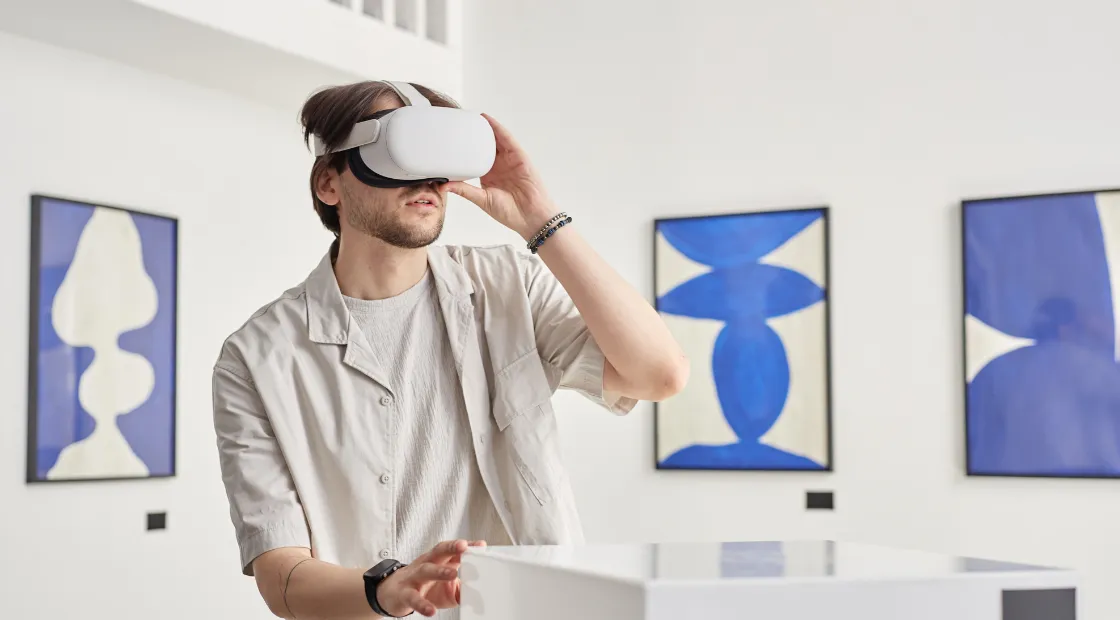
The Authenticity Debate
Is a digital artwork as “real” as a physical one?
This question lies at the heart of the rise of virtual exhibitions.
Critics argue that virtual art lacks the tactile authenticity of a canvas or sculpture, while proponents counter that emotional impact transcends medium.
The metaverse challenges us to rethink what “authenticity” means in a world where digital experiences can evoke the same awe as a museum visit.
Consider an analogy: just as a vinyl record and a streaming track both deliver music, physical and virtual exhibitions both deliver art.
The medium changes, but the essence—emotion, story, provocation—remains.
Platforms like Decentraland and Spatial are proving this by hosting exhibitions that rival physical galleries in emotional depth, with added layers of interactivity.
Still, skepticism persists.
Some collectors hesitate to invest in digital works, fearing they lack permanence.
Blockchain technology mitigates this by ensuring provenance, but cultural attitudes evolve slowly.
The rise of virtual exhibitions thus sparks a broader conversation about value, urging the art world to reconcile tradition with innovation.
++ Cultural Festivals Around the World You Need to Experience
Technological Foundations and Future Trends
The tech behind virtual exhibitions is as fascinating as the art itself.
VR headsets, AR apps, and metaverse platforms like Horizon Worlds power these experiences, with advancements in AI enhancing personalization.
For example, AI can analyze user preferences to curate bespoke gallery tours, ensuring every visitor’s journey is unique.
Looking ahead, the integration of haptic technology—enabling touch in virtual spaces—could further blur the line between physical and digital.
Imagine “feeling” the texture of a virtual painting.
The table below highlights emerging technologies shaping the rise of virtual exhibitions:
| Technology | Current Use | Future Potential |
|---|---|---|
| VR/AR | Immersive gallery navigation | Hyper-realistic sensory experiences |
| AI | Personalized curation | Predictive art creation |
| Haptic Feedback | Limited tactile interaction | Full sensory immersion |
As these technologies mature, the rise of virtual exhibitions will likely accelerate, with platforms becoming more intuitive and accessible.
But challenges loom—cybersecurity risks, platform monopolies, and the environmental impact of energy-intensive blockchain tech demand attention.
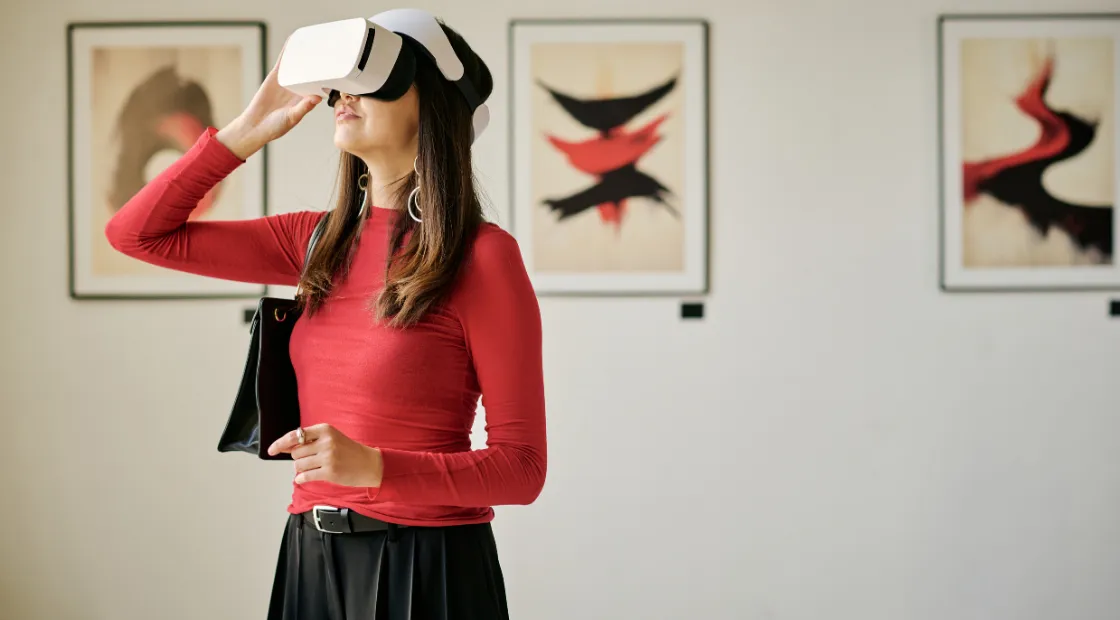
Cultural and Social Implications
Virtual exhibitions are more than a technological marvel; they’re a cultural revolution.
They empower underrepresented artists who might lack access to elite galleries, giving them a global stage.
A queer artist in a conservative region, for instance, can showcase work in a metaverse gallery without fear of censorship.
This democratization aligns with the art world’s growing emphasis on diversity and inclusion.
Yet, there’s a flip side.
The metaverse risks creating echo chambers, where algorithms feed users art that reinforces existing tastes, stifling discovery.
Balancing personalization with serendipity is a challenge curators must address to ensure virtual exhibitions remain vibrant and diverse.
The Road Ahead
The rise of virtual exhibitions signals a bold new chapter for art, one where technology amplifies creativity rather than replaces it.
They’re not here to supplant physical galleries but to complement them, offering hybrid models where visitors might tour a museum in VR before visiting in person.
This synergy could redefine cultural consumption, making art a seamless part of daily life.
As we stand at this crossroads, one question lingers: will the art world embrace the metaverse as a partner in innovation, or cling to tradition?
The answer lies in our willingness to reimagine art’s boundaries.
The rise of virtual exhibitions isn’t just a trend—it’s a movement, one that invites us to see, feel, and create in ways we never thought possible.
