
The Evolution of Artistic Expression in Times of Crisis
The Evolution of Artistic Expression reveals how creative voices transform adversity into meaning, shaping collective memory and emotional resilience during periods when societies face instability, uncertainty, and profound structural change.
Anúncios
Throughout history, moments of crisis have forced artists to reinterpret reality, using their mediums to confront trauma, question authority, and preserve narratives that might otherwise disappear under political or social pressure.
These transformations are not merely stylistic adjustments but fundamental shifts in how art functions within society, moving from aesthetic exploration toward urgent communication, documentation, and resistance against dominant narratives or oppressive systems.
By examining different eras, it becomes clear that crises accelerate innovation, pushing artists beyond conventional boundaries and compelling them to experiment with form, content, and distribution in ways that redefine artistic identity.
The relationship between crisis and creativity also highlights how audiences engage with art, seeking reflection, understanding, and emotional processing through works that resonate with their lived experiences during uncertain times.
Anúncios
This article explores how artistic expression evolves under pressure, analyzing historical patterns, technological influences, and contemporary examples that demonstrate the enduring connection between creativity and human resilience.
The Historical Roots of Art in Crisis
Art has always responded to turmoil, with early examples found in war paintings, religious iconography, and literature that documented societal upheavals while offering symbolic interpretations of suffering and hope.
During the Black Death in Europe, artists shifted from idealized religious imagery to more somber representations, emphasizing mortality and existential anxiety while reflecting a collective confrontation with death and uncertainty.
The aftermath of the First World War produced movements like Dadaism, where artists rejected logic and embraced absurdity, expressing disillusionment with systems that had led to unprecedented destruction and human loss.
Similarly, the Great Depression influenced American art through social realism, where painters and photographers documented poverty, labor struggles, and economic despair with striking emotional clarity and political intent.
These historical responses demonstrate that crises often disrupt artistic conventions, forcing creators to abandon traditional frameworks and adopt new visual or narrative languages that better capture their realities.
The recurring pattern suggests that artistic evolution is deeply intertwined with societal conditions, where periods of instability act as catalysts for both innovation and introspection across creative disciplines.
++ Architecture as Storytelling: What Buildings Say About Civilization
War and the Reinvention of Visual Language
Armed conflicts have repeatedly transformed artistic expression, compelling creators to depict violence, displacement, and human suffering through new visual approaches that challenge viewers to confront uncomfortable truths.
The works of artists like Pablo Picasso, particularly “Guernica,” exemplify how abstraction can convey emotional intensity, translating the chaos of war into fragmented forms that mirror psychological trauma.
Modern research from institutions such as the Tate highlights how war art serves both documentary and interpretive roles, preserving historical memory while offering critical perspectives on conflict.
Photography also emerged as a powerful medium during wars, providing immediate visual evidence of destruction and reshaping public perception by bringing distant events into personal and emotional proximity.
Artists working in war zones often face ethical dilemmas, balancing the need to represent reality with the responsibility to avoid exploitation or sensationalism in their portrayals of human suffering.
As conflicts evolve with technology, so too does artistic representation, incorporating digital tools, multimedia installations, and virtual reality to create immersive experiences that deepen audience engagement with complex narratives.

Economic Crises and the Democratization of Art
Economic instability has historically influenced both the production and accessibility of art, often leading to more inclusive and socially engaged creative movements that reflect broader public experiences.
During financial downturns, artists frequently turn to affordable materials and alternative spaces, transforming streets, abandoned buildings, and digital platforms into venues for expression and community interaction.
The rise of street art during economic hardship illustrates this shift, as creators use public spaces to communicate political messages, critique inequality, and reclaim visibility in urban environments.
Digital platforms have further expanded accessibility, allowing artists to reach global audiences without traditional gatekeepers, fundamentally altering how art is distributed and consumed during times of economic constraint.
Data from organizations like UNESCO emphasize how cultural industries adapt during crises, highlighting the resilience of creative sectors despite financial challenges and structural disruptions.
These changes not only redefine artistic production but also reshape audience participation, encouraging more interactive and collaborative forms of engagement that blur the boundaries between creator and observer.
++ How Hobbies Improve Problem-Solving Skills
The Role of Technology in Crisis-Driven Creativity
Technological advancements play a crucial role in shaping how artists respond to crises, providing new tools and platforms that expand the possibilities of creative expression and audience interaction.
The COVID-19 pandemic accelerated the adoption of digital art forms, including virtual exhibitions, live-streamed performances, and interactive media that allowed artists to maintain visibility despite physical restrictions.
Social media platforms became essential spaces for artistic dissemination, enabling creators to share work instantly while fostering global conversations around shared experiences of isolation, fear, and adaptation.
This technological shift also introduced new challenges, including issues of digital ownership, content saturation, and the sustainability of online artistic careers in an increasingly competitive environment.
Despite these challenges, the integration of technology has expanded the definition of art, incorporating elements of coding, artificial intelligence, and immersive storytelling into contemporary creative practices.
As crises continue to intersect with technological innovation, artists are likely to explore hybrid forms that combine physical and digital elements, reflecting the evolving nature of human experience in a connected world.
++ The Role of Reflection in Turning Experience Into Knowledge
Emotional Expression and Collective Healing
Art created during crises often serves as a mechanism for emotional processing, allowing individuals and communities to articulate feelings that are difficult to express through conventional communication.
Music, poetry, and visual arts provide outlets for grief, anger, and hope, creating shared spaces where audiences can find validation and connection amid widespread uncertainty and disruption.
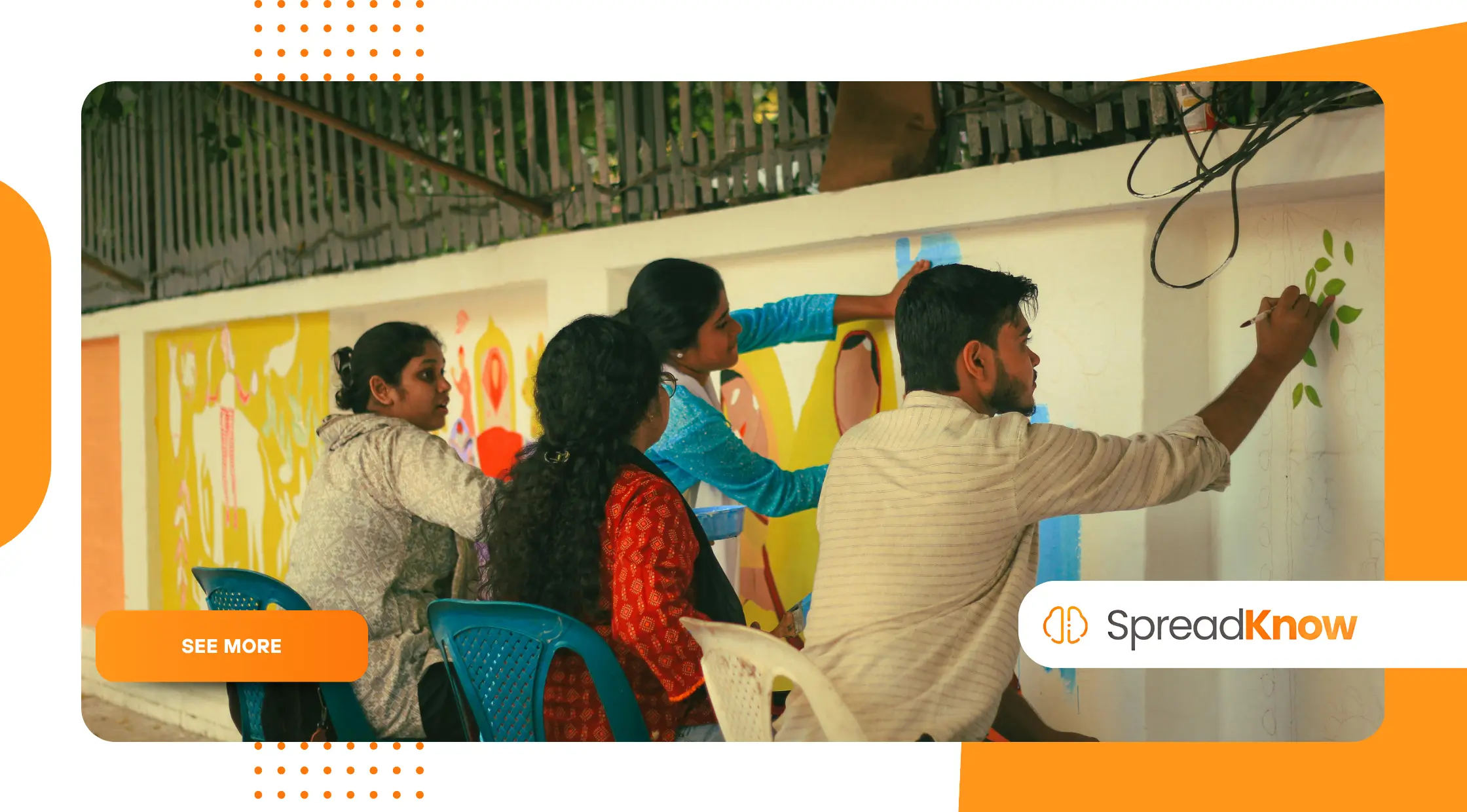
Community-based art projects, such as murals and collaborative installations, play a significant role in fostering solidarity, transforming public spaces into symbols of resilience and collective identity.
These initiatives demonstrate how art can function as both personal expression and social intervention, addressing psychological needs while contributing to broader cultural narratives of recovery and adaptation.
The therapeutic value of artistic engagement is increasingly recognized, with studies showing that creative activities can reduce stress, improve mental health, and enhance emotional resilience during challenging periods.
By facilitating dialogue and reflection, art helps societies process trauma and envision future possibilities, reinforcing its importance as a tool for both individual and collective healing.
Artistic Resistance and Political Commentary
Crises often intensify political tensions, prompting artists to use their work as a form of resistance, critique, and advocacy against systems perceived as unjust or oppressive.
From protest songs to satirical illustrations, creative expression becomes a powerful means of challenging authority, raising awareness, and mobilizing public opinion around critical issues.
Historical examples, such as the civil rights movement in the United States, demonstrate how art can amplify marginalized voices and contribute to social change through cultural influence.
Contemporary artists continue this tradition, addressing topics such as climate change, inequality, and human rights through works that combine aesthetic impact with political urgency.
This intersection of art and activism highlights the role of creativity as a catalyst for dialogue, encouraging audiences to question dominant narratives and engage more critically with societal structures.
In times of crisis, artistic resistance becomes not only a reflection of dissent but also a vital component of democratic expression and cultural evolution.
Future Directions of Art in Uncertain Times
As global challenges become more complex, the future of artistic expression will likely involve greater interdisciplinarity, combining elements from science, technology, and social research to address multifaceted issues.
Artists are increasingly collaborating with experts from various fields, creating works that explore topics such as climate change, public health, and artificial intelligence through innovative and thought-provoking approaches.
The following table illustrates how different crises influence artistic evolution across various dimensions:
| Crisis Type | Artistic Response | Medium Evolution | Audience Engagement |
|---|---|---|---|
| War | Documentation and protest | Photography, digital VR | Emotional confrontation |
| Economic Collapse | Social realism and street art | Public spaces, digital | Community participation |
| Pandemic | Isolation and connection themes | Virtual platforms | Global interaction |
| Political Crisis | Activism and resistance | Multimedia installations | Critical dialogue |
These trends suggest that art will continue to adapt, reflecting the complexities of contemporary life while providing spaces for reflection, critique, and imaginative exploration.
The increasing integration of technology and social awareness indicates that future artistic practices will be more inclusive, participatory, and responsive to the rapidly changing global landscape.
Ultimately, the evolution of artistic expression in times of crisis underscores the enduring power of creativity to navigate uncertainty and inspire transformation.
Conclusion
The relationship between crisis and creativity reveals that art is not merely a reflection of society but an active force that shapes understanding, memory, and emotional response during periods of disruption.
Across different historical contexts, artists have consistently adapted their methods and messages, demonstrating resilience and innovation in the face of adversity while influencing cultural and political discourse.
This dynamic process highlights the importance of supporting artistic communities, particularly during crises, as their contributions play a vital role in documenting experiences and fostering collective healing.
As the world continues to face new challenges, the evolution of artistic expression will remain a crucial lens through which humanity interprets and responds to its most defining moments.
FAQ
1. What drives the Evolution of Artistic Expression during crises?
Crises create urgency, forcing artists to respond emotionally and intellectually, often leading to experimentation and new forms that reflect changing societal conditions.
2. How does technology influence art in times of crisis?
Technology expands creative possibilities and accessibility, allowing artists to reach wider audiences while exploring innovative formats such as digital and interactive media.
3. Why is art important during difficult times?
Art provides emotional support, fosters connection, and helps individuals and communities process complex experiences through shared expression and understanding.
4. Can art influence social change during crises?
Yes, artistic expression can raise awareness, challenge authority, and inspire action by engaging audiences with powerful visual and narrative messages.
5. What is the future of artistic expression in uncertain times?
The future will likely involve interdisciplinary approaches, increased use of technology, and more collaborative practices that address global challenges creatively.
