
Il futuro della democrazia nell'era dell'informazione digitale
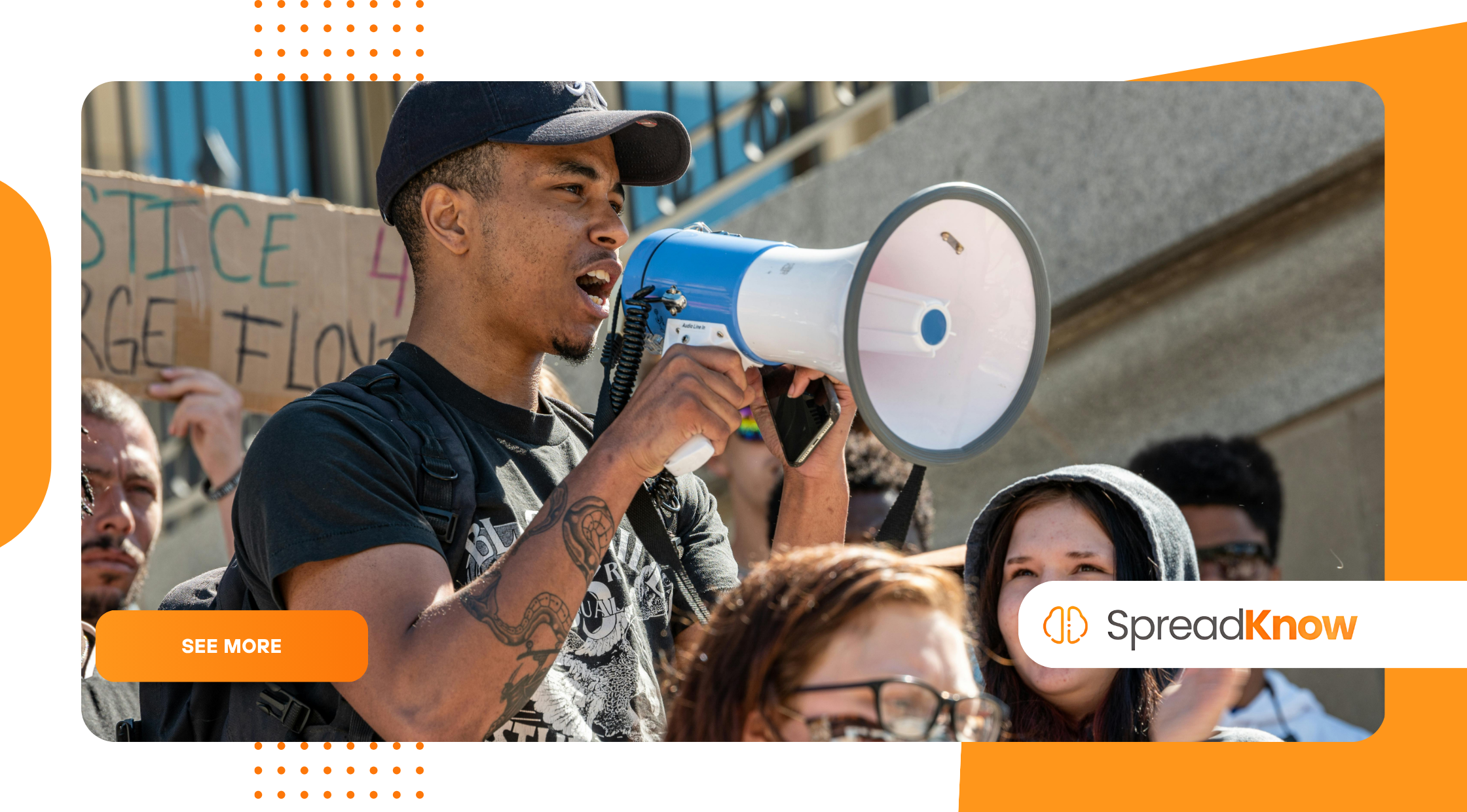
Il futuro della democrazia dipende sempre più da come le società gestiscono i sistemi di comunicazione digitale, l'impegno politico online e la rapida circolazione delle informazioni che influenzano le elezioni, la fiducia del pubblico e la legittimità istituzionale nelle nazioni democratiche.
Annunci
Oggi i cittadini fruiscono di contenuti politici tramite smartphone, piattaforme di streaming, social media, podcast e applicazioni di messaggistica, che plasmano continuamente l'opinione pubblica ben oltre i tradizionali giornali e le trasmissioni televisive.
Le tecnologie digitali hanno ampliato la partecipazione democratica, consentendo ai singoli cittadini di pubblicare opinioni, organizzare proteste, monitorare l'operato dei governi e mobilitare le comunità senza bisogno del supporto di potenti istituzioni politiche o grandi gruppi mediatici.
Al contempo, campagne di disinformazione, algoritmi manipolati, sistemi di intelligenza artificiale e propaganda online coordinata hanno intensificato la polarizzazione, indebolendo al contempo la fiducia nelle istituzioni democratiche in diversi paesi influenti.
Governi, giornalisti, università e aziende tecnologiche subiscono pressioni sempre maggiori per conciliare la libertà di espressione con una maggiore protezione contro la manipolazione digitale dannosa e la disinformazione organizzata che prende di mira le popolazioni vulnerabili.
Annunci
Per comprendere queste trasformazioni è necessario esaminare come la tecnologia influenzi le elezioni, il dibattito pubblico, la partecipazione civica, la responsabilità istituzionale e, più in generale, il rapporto tra cittadini e potere democratico nell'era moderna dell'informazione.
Piattaforme digitali e partecipazione politica
Le piattaforme dei social media hanno trasformato la partecipazione politica, offrendo ai cittadini un accesso immediato a discussioni precedentemente controllate principalmente da reti televisive, editori di giornali e potenti figure istituzionali che operano all'interno dei sistemi politici nazionali.
Oggi le campagne online raggiungono un pubblico più giovane attraverso brevi video, dirette streaming, dibattiti interattivi e comunità digitali che incoraggiano un coinvolgimento continuo anche al di là dei tradizionali cicli elettorali e degli eventi politici programmati.
Durante le elezioni a Taiwan, gruppi di tecnologia civica hanno creato sistemi digitali che consentono ai cittadini di verificare rapidamente affermazioni politiche sospette, promuovendo al contempo un dibattito pubblico trasparente sulle promesse elettorali e sulla responsabilità del governo.
L'attivismo digitale ha inoltre dato potere alle comunità marginalizzate storicamente escluse dalla rappresentanza politica, in particolare alle popolazioni indigene, ai gruppi minoritari e ai giovani elettori che aspirano a una maggiore inclusione nei processi decisionali democratici.
I leader politici comunicano sempre più spesso direttamente con gli elettori attraverso resoconti personali, bypassando i giornalisti tradizionali e ridefinendo il modo in cui i cittadini valutano la credibilità, l'autenticità e la capacità di risposta della leadership durante i dibattiti nazionali in rapida evoluzione.
Tuttavia, il costante coinvolgimento politico online a volte incoraggia reazioni emotive a scapito di una riflessione ponderata, creando ambienti in cui l'indignazione si diffonde più rapidamente delle informazioni verificate in grado di favorire una partecipazione democratica responsabile.
++ Come padroneggiare la regola 50/30/20 senza sentirsi limitati
La crescente minaccia della disinformazione
Le informazioni false si diffondono rapidamente attraverso le reti digitali perché i contenuti sensazionalistici spesso suscitano reazioni emotive più forti rispetto alle notizie accuratamente verificate, prodotte secondo standard giornalistici professionali e con una supervisione editoriale trasparente.
I ricercatori che studiano le interferenze elettorali hanno scoperto che le narrazioni online manipolate spesso sfruttano le divisioni sociali esistenti, rendendo le società più vulnerabili alla sfiducia, alla confusione e all'ostilità durante i periodi politicamente sensibili.
IL Organizzazione delle Nazioni Unite per l'educazione, la scienza e la cultura ha promosso iniziative internazionali a sostegno di programmi di alfabetizzazione mediatica volti ad aiutare i cittadini a riconoscere la disinformazione, i media manipolati e i messaggi politici ingannevoli online.
La tecnologia deepfake crea ormai video realistici in grado di falsificare discorsi, alterare l'aspetto pubblico e danneggiare la reputazione attraverso simulazioni digitali convincenti, difficili da identificare immediatamente per il pubblico comune.
| Sfida digitale | Impatto democratico | Possibile risposta |
|---|---|---|
| Video deepfake | Confusione pubblica durante le elezioni | Sistemi di verifica robusti |
| Polarizzazione algoritmica | Aumento della divisione ideologica | Politiche di raccomandazione trasparenti |
| Disinformazione straniera | Diffidenza verso le istituzioni | Cooperazione internazionale in materia di sicurezza informatica |
| Violazioni della privacy dei dati | Riduzione della fiducia civica | Una regolamentazione digitale più rigorosa |
| Molestie politiche | Minore partecipazione del pubblico | Miglioramenti alla moderazione della piattaforma |
I giornalisti collaborano sempre più spesso con organizzazioni indipendenti di verifica dei fatti per indagare sulle affermazioni politiche virali prima che la disinformazione influenzi il comportamento degli elettori o intensifichi le tensioni sociali all'interno di società democratiche polarizzate.
Diversi governi democratici stanno attualmente discutendo una legislazione volta a contrastare la manipolazione online, mentre affrontano le critiche dei difensori delle libertà civili preoccupati per le potenziali restrizioni che potrebbero compromettere la legittima espressione politica e il giornalismo indipendente.
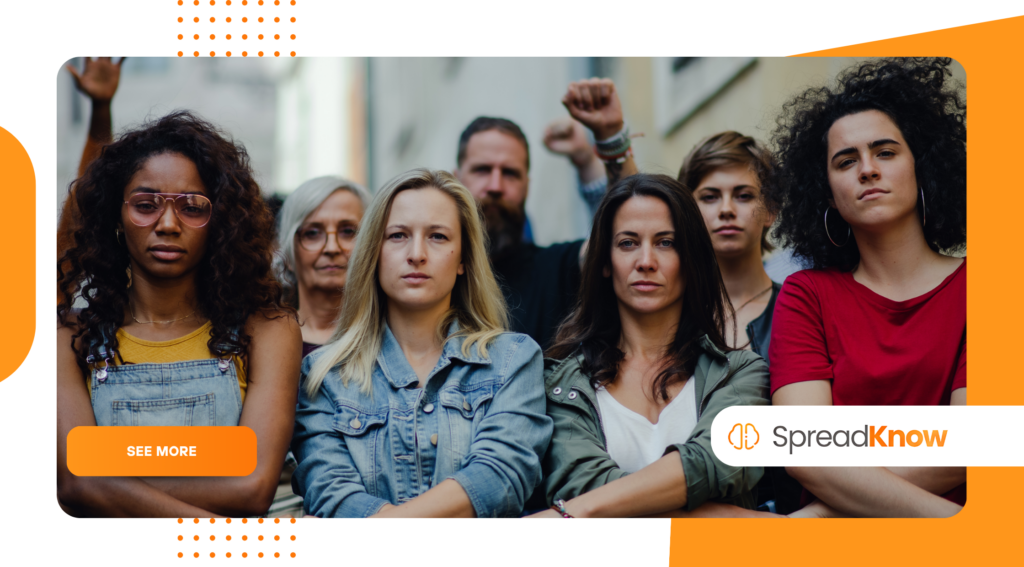
Intelligenza artificiale e processi decisionali democratici
L'intelligenza artificiale influenza sempre più il dibattito pubblico, poiché i sistemi di raccomandazione determinano quali notizie politiche, video e opinioni milioni di cittadini incontrano quotidianamente sulle principali piattaforme digitali e sui motori di ricerca.
Le aziende tecnologiche raccolgono enormi quantità di dati comportamentali, consentendo ad inserzionisti e campagne politiche di diffondere messaggi altamente personalizzati, capaci di influenzare risposte emotive, preferenze ideologiche e decisioni di voto con una precisione senza precedenti.
IL Commissione europea ha sostenuto quadri normativi che promuovono la trasparenza e la responsabilità in merito ai sistemi di intelligenza artificiale che possono influenzare le istituzioni democratiche, le elezioni e le conversazioni pubbliche online.
Alcuni esperti sostengono che l'intelligenza artificiale potrebbe migliorare la governance democratica attraverso una migliore erogazione dei servizi pubblici, processi amministrativi più rapidi e un'analisi più efficiente delle complesse sfide politiche che interessano le società moderne.
In Estonia, le iniziative di governance digitale hanno permesso ai cittadini di accedere in modo sicuro ai servizi governativi online, migliorando al contempo la trasparenza amministrativa e rafforzando la fiducia tra le istituzioni pubbliche e la popolazione.
Tuttavia, i critici avvertono che i sistemi automatizzati potrebbero rafforzare la discriminazione, amplificare le informazioni distorte e concentrare l'influenza politica nelle mani delle aziende che controllano le infrastrutture tecnologiche più avanzate e i dati pubblici più preziosi.
++ La catena di fornitura globale dopo il 2020: lezioni apprese
Libertà di espressione e regolamentazione delle piattaforme
Le società democratiche tradizionalmente tutelano la libertà di espressione perché il dibattito pubblico aperto consente ai cittadini di criticare i governi, mettere in discussione le politiche e scambiare diverse prospettive politiche senza timore di ritorsioni istituzionali.
Le piattaforme digitali hanno complicato questo principio perché le aziende ora moderano enormi quantità di contenuti politici, decidendo al contempo quali voci ottengono visibilità all'interno delle reti di comunicazione online più influenti.
Alcuni governi chiedono politiche di moderazione più rigorose, volte a contrastare l'incitamento all'odio, le molestie coordinate e la propaganda estremista che minacciano la stabilità democratica e la sicurezza pubblica durante periodi di forte tensione politica.
Nel frattempo, le organizzazioni per i diritti civili avvertono che una regolamentazione eccessiva potrebbe incoraggiare pratiche di censura che minano il giornalismo indipendente, il dissenso politico e legittime critiche rivolte a potenti istituzioni pubbliche e funzionari eletti.
La sospensione degli account politici a seguito di elezioni controverse ha dimostrato come le aziende tecnologiche esercitino un'enorme influenza sulla comunicazione democratica, pur operando al di fuori delle tradizionali strutture costituzionali che regolano l'autorità statale.
Conciliare la sicurezza pubblica con le libertà democratiche richiede pertanto politiche di moderazione trasparenti, meccanismi di supervisione indipendenti e standard di responsabilità più rigorosi che guidino le decisioni che riguardano la comunicazione politica negli ambienti digitali.
++ Come acquisire sicurezza finanziaria senza diventare un esperto
Il potere economico che si cela dietro i sistemi informativi
I moderni sistemi democratici dipendono sempre più dalle multinazionali della tecnologia, che controllano i mercati della pubblicità digitale, i motori di ricerca, le infrastrutture cloud e le piattaforme di social media utilizzate quotidianamente da miliardi di persone in tutto il mondo.
Queste aziende influenzano il dibattito pubblico perché gli algoritmi danno priorità a specifiche categorie di contenuti in grado di massimizzare il coinvolgimento, i ricavi pubblicitari e la fidelizzazione degli utenti all'interno di ecosistemi di comunicazione digitale altamente competitivi.
Le organizzazioni mediatiche si trovano in difficoltà finanziarie a causa dello spostamento dei ricavi pubblicitari verso le piattaforme tecnologiche, indebolendo il giornalismo investigativo che storicamente ha smascherato la corruzione, tutelato la responsabilità democratica e informato i cittadini attraverso un giornalismo rigoroso e di interesse pubblico.
Negli ultimi decenni, i giornali locali sono scomparsi in diverse comunità, riducendo la supervisione indipendente sui governi municipali, sulle decisioni in materia di spesa pubblica e sugli sviluppi politici regionali che incidono direttamente sui cittadini comuni.
La disuguaglianza economica influenza anche la partecipazione democratica perché le organizzazioni più ricche dispongono di maggiori risorse per le campagne digitali, analisi dei dati sofisticate e strategie di comunicazione coordinate, capaci di dominare le conversazioni politiche online.
Proteggere le istituzioni democratiche implica quindi sempre più sostenere modelli di giornalismo sostenibile, incoraggiare la concorrenza di mercato e prevenire un'eccessiva concentrazione del potere informativo nelle mani di un numero ristretto di multinazionali del settore tecnologico.
Sicurezza informatica e integrità elettorale
I sistemi elettorali si trovano ad affrontare minacce informatiche sempre più frequenti, poiché attori stranieri prendono di mira i processi democratici attraverso operazioni di hacking, furto di dati e campagne di influenza online coordinate, progettate per minare la fiducia del pubblico.
Le indagini condotte in occasione di diverse elezioni internazionali hanno rivelato tentativi di manipolare il dibattito pubblico attraverso account falsi, documenti riservati trapelati e narrazioni fuorvianti diffuse strategicamente sulle piattaforme dei social media.
Gli esperti di sicurezza informatica collaborano ora a stretto contatto con le autorità elettorali per identificare attività digitali sospette in grado di interrompere i sistemi di registrazione degli elettori, le comunicazioni delle campagne elettorali o le procedure ufficiali di conteggio dei voti durante i momenti democratici cruciali.
Diverse nazioni democratiche hanno introdotto sistemi di verifica delle schede cartacee e meccanismi di controllo indipendenti, volti a rafforzare la fiducia nei risultati elettorali e a ridurre la vulnerabilità a interruzioni tecnologiche o interferenze malevole.
La fiducia del pubblico rimane essenziale perché la democrazia dipende non solo da sistemi di voto sicuri, ma anche da una diffusa fiducia nel fatto che i risultati elettorali riflettano accuratamente la legittima partecipazione democratica e l'equità istituzionale.
La futura resilienza democratica dipenderà probabilmente dalla cooperazione internazionale nell'affrontare le minacce alla sicurezza informatica che trascendono sempre più i confini nazionali, sfruttando infrastrutture di comunicazione digitale interconnesse e contesti politici vulnerabili.
Educazione civica nella società digitale
La stabilità democratica richiede cittadini capaci di valutare criticamente le informazioni, riconoscere le tattiche di manipolazione e partecipare responsabilmente all'interno di ambienti di comunicazione digitale sempre più complessi che plasmano la comprensione politica e l'opinione pubblica.
Nelle scuole e nelle università, l'insegnamento delle competenze di alfabetizzazione mediatica è sempre più diffuso, aiutando gli studenti ad analizzare le fonti, a mettere in discussione le narrazioni emotive e a distinguere le notizie verificate dai contenuti politici online fuorvianti o inventati.
La Finlandia ha attirato l'attenzione internazionale dopo aver introdotto programmi educativi specificamente progettati per rafforzare la resistenza contro le campagne di disinformazione e la propaganda straniera che prendono di mira il discorso pubblico democratico e la fiducia nelle istituzioni.
L'educazione civica oggi va oltre le tradizionali lezioni di diritto costituzionale, poiché la partecipazione democratica moderna implica sempre più la comprensione di algoritmi, privacy dei dati, intelligenza artificiale ed etica della comunicazione digitale che influenzano le società contemporanee.
Le giovani generazioni spesso si impegnano politicamente attraverso le comunità online piuttosto che tramite le tradizionali organizzazioni di partito, il che richiede alle istituzioni democratiche di adattare le strategie di comunicazione e i modelli di partecipazione in base all'evoluzione delle realtà tecnologiche.
Il rafforzamento della cultura democratica dipende in ultima analisi dalla capacità dei cittadini di mantenere la curiosità, il pensiero critico e il senso di responsabilità civica, pur muovendosi in ambienti digitali sempre più plasmati da incentivi commerciali e da una rapida trasformazione tecnologica.
Conclusione
La democrazia continua a evolversi di pari passo con il progresso tecnologico, costringendo le società a riconsiderare il modo in cui i sistemi informativi influenzano la partecipazione politica, la legittimità istituzionale, la fiducia del pubblico e il più ampio equilibrio tra libertà e responsabilità.
Le tecnologie digitali hanno creato opportunità senza precedenti per la partecipazione civica, ma al contempo hanno aumentato i rischi associati alla disinformazione, alla manipolazione algoritmica, alla polarizzazione politica e alla concentrazione del potere informativo nelle mani di aziende private.
Il futuro della democrazia dipenderà probabilmente dalla capacità di governi, aziende tecnologiche, giornalisti, educatori e cittadini di rafforzare collettivamente le garanzie democratiche senza compromettere le libertà fondamentali che sostengono il dibattito pubblico aperto.
Le società capaci di promuovere la trasparenza, l'alfabetizzazione mediatica, l'innovazione responsabile e la responsabilità istituzionale possono preservare la resilienza democratica nonostante le profonde sfide che emergono nell'era dell'informazione digitale.
Domande frequenti
1. In che modo i social media influenzano la partecipazione democratica?
I social media ampliano la partecipazione politica consentendo ai cittadini di condividere opinioni, organizzare movimenti e accedere a dibattiti politici senza dipendere esclusivamente dai media tradizionali.
2. Perché la disinformazione è pericolosa per la democrazia?
La disinformazione indebolisce la fiducia del pubblico, aumenta la polarizzazione e confonde gli elettori durante le elezioni, rendendo il processo decisionale democratico più vulnerabile alla manipolazione e all'instabilità sociale.
3. Che ruolo svolge l'intelligenza artificiale in politica?
L'intelligenza artificiale influenza la comunicazione politica attraverso algoritmi di raccomandazione, pubblicità mirata, sistemi di moderazione automatizzati e strumenti di analisi dei dati che modellano l'esposizione del pubblico alle informazioni.
4. Perché l'alfabetizzazione mediatica è importante oggi?
L'alfabetizzazione mediatica aiuta i cittadini a identificare le informazioni fuorvianti, a valutare criticamente le fonti e a partecipare responsabilmente in ambienti di comunicazione digitale in rapida evoluzione.
5. La democrazia può sopravvivere all'era dell'informazione digitale?
La democrazia può rimanere solida se le società rafforzano la trasparenza, l'istruzione, la sicurezza informatica, il giornalismo indipendente e una governance etica delle tecnologie che supporti una partecipazione pubblica informata.
