
Warum Notfallfonds nicht nur Geld, sondern auch emotionalen Schutz bieten.

Notfallfonds bieten emotionalen Schutz, da sie einen psychologischen Puffer schaffen, der Angst, Unsicherheit und emotionale Belastung bei unerwarteten finanziellen Störungen reduziert.
Anzeigen
Bei vielen Finanzgesprächen stehen Zahlen, Kontostände und Sparziele im Vordergrund, während die starke emotionale Stabilität, die ein eigens dafür eingerichteter Notfallfonds in schwierigen Zeiten bieten kann, außer Acht gelassen wird.
Wenn sich das Einkommen plötzlich ändert oder unerwartete Ausgaben anfallen, erleben Menschen oft Stress, der über die Finanzen hinausgeht und sich auf Beziehungen, Gesundheit, Produktivität und langfristige Entscheidungsfindung auswirkt.
Ein gut aufgebauter Notfallfonds fungiert als Schutzschicht, die einen Abstand zwischen Krise und Reaktion schafft und so ruhigere Reaktionen unter Druck ermöglicht.
Diese finanzielle Reserve hilft Einzelpersonen, in unsicheren Zeiten die Kontrolle zu behalten, anstatt Entscheidungen zu treffen, die primär von Panik, Dringlichkeit oder Angst getrieben sind.
Anzeigen
Das Verständnis des emotionalen Werts von Notfallrücklagen verdeutlicht, warum der Aufbau dieser Reserve eine der wichtigsten Grundlagen persönlicher finanzieller Sicherheit darstellt.
Die versteckten emotionalen Kosten finanzieller Notfälle
Finanzielle Notlagen kommen selten ohne Vorwarnung, und ihre emotionale Auswirkung beginnt oft schon, bevor die tatsächlichen finanziellen Konsequenzen vollständig sichtbar werden.
Eine Arztrechnung, ein plötzlicher Arbeitsplatzverlust oder eine dringende Hausreparatur können sofortige Angst auslösen, da Unsicherheit naturgemäß das Gefühl der Verletzlichkeit und des Kontrollverlusts verstärkt.
Die Forschung zeigt übereinstimmend, dass finanzieller Stress zu Schlafproblemen, verminderter Konzentrationsfähigkeit und größerer emotionaler Erschöpfung beiträgt – und zwar über verschiedene Einkommensniveaus und demografische Gruppen hinweg.
Menschen ohne Notfallrücklagen stehen häufig vor schwierigen Entscheidungen, die mit Schulden, Zahlungsverzögerungen oder dem Aufschieben von Notwendigkeiten zusammenhängen, wodurch ein Kreislauf anhaltenden psychischen Drucks entsteht.
Die emotionale Belastung wird umso größer, wenn die Betroffenen das Gefühl haben, während einer Krise keine realistischen Handlungsoptionen zu haben, selbst wenn der Notfall selbst nur vorübergehend ist.
Notfallfonds unterbrechen dieses Muster, indem sie praktische Flexibilität und emotionale Sicherheit genau in dem Moment bieten, in dem beides am dringendsten benötigt wird.
++ Das neue Zeitalter der Weltraumwirtschaft: Warum alle nach oben schauen
Warum Sicherheit wichtiger ist als Reichtum
Viele Haushalte mit einem respektablen Einkommen leiden dennoch unter erheblichen finanziellen Ängsten, da die emotionale Sicherheit weniger von den Einkünften als vielmehr von der Vorsorge abhängt.
Eine Familie mit hohem Einkommen fühlt sich möglicherweise verletzlich, wenn jeder Dollar verplant ist, während sich ein Haushalt mit bescheidenem Einkommen und Rücklagen sicherer fühlen kann.
Das Konzept stimmt mit den von der Verbraucherfinanzschutzbüro, was die Bedeutung finanzieller Widerstandsfähigkeit und Vorsorge unterstreicht.
Sicherheit schafft ein Gefühl der Selbstwirksamkeit, weil die Menschen wissen, dass sie über Ressourcen verfügen, die in der Lage sind, Erschütterungen abzufedern, ohne den Alltag unmittelbar zu beeinträchtigen.
Dieses Gefühl der Vorbereitung bringt oft Vorteile mit sich, die über die Finanzen hinausgehen und sich auf das persönliche Selbstvertrauen, die Leistung am Arbeitsplatz und die Stabilität der Familie auswirken.
Notfallrücklagen repräsentieren nicht nur Reichtum, sondern symbolisieren auch die Fähigkeit, Unsicherheiten zu begegnen, ohne die Kontrolle über wichtige Entscheidungen aufzugeben.
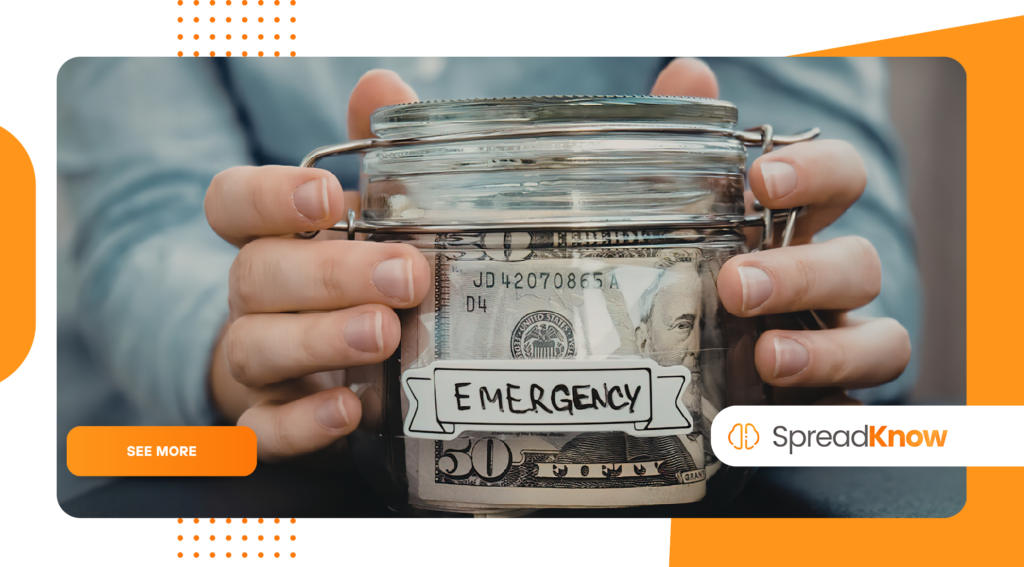
Wie Notfallersparnisse die Entscheidungsfindung verbessern
Stress verändert die Art und Weise, wie Menschen Informationen verarbeiten, und begünstigt in Momenten finanziellen Drucks oft kurzfristiges Denken und impulsive Entscheidungen.
Wenn eine Krise eintritt, ohne dass Ersparnisse vorhanden sind, nehmen Einzelpersonen möglicherweise ungünstige Kredite auf, verkaufen wertvolle Vermögenswerte schnell oder treffen Entscheidungen, die zukünftige Komplikationen verursachen.
Ein Notfallfonds verschafft Zeit, und Zeit ist eine der wertvollsten Ressourcen, wenn es darum geht, unter schwierigen Umständen finanzielle Alternativen zu bewerten.
Dank der verfügbaren Ersparnisse können die Menschen die verschiedenen Optionen sorgfältig vergleichen, anstatt sofort auf die erstbeste Lösung zu reagieren.
Die nachstehende Tabelle veranschaulicht, wie finanzielle Reserven gängige Reaktionen in Notfällen beeinflussen.
| Situation | Ohne Notfallfonds | Mit Notfallfonds |
|---|---|---|
| Medizinische Kosten | Abhängigkeit von Schulden | Zahlungsflexibilität |
| Arbeitsplatzverlust | Sofortige Panik | Strukturierter Übergang |
| Autoreparatur | Verzögerte Mobilität | Schnelle Lösung |
| Hausreparaturen | Zunehmender Schaden | Schnelleres Handeln |
Bessere Entscheidungen führen häufig zu langfristigen finanziellen Vorteilen, die den direkten Geldwert des Notfallfonds übersteigen.
++ Wie das Finanzverhalten den langfristigen Vermögensaufbau stärker prägt als das Einkommen.
Der Zusammenhang zwischen Sparen und psychischer Gesundheit
Finanzielle Stabilität und psychische Gesundheit stehen in engem Zusammenhang, da Unsicherheit oft zu anhaltender emotionaler Belastung führt, die sich mit der Zeit aufstaut.
Menschen, die ständiger finanzieller Unsicherheit ausgesetzt sind, können ein erhöhtes Stressniveau erleben, selbst wenn kein unmittelbarer Notfall vorliegt.
Studien und Bildungsressourcen aus dem Amerikanische Psychologische Vereinigung haben wiederholt Zusammenhänge zwischen finanziellem Druck und psychischem Wohlbefinden untersucht.
Notfallersparnisse helfen, antizipatorische Ängste zu reduzieren, also die Furcht vor potenziellen zukünftigen Problemen und nicht vor aktuellen finanziellen Schwierigkeiten.
Das Wissen, dass für unerwartete Situationen Ressourcen zur Verfügung stehen, kann die mentale Erschöpfung verringern und die emotionale Intensität alltäglicher finanzieller Sorgen reduzieren.
Die psychologische Entlastung durch Notfallfonds tritt oft allmählich ein und macht sich durch gesteigertes Selbstvertrauen und größere innere Ruhe bemerkbar.
++ Die Rolle der Kunst in politischen Widerstandsbewegungen
Beispiele für emotionale Resilienz aus dem realen Leben
Während der weltweiten Verwerfungen durch die COVID-19-Pandemie erlebten viele Haushalte abrupte Einkommensausfälle und beispiellose finanzielle Unsicherheit.
Personen, die über Notfallrücklagen verfügten, berichteten häufig, dass sie zwar besorgt seien, aber dennoch in der Lage, ihre unmittelbaren Verpflichtungen zu erfüllen und gleichzeitig längerfristige Anpassungen abzuwägen.
Ihre finanziellen Reserven beseitigten zwar nicht alle Herausforderungen, schufen aber einen gewissen Spielraum, der die Notwendigkeit verzweifelter Maßnahmen verringerte.
Im Gegensatz dazu standen Haushalte ohne Ersparnisse häufig vor dringenden Entscheidungen im Zusammenhang mit Schuldenanhäufung, Wohnungsfragen und grundlegenden Lebenshaltungskosten.
Diese Erfahrungen haben gezeigt, dass Notfallfonds emotionale Widerstandsfähigkeit bieten, indem sie rationales Denken in Zeiten starker Instabilität unterstützen.
Der Unterschied wurde oft nicht nur in Dollar gemessen, sondern auch in Selbstvertrauen, Würde und der Fähigkeit, die richtige Perspektive zu bewahren.
Einen Notfallfonds aufbauen, ohne sich überfordert zu fühlen
Viele Menschen schieben das Sparen auf, weil die empfohlenen Sparziele als ein einziges großes Ziel abschreckend wirken.
Der effektivste Ansatz besteht in der Regel darin, den Prozess in kleinere, erreichbare und nachhaltige Meilensteine zu unterteilen.
Ein erstes Sparziel, das die wichtigsten Ausgaben für einen Monat abdeckt, kann einen sinnvollen Schutz bieten und gleichzeitig positive finanzielle Gewohnheiten etablieren.
Automatisierte Überweisungen tragen dazu bei, emotionale Reibungspunkte zu beseitigen, da das Sparen zu einem kontinuierlichen Prozess und nicht zu einer wiederkehrenden Entscheidung wird.
Durch Disziplin und Beständigkeit, nicht durch dramatische Opfer, können mit der Zeit durch kleine, angesammelte Beiträge oft beträchtliche Reserven entstehen.
Fortschritt ist wichtiger als Perfektion, und jede Erhöhung der Notfallrücklagen stärkt sowohl die finanzielle als auch die emotionale Widerstandsfähigkeit.
Notfallfonds als emotionale Vermögenswerte neu definieren
In der traditionellen Finanzbildung werden Notfallfonds oft als praktische Instrumente beschrieben, die dazu dienen, unerwartete Ausgaben und Einkommensausfälle abzudecken.
Diese Beschreibung ist zwar zutreffend, unterschätzt aber den umfassenderen Wert, den diese Reserven für den Alltag haben.
Notfallrücklagen fungieren als emotionale Ressourcen, weil sie dazu beitragen, das Vertrauen zu schützen, Ängste abzubauen und in unsicheren Zeiten ein besseres Urteilsvermögen zu fördern.
Sie fördern zudem ein stärkeres Gefühl der Unabhängigkeit, indem sie die Abhängigkeit von externer Hilfe in schwierigen Zeiten verringern.
Menschen, die Notfallreserven unterhalten, beschreiben oft ein Gefühl der Ruhe, selbst wenn sie das Geld über längere Zeiträume nicht benötigen.
Der größte Nutzen liegt vielleicht nicht im Geld selbst, sondern in der emotionalen Freiheit, die sich aus dem Wissen ergibt, dass Unterstützung bereits verfügbar ist.
Abschluss
Notfallfonds werden häufig als Finanzinstrumente betrachtet, ihr bedeutendster Beitrag zeigt sich jedoch oft in emotionaler und psychologischer Hinsicht.
Sie bieten Sicherheit in Zeiten der Unsicherheit und helfen Einzelpersonen, bei auftretenden Herausforderungen überlegt statt impulsiv zu reagieren.
Durch die Reduzierung von Stress und die Erhöhung der Flexibilität stärken Notfallrücklagen sowohl die finanzielle Stabilität als auch das persönliche Wohlbefinden in unterschiedlichen Lebenslagen.
Die Betrachtung von Notfallfonds als emotionalen Schutz fördert ein tieferes Verständnis dafür, warum diese Gewohnheit für die langfristige Widerstandsfähigkeit unerlässlich ist.
Häufig gestellte Fragen
1. Was macht Notfallfonds zu einem emotionalen Schutz und nicht nur zu Ersparnissen?
Notfallfonds reduzieren Ängste, stärken das Selbstvertrauen und bieten psychologische Sicherheit bei unerwarteten finanziellen Herausforderungen.
2. Wie hoch sollte ein Notfallfonds sein?
Viele Experten empfehlen, drei bis sechs Monate an notwendigen Ausgaben zurückzubehalten, wobei individuelle Umstände andere Zielvorgaben erfordern können.
3. Kann ein kleiner Notfallfonds dennoch emotionale Vorteile bieten?
Ja, selbst bescheidene Ersparnisse können Stress reduzieren und die Entscheidungsfindung bei kleineren finanziellen Schwierigkeiten verbessern.
4. Warum verbessern Notfallfonds finanzielle Entscheidungen?
Sie schaffen Zeit und Flexibilität, sodass die Menschen Optionen sorgfältig abwägen können, anstatt unter Druck zu reagieren.
5. Sind Notfallfonds auch für Haushalte mit höherem Einkommen wichtig?
Ja, emotionale Sicherheit hängt eher von Vorsorge als vom Einkommen allein ab, weshalb Notfallrücklagen in allen Einkommensklassen wertvoll sind.
