
Die kulturellen Auswirkungen der Massenmigration im 21. Jahrhundert
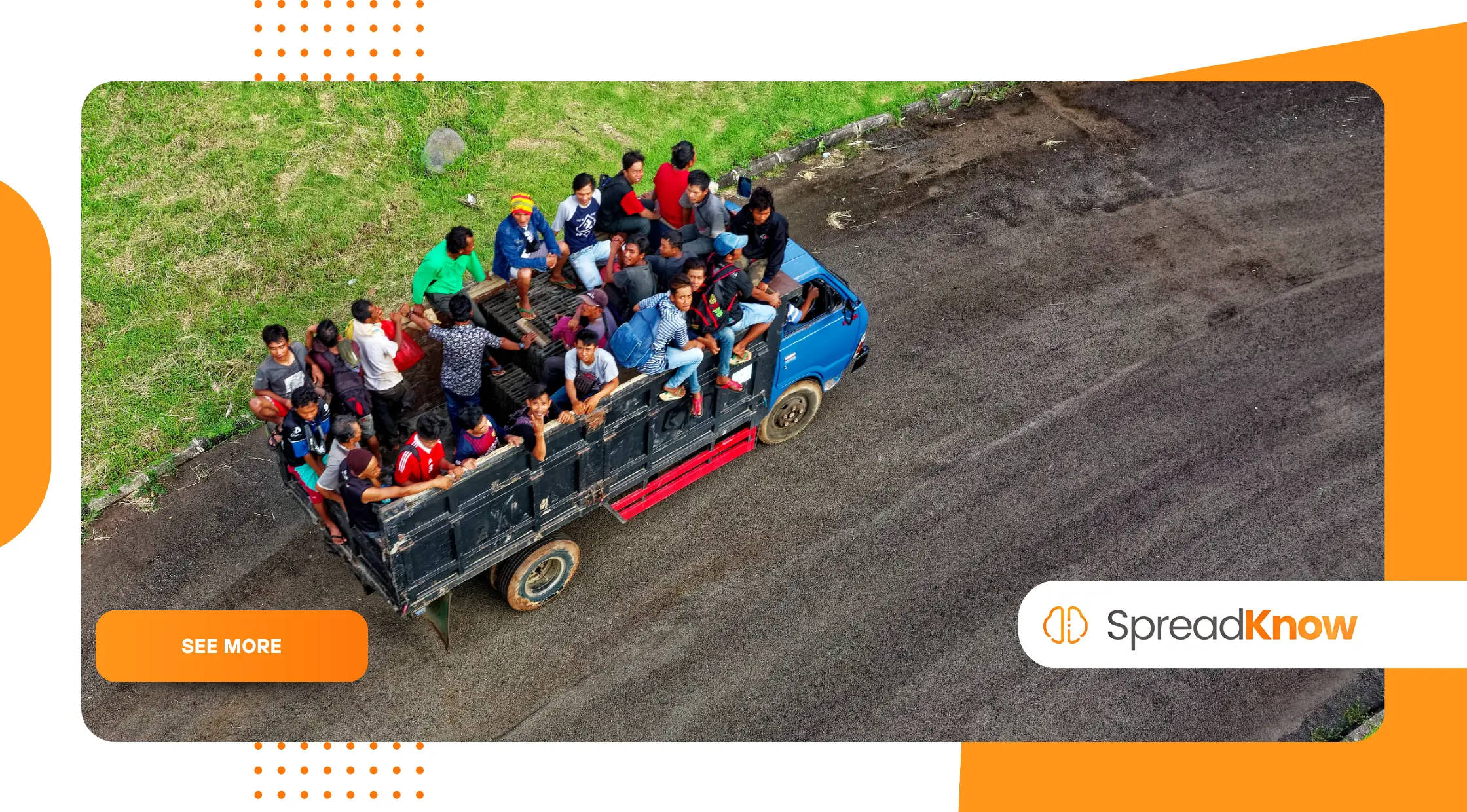
Die Massenmigration im 21. Jahrhundert hat Gesellschaften auf allen Kontinenten umgestaltet und Identitäten, Wirtschaft und kulturelle Ausdrucksformen auf eine Weise beeinflusst, die neu definiert, wie Gemeinschaften in einer zunehmend vernetzten Welt interagieren, sich weiterentwickeln und Zugehörigkeit wahrnehmen.
Anzeigen
Aufgrund von Konflikten, wirtschaftlichen Ungleichheiten, Klimadruck und technologischer Vernetzung haben sich die globalen Migrationsströme beschleunigt und komplexe kulturelle Überschneidungen geschaffen, die traditionelle Vorstellungen von Nationalität, Herkunft und kollektivem Gedächtnis in Frage stellen.
Bei diesen Bewegungen handelt es sich nicht bloß um demografische Verschiebungen, sondern um zutiefst menschliche Geschichten, in denen Individuen Sprachen, Traditionen und Bestrebungen mitbringen, die die Aufnahmegesellschaften verändern und gleichzeitig ihre eigene Identität in ungewohnten Umgebungen neu gestalten.
Die Städte haben sich zu dynamischen Kulturlaboren entwickelt, in denen Vielfalt sowohl gefeiert als auch in Frage gestellt wird, wodurch Spannungen zwischen Integration und Bewahrung sichtbar werden, die breitere politische und soziale Debatten widerspiegeln.
Gleichzeitig ermöglicht die digitale Kommunikation Migranten, enge Verbindungen zu ihren Herkunftsländern aufrechtzuerhalten, wodurch hybride Identitäten entstehen, die gleichzeitig in verschiedenen kulturellen und geografischen Räumen existieren.
Anzeigen
Um diese Transformationen zu verstehen, bedarf es einer Untersuchung nicht nur der sichtbaren kulturellen Veränderungen, sondern auch der subtilen Verschiebungen von Werten, Normen und Alltagspraktiken, die moderne Gesellschaften neu definieren.
Kultureller Austausch und hybride Identitäten
Die Massenmigration hat den kulturellen Austausch intensiviert und zur Entstehung hybrider Identitäten geführt, die Traditionen, Sprachen und Werte verschiedener Herkunft zu neuen, sich entwickelnden Formen des kulturellen Ausdrucks verschmelzen.
In Städten wie London und Toronto bewegen sich Einwanderer der zweiten Generation oft zwischen überlieferten Traditionen und zeitgenössischen urbanen Kulturen und schaffen so Identitäten, die starre Definitionen von Ethnizität und Nationalität in Frage stellen.
Essen, Musik und Mode dienen als leicht zugängliche Einstiegspunkte für die kulturelle Verschmelzung, bei der Einflüsse aus verschiedenen Regionen zusammenwirken, um global erkennbare und dennoch lokal unverwechselbare Ausdrucksformen der Identität zu schaffen.
Dieser Verschmelzungsprozess verläuft nicht immer reibungslos, da Individuen oft innere Konflikte erleben, wenn sie die Erwartungen ihrer Herkunft mit dem Druck, sich in die vorherrschenden kulturellen Normen zu integrieren, in Einklang bringen müssen.
Dennoch sind hybride Identitäten zu einem prägenden Merkmal moderner Gesellschaften geworden und spiegeln Widerstandsfähigkeit und Anpassungsfähigkeit angesichts von Vertreibung und kulturellem Wandel wider.
Diese Identitäten tragen auch zu einer breiteren gesellschaftlichen Innovation bei, da unterschiedliche Perspektiven Kreativität, Unternehmertum und neue Formen der sozialen Organisation fördern.
++ Warum Kunsterziehung in einer automatisierten Welt unerlässlich ist
Sprachentwicklung und mehrsprachige Gesellschaften
Sprache ist eines der unmittelbarsten Merkmale von Migration, wobei Mehrsprachigkeit in urbanen Zentren mit vielfältiger Bevölkerung immer häufiger anzutreffen ist.
In Städten wie Berlin und New York hallen die öffentlichen Räume von einer Vielzahl von Sprachen wider, was sowohl die Präsenz von Migrantengemeinschaften als auch die allmähliche Integration der sprachlichen Vielfalt in den Alltag widerspiegelt.
Die Bildungssysteme haben sich angepasst, indem sie zweisprachige Programme eingeführt haben, in der Erkenntnis, dass sprachliche Vielfalt die kognitive Entwicklung und die globale Wettbewerbsfähigkeit jüngerer Generationen fördern kann.
Die kulturelle Bedeutung der Sprache reicht über die Kommunikation hinaus; sie dient Migrantengemeinschaften, die sich in neuen Umgebungen zurechtfinden müssen, als Träger von Identität, Geschichte und kollektivem Gedächtnis.
Laut einer Studie von UNESCODie Erhaltung der sprachlichen Vielfalt ist unerlässlich für den Erhalt des kulturellen Erbes und die Förderung inklusiver Gesellschaften, die die Identität von Minderheiten respektieren.
Allerdings können Sprachbarrieren auch soziale Spaltungen hervorrufen und den Zugang zu Beschäftigung und Dienstleistungen einschränken, was die Notwendigkeit von Maßnahmen unterstreicht, die sowohl die Integration als auch den Erhalt der Kultur fördern.
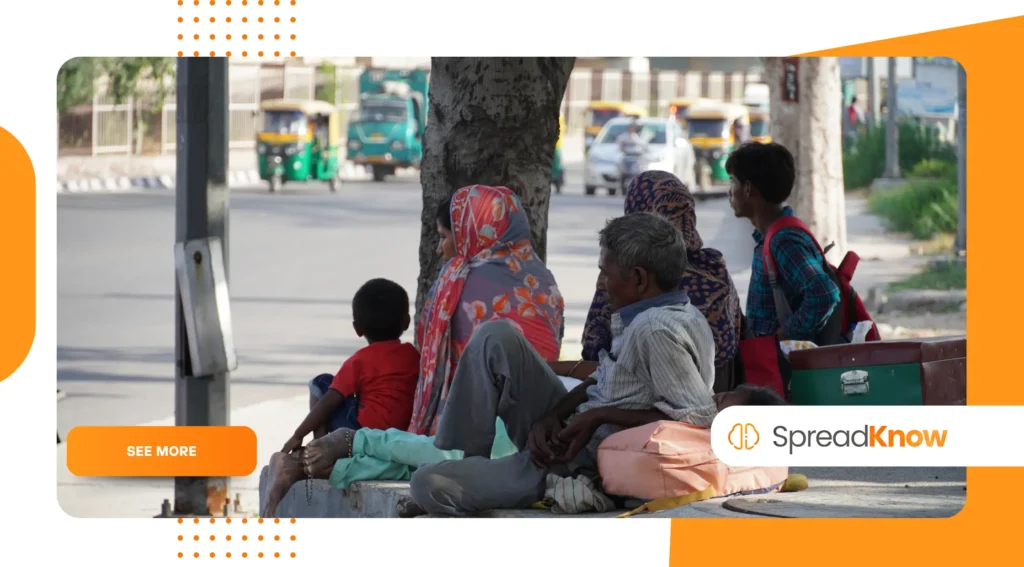
Stadtentwicklung und Kulturlandschaften
Die Massenmigration hat das Stadtbild grundlegend verändert und ganze Viertel in lebendige kulturelle Enklaven verwandelt, die die Vielfalt ihrer Bewohner widerspiegeln.
Stadtteile wie Chinatown in San Francisco oder Little Somalia in Minneapolis veranschaulichen, wie Migrantengemeinschaften Räume schaffen, die kulturelle Praktiken bewahren und gleichzeitig einen Beitrag zum breiteren städtischen Gefüge leisten.
Diese Gebiete entwickeln sich oft zu Wirtschaftszentren, in denen kleine Unternehmen sowohl die lokale Bevölkerung als auch die breitere Öffentlichkeit bedienen, Arbeitsplätze schaffen und den interkulturellen Austausch fördern.
Bei der Stadtplanung wird zunehmend die kulturelle Vielfalt berücksichtigt, wobei Städte integrative öffentliche Räume gestalten, die unterschiedlichen sozialen Praktiken, religiösen Bedürfnissen und gemeinschaftlichen Zusammenkünften gerecht werden.
Forschung aus der Weltbank hebt hervor, wie Migration zum städtischen Wachstum, zur Innovation und zur wirtschaftlichen Widerstandsfähigkeit in schnell wachsenden Metropolregionen beiträgt.
Gleichzeitig können rasche demografische Veränderungen zu Gentrifizierung und Verdrängung führen, was Fragen nach Gerechtigkeit und dem Erhalt des kulturellen Erbes in sich wandelnden Städten aufwirft.
++ Die globale Lieferkette nach 2020: Lehren aus der Vergangenheit
Soziale Integration und kulturelle Spannungen
Die Integration von Migranten in die Aufnahmegesellschaften beinhaltet oft den Umgang mit komplexen kulturellen Spannungen, die sich aus Unterschieden in Werten, Traditionen und sozialen Normen ergeben.
In Ländern wie Deutschland und Schweden haben Flüchtlingsansiedlungsprogramme Debatten über Multikulturalismus, nationale Identität und die Verantwortung der Aufnahmegesellschaften gegenüber Neuankömmlingen ausgelöst.
Eine erfolgreiche Integration hängt von inklusiven Strategien, dem Zugang zu Bildung und Möglichkeiten zur sinnvollen Teilhabe am sozialen und wirtschaftlichen Leben ab.
Allerdings können kulturelle Missverständnisse und wirtschaftlicher Wettbewerb Fremdenfeindlichkeit und soziale Fragmentierung befeuern und so die potenziellen Vorteile der Migration untergraben.
Gemeinschaftsinitiativen, die den Dialog und den interkulturellen Austausch fördern, haben sich als wirksam erwiesen, um Spannungen abzubauen und das gegenseitige Verständnis zwischen verschiedenen Gruppen zu stärken.
Diese Bemühungen zeigen, dass Integration kein einseitiger Prozess ist, sondern eine dynamische Interaktion, die eine Anpassung sowohl von den Migranten als auch von den Aufnahmegemeinden erfordert.
++ Wie die Inflation still und leise die alltäglichen Ausgaben verändert
Kulturelle Beiträge zu Kunst und Medien
Migranten haben Kunst und Medien maßgeblich beeinflusst und neue Perspektiven und Erzählungen eingeführt, die die kulturelle Produktion in verschiedenen Ausdrucksformen bereichern.
Filmemacher, Schriftsteller und Musiker mit Migrationshintergrund beschäftigen sich häufig mit Themen wie Identität, Vertreibung und Zugehörigkeit und bieten so differenzierte Einblicke in die Erfahrungen von Migranten.
So spiegeln sich beispielsweise in der zeitgenössischen Literatur häufig Stimmen der Diaspora wider, die die Komplexität der Navigation durch mehrere kulturelle Realitäten einfangen.
Musikgenres wie Hip-Hop und Reggaeton haben ihre Wurzeln in Migrantengemeinschaften und veranschaulichen, wie kulturelle Verschmelzung zu global einflussreichen künstlerischen Bewegungen führen kann.
Die mediale Darstellung spielt eine entscheidende Rolle bei der Gestaltung der öffentlichen Wahrnehmung von Migration, indem sie entweder Stereotypen verstärkt oder durch authentisches Storytelling Empathie fördert.
Mit zunehmender Sichtbarkeit der Stimmen von Migranten stellen diese die vorherrschenden Narrative in Frage und tragen zu einem inklusiveren kulturellen Diskurs bei.
Ökonomischer Einfluss und kultureller Konsum
Migration hat die Muster des kulturellen Konsums verändert und beeinflusst die Märkte für Lebensmittel, Unterhaltung und Lifestyle-Produkte weltweit.
Die Metropolen der Welt bieten heute vielfältige kulinarische Erlebnisse, die den Geschmack und die Traditionen der Migrantengemeinschaften widerspiegeln und gleichzeitig ein breiteres Publikum ansprechen.
Die nachstehende Tabelle veranschaulicht wichtige Bereiche, in denen Migration den kulturellen Konsum beeinflusst hat:
| Sektor | Einfluss der Migration | Beispiel Auswirkung |
|---|---|---|
| Lebensmittelindustrie | Einführung neuer Küchen | Aufstieg der Fusionsrestaurants |
| Unterhaltung | Vielfältige Erzählweisen und Besetzung | Vielfalt der globalen Streaming-Inhalte |
| Mode | Inspiration für interkulturelles Design | Internationale Modekooperationen |
| Medien | Mehrsprachige Contentproduktion | Wachstum des globalen Publikums |
Diese Veränderungen verdeutlichen, wie kulturelle Vielfalt Innovationen vorantreibt und die Konsummärkte erweitert, wovon sowohl Migranten als auch Aufnahmegesellschaften profitieren.
Gleichzeitig wirft die Kommerzialisierung kultureller Elemente Bedenken hinsichtlich kultureller Aneignung und des Verlusts von Authentizität auf.
Die Balance zwischen wirtschaftlichen Chancen und kulturellem Respekt zu wahren, bleibt in zunehmend globalisierten Gesellschaften eine ständige Herausforderung.
Digitale Vernetzung und transnationale Kultur
Die Digitalisierung hat die Erfahrungen von Migranten grundlegend verändert und ermöglicht es ihnen, die Verbindung zu ihren Heimatländern aufrechtzuerhalten und sich gleichzeitig in neue kulturelle Umgebungen zu integrieren.
Soziale Medien ermöglichen es Migranten, Erfahrungen auszutauschen, Traditionen zu bewahren und transnationale Gemeinschaften aufzubauen, die geografische Grenzen überschreiten.
Durch diese Vernetzung entsteht eine Form kultureller Gleichzeitigkeit, bei der Individuen gleichzeitig an mehreren kulturellen Kontexten teilnehmen.
Diaspora-Gemeinschaften nutzen häufig digitale Werkzeuge, um Veranstaltungen zu organisieren, Unterstützungsnetzwerke aufzubauen und kulturelle Initiativen zu fördern, die die kollektive Identität stärken.
Gleichzeitig können digitale Räume kulturelle Konflikte verstärken, da in globalen Gesprächen unterschiedliche Perspektiven aufeinanderprallen.
Letztlich hat die Technologie die Bedeutung von Zugehörigkeit neu definiert und fließende Identitäten geschaffen, die die Komplexität der modernen Migration widerspiegeln.
Abschluss
Die Massenmigration prägt die Kulturlandschaften weiterhin auf tiefgreifende Weise und definiert Identitäten, soziale Strukturen und die Art und Weise, wie Individuen in zunehmend vielfältigen Gesellschaften interagieren, neu.
Diese Transformationen verdeutlichen sowohl die Chancen als auch die Herausforderungen, die mit kultureller Vielfalt einhergehen, und erfordern durchdachte Ansätze für Integration und Inklusion.
Durch die Förderung des kulturellen Austauschs bei gleichzeitiger Auseinandersetzung mit sozialen Spannungen können Gesellschaften die Vorteile der Migration nutzen, um Innovation und Widerstandsfähigkeit zu stärken.
Die Zukunft der globalen Kultur wird wahrscheinlich von diesen andauernden Interaktionen geprägt sein, da Migration eine zentrale Kraft bei der Gestaltung menschlicher Erfahrungen bleibt.
Häufig gestellte Fragen
1. Was treibt die Massenmigration im 21. Jahrhundert an?
Die Massenmigration wird durch wirtschaftliche Ungleichheit, Konflikte, Umweltveränderungen und die Globalisierung angetrieben, die gemeinsam dazu führen, dass Menschen jenseits von Grenzen nach besseren Chancen und Sicherheit suchen.
2. Wie wirkt sich Migration auf die kulturelle Identität aus?
Migration verändert die Identität durch die Verschmelzung von Traditionen und Erfahrungen und schafft so hybride kulturelle Ausdrucksformen, die sowohl Herkunfts- als auch Ziellandeinflüsse in der sich entwickelnden persönlichen und kollektiven Identität widerspiegeln.
3. Welchen Herausforderungen stehen Migrantengemeinschaften gegenüber?
Migrantengemeinschaften stoßen häufig auf Sprachbarrieren, Diskriminierung und wirtschaftliche Schwierigkeiten, was die Integration behindern und den Zugang zu grundlegenden Dienstleistungen und Chancen einschränken kann.
4. Wie beeinflusst Migration Städte?
Migration verändert Städte, indem sie kulturelle Vielfalt einbringt, das Wirtschaftswachstum ankurbelt und urbane Räume in dynamische Umgebungen umgestaltet, die die globale Vernetzung widerspiegeln.
5. Warum ist kulturelle Vielfalt wichtig?
Kulturelle Vielfalt fördert Kreativität, Innovation und gegenseitiges Verständnis und trägt so zu widerstandsfähigeren und inklusiveren Gesellschaften bei, die in der Lage sind, sich an globale Herausforderungen anzupassen.
