
Wie soziale Plattformen die öffentliche Meinung prägen
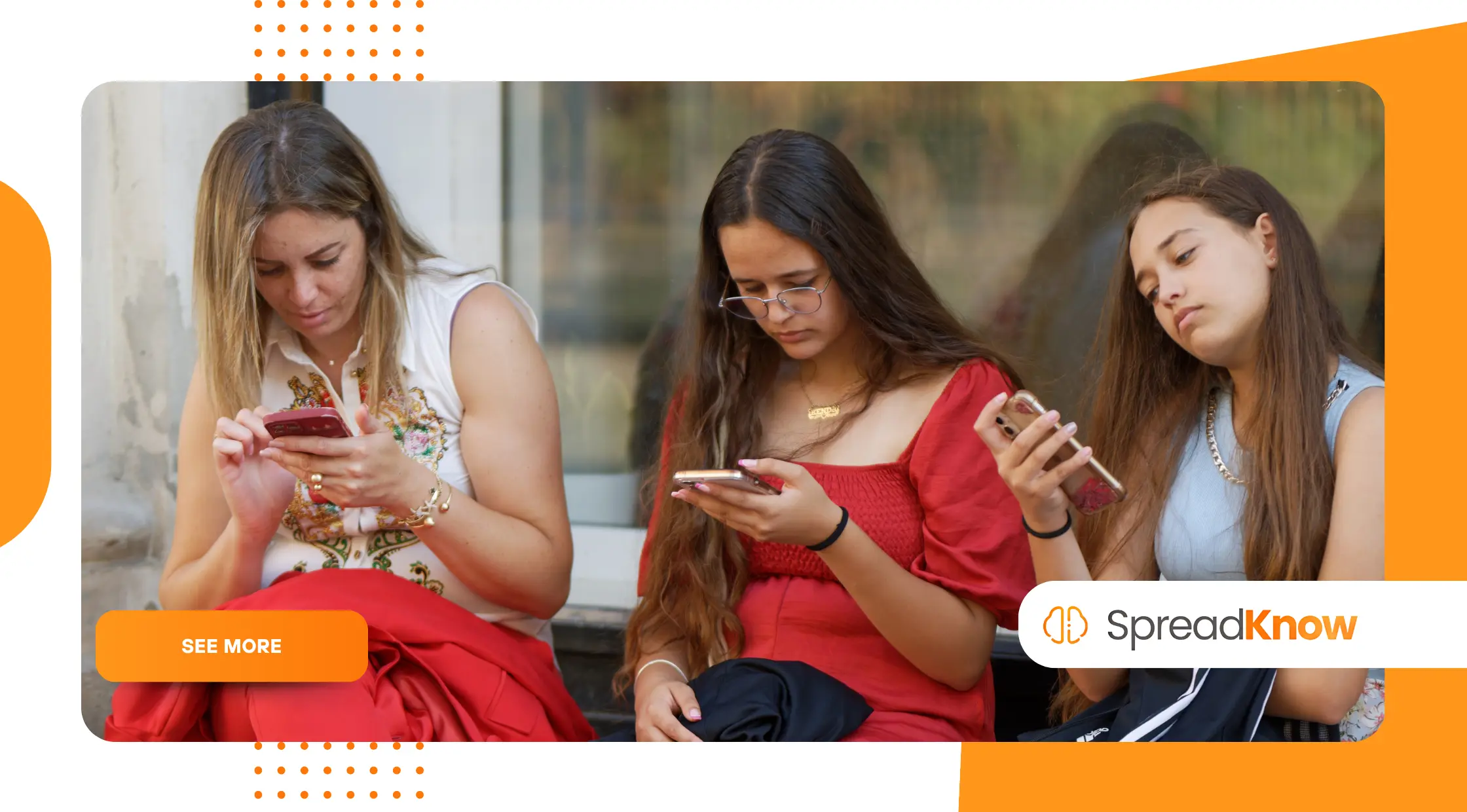
Soziale Plattformen prägen die öffentliche Meinung und sind zu einer der bestimmenden Kräfte in modernen Demokratien geworden. Sie beeinflussen, wie Einzelpersonen die Realität wahrnehmen, Ereignisse interpretieren und Überzeugungen in politischen, kulturellen und wirtschaftlichen Dimensionen bilden.
Anzeigen
Die rasante Expansion digitaler Netzwerke hat die Kommunikationsflüsse grundlegend verändert. Informationen können sich in Echtzeit verbreiten, gleichzeitig entstehen Umgebungen, in denen Narrative aggressiv um Aufmerksamkeit konkurrieren, oft ohne traditionelle redaktionelle Filter oder Verifizierungsprozesse.
Diese Plattformen verbreiten Inhalte nicht einfach nur, sondern kuratieren sie aktiv mithilfe komplexer Algorithmen und bestimmen so, was die Nutzer sehen, womit sie interagieren und was sie letztendlich in ihre Weltanschauung und ihre täglichen Entscheidungen einfließen lassen.
Da Milliarden von Nutzern in sozialen Ökosystemen interagieren, können subtile Veränderungen im Tonfall, in der Wiederholung und in der Sichtbarkeit die kollektive Wahrnehmung erheblich verändern und Debatten, Wahlen und sogar die Reaktionen im Bereich der öffentlichen Gesundheit messbar beeinflussen.
Das Verständnis der Funktionsweise dieser Systeme ist unerlässlich, um die Mechanismen hinter viralen Trends, Fehlinformationszyklen und der Verstärkung bestimmter Standpunkte gegenüber anderen im digitalen Raum zu erkennen.
Anzeigen
Dieser Artikel untersucht die strukturellen, psychologischen und politischen Dynamiken, die erklären, wie soziale Plattformen die öffentliche Meinung beeinflussen, und offenbart sowohl ihre transformative Kraft als auch ihre inhärenten Risiken.
Die Architektur des Einflusses
Soziale Plattformen basieren auf algorithmischen Systemen, die auf die Priorisierung von Interaktionen ausgelegt sind. Das bedeutet, dass Inhalte, die Reaktionen hervorrufen, mit größerer Wahrscheinlichkeit verstärkt werden, unabhängig von ihrer faktischen Richtigkeit oder ihren gesellschaftlichen Auswirkungen.
Diese Systeme nutzen Nutzerdaten wie Klicks, Shares und Wiedergabezeiten, um die Inhalte in den individuellen Feeds zu verfeinern und so hochgradig personalisierte Informationsumgebungen zu schaffen, die sich von Nutzer zu Nutzer deutlich unterscheiden.
Im Gegensatz zu traditionellen Medien, bei denen redaktionelle Entscheidungen eine zentrale Rolle spielen, automatisieren digitale Plattformen die Vertriebsentscheidungen und bevorzugen dabei oft emotional aufgeladene oder polarisierende Inhalte, die die Nutzer länger aktiv halten.
Diese Architektur erzeugt Rückkopplungsschleifen, in denen populäre Narrative an Sichtbarkeit gewinnen, einfach weil sie Aufmerksamkeit erregen, nicht unbedingt weil sie zutreffend sind oder breitere gesellschaftliche Perspektiven repräsentieren.
Die Folge ist eine fragmentierte Informationslandschaft, in der Individuen unterschiedliche Realitäten erleben, was die Konsensfindung erschwert und die Wahrscheinlichkeit von Missverständnissen zwischen Gruppen mit gegensätzlichen Standpunkten erhöht.
Im Laufe der Zeit tragen diese strukturellen Dynamiken zur Normalisierung bestimmter Ideen bei, während andere marginalisiert werden. Dadurch wird der öffentliche Diskurs auf eine Weise geprägt, die für den Durchschnittsnutzer oft unsichtbar ist.
++ Warum Erwachsene mehr Spiel brauchen als Kinder
Algorithmische Verstärkung und Verzerrung
Algorithmen sind keine neutralen Werkzeuge, da sie die Prioritäten ihrer Schöpfer und die Daten, mit denen sie trainiert werden, widerspiegeln, was unbeabsichtigt bestehende Vorurteile in der Gesellschaft verstärken kann.
Wenn Interaktion zum primären Messkriterium wird, erzielen Inhalte, die Empörung, Angst oder Begeisterung hervorrufen, tendenziell bessere Ergebnisse als ausgewogene Berichterstattung, was zu einer unverhältnismäßigen Sichtbarkeit extremer oder kontroverser Standpunkte führt.
Forschungsergebnisse von Institutionen wie Pew-Forschungszentrum hebt hervor, wie algorithmische Kuration das politische Bewusstsein und die Polarisierung beeinflusst, insbesondere bei Nutzern, die sich stark auf soziale Medien zum Nachrichtenkonsum verlassen.
Dieser Verstärkungseffekt kann die Wahrnehmung der Mehrheitsmeinung verzerren, sodass Randmeinungen verbreiteter erscheinen, als sie tatsächlich sind, was wiederum Einfluss darauf hat, wie Einzelpersonen soziale Normen beurteilen.
Nutzer neigen dazu, ihre Ansichten an dem auszurichten, was sie als dominante Narrative wahrnehmen, selbst wenn diese Narrative künstlich durch algorithmische Mechanismen und nicht durch einen echten öffentlichen Konsens aufgewertet werden.
Das kumulative Ergebnis ist eine subtile, aber wirkungsvolle Umgestaltung der öffentlichen Meinung, die nicht allein auf gezielter Überredung beruht, sondern auf systemischen Mustern, die im Plattformdesign verankert sind.
Die Psychologie des Engagements
Die menschliche Psychologie spielt eine entscheidende Rolle dabei, wie soziale Plattformen Meinungen prägen, da sich Nutzer naturgemäß zu Inhalten hingezogen fühlen, die ihre Überzeugungen bestätigen oder emotionale Reaktionen auslösen.
Kognitive Verzerrungen wie der Bestätigungsfehler und die Verfügbarkeitsheuristik beeinflussen, wie Individuen Informationen interpretieren, und führen dazu, dass sie eher Inhalten vertrauen, die mit ihren bestehenden Ansichten übereinstimmen.
Plattformen nutzen diese Tendenzen aus, indem sie Inhalte fördern, mit denen sich die Nutzer eher auseinandersetzen, wodurch persönliche Überzeugungen bestärkt und gleichzeitig die Konfrontation mit alternativen Standpunkten oder widersprüchlichen Beweisen reduziert wird.
Dieser Prozess erzeugt Echokammern, in denen die Nutzer vorwiegend mit Gleichgesinnten interagieren, wodurch die Gruppenidentität gestärkt und die Möglichkeiten für einen konstruktiven Dialog über ideologische Gräben hinweg verringert werden.
Die wiederholte Auseinandersetzung mit ähnlichen Sichtweisen kann mit der Zeit zu einem gesteigerten Vertrauen in die eigenen Überzeugungen führen, selbst wenn diese Überzeugungen auf unvollständigen oder irreführenden Informationen beruhen.
Die psychologische Verstärkung dieser Muster trägt wesentlich zur Entstehung und zum Fortbestehen polarisierter öffentlicher Meinungen in digitalen Umgebungen bei.
++ Wie soziale Medien die moderne Politik prägen
Virale Inhalte und Informationskaskaden
Virale Inhalte fungieren als Schlüsselmechanismus, durch den soziale Plattformen die öffentliche Meinung beeinflussen und Ideen schnell und mit minimalem Aufwand oder ohne Überprüfung in Netzwerken verbreiten.
Informationskaskaden entstehen, wenn Individuen Überzeugungen oder Verhaltensweisen übernehmen, die auf dem basieren, was andere scheinbar tun, anstatt sich ausschließlich auf ihr eigenes Wissen oder ihre kritische Beurteilung zu stützen.
Ein einzelner Beitrag kann weitreichende Reaktionen auslösen und eine Dynamik erzeugen, die bestimmte Narrative innerhalb weniger Stunden in das Bewusstsein der breiten Öffentlichkeit rückt, unabhängig von ihrer Richtigkeit oder ihrem Ursprung.
Beispielsweise haben irreführende Beiträge während globaler Krisen gelegentlich die offizielle Kommunikation übertroffen und die öffentliche Meinung beeinflusst, bevor die Behörden verifizierte Informationen bereitstellen konnten.
Entsprechend WeltgesundheitsorganisationFehlinformationen während gesundheitlicher Notlagen können das Verhalten erheblich beeinflussen und verdeutlichen, wie sich digitale Viralität direkt auf reale Ergebnisse auswirkt.
Diese Kettenreaktionen veranschaulichen, wie schnell sich die öffentliche Meinung ändern kann, wenn Sichtbarkeit und Wiederholung zusammenwirken und die Illusion eines Konsenses innerhalb von Online-Communities erzeugen.
++ Social-Media-Detox: Wie Sie die Kontrolle über Ihre Online-Zeit zurückgewinnen
Fallstudien zum politischen Einfluss
Die jüngsten Wahlen in verschiedenen Ländern haben gezeigt, wie soziale Plattformen politische Ergebnisse beeinflussen können, indem sie die Wahrnehmung der Wähler prägen und bestimmte Narrative verstärken.
Gezielte Werbung ermöglicht es Kampagnen, hochgradig personalisierte Botschaften zu übermitteln und Inhalte so anzupassen, dass sie bei verschiedenen demografischen Gruppen auf der Grundlage ihrer Interessen, Verhaltensweisen und Online-Aktivitäten Anklang finden.
In einigen Fällen wurden Plattformfunktionen für koordinierte Desinformationskampagnen genutzt, um falsche Behauptungen zu verbreiten und so das Vertrauen der Öffentlichkeit in Institutionen und Wahlprozesse zu beeinträchtigen.
Die US-Wahlen von 2016 werden häufig als Wendepunkt genannt, bei dem digitale Strategien eine bedeutende Rolle bei der Gestaltung des politischen Diskurses und der Muster der Wählerbeteiligung spielten.
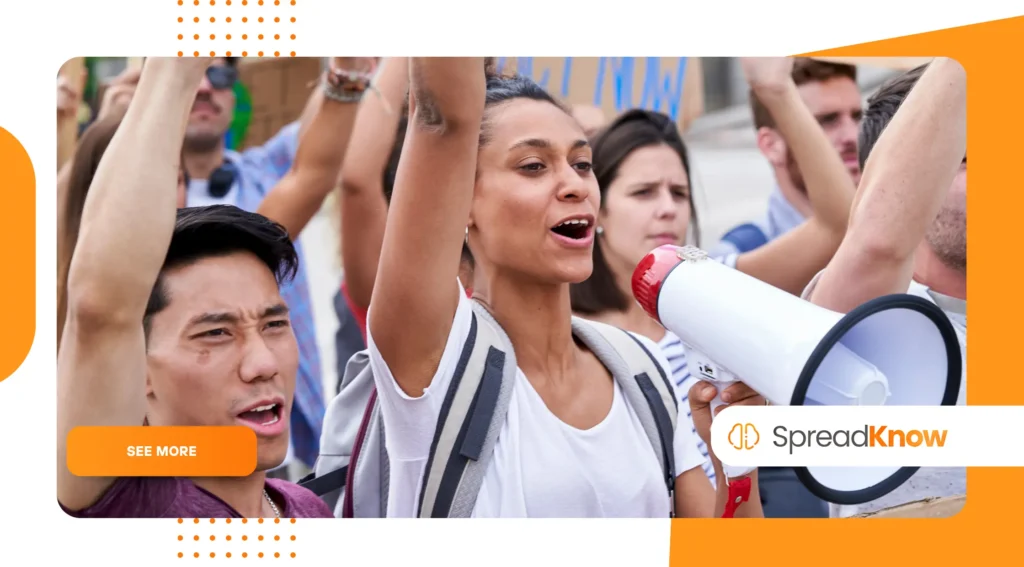
Über Wahlen hinaus haben soziale Bewegungen diese Plattformen auch genutzt, um Unterstützung zu mobilisieren, was zeigt, dass dieselben Instrumente kollektives Handeln ermöglichen und marginalisierten Stimmen mehr Gehör verschaffen können.
Diese Dualität unterstreicht die Komplexität sozialer Plattformen, die einerseits die demokratische Teilhabe stärken, andererseits aber auch Schwachstellen einführen können, die deren Integrität in Frage stellen.
Vergleich traditioneller Medien und sozialer Plattformen
Die Unterschiede zwischen traditionellen Medien und sozialen Plattformen zeigen, wie letztere die öffentliche Meinung auf einzigartige Weise durch Geschwindigkeit, Personalisierung und Interaktivität prägen.
| Besonderheit | Traditionelle Medien | Soziale Plattformen |
|---|---|---|
| Inhaltskontrolle | Redaktionelle Aufsicht | Algorithmusgesteuert |
| Verteilungsgeschwindigkeit | Langsamer, planmäßig | Sofort, in Echtzeit |
| Publikumsinteraktion | Beschränkt | Hochgradig interaktiv |
| Personalisierung | Minimal | Umfangreich |
| Überprüfung | Starke Betonung | Variable Konsistenz |
Traditionelle Medieninstitutionen befolgen in der Regel etablierte journalistische Standards, die eine Ebene der Rechenschaftspflicht und Überprüfung gewährleisten, bevor Informationen die Öffentlichkeit erreichen.
Im Gegensatz dazu priorisieren soziale Plattformen nutzergenerierte Inhalte, die es jedem ermöglichen, Informationen zu veröffentlichen. Dies erhöht zwar die Vielfalt der Meinungen, birgt aber auch Risiken im Zusammenhang mit Fehlinformationen.
Die Unmittelbarkeit sozialer Plattformen ermöglicht zwar eine schnelle Verbreitung, verringert aber auch die Zeit für die Faktenprüfung, wodurch die Wahrscheinlichkeit steigt, dass sich Ungenauigkeiten weit verbreiten.
Durch die Personalisierung werden diese Umgebungen noch stärker differenziert, da die Nutzer auf ihre Vorlieben zugeschnittene Inhalte erhalten. So entstehen individuelle Realitäten, die sich deutlich von den gemeinsamen öffentlichen Narrativen unterscheiden.
Diese Gegensätze erklären, warum soziale Plattformen zu so mächtigen Instrumenten der Meinungsbildung geworden sind, da sie Geschwindigkeit, Reichweite und Personalisierung in beispielloser Weise miteinander verbinden.
Die Zukunft der Meinungsbildung
Da sich die Technologie ständig weiterentwickelt, dürfte der Einfluss sozialer Plattformen auf die öffentliche Meinung zunehmen, insbesondere durch die Integration künstlicher Intelligenz und fortschrittlicher Datenanalyse.
Neue Technologien werden eine noch präzisere Ausrichtung von Inhalten ermöglichen, was Fragen nach Transparenz, Verantwortlichkeit und den ethischen Implikationen der Beeinflussung menschlichen Verhaltens in großem Umfang aufwirft.
Die Regulierungsbemühungen nehmen weltweit zu, da Regierungen bestrebt sind, Rahmenbedingungen zu schaffen, die Innovation mit der Notwendigkeit, demokratische Prozesse und das Vertrauen der Öffentlichkeit zu schützen, in Einklang bringen.
Gleichzeitig experimentieren die Plattformen selbst mit Moderationsrichtlinien, Initiativen zur Faktenprüfung und Algorithmusanpassungen, die darauf abzielen, die Verbreitung schädlicher Inhalte einzudämmen.
Das öffentliche Bewusstsein wächst ebenfalls, da die Nutzer sich zunehmend bewusst werden, wie ihre Informationsumgebung gestaltet ist, und beginnen, mehr Kontrolle darüber zu fordern, was sie sehen.
Die Zukunft der öffentlichen Meinung wird wahrscheinlich von einer Kombination aus technologischer Gestaltung, regulatorischer Aufsicht und individueller Medienkompetenz abhängen und darüber entscheiden, ob diese Plattformen als Instrumente der Ermächtigung oder der Manipulation dienen.
Abschluss
Soziale Plattformen haben die Art und Weise der Meinungsbildung grundlegend verändert und die Macht von zentralisierten Medieninstitutionen hin zu dezentralen, algorithmengesteuerten Ökosystemen verlagert, die mit beispielloser Geschwindigkeit und in einem noch nie dagewesenen Umfang operieren.
Ihre Fähigkeit, Inhalte zu verstärken, Erlebnisse zu personalisieren und das Verhalten zu beeinflussen, macht sie sowohl zu mächtigen Kommunikationsinstrumenten als auch zu bedeutenden Kräften, die gesellschaftliche Narrative prägen.
Sie bieten zwar Möglichkeiten für eine stärkere Beteiligung und eine größere Vielfalt an Stimmen, bringen aber auch Herausforderungen mit sich, die mit Fehlinformationen, Polarisierung und dem Verlust des gemeinsamen Verständnisses zusammenhängen.
Die Navigation durch diese komplexe Landschaft erfordert einen kritischen Ansatz seitens der Nutzer, verantwortungsvolles Design seitens der Plattformen und eine durchdachte Regulierung, um sicherzustellen, dass der digitale Einfluss mit demokratischen Werten im Einklang steht.
Häufig gestellte Fragen
1. Wie gelingt es sozialen Plattformen, die öffentliche Meinung so effektiv zu beeinflussen?
Sie verwenden Algorithmen, die ansprechende Inhalte priorisieren und so sicherstellen, dass emotional aufgeladene oder viel interagierte Beiträge Sichtbarkeit erlangen und die Wahrnehmung bei einem breiten Publikum prägen.
2. Welche Rolle spielen Algorithmen bei der Gestaltung dessen, was Benutzer sehen?
Algorithmen analysieren das Nutzerverhalten, um Inhaltsfeeds zu personalisieren, und verstärken dabei oft bestehende Überzeugungen, indem sie ähnliche Informationen wiederholt anzeigen.
3. Können soziale Plattformen zur Verbreitung von Fehlinformationen beitragen?
Ja, denn sie ermöglichen eine schnelle Verbreitung ohne strenge Überprüfung, wodurch sich Falschinformationen schnell verbreiten und das öffentliche Verständnis beeinflussen können.
4. Sind soziale Plattformen heute einflussreicher als traditionelle Medien?
In vielen Fällen ja, aufgrund ihrer Geschwindigkeit, Personalisierung und interaktiven Natur, die ein tieferes Engagement und eine größere Reichweite ermöglichen.
5. Wie können Nutzer die negativen Auswirkungen dieser Plattformen verringern?
Indem sie Informationsquellen diversifizieren, Inhalte vor dem Teilen überprüfen und sich der algorithmischen Verzerrungen bewusst sind, die ihr digitales Erlebnis prägen.
