
The Global Supply Chain After 2020: Lessons Learned
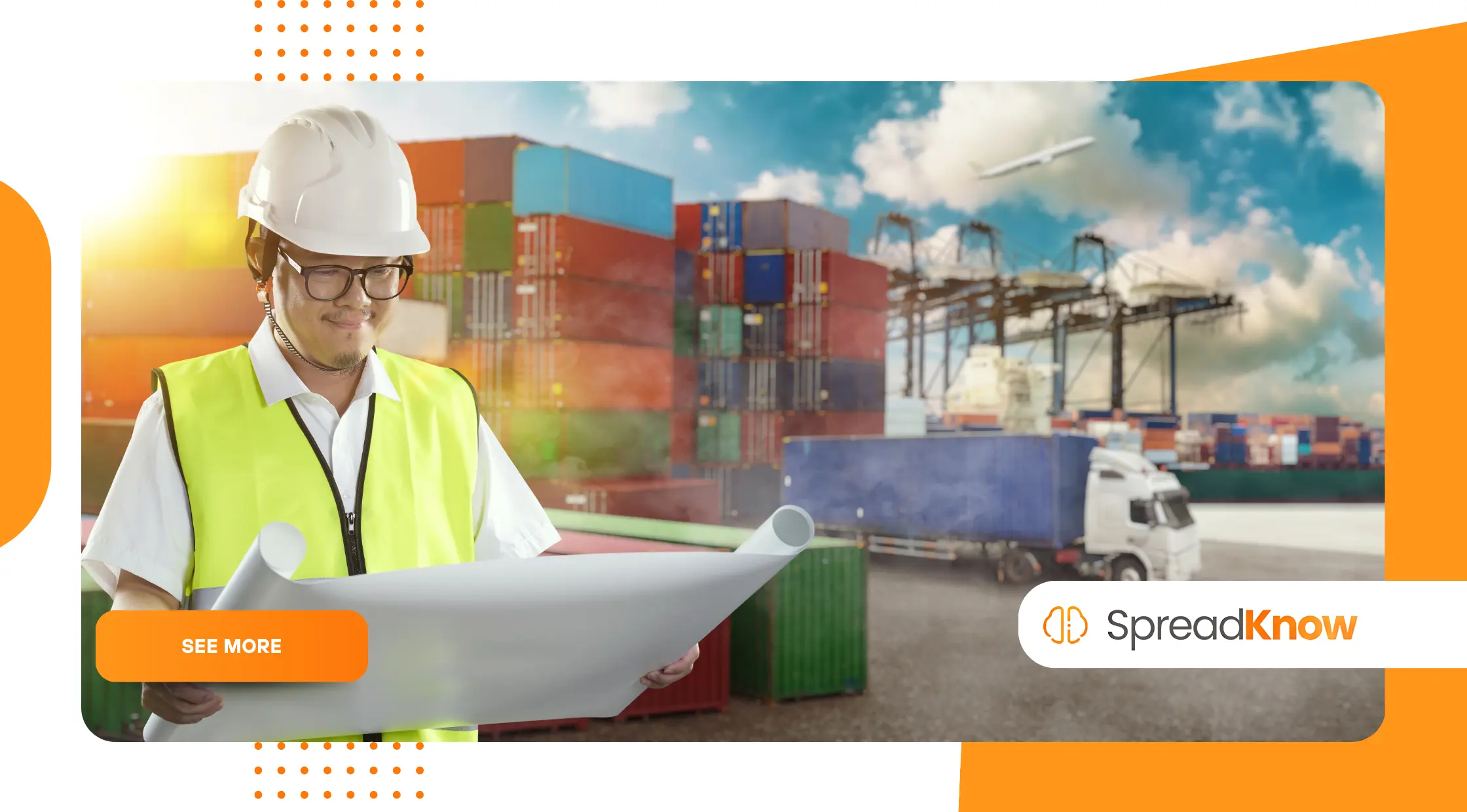
The Global Supply Chain entered a historic stress test after 2020, revealing structural weaknesses, hidden dependencies, and fragile assumptions that had quietly accumulated during decades of efficiency-driven globalization.
Anúncios
Factory shutdowns in Asia, port congestion in North America, and trucking shortages across Europe exposed how synchronized disruptions could paralyze entire industries within weeks, even when consumer demand remained strong.
Businesses that once optimized purely for cost suddenly faced empty shelves, delayed components, and contractual penalties, discovering that resilience had been sacrificed in favor of just-in-time efficiency and geographic concentration.
Governments also realized that medical supplies, semiconductors, and critical minerals were not ordinary commodities, but strategic assets whose absence could threaten public health, economic stability, and even national security.
The post-2020 period therefore became a laboratory for rethinking sourcing strategies, transportation models, and supplier relationships under real-world pressure rather than theoretical optimization frameworks.
Anúncios
This article examines how global logistics evolved, which assumptions collapsed, and what enduring lessons now shape the future architecture of international trade and industrial planning.
The Shock That Redefined Global Logistics
Before 2020, most supply chains assumed predictable transport, stable borders, and continuous production, allowing companies to minimize inventory while maximizing turnover through tightly synchronized manufacturing and distribution schedules.
The pandemic shattered these assumptions within weeks, as lockdowns halted factories, border controls delayed shipments, and container imbalances stranded equipment in the wrong regions for months.
Automakers halted production for lack of inexpensive chips, while hospitals rationed protective equipment, demonstrating how even low-cost components could disable billion-dollar operations.
Retailers accustomed to rapid restocking faced unpredictable lead times, forcing emergency air freight and costly rerouting that erased margins and destabilized long-standing supplier relationships.
The crisis exposed that global logistics had evolved into a high-speed system without sufficient buffers, where minor shocks cascaded into systemic failures across continents.
More importantly, it revealed that resilience is not a luxury, but a core operational requirement in an interconnected world facing frequent geopolitical, environmental, and epidemiological disruptions.
++ How Migration Is Transforming Global Education Systems
Rethinking Dependence and Geographic Concentration
As disruptions persisted, executives began mapping their supplier networks in detail, often discovering unknown second- and third-tier dependencies concentrated in single regions or even single industrial zones.
Electronics manufacturers realized that entire categories of components originated from clusters vulnerable to earthquakes, power shortages, or regulatory shutdowns, making diversification a strategic necessity rather than an academic ideal.
This awareness fueled a shift toward regionalization, where companies pursued nearshoring or friendshoring to reduce transit time, political risk, and exposure to distant regulatory environments.
Governments reinforced this trend by offering incentives for domestic production of strategic goods, from pharmaceuticals to semiconductors, reframing industrial policy as an instrument of economic resilience.
A comprehensive analysis by the World Bank highlighted how concentrated trade corridors amplified volatility, encouraging policymakers to promote diversified sourcing rather than mere volume expansion.
The lesson was clear: efficiency without redundancy creates fragility, and geographic diversity functions as insurance against inevitable disruptions.
From Just-in-Time to Just-in-Case
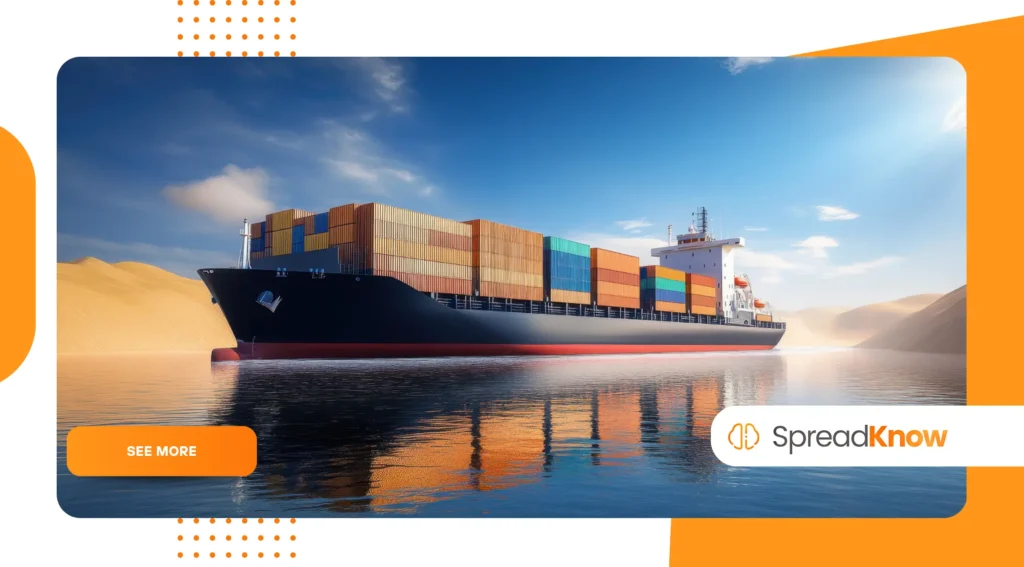
For decades, just-in-time inventory represented operational excellence, minimizing storage costs and freeing capital, while relying on precisely timed deliveries across oceans and borders.
After 2020, that philosophy began to erode, as firms recognized that zero inventory meant zero margin for error during unpredictable shutdowns or transportation bottlenecks.
Many organizations adopted hybrid models, maintaining strategic buffers for critical components while preserving lean practices for nonessential or easily replaceable materials.
Warehousing regained strategic importance, transforming from a cost center into a risk-mitigation asset capable of absorbing shocks and smoothing volatile supply flows.
This shift also altered financial planning, as inventory once viewed as inefficiency became an investment in continuity and customer trust.
The emerging model balances speed with security, accepting moderate redundancy as the price of operational stability in an uncertain world.
| Model | Pre-2020 Focus | Post-2020 Focus |
|---|---|---|
| Inventory Strategy | Minimal stock levels | Strategic safety buffers |
| Supplier Structure | Cost-driven concentration | Risk-balanced diversification |
| Logistics Planning | Predictable transit flows | Scenario-based resilience |
| Performance Metric | Cost efficiency | Continuity and reliability |
Technology as a Shield Against Uncertainty
Digital transformation accelerated as companies sought real-time visibility across complex supplier networks previously managed through fragmented spreadsheets and delayed reporting systems.
Advanced analytics now monitor shipment status, port congestion, and supplier performance, allowing managers to anticipate disruptions rather than merely react after damage occurs.
Artificial intelligence models simulate alternative sourcing paths, predicting cost and time impacts when geopolitical tensions, weather events, or regulatory changes threaten existing routes.
Blockchain-based tracking improves traceability, helping companies verify origin, compliance, and authenticity across multi-tier supply chains increasingly scrutinized by regulators and consumers.
A report from the OECD emphasized that digital transparency reduces systemic risk by transforming opaque networks into measurable, adaptable ecosystems.
Technology does not eliminate disruption, but it converts uncertainty into manageable data, enabling faster, more informed decisions under pressure.
++ How Globalization Is Changing Cultural Identity
Labor, Logistics, and the Human Factor
Supply chains depend on people as much as ports and algorithms, and labor shortages after 2020 revealed how fragile the human infrastructure supporting global trade had become.
Truck drivers, dockworkers, and warehouse staff faced burnout, health risks, and shifting employment priorities, creating bottlenecks that technology alone could not resolve.
Companies responded by raising wages, automating repetitive tasks, and redesigning workflows to improve safety and retention across logistics roles long considered interchangeable.
Training programs expanded to build digital skills among frontline workers, recognizing that modern logistics requires both physical endurance and technological fluency.
This evolution reframed labor from a variable cost into a strategic resource, essential for maintaining continuity during crises.
The lesson extended beyond wages, emphasizing respect, resilience, and adaptability as core elements of sustainable supply chain design.
++ How to Talk About Money Without Making It Awkward
Environmental Pressures and Structural Reform
Climate-related disruptions intensified alongside pandemic effects, as floods, wildfires, and droughts interrupted production hubs and transportation corridors with increasing frequency.
Organizations realized that resilience must address environmental volatility, integrating climate risk into sourcing decisions, infrastructure planning, and long-term investment strategies.
Many firms accelerated decarbonization, not only for reputational reasons, but because energy-efficient operations proved more adaptable during fuel shortages and regulatory shifts.
Sustainable sourcing reduced dependency on fragile ecosystems, while circular models minimized exposure to raw material scarcity.
These changes aligned economic resilience with environmental responsibility, reframing sustainability as operational necessity rather than public relations.
The post-2020 supply chain therefore evolved into a system balancing speed, safety, and sustainability under permanent conditions of uncertainty.
The New Strategic Mindset
The defining lesson of the post-2020 era is that supply chains are no longer invisible back-office functions, but strategic architectures shaping corporate survival and national stability.
Executives now treat logistics planning as scenario management, continuously modeling disruptions rather than assuming linear growth and stable conditions.
Partnerships replaced transactional sourcing, as long-term collaboration with suppliers proved more reliable than constant price renegotiation during volatile periods.
Boards demand transparency into sourcing risk, while investors evaluate resilience alongside profitability when assessing corporate value.
The Global Supply Chain emerged from crisis not as a broken system, but as a redefined discipline grounded in realism rather than optimism.
Its future depends on accepting uncertainty as permanent and designing networks capable of absorbing shocks without collapsing.
Conclusion
The years following 2020 demonstrated that efficiency alone cannot sustain global commerce, exposing how deeply modern economies depend on fragile networks optimized for speed rather than endurance.
Companies that survived did so by abandoning rigid models, embracing diversification, and accepting that redundancy represents strength, not waste, in a volatile environment.
Technology, labor reform, and environmental awareness collectively reshaped logistics into an adaptive system capable of responding to shocks rather than merely enduring them.
The Global Supply Chain now reflects a mature understanding that stability emerges from flexibility, and that resilience is the true currency of long-term economic success.
FAQ
1. Why did the Global Supply Chain fail after 2020?
It relied on tightly synchronized operations without buffers, so factory closures, border controls, and labor shortages cascaded into widespread shortages across industries.
2. Is globalization ending because of these disruptions?
Globalization is evolving, not ending, as companies balance international sourcing with regional diversification to reduce exposure to concentrated risks.
3. What replaced just-in-time inventory models?
Hybrid systems emerged, combining lean practices with strategic safety stock for critical components, ensuring continuity during unpredictable disruptions.
4. How does technology improve supply chain resilience?
Digital tools provide real-time visibility, predictive analytics, and alternative routing scenarios, transforming uncertainty into actionable information during crises.
5. What is the most important lesson from this period?
Resilience must be designed intentionally, because efficiency without redundancy creates fragile systems unable to withstand inevitable global disruptions.
