
The Cultural Power of Visual Symbols Across Civilizations
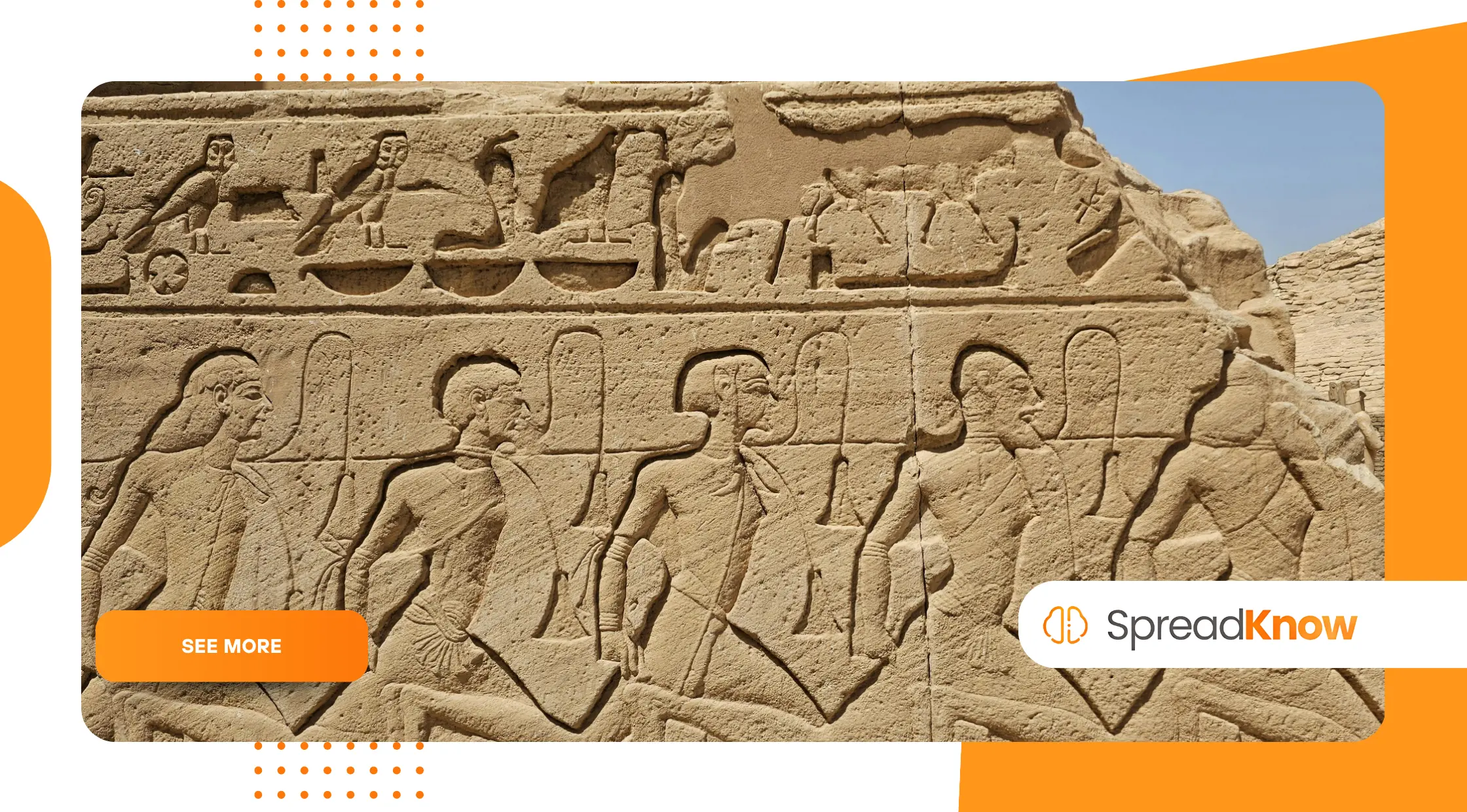
Visual Symbols have shaped human communication since the earliest societies, encoding beliefs, authority, and identity into images that transcended language and preserved meaning across generations.
Anúncios
Across civilizations, visual symbols became cultural shortcuts, compressing complex cosmologies, political systems, and moral values into recognizable forms that could be instantly understood by communities with shared traditions.
This article explores how visual symbols functioned as social tools, revealing power structures, spiritual worldviews, and collective memory through consistent imagery embedded in art, architecture, and ritual practices.
By examining historical examples, the text demonstrates how symbols were never decorative accidents, but deliberate systems designed to educate, persuade, and reinforce cultural continuity.
The discussion follows the evolution of symbolic meaning across regions, highlighting how interpretation depended on historical context, social hierarchy, and shared narratives within each civilization.
Anúncios
Understanding these symbolic systems reveals why visual language remains influential today, shaping modern identity, ideology, and communication through inherited visual traditions.
Symbols as Foundations of Early Human Communication
Early human societies relied on symbols long before written language, using visual marks to coordinate survival, convey warnings, and establish shared understanding within increasingly complex social groups.
Cave paintings in Lascaux and Altamira reveal intentional symbolism, where animals represented both sustenance and spiritual forces, blending daily survival concerns with metaphysical beliefs.
These images were not random artistic expressions, but structured visual systems that reinforced communal knowledge, hunting rituals, and social roles through repeated symbolic patterns.
Anthropologists argue that early symbols created cognitive bridges, allowing abstract thinking to flourish by associating visual forms with shared meanings and collective experiences.
Through repetition and ritual use, symbols gained authority, becoming trusted carriers of truth and tradition within societies lacking formal written records.
This foundational symbolic thinking laid the groundwork for later civilizations, where images evolved into standardized systems governing religion, politics, and cultural identity.
++ Why the Future of Work Depends on Digital Literacy
Sacred Imagery and Religious Authority
Religious institutions mastered visual symbolism to convey divine authority, embedding sacred meanings into architecture, icons, and ceremonial objects that shaped collective spiritual experience.
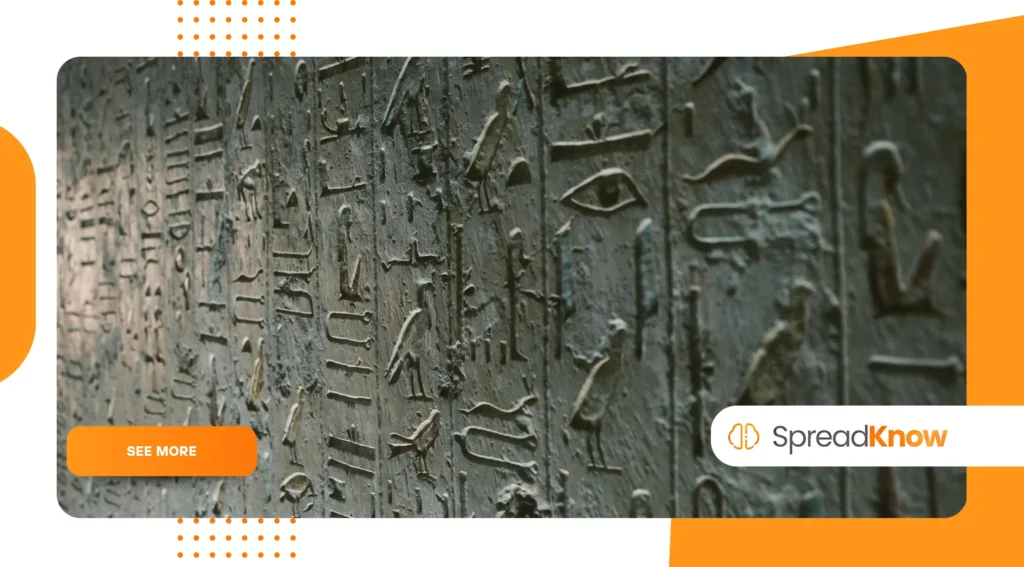
In ancient Egypt, hieroglyphs and gods’ iconography transformed walls into theological texts, where symbols like the ankh or scarab communicated immortality and cosmic order.
Temples functioned as visual narratives, guiding worshippers through symbolic journeys that reinforced beliefs about creation, morality, and divine power.
Scholars from institutions such as the British Museum emphasize that sacred symbols were tools of governance, legitimizing rulers through divine association and ritual imagery.
Christian iconography later adopted similar strategies, using crosses, halos, and saints’ attributes to communicate doctrine to largely illiterate populations across medieval Europe.
By controlling symbolic imagery, religious authorities shaped belief systems, ensuring continuity and obedience through powerful visual storytelling deeply embedded in daily life.
Political Power Encoded in Visual Forms
Political leaders understood that visual symbols could consolidate authority more effectively than words, transforming emblems, monuments, and regalia into expressions of legitimacy and dominance.
The Roman Empire perfected this approach, using eagles, laurel wreaths, and imperial portraits to project strength and continuity across vast territories.
Coins became mobile propaganda tools, circulating symbols of emperors and victories that reinforced loyalty and imperial identity among distant populations.
In imperial China, dragon imagery symbolized celestial mandate, embedding political authority within cosmological symbolism that aligned rulers with universal harmony.
Modern historians highlight how flags and coats of arms standardized these traditions, allowing states to visually assert sovereignty and unity across diverse populations.
Political symbolism thus functioned as silent governance, shaping perception and allegiance through omnipresent imagery embedded in public spaces and objects.
++ How to Master the Art of Self-Teaching
Cultural Identity and Shared Symbolic Language
Visual symbols also forged cultural identity, allowing communities to recognize themselves through shared imagery, colors, and motifs passed across generations.
Traditional textiles, patterns, and body markings encoded regional stories, ancestry, and social status without requiring spoken explanation.
Among Indigenous cultures of the Americas, symbols carved into totems preserved genealogies and moral lessons, functioning as visual archives of communal memory.
Research published by the Smithsonian National Museum of Asian Art shows how symbolic motifs traveled along trade routes, blending cultures while preserving distinct identities.
Despite adaptation, symbols retained core meanings, allowing cultures to absorb external influences without losing foundational narratives.
This shared visual language strengthened social cohesion, reinforcing belonging through instantly recognizable cultural markers.
++ The Science of Self-Discipline: How Habits Override Motivation
Artistic Expression as Symbolic Dialogue
Artists across civilizations used symbolism to engage in dialogue with their societies, embedding commentary, criticism, and aspiration within visual compositions.
Renaissance painters layered religious scenes with political symbolism, subtly negotiating power, faith, and humanism within a single image.
In Japanese ukiyo-e prints, recurring symbols like cherry blossoms conveyed impermanence, social change, and emotional depth without explicit explanation.
Symbolism allowed artists to bypass censorship, using visual metaphors to communicate ideas that words alone could not safely express.
Audiences trained within symbolic systems decoded these messages intuitively, transforming art into a shared cultural conversation.
This dynamic exchange reinforced symbolism as an evolving language, responsive to historical shifts while grounded in tradition.
Symbols in Architecture and Urban Space
Architecture provided a monumental canvas for symbolic expression, embedding ideology into city layouts, buildings, and spatial organization.
Ancient Greek temples employed proportion and symbolism to reflect philosophical ideals of balance, reason, and civic harmony.
Medieval cathedrals used verticality and light to symbolize divine transcendence, guiding emotional and spiritual responses through spatial design.
Urban planning in Islamic civilizations incorporated geometric symbolism, reflecting unity, infinity, and spiritual order through repeating patterns.
Public monuments acted as collective memory anchors, preserving narratives of triumph, sacrifice, or identity within physical space.
Through architecture, symbols became immersive experiences, shaping behavior and perception through daily interaction with designed environments.
Continuity of Symbols in the Modern World
Despite technological advancement, modern societies continue to rely on ancient symbolic logic to communicate identity, values, and authority visually.
National flags, corporate logos, and digital icons draw from historical symbolism, simplifying complex messages into instantly recognizable visuals.
Brands consciously adopt symbolic colors and shapes to evoke trust, innovation, or tradition, demonstrating continuity with earlier cultural practices.
Political movements harness symbols to mobilize collective emotion, proving that visual language remains central to persuasion and unity.
Digital communication accelerated symbolic exchange, but meaning still depends on shared cultural understanding rooted in historical precedent.
The persistence of symbolism confirms its fundamental role in human cognition and social organization across time.
| Civilization | Key Symbol | Primary Meaning | Context |
|---|---|---|---|
| Ancient Egypt | Ankh | Eternal life | Religious |
| Roman Empire | Eagle | Imperial power | Political |
| Imperial China | Dragon | Divine authority | Political |
| Medieval Europe | Cross | Salvation | Religious |
| Indigenous Americas | Totem | Ancestry | Cultural |
Conclusion
Visual symbols function as cultural memory systems, preserving meaning beyond language while shaping collective identity through repetition and shared interpretation.
Across civilizations, symbols mediated relationships between power, belief, and community, revealing how imagery guided behavior and reinforced social structures.
Historical examples demonstrate that symbolism evolved without losing relevance, adapting to new contexts while retaining core communicative functions.
Understanding symbolic traditions deepens our awareness of modern visual culture, reminding us that today’s images echo centuries of human meaning-making.
FAQ
1. Why are visual symbols more enduring than written language?
Visual symbols persist because they transcend literacy barriers, rely on shared perception, and embed meaning into memory through repetition, emotion, and cultural reinforcement across generations.
2. How did symbols maintain power in illiterate societies?
Symbols conveyed authority and belief through consistent imagery in rituals, architecture, and objects, allowing populations to understand social order without written explanation.
3. Can the same symbol have different meanings across cultures?
Yes, symbols adapt to cultural context, where shared history and belief systems assign distinct meanings to similar visual forms.
4. Are modern logos connected to ancient symbolic traditions?
Modern logos follow ancient principles, using simplified imagery and color psychology to communicate identity, trust, and authority quickly.
5. Do symbols still influence behavior today?
Symbols continue shaping behavior by triggering emotional responses, reinforcing identity, and guiding perception within political, cultural, and commercial environments.
