
Perché l'alfabetizzazione finanziaria è un'abilità fondamentale per la vita, non un'abilità matematica.
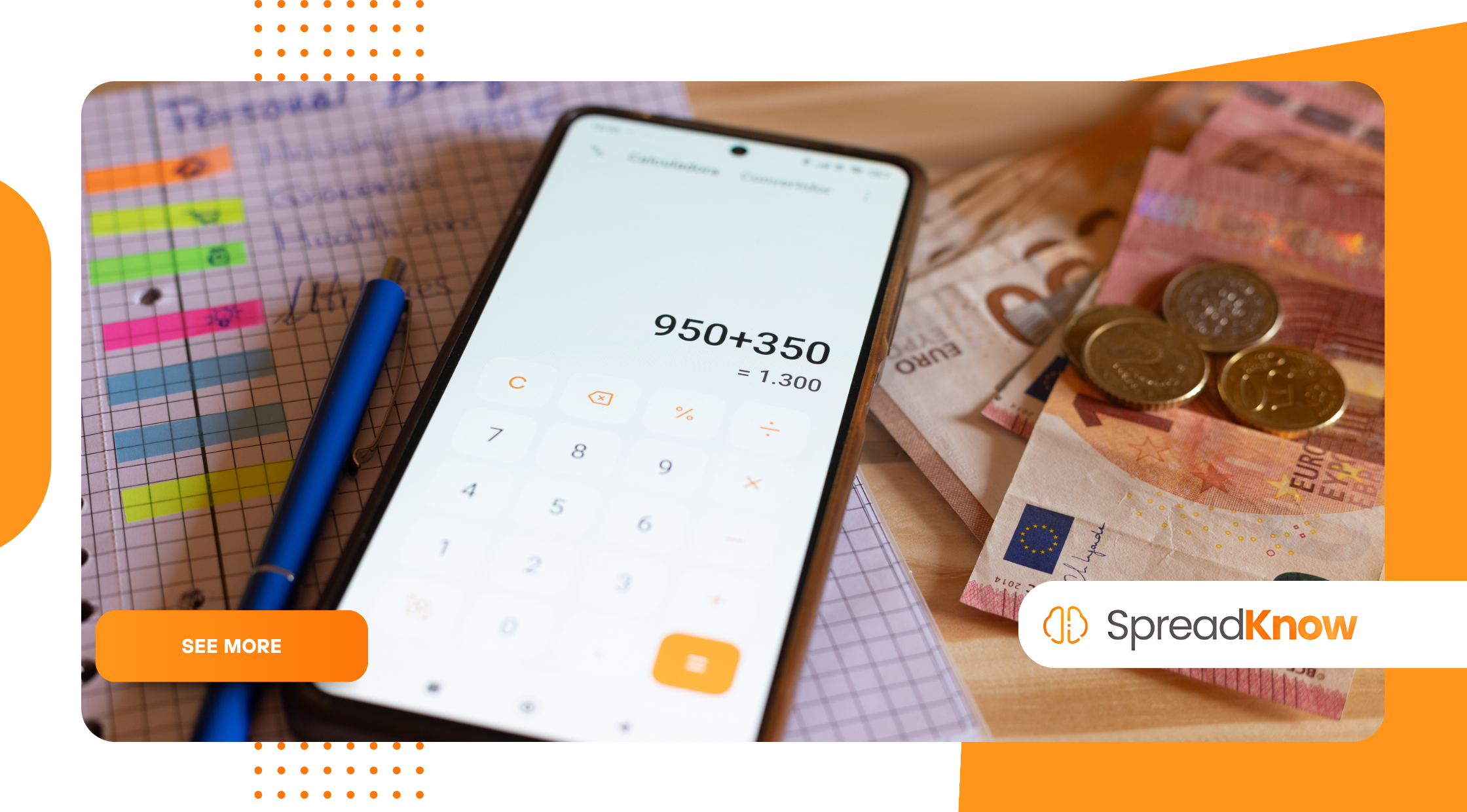
L'alfabetizzazione finanziaria è una competenza fondamentale per la vita, perché le decisioni finanziarie moderne influenzano sempre più l'istruzione, l'alloggio, l'assistenza sanitaria, le opportunità di carriera e la sicurezza a lungo termine, molto più spesso di quanto non facciano i calcoli matematici più complessi.
Annunci
Molte persone credono che la gestione del denaro dipenda principalmente dalle capacità numeriche, eppure innumerevoli individui di successo finanziario si affidano ad abitudini, disciplina, pianificazione e decisioni consapevoli, piuttosto che a complesse equazioni.
La rapida espansione del digital banking, delle piattaforme di investimento online, dei servizi in abbonamento e dei prodotti di credito al consumo ha reso la conoscenza finanziaria un requisito essenziale nella vita di tutti i giorni.
Gli errori finanziari derivano spesso da reazioni emotive, schemi comportamentali e scarsa consapevolezza, piuttosto che dall'incapacità di calcolare percentuali o risolvere problemi matematici.
A prescindere dal livello di reddito, l'alfabetizzazione finanziaria aiuta le persone a valutare i rischi, confrontare le opportunità, evitare errori costosi e sviluppare resilienza durante i periodi di incertezza economica.
Annunci
Comprendere perché l'alfabetizzazione finanziaria sia un'abilità pratica fondamentale nella vita quotidiana rivela come le persone possano migliorare la propria situazione finanziaria attraverso l'educazione, il comportamento e strategie decisionali coerenti.
L'alfabetizzazione finanziaria va oltre i numeri.
L'alfabetizzazione finanziaria implica la comprensione di come il denaro interagisce con le scelte quotidiane, gli obiettivi futuri, i valori personali e le circostanze impreviste che influenzano gli individui in ogni fase della vita.
Le persone si trovano regolarmente a dover prendere decisioni che riguardano prestiti, assicurazioni, pianificazione pensionistica, risparmi per le emergenze e acquisti di consumo, senza bisogno di conoscenze matematiche avanzate per fare scelte responsabili.
La vera sfida spesso consiste nel valutare le conseguenze, riconoscere i rischi e comprendere in che modo le attuali abitudini di spesa influenzino le opportunità future e la flessibilità finanziaria.
Una persona può calcolare facilmente la rata mensile, eppure prendere comunque decisioni finanziarie sbagliate perché gli impulsi emotivi prevalgono sulla pianificazione a lungo termine e sulla valutazione razionale.
L'alfabetizzazione finanziaria, pertanto, combina consapevolezza, capacità di giudizio e comprensione pratica, elementi che consentono agli individui di orientarsi in contesti economici sempre più complessi con maggiore sicurezza ed efficacia.
Quando gli educatori si concentrano esclusivamente sui calcoli, a volte trascurano i fattori comportamentali e psicologici che in definitiva determinano il successo o il fallimento finanziario.
++ Perché l'educazione artistica è più importante che mai nell'era digitale
Il ruolo del comportamento nel successo finanziario
Gli economisti comportamentali hanno ripetutamente dimostrato che i risultati finanziari spesso dipendono più dalle abitudini che dall'intelligenza, sottolineando l'importanza di un processo decisionale coerente rispetto alla conoscenza teorica.
Le persone che rispettano un budget, evitano acquisti impulsivi e risparmiano regolarmente ottengono spesso risultati migliori rispetto a chi ha maggiori conoscenze finanziarie ma una minore disciplina personale.
Ricerca pubblicata da Ufficio per la protezione finanziaria dei consumatori ha sottolineato come il benessere finanziario sia strettamente connesso ai comportamenti, alla fiducia e a un processo decisionale informato, piuttosto che alla sola competenza tecnica.
Molte famiglie vivono situazioni di stress finanziario non perché non capiscano i numeri, ma perché faticano a posticipare la gratificazione e a pianificare a lungo termine.
La diffusione dei sistemi di pagamento digitali ha ulteriormente accresciuto l'importanza della consapevolezza comportamentale, poiché la spesa può avvenire istantaneamente senza l'impatto psicologico derivante dalla gestione del denaro contante.
L'alfabetizzazione finanziaria incoraggia le persone a sviluppare sistemi e routine che riducano il ricorso alle emozioni nel processo decisionale, favorendo al contempo un progresso costante verso il raggiungimento degli obiettivi finanziari personali.

Perché le scuole spesso insegnano troppo poco sul denaro
I sistemi educativi tradizionali generalmente privilegiano la matematica accademica, dedicando un'attenzione limitata alle tematiche finanziarie pratiche che gli studenti si troveranno ad affrontare subito dopo la laurea.
Spesso gli studenti apprendono i concetti algebrici in dettaglio, ma ricevono pochissime istruzioni su argomenti quali punteggi di credito, tasse, bilancio familiare, assicurazioni o pianificazione pensionistica.
Questo divario crea difficoltà quando i giovani adulti entrano nel mondo del lavoro e si trovano improvvisamente a dover prendere importanti decisioni finanziarie con una preparazione o un'esperienza pratica limitate.
Le discussioni sulla riforma dell'istruzione pongono sempre più l'accento sull'alfabetizzazione finanziaria, poiché le realtà economiche sono diventate più complesse rispetto a quelle che le generazioni precedenti hanno vissuto nei primi anni dell'età adulta.
Secondo le risorse educative fornite attraverso il Organizzazione per la cooperazione e lo sviluppo economicoL'educazione finanziaria contribuisce in modo significativo a un comportamento di consumo consapevole e alla partecipazione economica.
Molti esperti sostengono che insegnare l'educazione finanziaria in età precoce preparerebbe meglio gli studenti alle responsabilità del mondo reale rispetto a un approccio basato esclusivamente sull'insegnamento tradizionale della matematica.
++ L'ascesa delle economie multipolari e il suo significato a livello globale.
Alfabetizzazione finanziaria nell'economia digitale
L'economia digitale ha trasformato la finanza personale introducendo piattaforme di online banking, pagamenti mobili, mercati delle criptovalute e applicazioni di investimento basate su algoritmi.
Oggi i consumatori entrano in contatto quotidianamente con i prodotti finanziari tramite smartphone, il che rende sempre più importante prendere decisioni consapevoli per evitare disinformazione e rischi inutili.
| Area finanziaria | Competenze di vita richieste | Beneficio tipico |
|---|---|---|
| Budgeting | Pianificazione e autocontrollo | Migliore flusso di cassa |
| Gestione del credito | Valutazione del rischio | Costi di finanziamento inferiori |
| Investire | Pensiero a lungo termine | Accumulo di ricchezza |
| Assicurazione | Pianificazione della protezione | Riduzione degli shock finanziari |
| Pagamenti digitali | Avvocati della sicurezza | Prevenzione delle frodi |
I consumatori moderni devono valutare servizi in abbonamento, offerte di prestito digitale e opportunità di investimento che spesso utilizzano tecniche di marketing persuasive progettate per incoraggiare decisioni rapide.
Senza solide competenze di alfabetizzazione finanziaria, le persone potrebbero avere difficoltà a identificare costi nascosti, promesse irrealistiche o prodotti che non sono in linea con i loro obiettivi finanziari.
Nell'attuale contesto economico interconnesso, la capacità di valutare criticamente le informazioni è diventata altrettanto importante quanto la comprensione della terminologia finanziaria.
++ Dallo stipendio alla libertà: progettare una vita che vada oltre la mera sopravvivenza.
Le conseguenze concrete delle decisioni finanziarie nella vita reale
L'alfabetizzazione finanziaria influenza aspetti fondamentali della vita, poiché le decisioni relative al denaro spesso incidono sulle opzioni abitative, sulle opportunità di istruzione, sulla mobilità professionale e sulla qualità della vita in generale.
Un giovane professionista che comprende i principi della gestione del budget può accumulare risparmi di emergenza, creandosi flessibilità durante le fasi di recessione economica o in caso di improvvise interruzioni del lavoro.
Al contrario, cattive abitudini finanziarie possono generare conseguenze a lungo termine attraverso un eccessivo indebitamento, una riduzione dei risparmi e un accesso limitato alle opportunità future.
La crisi finanziaria globale del 2008 ha dimostrato come le incomprensioni relative a prestiti, esposizione al rischio e obblighi di indebitamento abbiano colpito milioni di famiglie in tutto il mondo.
Più recentemente, l'aumento dell'inflazione e dei tassi di interesse ha rafforzato l'importanza di comprendere i concetti di finanza personale quando si prendono decisioni in materia di prestiti e spese.
L'alfabetizzazione finanziaria aiuta le persone ad anticipare le difficoltà prima che si trasformino in emergenze, consentendo una pianificazione proattiva anziché una gestione reattiva delle crisi.
L'alfabetizzazione finanziaria promuove l'indipendenza e la fiducia in sé stessi.
L'indipendenza finanziaria è spesso associata alla ricchezza, eppure la vera indipendenza inizia spesso con la comprensione di come gestire efficacemente le risorse disponibili.
Le persone che comprendono la gestione delle proprie finanze personali si sentono generalmente più sicure quando negoziano lo stipendio, confrontano prodotti finanziari o pianificano importanti cambiamenti di vita.
La fiducia cresce quando le persone si rendono conto che le decisioni finanziarie possono essere valutate in modo sistematico, anziché basandosi su paura, incertezza o pressioni sociali.
Questa fiducia diventa particolarmente importante in occasione di traguardi significativi come l'acquisto di una casa, l'avvio di un'attività, un cambio di carriera o la preparazione alla pensione.
L'alfabetizzazione finanziaria riduce anche la vulnerabilità alle truffe, poiché le persone informate sono meglio attrezzate per riconoscere promesse irrealistiche e tattiche di marketing ingannevoli.
Rafforzando le capacità decisionali, l'educazione finanziaria consente alle persone di assumere un maggiore controllo sul proprio futuro, indipendentemente dal livello di reddito o dal contesto sociale.
Sviluppare l'alfabetizzazione finanziaria nel corso della vita
L'alfabetizzazione finanziaria dovrebbe essere considerata un processo di apprendimento continuo, piuttosto che una materia da padroneggiare durante un singolo corso o esperienza formativa.
Le condizioni economiche, le tecnologie, le normative e i prodotti finanziari sono in continua evoluzione, il che richiede agli individui di aggiornare le proprie conoscenze nelle diverse fasi della vita.
I giovani adulti possono concentrarsi sulla gestione del budget e del credito, mentre i professionisti a metà carriera spesso danno priorità agli investimenti, alla tutela della famiglia e alla pianificazione della pensione.
Gli anziani tendono a concentrare la propria attenzione sulla conservazione del patrimonio, sui costi sanitari, sulla pianificazione successoria e sulle strategie che garantiscono la sicurezza finanziaria a lungo termine.
L'approccio più efficace combina la formazione con l'applicazione pratica, consentendo agli individui di trasformare le conoscenze in comportamenti e abitudini finanziarie sostenibili.
L'apprendimento continuo garantisce che l'alfabetizzazione finanziaria rimanga rilevante e utile, supportando decisioni consapevoli in un panorama economico in rapida evoluzione.
Conclusione
L'alfabetizzazione finanziaria rappresenta un'abilità fondamentale per la vita, poiché influenza le scelte quotidiane, le opportunità a lungo termine e il benessere generale attraverso un processo decisionale pratico, piuttosto che attraverso competenze matematiche avanzate.
Una gestione efficace del denaro dipende in larga misura da comportamento, disciplina, consapevolezza e pensiero critico, elementi che vanno ben oltre i semplici calcoli numerici.
Con la crescente accessibilità dei prodotti finanziari digitali, è fondamentale che gli individui sviluppino le conoscenze necessarie per valutare le opzioni, gestire i rischi e tutelare i propri interessi finanziari.
Chi investe nell'alfabetizzazione finanziaria acquisisce strumenti preziosi che favoriscono l'indipendenza, la resilienza e la fiducia in sé stessi in ogni fase della vita.
Domande frequenti
1. Che cos'è l'alfabetizzazione finanziaria?
L'alfabetizzazione finanziaria è la capacità di comprendere e gestire efficacemente le decisioni finanziarie che riguardano la redazione del bilancio, il risparmio, i prestiti, gli investimenti e la pianificazione a lungo termine.
2. Ho bisogno di competenze matematiche avanzate per essere finanziariamente alfabetizzato?
No, la maggior parte delle decisioni in materia di finanza personale si basa più sulla comprensione di concetti, abitudini e processi decisionali che su calcoli matematici complessi.
3. Perché l'alfabetizzazione finanziaria è importante oggi?
I consumatori moderni si trovano di fronte a prodotti finanziari, sistemi di pagamento digitali e opportunità di investimento sempre più complessi, che richiedono un processo decisionale consapevole.
4. L'alfabetizzazione finanziaria può migliorare il benessere finanziario?
Sì, una maggiore alfabetizzazione finanziaria spesso porta a una migliore gestione del budget, a una riduzione del debito, a abitudini di risparmio più solide e a una pianificazione a lungo termine più efficace.
5. Come si può migliorare l'alfabetizzazione finanziaria?
È possibile migliorare la propria alfabetizzazione finanziaria attraverso l'apprendimento continuo, risorse educative affidabili, l'esperienza pratica e la revisione periodica delle decisioni finanziarie.
