
Pourquoi les compétences manuelles font leur grand retour
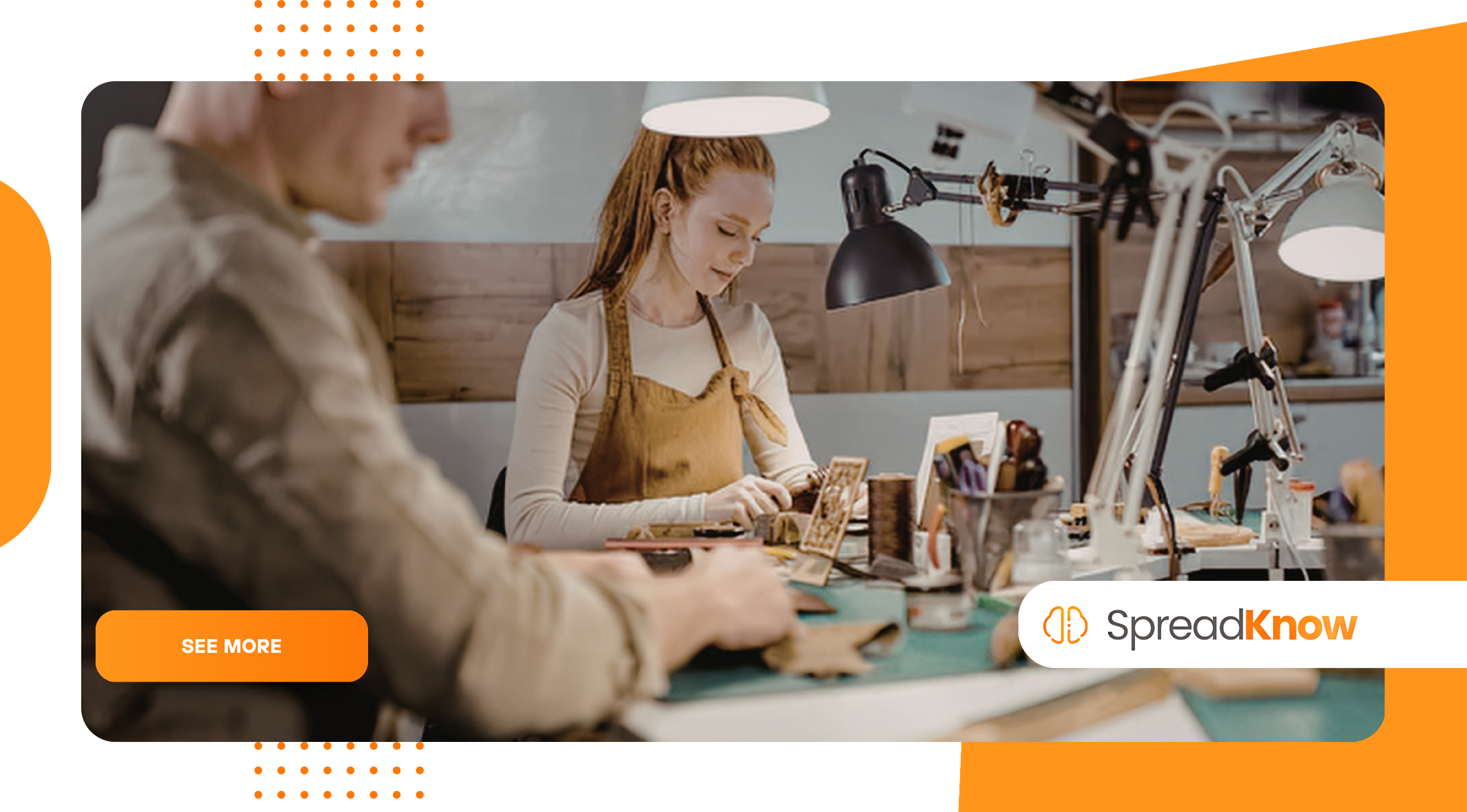
Les compétences manuelles connaissent un regain d'intérêt remarquable, car les gens recherchent de plus en plus des aptitudes pratiques qui leur procurent indépendance, créativité et des résultats concrets dans un monde dominé par les technologies numériques.
Annonces
Dans les économies développées comme dans les économies émergentes, l'intérêt pour l'artisanat, les travaux de réparation, les métiers de la construction et les loisirs manuels n'a cessé de croître parmi les personnes issues de différents milieux scolaires et professionnels.
Ce regain d'intérêt reflète l'évolution des mentalités concernant le travail, la consommation et l'épanouissement personnel, car de nombreuses personnes remettent en question la valeur à long terme des activités exclusivement réalisées sur écran.
L’incertitude économique a également incité les individus à acquérir des compétences pratiques permettant de générer des revenus, de réduire les dépenses et de renforcer leur résilience en période de volatilité des marchés.
Dans le même temps, les employeurs de nombreux secteurs signalent une pénurie de main-d'œuvre qualifiée capable d'effectuer des tâches techniques et manuelles essentielles nécessitant une formation spécialisée.
Annonces
Comprendre pourquoi les compétences manuelles retrouvent une place prépondérante apporte des éclairages importants sur la société moderne, les marchés du travail, les systèmes éducatifs et la relation future entre la technologie et l'expertise humaine.
L'ère numérique a créé une demande inattendue de travail manuel
L'essor rapide des technologies numériques a transformé les lieux de travail, la communication et les loisirs, mais il a également accru l'intérêt pour les activités impliquant des matériaux physiques, des outils et une interaction humaine directe.
À mesure que les routines quotidiennes devenaient de plus en plus dépendantes des écrans, de nombreuses personnes ont commencé à rechercher des expériences offrant des résultats visibles et des progrès mesurables au-delà des environnements numériques.
La restauration de meubles, le travail du bois, le jardinage, la métallurgie et les projets de rénovation domiciliaire ont gagné en popularité car ils procurent un sentiment d'accomplissement souvent absent des tâches virtuelles.
Contrairement aux produits numériques qui existent principalement sur des écrans, les objets fabriqués à la main offrent une preuve physique immédiate de l'effort fourni, du développement des compétences et de la créativité personnelle.
De nombreuses personnes font état d'une plus grande satisfaction lorsqu'elles réalisent des projets qui exigent patience, précision et résolution de problèmes grâce à une interaction directe avec les matériaux et les équipements.
Cet intérêt croissant démontre que le progrès technologique n'élimine pas les compétences traditionnelles, mais accroît souvent leur valeur perçue au sein des sociétés modernes.
++ Pourquoi les adultes ont plus besoin de jouer que les enfants
La pénurie de main-d'œuvre accroît la valeur des métiers spécialisés.
De nombreux pays sont confrontés à d'importantes pénuries d'électriciens, de soudeurs, de mécaniciens, de plombiers et de professionnels de la construction, malgré une forte demande en matière de développement et d'entretien des infrastructures.
Recherche de la Organisation internationale du travail met en lumière comment les métiers spécialisés demeurent des composantes essentielles de la productivité économique et de l'emploi durable dans de multiples secteurs.
Avec le départ à la retraite des générations plus âgées, de moins en moins de jeunes travailleurs s'orientent vers des professions techniques, créant ainsi des opportunités pour les personnes désireuses de poursuivre des carrières manuelles spécialisées.
Ce déséquilibre a contribué à la hausse des salaires dans plusieurs secteurs où il reste difficile de recruter et de fidéliser des professionnels qualifiés.
Les employeurs collaborent de plus en plus avec les écoles professionnelles pour développer des viviers de talents capables de pallier les pénuries de main-d'œuvre à long terme qui touchent des secteurs clés.
Par conséquent, les métiers manuels suscitent un regain d'intérêt chez les étudiants et les personnes en reconversion professionnelle qui recherchent un emploi stable offrant de fortes perspectives d'évolution.
Les compétences pratiques favorisent une plus grande autonomie
La hausse du coût de la vie a incité de nombreux ménages à développer des compétences leur permettant de réduire leur dépendance aux services professionnels coûteux pour l'entretien et les réparations courantes.
Apprendre à réparer des appareils électroménagers, à entretenir des véhicules, à fabriquer des meubles ou à améliorer son logement peut réduire considérablement les dépenses à long terme tout en renforçant la confiance en soi.
De nombreux consommateurs préfèrent désormais réparer les articles plutôt que de les remplacer immédiatement, surtout lorsque la conjoncture économique rend les achats importants plus difficiles.
Le mouvement croissant en faveur de la réparation reflète des préoccupations plus larges concernant les déchets, la durabilité et les modes de consommation excessifs qui caractérisent de nombreuses économies modernes.
Les organisations qui soutiennent les initiatives de développement durable, y compris les programmes promus par le biais du Programme des Nations Unies pour l'environnement, insistent fréquemment sur les pratiques de réparation et de réutilisation qui prolongent la durée de vie des produits.
À mesure que les connaissances pratiques se diffusent grâce à des ateliers, des centres de formation et des groupes communautaires, les individus acquièrent des compétences précieuses qui renforcent leur autonomie au quotidien.
++ Musique et mémoire : pourquoi les chansons nous ramènent dans le passé
L'éducation redécouvre l'importance de l'apprentissage technique
Pendant des décennies, de nombreux systèmes éducatifs ont privilégié les parcours universitaires tout en réduisant souvent les investissements dans les programmes de formation professionnelle et technique.
Cette approche a engendré la perception que les carrières universitaires étaient intrinsèquement supérieures aux professions impliquant l'utilisation d'outils, de machines et une expertise pratique.
Les réalités récentes du marché du travail ont remis en question ces hypothèses, les employeurs peinant à pourvoir les postes essentiels exigeant des compétences techniques pointues.
Les établissements scolaires et les décideurs politiques reconnaissent de plus en plus que la réussite économique repose sur la diversité des parcours éducatifs qui répondent aux différents talents et aspirations professionnelles.
Le tableau ci-dessous met en évidence plusieurs facteurs contribuant au regain d'intérêt pour les compétences manuelles.
| Facteur | Impact sur les compétences manuelles |
|---|---|
| Pénurie de main-d'œuvre qualifiée | Demande et salaires plus élevés |
| Augmentation du coût de la vie | Un intérêt accru pour l'autonomie |
| Préoccupations liées à la durabilité | Augmentation des activités de réparation et de réutilisation |
| fatigue numérique | Appréciation croissante du travail manuel |
| Investissements dans la formation professionnelle | Possibilités de formation élargies |
Les programmes de formation professionnelle modernes associent fréquemment l'artisanat traditionnel aux technologies de pointe, créant ainsi des ensembles de compétences hybrides qui séduisent les apprenants contemporains.
++ Comment les tensions géopolitiques affectent la vie quotidienne
Les activités manuelles favorisent le bien-être mental
De nombreux psychologues observent que les activités manuelles peuvent apporter un soulagement significatif face à la stimulation numérique constante et à la surcharge d'informations.
Les projets qui requièrent de la concentration et un engagement physique favorisent souvent une attention plus profonde tout en réduisant les distractions liées aux smartphones, aux réseaux sociaux et aux notifications continues.
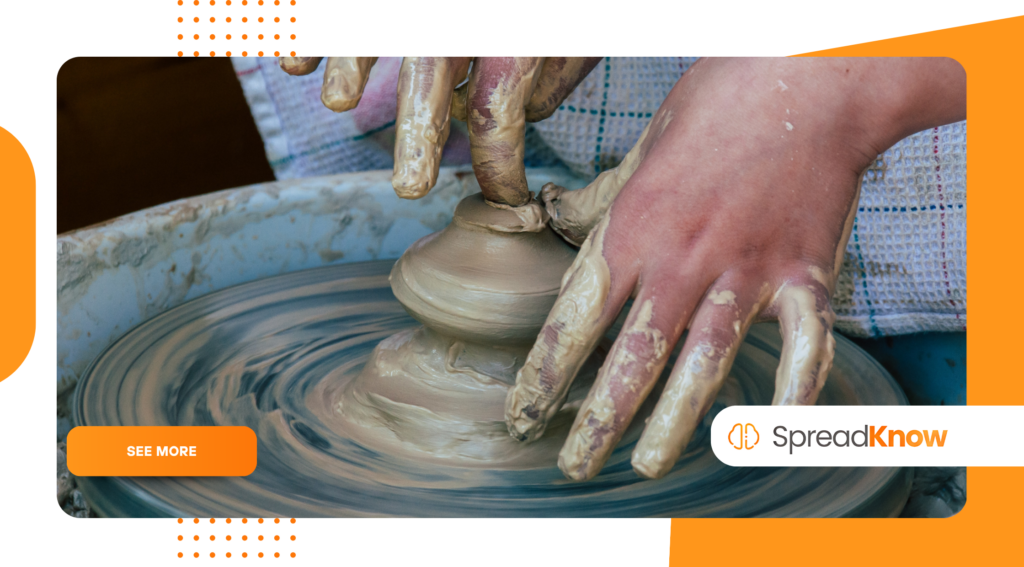
Le travail du bois, la couture, la poterie et autres activités similaires exigent une grande attention aux détails, permettant aux participants de s'immerger pleinement dans des tâches productives.
Cette immersion peut créer des expériences similaires à l'état de flow, où les individus se sentent fortement impliqués et motivés tout en réalisant un travail stimulant mais réalisable.
Contrairement à de nombreuses formes de divertissement passives, les projets manuels exigent une participation active qui renforce les capacités de résolution de problèmes et la discipline personnelle.
Face à l'inquiétude croissante concernant le stress et l'épuisement numérique, les activités pratiques offrent de précieuses opportunités d'équilibre et de ressourcement psychologique.
L'entrepreneuriat crée de nouvelles opportunités pour les artisans
Les plateformes de vente en ligne ont permis à des personnes qualifiées d'atteindre des clients bien au-delà de leur communauté locale tout en conservant le contrôle de leurs processus de production.
Les artisans, les fabricants de meubles, les maroquiniers et les fabricants spécialisés développent de plus en plus leurs activités autour de produits qui se distinguent par leur qualité, leur authenticité et leur savoir-faire.
Les consommateurs apprécient souvent les produits artisanaux car ils offrent des caractéristiques uniques que l'on ne retrouve pas dans les alternatives produites en masse à grande échelle industrielle.
Les plateformes de médias sociaux ont encore accru la visibilité des créateurs indépendants qui démontrent leurs techniques, partagent leurs projets et fidélisent leurs clients.
De nombreuses petites entreprises prospères ont débuté comme des passe-temps avant de se transformer en entreprises durables, soutenues par une demande croissante de produits personnalisés.
Ce contexte entrepreneurial a contribué à transformer le savoir-faire manuel en une véritable opportunité économique pour des milliers de professionnels qualifiés à travers le monde.
La technologie et les compétences manuelles deviennent partenaires
Contrairement aux idées reçues, l'innovation technologique vient souvent compléter plutôt que remplacer de nombreuses formes de savoir-faire et d'artisanat manuels.
Les artisans modernes utilisent de plus en plus des logiciels de conception numérique, des équipements de diagnostic avancés et des outils de fabrication de précision, en complément des connaissances pratiques traditionnelles.
Les techniciens automobiles, par exemple, doivent désormais posséder à la fois des connaissances en mécanique et la capacité d'interpréter des systèmes électroniques sophistiqués.
Les professionnels de la construction utilisent des technologies de planification numérique tout en s'appuyant fortement sur les compétences physiques nécessaires à la réussite des projets.
Cette combinaison de compétences techniques et manuelles forme des travailleurs capables de s'adapter efficacement à l'évolution des exigences de l'industrie et aux développements technologiques.
L'avenir semble de plus en plus axé sur l'intégration du jugement humain, du savoir-faire et de la technologie plutôt que sur leur traitement comme des forces concurrentes.
Conclusion
Le regain d'intérêt pour les compétences manuelles reflète des changements culturels, économiques et technologiques plus vastes qui ont modifié la façon dont les gens évaluent le travail, l'éducation et la réussite personnelle.
Face à la persistance des pénuries de main-d'œuvre et à la valeur croissante des compétences pratiques, les métiers techniques sont de plus en plus reconnus pour leur contribution essentielle aux sociétés modernes.
Les individus redécouvrent également la satisfaction personnelle que procure la création, la réparation et l'amélioration d'objets tangibles grâce à leurs propres efforts et connaissances.
Loin de représenter un retour au passé, le regain d'intérêt pour les compétences manuelles démontre comment les savoir-faire traditionnels continuent d'évoluer parallèlement à l'innovation et au progrès technologique.
FAQ
1. Pourquoi les compétences manuelles redeviennent-elles populaires ?
Les compétences manuelles gagnent en popularité car elles offrent une valeur pratique, des opportunités de carrière, l'autonomie et permettent de réduire la dépendance excessive aux environnements numériques.
2. Quelles sont les professions manuelles actuellement très demandées ?
Les électriciens, plombiers, mécaniciens, soudeurs, spécialistes de la construction et autres corps de métiers spécialisés connaissent une forte demande dans de nombreuses régions du monde.
3. Les compétences manuelles peuvent-elles mener à la réussite des entreprises ?
Oui, de nombreux artisans et ouvriers qualifiés développent des entreprises rentables en proposant des produits spécialisés, des services de réparation et des solutions personnalisées aux consommateurs.
4. Les compétences manuelles ont-elles encore de l'importance dans une économie axée sur la technologie ?
Absolument, les industries modernes nécessitent souvent une combinaison de connaissances techniques, d'outils numériques et d'expertise pratique.
5. Comment une personne peut-elle commencer à apprendre des compétences manuelles ?
On peut débuter par le biais d'écoles professionnelles, d'apprentissages, d'ateliers communautaires, de tutoriels en ligne ou de projets pratiques réalisés à domicile.
