
Le rôle des loisirs dans la construction de l'identité
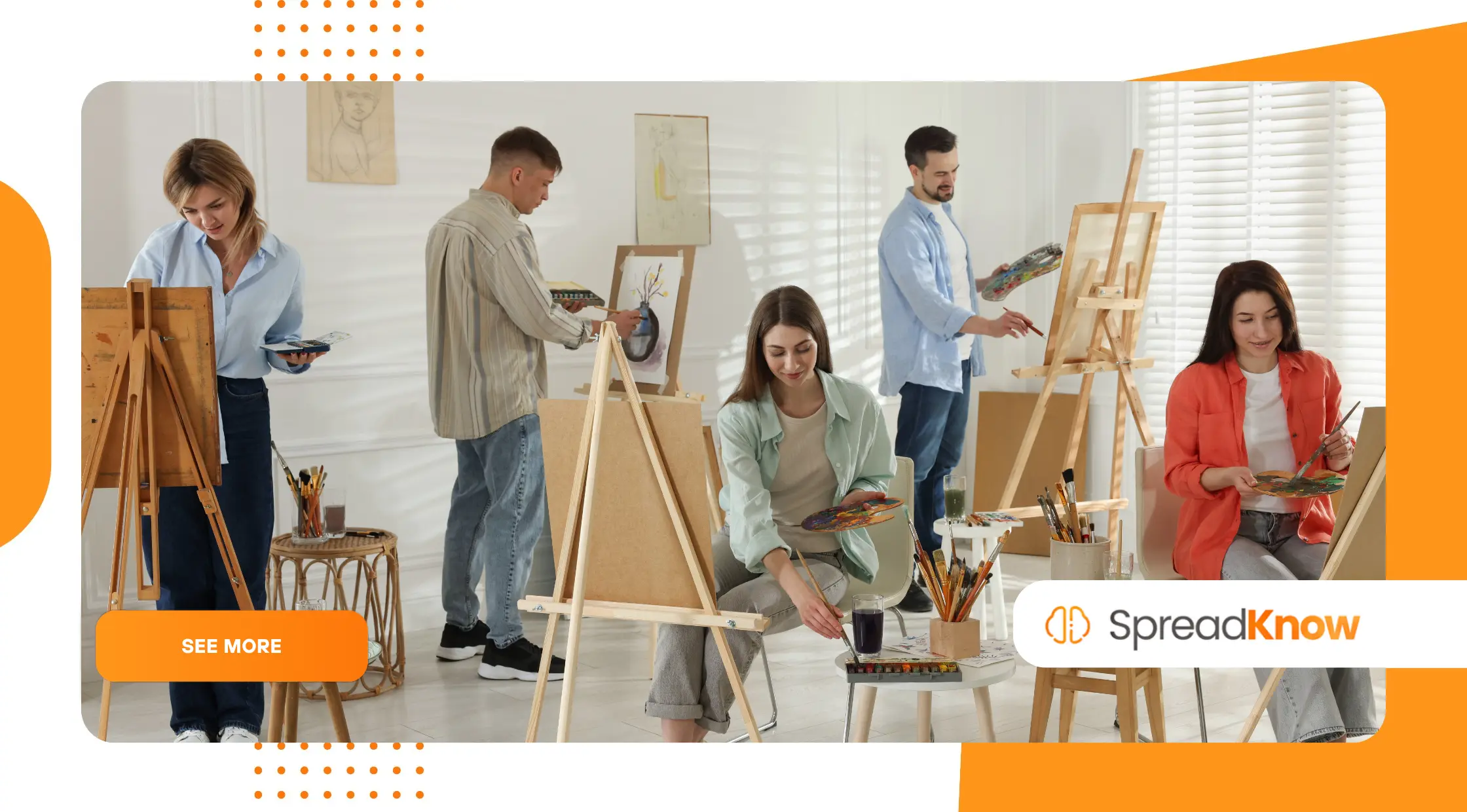
Le le rôle des loisirs dans la construction de l'identité est plus profonde et plus significative sur le plan structurel que la plupart des gens ne le reconnaissent consciemment, car les loisirs font partie des rares domaines de la vie moderne où l'identité se construit par une action volontaire soutenue plutôt que d'être attribuée par la profession, le rôle familial ou la catégorie sociale.
Annonces
L’identité — le sentiment intégré de qui l’on est en tant que personne — n’est pas une possession fixe, mais une construction continue qui nécessite un apport constant d’expériences de compétence, d’appartenance et d’engagement significatif pour rester stable et cohérente malgré les perturbations que la vie adulte engendre inévitablement.
Une étude de 2025 publiée dans la revue Issues in Mental Health Nursing a examiné l'impact des loisirs à travers de multiples études et a identifié la croissance personnelle comme l'un des trois principaux avantages de la pratique d'un loisir, aux côtés de l'amélioration de la santé mentale et du lien social — une conclusion qui positionne les loisirs non seulement comme un loisir, mais aussi comme des contributeurs actifs au développement psychologique.
Une étude sur le concept de soi publiée dans Frontiers in Human Neuroscience en 2025 a confirmé que le concept de soi est plastique — capable d'évoluer de manière significative grâce à l'expérience — ce qui implique que les activités que les gens choisissent de pratiquer régulièrement ne sont pas seulement des expressions de ce qu'ils sont déjà, mais contribuent activement à ce qu'ils deviennent.
Ce qui distingue les passe-temps de la plupart des autres expériences formatrices d'identité, c'est l'élément de choix volontaire : contrairement aux identités professionnelles qui peuvent être partiellement façonnées par la nécessité économique, ou aux identités sociales qui émergent de la famille et de la communauté d'origine, l'identité liée à un passe-temps est librement choisie, a une signification personnelle et appartient entièrement à la personne qui le pratique.
Annonces
Comprendre comment fonctionne cette construction identitaire — et pourquoi elle est importante pour la stabilité psychologique, les liens sociaux et la gestion des grandes transitions de la vie — révèle que les loisirs sont quelque chose de bien plus important qu'une simple façon d'occuper son temps libre.
Comment les loisirs contribuent à forger l'identité par la maîtrise
Le mécanisme le plus fondamental par lequel les loisirs construisent l'identité est le développement progressif des compétences — le passage du novice au compétent puis à l'expert qui produit un sentiment de soi de plus en plus spécifique et différencié, organisé autour d'un véritable domaine de compétences.
Lorsqu'une personne commence à se percevoir comme guitariste, menuisier, joueur d'échecs ou coureur de fond, elle ne se contente pas de décrire une activité qu'elle pratique, mais intègre cette capacité à son identité de manière à créer une continuité, une direction et une source stable d'estime de soi, indépendante des circonstances extérieures.
Cette intégration de l'identité est particulièrement importante lors des périodes de bouleversements professionnels ou personnels : une personne qui s'est forgée une solide identité de loisir conserve un sentiment d'identité stable malgré la perte d'un emploi, la rupture d'une relation ou un déménagement géographique, contrairement à une personne dont l'identité est entièrement construite à travers des rôles professionnels et relationnels, car l'identité de loisir l'accompagne et continue de générer compétence et sens quelles que soient les conditions extérieures.
La théorie fondamentale d'Erik Erikson sur la formation de l'identité psychosociale identifie la recherche active de la compétence comme essentielle au développement sain de l'identité — et les loisirs offrent précisément les conditions requises par le cadre d'Erikson : un engagement volontaire dans des activités stimulantes qui produisent des progrès visibles, un retour d'information honnête et le sentiment progressivement accumulé d'être quelqu'un qui sait bien faire quelque chose.
Les recherches montrent systématiquement que les passe-temps qui offrent une progression claire des compétences et un retour d'information honnête produisent les plus grands bénéfices identitaires, précisément parce que l'identité qu'ils génèrent est acquise plutôt que revendiquée, fondée sur des preuves accumulées de capacités réelles plutôt que sur une autodescription aspirationnelle.
La spécificité de l'identité d'amateur est également significative sur le plan psychologique : « Je suis une personne qui fabrique des meubles à la main » procure un sentiment d'identité plus stable et différencié que le générique « Je suis créatif », car il est ancré dans une pratique spécifique, une communauté spécifique et un savoir spécifique qui ne peuvent pas être facilement revendiqués par quelqu'un qui ne pratique pas réellement ce travail.
++ Comment les mouvements de jeunesse influencent la politique mondiale
Communauté, appartenance et dimension sociale de l'identité liée à un loisir
Les loisirs ne construisent pas l'identité uniquement par le développement solitaire de compétences ; ils relient également les individus à des communautés de pratique partagée qui procurent un sentiment d'appartenance, une reconnaissance et une validation sociale des revendications identitaires que la seule perception de soi ne peut fournir.
Une vaste étude multinationale menée en 2024 auprès de joueurs de jeux de société a révélé qu'un quart des participants avaient reçu un diagnostic de trouble mental, mais ont déclaré que le fait de s'immerger dans des parties partagées réduisait considérablement leur stress et leur anxiété – une conclusion qui met en évidence l'appartenance à une communauté comme un avantage distinct de la pratique d'un loisir, indépendant de l'activité elle-même.
La dimension communautaire de l'identité liée à un loisir transforme un intérêt personnel en identité sociale : le coureur qui rejoint un club de course, le tricoteur qui participe à un atelier de loisirs créatifs ou le joueur d'échecs qui participe à des tournois locaux n'ont pas seulement développé une compétence, mais ont rejoint une communauté qui reconnaît, valide et enrichit leur identité d'une manière que la pratique solitaire ne peut pas.
Cette reconnaissance a une importance psychologique car les revendications identitaires nécessitent une reconnaissance sociale pour être pleinement réelles — se dire qu'on est un menuisier qualifié a moins de poids psychologique que d'être reconnu comme tel par une communauté de personnes qui comprennent ce que cette compétence exige et ce qui la distingue d'une simple compétence.
| Type de loisir | Mécanisme d'identité primaire | Dimension communautaire | Étape de la vie servie |
|---|---|---|---|
| Artisanat et fabrication | Maîtrise et compétence matérielle | communautés de créateurs, cercles d'artisanat | Tous les stades |
| Arts du spectacle | Expression et reconnaissance publique | Ensembles, publics, entreprises | Adolescence, âge adulte |
| sports de compétition | Réussite et appartenance à l'équipe | Ligues, clubs, adversaires | Adolescence, âge mûr |
| Collecte | Expertise et curation | Les communautés de collectionneurs, les expositions | L'âge adulte, la vie plus âgée |
| Création numérique | Production créative et public | Communautés en ligne, plateformes | Génération Z, millennials |
La diversité du tableau révèle que les communautés de loisirs varient énormément en termes de structure, d'accessibilité et de type d'identité qu'elles soutiennent, mais elles partagent la fonction commune de fournir un contexte social dans lequel les revendications identitaires peuvent être formulées, testées et validées par des personnes possédant l'expertise pertinente pour les reconnaître comme authentiques.

Loisirs et identité lors des transitions de vie
La fonction identitaire des loisirs devient la plus visible — et la plus urgente — lors des grandes transitions de la vie, lorsque les structures identitaires auparavant stables deviennent inadéquates ou indisponibles.
La retraite représente la transition la plus étudiée : la perte d’identité professionnelle qu’elle engendre laisse un vide psychologique que les recherches montrent systématiquement être comblé le mieux par des loisirs qui procurent la structure, les compétences et l’appartenance à une communauté que le travail assurait auparavant.
Les amateurs finlandais étudiés par Väänänen et Vilhunen en 2024 ont décrit leur activité comme non seulement thérapeutique mais aussi constitutive de leur identité — le passe-temps n'était pas un substitut à une identité plus importante, mais était lui-même la principale source d'une définition de soi significative en l'absence d'autres structures organisatrices, une conclusion qui reflète le véritable poids psychologique que peut porter un engagement soutenu dans un passe-temps.
++ Comment les loisirs renforcent la résilience émotionnelle
L’adolescence et le début de l’âge adulte représentent un autre point de transition où l’identité liée aux loisirs joue un rôle particulièrement important dans le développement : l’exploration de l’identité que la psychologie du développement identifie comme la tâche centrale de cette étape de la vie se déroule de manière plus saine par le biais d’essais et d’erreurs à faible enjeu propres à la pratique d’un loisir plutôt que par le biais des domaines à enjeux élevés que sont la carrière et les relations.
Un jeune qui consacre trois ans à la photographie, puis se tourne vers la musique, puis découvre une vocation durable pour l'écriture, ne manque pas de développer son identité ; il utilise la liberté que lui offre un loisir pour explorer des options identitaires qui finiront par éclairer des engagements plus durables, un processus que la littérature sur le développement considère comme essentiel à la formation d'une identité adulte saine.
L’ère numérique et l’émergence de nouvelles identités de loisirs
La transformation numérique de la dernière décennie a créé des catégories d'identité de loisir entièrement nouvelles qui n'existaient pas pour les générations précédentes, élargissant ainsi l'éventail d'activités grâce auxquelles les individus peuvent construire des concepts de soi significatifs et trouver des communautés qui reconnaissent ces identités.
La création de contenu — streaming, podcasts, blogs, production vidéo — est devenue un véritable passe-temps pour des millions de personnes dans le monde entier, un passe-temps qui combine développement des compétences, expression créative, constitution d'un public et appartenance à une communauté dans une structure qui produit exactement les conditions de construction identitaire que procurent les passe-temps traditionnels, avec la dimension supplémentaire de la reconnaissance publique par des publics qui ne sont pas personnellement connus du créateur.
Les questions d'identité soulevées par les communautés de loisirs numériques diffèrent de celles des communautés de loisirs traditionnelles par leur ampleur et leur visibilité : l'identité d'un menuisier en tant qu'artisan est validée principalement par sa communauté locale et sa pratique personnelle, tandis que l'identité d'un créateur de contenu numérique est simultanément façonnée par la réaction du public à l'échelle mondiale, créant une dynamique identitaire sans précédent direct dans la psychologie des loisirs.
L'Association américaine de psychologie a noté que l'aspect consommation des loisirs numériques — jeux vidéo, culture du streaming, communautés de fans — soulève des questions quant à savoir si la consommation passive produit les mêmes avantages identitaires que le développement actif des compétences, des preuves préliminaires suggérant que l'appartenance à une communauté et l'expertise en matière de connaissances au sein des cultures de fans peuvent générer de véritables avantages identitaires même sans la composante de maîtrise que procurent les loisirs traditionnels.
++ La différence entre les loisirs passifs et les loisirs actifs
L'implication plus large est que les fonctions psychologiques que remplissent les loisirs — compétence, appartenance, engagement significatif et définition stable de soi — peuvent être assurées par un éventail croissant d'activités, pourvu que ces activités impliquent les gens en tant que participants actifs plutôt qu'en tant que consommateurs passifs dans des communautés où l'expertise et l'engagement authentiques sont reconnus et valorisés.
Pourquoi l'identité liée à un loisir est plus résistante que l'identité professionnelle
L'un des enseignements les plus importants sur le plan pratique tirés de la psychologie de l'identité liée aux loisirs est que les conceptions de soi des amateurs sont structurellement plus résilientes que les identités professionnelles face aux perturbations que la vie économique moderne engendre avec une fréquence et une imprévisibilité croissantes.
L’identité professionnelle est vulnérable aux bouleversements technologiques, aux restructurations économiques, aux changements organisationnels et aux perturbations de carrière accumulées que la plupart des travailleurs subissent désormais à plusieurs reprises au cours de leur vie professionnelle – chacun de ces facteurs pouvant déstabiliser une conception de soi fondée principalement sur le rôle professionnel.
L’identité liée à un loisir, en revanche, n’est pas soumise à ces perturbations extérieures : aucune force économique ne peut éliminer votre identité de coureur, de sculpteur ou de joueur d’échecs, car ces identités existent dans votre pratique et votre communauté plutôt que dans une structure organisationnelle qui peut être restructurée ou automatisée.
Cette résilience prend une importance pratique considérable lors des grandes transitions de carrière que le contexte économique actuel rend de plus en plus fréquentes : les personnes ayant une identité forte liée à leurs loisirs parviennent mieux à gérer les bouleversements professionnels, non pas parce que leurs compétences se transfèrent directement, mais parce qu’elles conservent une identité stable, indépendamment de leur activité professionnelle.
Les recherches sur la résilience psychologique identifient systématiquement une identité stable — un sentiment de soi cohérent qui persiste malgré l'adversité — comme l'un des facteurs prédictifs les plus importants d'une adaptation réussie aux grands défis de la vie, et les loisirs figurent parmi les sources de stabilité les plus accessibles et les plus fiables pour les adultes des sociétés modernes.
Conclusion
Le rôle des loisirs dans la construction de l'identité n'est ni périphérique ni simplement récréatif ; il s'agit d'un mécanisme central par lequel les individus construisent, maintiennent et réparent le sentiment d'identité face aux bouleversements, aux transitions et aux incertitudes qui caractérisent la vie adulte contemporaine.
Par la combinaison d'une maîtrise progressive, d'une appartenance à une communauté, d'un engagement volontaire et d'une pratique stable, les loisirs offrent les conditions nécessaires à la construction de l'identité : un retour d'information honnête d'un domaine où la compétence est reconnaissable, la reconnaissance d'une communauté qui valorise ce que vous développez et une continuité de l'engagement qui ancre de plus en plus l'affirmation identitaire dans la réalité accumulée.
L’implication pratique n’est pas que tout le monde devrait se livrer à des loisirs à des fins identitaires — car une telle interprétation saperait l’authenticité volontaire qui confère à l’identité liée aux loisirs sa puissance psychologique — mais que les personnes qui comprennent ce que les loisirs apportent réellement à leur identité sont mieux placées pour les choisir judicieusement et les maintenir pendant les périodes inévitables où d’autres structures identitaires sont mises à rude épreuve.
La personne qui sait qu'elle est menuisière d'une manière qui restera vraie quoi qu'il arrive à sa carrière, à ses relations ou à son lieu de vie possède quelque chose qu'on ne peut lui enlever — et cette possession s'avère être parmi les choses les plus précieuses sur le plan psychologique qu'une personne puisse construire.
FAQ
1. Comment les loisirs contribuent-ils à la construction de l'identité ? Les loisirs contribuent à forger l'identité grâce à une maîtrise progressive qui crée un sentiment de compétence spécifique et acquis, une appartenance à une communauté qui valide socialement les revendications identitaires, et un engagement volontaire qui donne à l'identité du loisir le sentiment d'être véritablement la sienne plutôt qu'attribuée par des circonstances extérieures.
2. Pourquoi l'identité liée à un loisir est-elle plus résistante que l'identité professionnelle ? Parce que l’identité professionnelle est vulnérable aux restructurations économiques, aux bouleversements technologiques et aux changements organisationnels, tandis que l’identité liée à un loisir existe dans la pratique personnelle et l’appartenance à une communauté, et qu’aucune perturbation extérieure ne peut l’éliminer ou la réattribuer.
3. À quelles étapes de la vie les loisirs jouent-ils le rôle le plus important dans la construction de l'identité ? Les loisirs sont particulièrement importants lors de la recherche d'identité à l'adolescence, des transitions de carrière majeures et de la retraite — des moments où les structures identitaires auparavant stables deviennent inadéquates et où la continuité de la pratique d'un loisir procure une conception de soi stable qui facilite la transition.
4. Les loisirs numériques contribuent-ils à forger l'identité de la même manière que les loisirs traditionnels ? En partie. L'appartenance à une communauté et l'acquisition de connaissances au sein de communautés numériques de loisirs procurent de réels bénéfices identitaires. La question de savoir si la consommation passive offre les mêmes avantages que le développement actif de compétences reste ouverte, les premières données suggérant une participation active plutôt qu'une consommation passive.
5. Une personne peut-elle avoir plusieurs identités liées à ses loisirs, et celles-ci peuvent-elles entrer en conflit ? Oui, il est courant de pratiquer plusieurs loisirs simultanément, et les recherches suggèrent que ces activités sont plus complémentaires que conflictuelles. Ces différentes identités de loisirs remplissent généralement des fonctions psychologiques distinctes : l’une offre un sentiment d’appartenance à une communauté, une autre un sentiment de maîtrise, une autre encore une expression créative. Elles contribuent ainsi à une meilleure compréhension globale de soi que ne pourrait le faire une seule de ces identités.
