
La relation entre l'art et le changement social
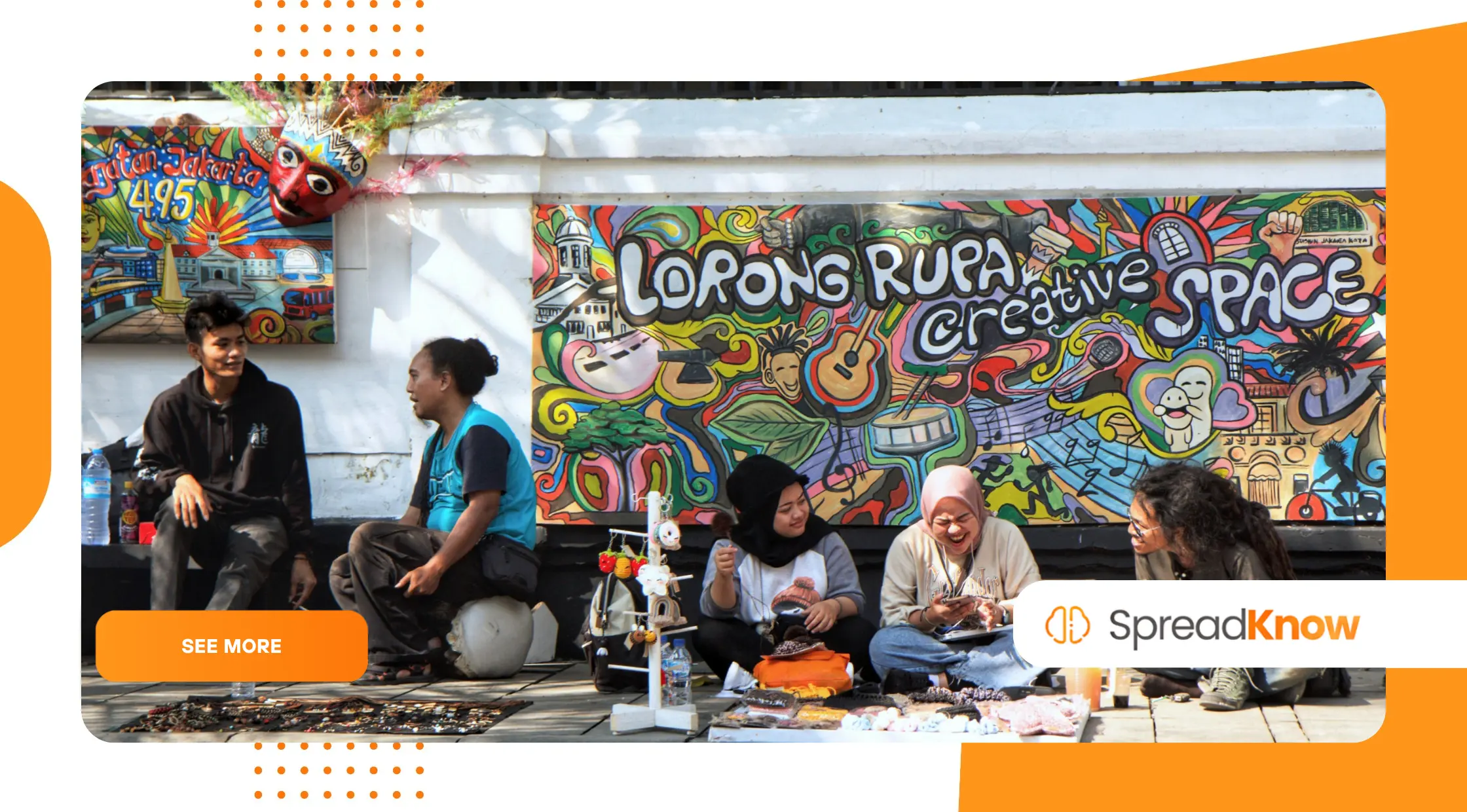
Le relation entre l'art et le changement social Il s'agit de l'une des dynamiques les plus durables et les moins bien comprises de l'histoire de l'humanité : un échange réciproque et non linéaire dans lequel l'art reflète à la fois les conditions d'émergence des mouvements sociaux et façonne activement la conscience qui rend le changement possible.
Annonces
Aucune de ces forces n'existe isolément : chaque nouveau mouvement artistique émerge de conditions sociales spécifiques, et chaque mouvement social bénéficie de l'énergie créative et de la vision que les artistes apportent, une symbiose qui a fonctionné sans interruption depuis les abolitionnistes du XVIIIe siècle jusqu'aux militants écologistes du XXIe siècle.
Ce qui distingue l'art des autres instruments de changement social, c'est le chemin cognitif et émotionnel particulier qu'il active — non pas la persuasion rationnelle de l'argumentation, non pas la pression organisationnelle de l'action collective, mais l'engagement empathique de l'expérience imaginative qui rend l'injustice abstraite personnellement réelle.
Une étude publiée dans l’International Journal of Arts and Humanities en 2025 a confirmé que les arts visuels transcendent les barrières linguistiques, suscitent des réactions émotionnelles et inspirent une réflexion critique d’une manière que d’autres formes de communication ne peuvent reproduire, une conclusion qui explique pourquoi les gouvernements autoritaires ont toujours considéré l’expression artistique comme une menace politique suffisamment grave pour censurer, emprisonner et exiler ses praticiens.
Un article de 2025 examinant l'art comme moyen de changement social a retracé l'héritage de l'art politique, des peintures murales de Diego Rivera aux installations participatives de base, documentant comment les artistes collaborent de plus en plus avec les communautés marginalisées pour démocratiser la production artistique et amplifier les voix sous-représentées.
Annonces
La question qu’il convient d’examiner attentivement n’est pas de savoir si l’art influence le changement social — cette relation est historiquement documentée et incontestable — mais comment cette influence opère, par quels mécanismes, dans quelles conditions et avec quelles limites.
L'art comme infrastructure émotionnelle des mouvements sociaux
Les mouvements sociaux ont besoin de plus qu'une analyse correcte de l'injustice et de structures organisationnelles efficaces pour se maintenir pendant les longues périodes d'échec apparent qui précèdent la plupart des transformations sociales importantes ; ils ont besoin de ce que l'on pourrait appeler une infrastructure émotionnelle, le sentiment partagé de possibilité et de solidarité qui rend la poursuite des efforts rationnelle lorsque les résultats sont incertains.
L'art fournit cette infrastructure émotionnelle d'une manière qu'aucun autre élément d'un mouvement ne peut reproduire, car il opère par l'imagination plutôt que par l'argumentation, créant des expériences de sentiment collectif qui lient des individus disparates en communautés capables d'une action soutenue.
Guernica de Picasso, peinte en 1937 en réaction au bombardement nazi d'une ville basque, ne présentait aucun argument contre la guerre ; elle créait une expérience de l'horreur de la guerre si viscérale et formellement puissante qu'elle est devenue l'une des images anti-guerre les plus reproduites de l'histoire, servant à la fois de document historique et de force de mobilisation continue pour les mouvements pacifistes des décennies après les événements précis qui l'ont produite.
Le médaillon abolitionniste de Josiah Wedgwood de 1787 — représentant un homme esclave agenouillé et enchaîné, accompagné des mots « Ne suis-je pas un homme et un frère ? » — a été distribué sous forme de bijoux et d'objets ménagers dans toute la Grande-Bretagne, ancrant ainsi l'argument moral contre l'esclavage dans la culture matérielle quotidienne d'une manière que les pamphlets et les discours parlementaires n'avaient pas pu réaliser.
La diffusion massive du médaillon a contribué au climat moral qui a permis l'adoption de la loi d'abolition de la traite des esclaves en 1807, illustrant un mécanisme qui traverse l'histoire de l'art et du changement social : l'art ne provoque pas directement de décisions législatives, mais prépare le terrain émotionnel et moral sur lequel peut se développer la possibilité législative.
Cette fonction préparatoire est précisément ce qui rend le rôle de l'art dans le changement social difficile à mesurer et facile à sous-estimer : ses effets opèrent en amont des résultats visibles par lesquels le changement social est généralement évalué, dans la transformation de la façon dont les gens perçoivent l'injustice avant d'être incités à agir contre elle.
++ Comment se remettre d'un épuisement scolaire sans perdre son élan
Études de cas historiques : Quand l'art a changé les termes du débat public
Les exemples les plus instructifs de l'art comme moteur de changement social sont ceux où une œuvre ou un mouvement artistique spécifique a modifié les termes du débat public de manière à rendre politiquement et moralement intenables des positions auparavant stables.
La Liberté guidant le peuple (1830) de Delacroix ne commémorait pas seulement la Révolution de Juillet — elle a produit une grammaire visuelle de l'aspiration démocratique qui a circulé dans toute l'Europe pendant le reste du XIXe siècle, fournissant aux mouvements révolutionnaires ultérieurs une imagerie qui reliait leurs luttes spécifiques à une tradition légitimante de souveraineté populaire.
La Renaissance de Harlem des années 1920 et 1930 représente l'un des exemples les plus complets de l'art comme infrastructure sociale : en produisant un ensemble d'œuvres littéraires, d'arts visuels et musicales qui affirmaient la profondeur, la sophistication et l'humanité de la vie culturelle afro-américaine à un moment où l'idéologie ségrégationniste reposait sur le déni de cette humanité, des artistes comme Langston Hughes, Jacob Lawrence et Duke Ellington ont changé les conditions culturelles dans lesquelles le mouvement des droits civiques allait devenir possible.
L'installation Straight d'Ai Weiwei — 150 tonnes de barres d'armature en acier récupérées dans les ruines d'écoles effondrées lors du tremblement de terre du Sichuan en 2008 en raison de défauts de construction liés à la corruption, méticuleusement redressées à la main — a créé une expérience de responsabilité gouvernementale si concrète et matériellement puissante qu'elle a attiré l'attention internationale sur une injustice que le gouvernement chinois réprimait activement.
| Artiste/Œuvre | Année | Problème social | Impact documenté |
|---|---|---|---|
| Médaillon Wedgwood | 1787 | Abolition de l'esclavage | A contribué à la loi d'abolition de 1807 |
| Guernica (Picasso) | 1937 | Sentiment anti-guerre | Symbole indéfectible depuis plus de 80 ans |
| Renaissance de Harlem | années 1920-1930 | Égalité raciale | Infrastructure culturelle pour les droits civiques |
| L'hétérosexualité d'Ai Weiwei | 2012 | Responsabilisation du gouvernement | attention politique internationale |
| Get Out (Jordan Peele) | 2017 | Anxiété raciale | Programmes universitaires, discours public |
La régularité de ces exemples révèle un point important sur la manière dont l'art produit un changement social : il agit rarement par le biais d'une seule œuvre créant un changement unique, mais par l'accumulation d'expériences imaginatives qui, peu à peu, font que certaines façons de voir le monde — certaines intuitions morales, certaines réactions émotionnelles à l'injustice — paraissent naturelles et évidentes à des publics qui ne les avaient jamais examinées consciemment.
Art urbain, activisme numérique et démocratisation de la protestation artistique
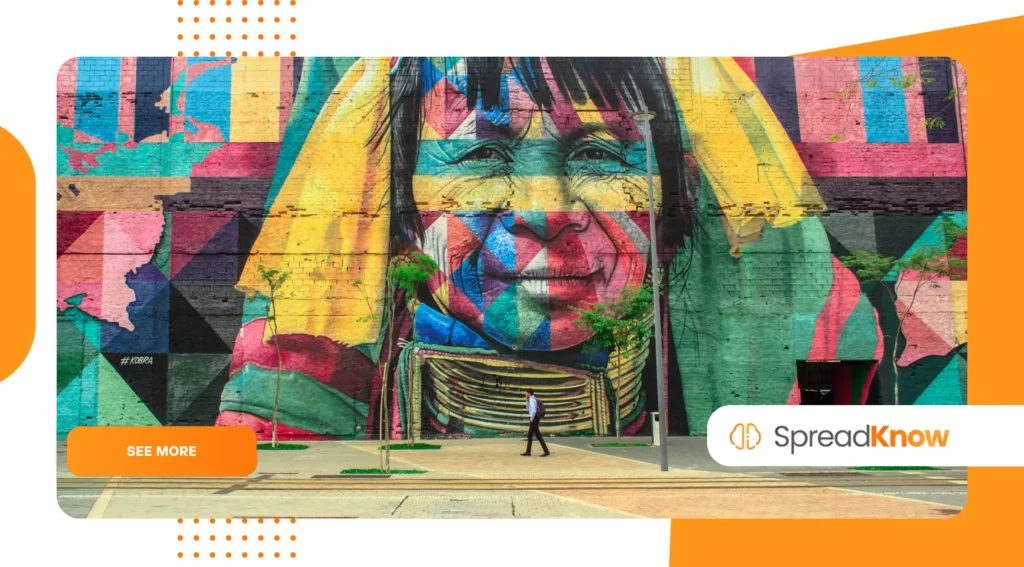
Au XXIe siècle, la relation entre l'art et le changement social a été fondamentalement modifiée par deux évolutions qui opèrent en parallèle : l'essor du street art comme langage visuel de protestation mondialement lisible, et l'émergence des plateformes numériques comme infrastructure de distribution pour un art militant qui contourne le contrôle institutionnel des galeries, des musées et des médias traditionnels.
Banksy et Shepard Fairey représentent les artistes les plus visibles commercialement d'une tradition d'art urbain qui utilise l'espace public comme toile et arène politique, créant des œuvres qui critiquent la corruption politique, le changement climatique et la culture de consommation dans des lieux où leur public ne peut pas choisir de les ignorer comme il pourrait le faire lors d'une exposition en galerie.
La transformation numérique de l'art militant a amplifié sa portée géographique sans nécessairement amplifier la profondeur de son impact : une illustration virale peut atteindre des millions de personnes en quelques heures tout en produisant un engagement plus superficiel qu'une fresque murale avec laquelle une communauté vit pendant des années, et la question de savoir si l'activisme artistique numérique produit un changement de comportement durable ou génère principalement une prise de conscience momentanée reste véritablement controversée.
UNESCO a documenté le rôle des arts communautaires et des pratiques artistiques participatives dans la construction de la cohésion sociale dans les sociétés touchées par un conflit et en situation post-conflit, reconnaissant que la capacité de l'art à créer des expériences partagées et à renforcer les liens communautaires représente une forme distincte d'intervention sociale que les cadres de développement ont historiquement sous-estimée.
Les « artivistes » — des artistes qui associent explicitement pratique artistique et activisme social — se sont réunis au Forum mondial Skoll 2024 pour discuter de ce défi. Des praticiens d'Afghanistan, du Rwanda, des Philippines et du Venezuela ont décrit la difficulté particulière de rendre l'impact social de l'art lisible aux bailleurs de fonds qui mesurent les résultats en termes quantitatifs, lesquels saisissent le moins précisément ce que l'art fait et passent à côté de ce qu'il fait de plus distinctif.
Les limites et les complexités éthiques de l'art en tant que changement social
Un engagement honnête envers la relation entre l'art et le changement social exige une reconnaissance claire de ses limites et de ses complexités éthiques, car son histoire comprend non seulement des réussites transformatrices, mais aussi la récupération, l'exploitation et l'instrumentalisation des récits des communautés marginalisées auprès d'un public qui les consomme sans se soucier des conditions qui les ont produits.
L'art qui s'appuie sur des stéréotypes, simplifie à l'excès les problèmes sociaux ou exploite les traumatismes à des fins esthétiques peut faire plus de mal que de bien – un phénomène documenté dans l'industrie cinématographique, où les récits à thématique sociale centrés sur des protagonistes blancs dans des histoires concernant des communautés non blanches suscitent des critiques et un abandon du public qui reflètent non pas une hypersensibilité, mais une perception juste de la façon dont le cadre d'une histoire détermine quelle conscience est élargie et laquelle est confirmée.
La récupération de l'esthétique militante par les intérêts commerciaux représente un défi structurel que les artistes militants ont surmonté avec un succès variable : les images et les langages visuels développés au sein des mouvements sociaux pour contester la culture dominante sont régulièrement absorbés par la publicité, la mode et le divertissement d'une manière qui les dépouille de leur contenu critique tout en conservant leur puissance visuelle.
Une étude publiée dans Art Therapy en 2025 a examiné un groupe d'activisme social utilisant l'art pour susciter le changement, et a constaté qu'un activisme efficace exigeait de l'authenticité, de la compassion et une volonté d'accepter la tension et l'incertitude – des qualités qui sont systématiquement sapées lorsque l'art au service du changement est instrumentalisé pour servir des messages prédéterminés plutôt que d'être autorisé à explorer la véritable complexité des conditions sociales qu'il aborde.
++ Le rôle de l'art dans les mouvements de résistance politique
La question de savoir si l'art peut être évalué objectivement quant à son impact sur le changement social — une question qui est revenue à plusieurs reprises lors des discussions du Skoll World Forum — reflète une tension plus profonde entre le mode de fonctionnement de l'art, qui est qualitatif, expérientiel et à long terme, et les cadres de responsabilité de l'investissement social, qui exigent des preuves quantitatives, attribuables et à court terme de l'impact.
Aucun des deux camps n'a tort : la responsabilisation sans mesure relève du vœu pieux, mais la mesure sans prise en compte de ce qui ne peut être mesuré engendre un sous-investissement systématique dans l'infrastructure sociale qui rend possible, à terme, un changement mesurable.
Art et changement social à l'heure actuelle
Le paysage contemporain de l'art et du changement social est façonné par trois forces qui s'entrecroisent et qui, ensemble, définissent à la fois les opportunités et les défis auxquels sont confrontés les artistes qui visent à produire un impact social en 2025 et 2026.
Le changement climatique a engendré un nouveau champ de pratique artistique environnementale qui ne se limite pas à l'imagerie de protestation, mais s'appuie également sur des installations expérientielles, la visualisation collaborative de données et des projets écologiques communautaires qui impliquent le public dans la réalité matérielle de la transformation environnementale d'une manière que les statistiques abstraites ne peuvent pas atteindre.
La décentralisation mondiale de l'influence artistique — le passage d'une domination culturelle occidentale, et notamment américaine, à un paysage véritablement multipolaire de production et de diffusion artistiques — signifie que la relation de l'art avec le changement social est désormais définie par un éventail plus large de contextes culturels, de conditions politiques et de traditions esthétiques qu'à aucun autre moment de l'histoire de ce médium.
Les Nations Unies a officiellement reconnu le rôle de la culture et des arts dans la réalisation des objectifs de développement durable, reconnaissant que le changement social que vise le programme de développement nécessite non seulement des investissements économiques et des réformes politiques, mais aussi la transformation culturelle que seul l'art est capable d'initier dans l'imagination avant qu'elle ne devienne possible dans le monde.
++ L'évolution de l'expression artistique en temps de crise
Conclusion
La relation entre l'art et le changement social n'est ni le mythe romantique de l'artiste solitaire dont la vision transforme la société, ni le rejet cynique de l'expérience esthétique comme étant sans rapport avec le dur travail de transformation politique et économique — il s'agit d'un processus documenté, complexe et réciproque par lequel l'imagination prépare le terrain pour des changements que d'autres instruments d'action sociale rendent ensuite structurellement possibles.
Du médaillon Wedgwood à l'installation de barres d'armature d'Ai Weiwei, de la Renaissance de Harlem à l'activisme climatique numérique, les archives historiques confirment que l'art agit sur la conscience des sociétés de manière à modifier ce qui est perçu comme moralement possible avant même que les institutions, les lois et les structures économiques ne rattrapent ces changements.
Les complexités éthiques de l'art en tant que vecteur de changement social — la récupération, l'exploitation, le fossé entre l'impact esthétique et le changement comportemental — ne compromettent pas la relation, mais définissent les conditions dans lesquelles elle opère de manière honnête et efficace.
Ce que les preuves confirment en définitive, c'est une position de respect lucide quant à ce que l'art peut et ne peut pas faire : il ne peut se substituer à l'organisation, à la législation ou à la transformation économique, mais sans le travail d'imagination qui consiste à rendre l'injustice émotionnellement réelle et la possibilité émotionnellement crédible, ces autres instruments de changement trouvent rarement l'élan moral dont ils ont besoin pour réussir.
FAQ
1. Comment l'art crée-t-il un changement social ? L'art crée le changement social principalement en transformant la conscience émotionnelle et morale — en rendant l'injustice abstraite personnellement réelle, en renforçant la solidarité entre les communautés dispersées et en rendant des possibilités auparavant inimaginables émotionnellement crédibles — préparant ainsi le terrain psychologique à partir duquel le changement politique et institutionnel devient possible.
2. Quels sont les exemples historiques les plus marquants de l'art comme moteur de changement social ? Le médaillon abolitionniste de Josiah Wedgwood de 1787, Guernica de Picasso, la Renaissance de Harlem et l'installation Straight d'Ai Weiwei figurent parmi les exemples les plus documentés d'œuvres d'art produisant des changements mesurables dans la conscience publique et les conditions politiques autour de questions sociales spécifiques.
3. L'art numérique peut-il être aussi efficace que l'art traditionnel pour le changement social ? L'art numérique touche un public plus large et plus rapidement, mais suscite généralement un engagement plus superficiel que les œuvres avec lesquelles le public évolue au fil du temps. Son efficacité en matière de changement social dépend de sa capacité à engendrer des modifications durables des comportements et des mentalités, ou s'il se contente de générer une prise de conscience passagère sans impact pérenne.
4. Quelles sont les principales limites de l'art en tant qu'outil de changement social ? La récupération par des intérêts commerciaux, la simplification excessive de problèmes complexes, l'exploitation des récits des communautés marginalisées et la difficulté à produire un changement de comportement mesurable constituent les limites les plus importantes et documentées de la capacité de l'art à générer une transformation sociale.
5. Comment évolue la relation entre l'art et le changement social en 2025 et 2026 ? Le changement climatique a engendré de nouvelles pratiques artistiques environnementales, les plateformes numériques ont démocratisé la diffusion de l'art militant et la décentralisation mondiale de l'influence artistique a produit un paysage véritablement multipolaire dans lequel la fonction sociale de l'art est définie par un éventail de contextes culturels plus large qu'à aucun autre moment de son histoire.
