
Le rôle de l'art dans les mouvements de résistance politique
L'art dans les mouvements de résistance politique a transformé à maintes reprises le débat public en transformant les expériences personnelles en récits collectifs qui contestent l'autorité, inspirent la solidarité et préservent la mémoire historique.
Annonces
À travers les siècles et les systèmes politiques, les artistes ont utilisé l'imagerie visuelle, la performance, la littérature et la musique pour communiquer des messages que les institutions officielles tentaient souvent de supprimer.
Les mouvements de résistance s'appuient fréquemment sur l'expression culturelle car les œuvres artistiques peuvent toucher le public émotionnellement tout en contournant les barrières qui limitent la communication politique traditionnelle.
Des luttes anticoloniales aux manifestations contemporaines, les pratiques créatives ont fourni aux communautés des outils puissants pour dénoncer l'injustice et mobiliser l'engagement public.
L'expression artistique survit souvent aux événements politiques immédiats, créant des témoignages durables qui aident les générations futures à comprendre les aspirations et les sacrifices des mouvements de résistance.
Annonces
Cet article examine le rôle de l'art dans la résistance politique, en explorant sa signification historique, sa valeur stratégique, son impact culturel et sa pertinence actuelle dans les sociétés modernes.
Fondements historiques de la résistance par l'art
La résistance politique et la création artistique sont restées étroitement liées tout au long de l'histoire car l'expression culturelle offre un moyen visible et mémorable de contester les récits dominants.
Dans de nombreuses sociétés, les dirigeants contrôlaient les archives officielles et la communication publique, mais les artistes préservaient des perspectives alternatives à travers des peintures murales, des chansons, des poèmes et des images symboliques.
Durant les périodes de domination coloniale, la production culturelle est souvent devenue un moyen de défendre l'identité contre des systèmes conçus pour effacer les traditions locales et la mémoire collective.
L'art de résistance émergeait fréquemment des communautés confrontées à la censure, permettant aux idées de circuler à travers des formes créatives que les autorités peinaient à réglementer efficacement.
Les symboles visuels revêtaient une importance particulière car ils véhiculaient des messages politiques complexes par-delà les frontières linguistiques et éducatives au sein de populations diverses.
Ces exemples historiques démontrent que l'art n'a jamais été purement décoratif, mais qu'il a au contraire fonctionné comme un instrument pratique d'expression politique et d'organisation sociale.
++ Comment la technologie redéfinit les structures de pouvoir mondiales
L'art comme outil de communication et de mobilisation
Les mouvements politiques ont souvent besoin de méthodes capables de toucher rapidement un large public, et l'expression artistique offre des canaux accessibles qui communiquent des idées avec une efficacité remarquable.
Affiches, chansons, spectacles de rue et installations publiques peuvent transformer des préoccupations politiques abstraites en expériences que les gens comprennent et retiennent immédiatement.
Lors des grands mouvements sociaux, les œuvres créatives deviennent fréquemment des symboles partagés qui renforcent l'identité collective et encouragent la participation d'individus d'horizons différents.
Les ressources éducatives de Organisation des Nations Unies pour l'éducation, la science et la culture Mettre en lumière comment l'expression culturelle contribue à l'engagement civique et à la conscience sociale dans des communautés diverses.
Les artistes traduisent souvent des questions politiques complexes en récits captivants, aidant ainsi le public à relier les débats politiques à des expériences et des conséquences humaines réelles.
Parce que l'engagement émotionnel influence le comportement du public, les mouvements de résistance intègrent fréquemment des stratégies artistiques aux côtés des discours, des manifestations et des campagnes organisationnelles.
L'art visuel et le pouvoir de l'espace public
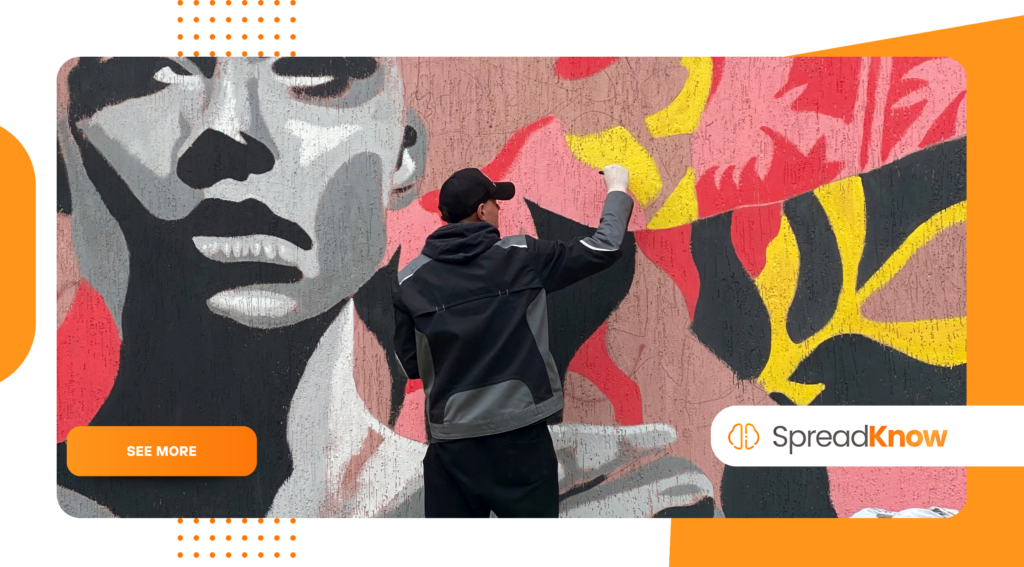
Les fresques, les graffitis, les banderoles et les installations transforment les espaces publics ordinaires en plateformes où les communautés peuvent contester les discours officiels et reconquérir leur visibilité.
Ces interventions visuelles apparaissent souvent dans des lieux directement touchés par des conflits politiques, créant des liens immédiats entre les messages artistiques et les réalités vécues.
Dans de nombreuses villes, des fresques murales de grande envergure ont documenté les luttes sociales tout en rendant hommage aux militants dont les contributions n'ont reçu qu'une reconnaissance limitée au sein des institutions traditionnelles.
| Forme artistique | Fonction principale | Impact politique |
|---|---|---|
| Peintures murales | narration publique | Renforce la mémoire communautaire |
| Graffiti | Expression rapide | Défie l'autorité de manière visible |
| Affiches | Communication de masse | Mobilise efficacement les partisans |
| Installations | Engagement symbolique | Encourage la réflexion publique |
L'art public conserve son influence car il touche des personnes en dehors des lieux culturels traditionnels, impliquant des individus qui ne recherchent pas activement d'informations politiques.
La visibilité des images de la résistance suscite souvent des débats, garantissant ainsi que les questions sociales controversées restent présentes dans la vie publique quotidienne.
++ Comment la musique façonne la mémoire collective à travers les générations
Musique, performance et identité collective
La musique a longtemps servi les mouvements de résistance car les mélodies et les paroles peuvent unir les participants tout en communiquant des messages politiques à travers les générations.
Les chants interprétés lors des manifestations créent souvent une cohésion émotionnelle, aidant les individus à se sentir liés à des luttes plus larges malgré leurs différences personnelles ou la distance géographique.
L'art de la performance ajoute une autre dimension en plaçant les préoccupations politiques directement devant le public grâce à la présence physique, au symbolisme et à la narration dramatique.
La recherche culturelle disponible par le biais de Bibliothèque du Congrès Ce document recense de nombreux exemples où la musique a permis de préserver l'histoire des communautés durant des périodes de répression et de bouleversements sociaux.
Les artistes de théâtre et de performance abordent fréquemment des sujets sensibles que les institutions politiques officielles évitent, encourageant ainsi le public à reconsidérer les idées reçues.
Par la répétition et la participation partagée, les traditions musicales et performatives aident les mouvements de résistance à maintenir leur élan lors de campagnes prolongées pour le changement social.
++ Pourquoi la répétition seule ne fonctionne pas — Comprendre les pratiques intelligentes
L'art sous la censure et les systèmes autoritaires
Les gouvernements autoritaires restreignent souvent la liberté artistique car l'expression créative peut saper les récits soigneusement contrôlés et révéler les contradictions au sein des messages officiels.
Lorsque la critique directe devient dangereuse, les artistes utilisent fréquemment le symbolisme, la métaphore et l'imagerie codée pour communiquer des points de vue dissidents.
Ces méthodes indirectes permettent de faire circuler des messages de résistance tout en réduisant les risques immédiats liés à une opposition politique explicite.
Les exemples historiques montrent que la censure élimine rarement totalement la résistance artistique, encourageant au contraire de nouvelles formes de créativité et d'adaptation.
Les expositions clandestines, les publications indépendantes et les réseaux culturels informels ont souvent permis de préserver des points de vue alternatifs pendant des périodes de fortes restrictions politiques.
La persistance de l'expression artistique sous la répression démontre la résilience de la résistance culturelle même lorsque les libertés institutionnelles sont confrontées à des limitations importantes.
Médias numériques et art de résistance contemporain
Les technologies numériques ont élargi les possibilités offertes aux artistes de la résistance en permettant une diffusion rapide des œuvres créatives par-delà les frontières nationales et culturelles.
Les images, les vidéos, les illustrations et les projets multimédias atteignent désormais un public mondial en quelques minutes, ce qui accroît la visibilité des luttes politiques locales.
Les plateformes de médias sociaux ont transformé la manière dont les mouvements partagent les symboles visuels, permettant ainsi au contenu artistique de se diffuser à travers des réseaux décentralisés.
Les militants contemporains combinent fréquemment les pratiques artistiques traditionnelles et les techniques de narration numérique pour documenter les événements et lutter contre la désinformation.
Les espaces en ligne créent également des opportunités de collaboration entre artistes qui apportent des compétences différentes tout en soutenant des objectifs politiques communs.
Bien que les environnements numériques présentent des défis liés à la surveillance et à la désinformation, ils restent des espaces importants pour l'engagement politique créatif.
L'héritage durable de l'art de la résistance
L'influence de l'art de résistance s'étend souvent bien au-delà des mouvements spécifiques qui ont inspiré sa création, façonnant la mémoire collective pendant des décennies.
Les œuvres d'art préservent les dimensions émotionnelles des événements historiques que les documents officiels ne parviennent parfois pas à saisir avec une profondeur et une immédiateté comparables.
Les musées, les archives et les organisations communautaires reconnaissent de plus en plus l'art de la résistance comme une composante essentielle de la compréhension historique et de l'éducation civique.
De nombreuses œuvres célèbres, initialement perçues comme controversées, deviennent par la suite d'importantes références culturelles qui éclairent des transformations sociales plus vastes.
La pertinence continue de l'art de la résistance témoigne de sa capacité à relier les expériences historiques aux débats contemporains sur la justice et la participation démocratique.
Face aux nouveaux défis politiques auxquels les sociétés sont confrontées, l'expression artistique demeure un puissant moyen de documenter les luttes, d'inspirer l'action et de préserver la mémoire collective.
Conclusion
L'art joue un rôle central dans la résistance politique car il transforme les idées en expériences culturelles puissantes qui résonnent au-delà des frontières sociales et générationnelles.
À travers l'imagerie visuelle, la musique, la performance et les médias numériques, les artistes aident les mouvements à communiquer leurs objectifs, à renforcer la solidarité et à remettre en question les récits dominants.
L'histoire démontre que l'expression créative reste efficace même en cas de censure, de répression et de résistance institutionnelle.
L’héritage durable de l’art de la résistance confirme son importance à la fois comme catalyseur de l’engagement politique et comme témoignage d’aspirations collectives.
FAQ
1. Quel est le rôle principal de l'art dans les mouvements de résistance politique ?
L'art communique des messages politiques, renforce la solidarité, préserve la mémoire et aide les mouvements à mobiliser un public plus large grâce à des liens émotionnels et culturels.
2. Pourquoi les mouvements de résistance utilisent-ils fréquemment la musique et les arts visuels ?
Ces supports sont accessibles, faciles à mémoriser et permettent de communiquer rapidement des idées complexes à travers différents milieux sociaux et éducatifs.
3. L'art peut-il conserver son influence après la fin d'un mouvement politique ?
Oui, l'art de la résistance s'inscrit souvent dans la mémoire historique, aidant les générations futures à comprendre les luttes sociales et les transformations politiques.
4. Comment les artistes expriment-ils leur résistance face à la censure ?
Les artistes utilisent souvent le symbolisme, la métaphore, les messages codés et les réseaux culturels alternatifs pour communiquer des idées lorsque la critique directe est restreinte.
5. Quel rôle joue la technologie numérique dans l'art de résistance moderne ?
Les plateformes numériques permettent aux artistes de diffuser du contenu à l'échelle mondiale, de collaborer par-delà les frontières, de documenter des événements et d'accroître la visibilité des causes politiques.
