
Comment les loisirs créent des états de flow et réduisent le stress
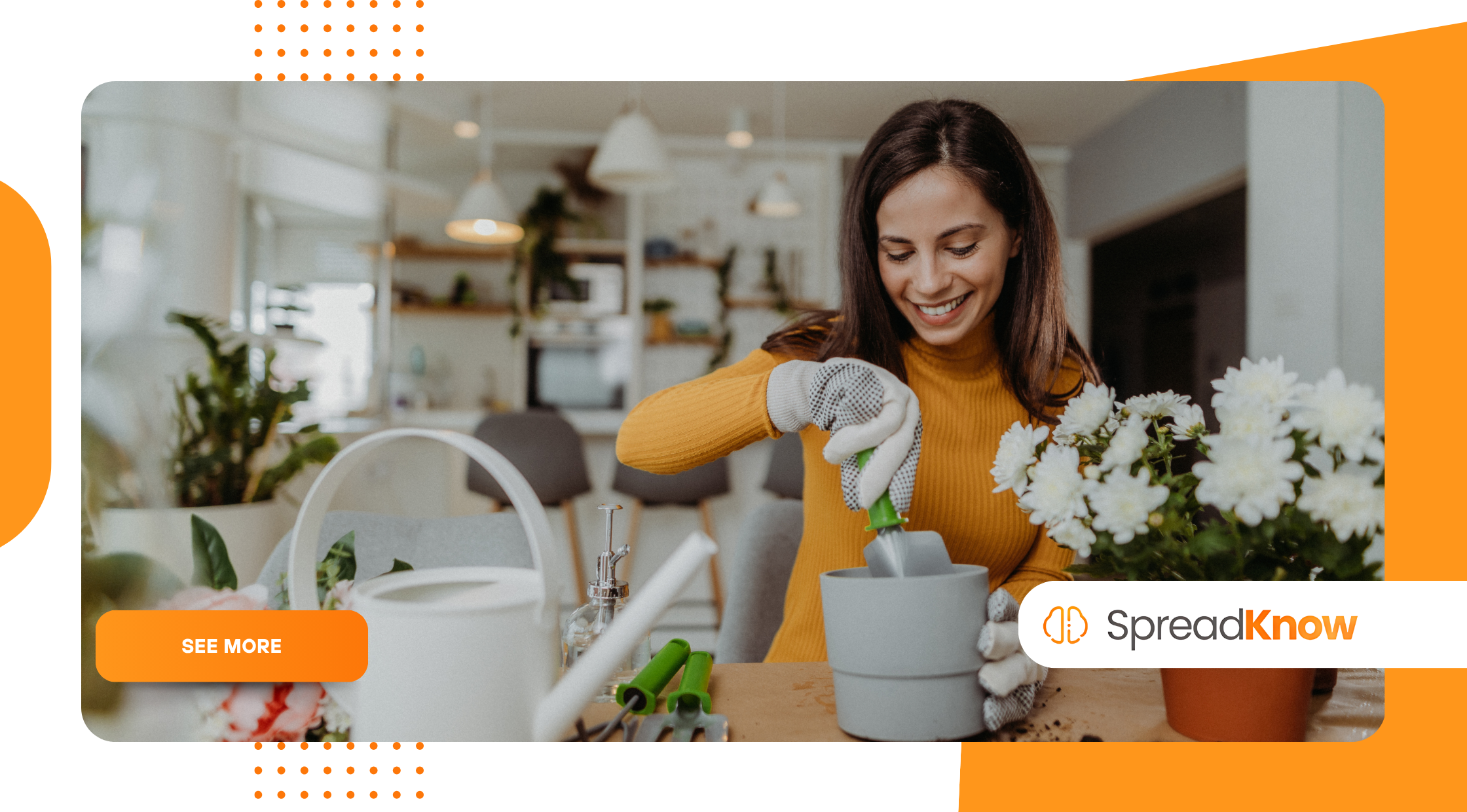
Les loisirs qui créent des expériences de flow prennent une importance croissante car les routines modernes surchargent souvent la capacité d'attention, la stabilité émotionnelle et la résilience psychologique, que ce soit dans les environnements professionnels, les obligations sociales ou les modes de vie numériques constamment connectés.
Annonces
De nombreux psychologues reconnaissent aujourd'hui que les passe-temps significatifs peuvent renforcer la concentration, la régulation émotionnelle et la motivation à long terme, tout en réduisant les symptômes de stress persistants causés par le multitâchage excessif, l'incertitude et la pression continue des attentes modernes en matière de productivité.
On sous-estime souvent l'influence des activités créatives et récréatives sur l'équilibre neurologique, alors même que l'exposition répétée à des défis stimulants peut améliorer la flexibilité cognitive, la récupération émotionnelle et la confiance en soi à différentes étapes du développement adulte.
Les chercheurs en psychologie comportementale continuent d'explorer les raisons pour lesquelles les activités immersives génèrent un sentiment de satisfaction plus fort, notamment lorsque les individus perdent la notion du temps en se concentrant entièrement sur des expériences personnelles stimulantes mais agréables.
Le concept d'état de flow a suscité un intérêt mondial car les professionnels, les étudiants, les athlètes et les retraités recherchent de plus en plus des moyens plus sains d'échapper à l'épuisement mental sans dépendre exclusivement de divertissements passifs ou de distractions temporaires.
Annonces
Cet article examine comment les loisirs influencent les états de flow, la stabilité émotionnelle, la relaxation physique et le bien-être mental à long terme, tout en analysant des exemples pratiques, des observations scientifiques et des modèles comportementaux qui façonnent des routines modernes plus saines.
Les fondements psychologiques des états de flow
Le psychologue Mihaly Csikszentmihalyi a introduit le concept de flow après avoir observé des artistes, des musiciens et des athlètes qui décrivaient systématiquement une immersion totale lors d'activités exigeant concentration, investissement émotionnel et défis personnels équilibrés.
L'état de flow apparaît généralement lorsqu'une personne est confrontée à des tâches suffisamment exigeantes pour maintenir son attention sans engendrer de frustration excessive, permettant ainsi à la concentration et à la satisfaction de se développer simultanément pendant des périodes prolongées d'engagement ininterrompu.
Les personnes qui vivent l'état de flow rapportent fréquemment une diminution de la conscience du temps, car le cerveau privilégie temporairement la concentration sur le moment présent plutôt que les préoccupations répétitives liées aux échéances, aux responsabilités non résolues ou aux pressions émotionnelles externes.
Cet équilibre neurologique engendre des bénéfices psychologiques mesurables, car une attention focalisée peut réduire la fatigue mentale tout en augmentant la production de dopamine associée à la motivation, à la curiosité et à la récompense émotionnelle tout au long des routines quotidiennes exigeantes.
Des études menées auprès de musiciens, de joueurs, d'écrivains et d'athlètes amateurs démontrent régulièrement que les loisirs structurés favorisent un engagement cognitif plus important que la consommation passive de médias, en particulier lorsque les activités impliquent de la créativité, une progression des compétences et une autonomie personnelle.
Les milieux de travail modernes encouragent de plus en plus les programmes récréatifs, car les employés qui s'adonnent régulièrement à des loisirs significatifs font souvent preuve d'une meilleure résilience émotionnelle, d'une concentration accrue et d'une gestion du stress plus saine dans des environnements professionnels compétitifs.
++ Pourquoi l'apprentissage de compétences pratiques renforce la confiance en soi et l'autonomie
Pourquoi les activités créatives calment le système nerveux
Les loisirs créatifs activent fréquemment des réponses de relaxation car les mouvements artistiques répétitifs favorisent un ralentissement de la respiration, une meilleure gestion des émotions et une déconnexion temporaire des flux d'informations externes accablants qui affectent la stabilité psychologique.
Des neuroscientifiques étudiant la régulation du stress ont constaté des améliorations émotionnelles mesurables chez les participants pratiquant régulièrement la peinture, le tricot, la photographie ou la tenue d'un journal, dans le cadre de programmes documentés par le Instituts nationaux de la santé.
Les activités impliquant une interaction tactile peuvent calmer un système nerveux surstimulé car les mouvements physiques répétitifs aident à détourner l'attention des cercles vicieux d'anxiété et à la diriger vers des objectifs créatifs réalisables et immédiatement gratifiants.
Les personnes qui se remettent d'un burn-out retrouvent souvent une stabilité émotionnelle grâce à des loisirs qui nécessitent une progression graduelle, car les petites réussites permettent de reconstruire la confiance sans exposer les individus à un jugement excessif, à la compétition ou à une pression professionnelle imprévisible.
La relation entre créativité et bien-être émotionnel semble également fortement liée à l'autonomie, car les loisirs permettent aux individus de contrôler leur rythme, leurs objectifs et leurs attentes sans que les exigences de performance institutionnelles n'influencent leur satisfaction personnelle.
De nombreux thérapeutes recommandent désormais des activités créatives accessibles, car les passe-temps peu coûteux procurent souvent des bienfaits émotionnels comparables à des interventions de bien-être plus structurées lorsqu'ils sont pratiqués régulièrement dans le cadre d'horaires quotidiens équilibrés.
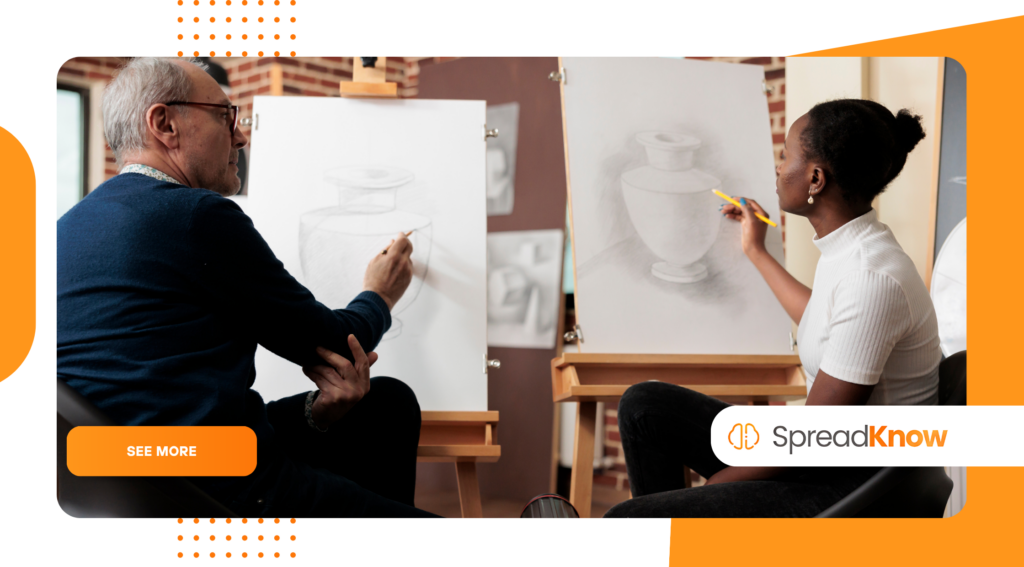
Loisirs physiques et récupération émotionnelle
Les loisirs physiques offrent des avantages psychologiques uniques car le mouvement corporel stimule la production d'endorphines tout en favorisant la concentration, la coordination et la régulation émotionnelle lors d'activités récréatives répétitives ou nécessitant des compétences.
Les clubs de marche, les groupes de cyclisme, les séances de natation et les arts martiaux récréatifs aident souvent les participants à se déconnecter du stress lié au travail tout en améliorant leur santé cardiovasculaire, leur endurance musculaire et leur stabilité psychologique globale grâce à un mouvement structuré.
Les athlètes décrivent fréquemment l'entrée dans un état de flow pendant les exercices d'endurance, car les mouvements rythmiques favorisent une concentration profonde tout en réduisant la conscience des distractions externes, des soucis émotionnels et des interruptions cognitives inutiles.
Selon les recherches évoquées par les Association américaine de psychologieUne activité physique récréative régulière peut améliorer la régulation de l'humeur et réduire les réponses physiologiques au stress associées à l'anxiété chronique et à l'épuisement émotionnel.
De nombreux adultes souffrant de fatigue numérique font état d'un soulagement émotionnel important après avoir adopté des loisirs de plein air, car les environnements naturels réduisent la surcharge sensorielle tout en favorisant des schémas d'attention plus calmes et des interactions interpersonnelles plus saines.
Le tableau suivant met en évidence plusieurs activités récréatives généralement associées à une meilleure concentration, à une récupération émotionnelle et à des expériences de flow plus intenses, et ce, pour différents groupes d'âge et modes de vie professionnels.
| Passe-temps | Principal avantage psychologique | Déclencheur de flux commun |
|---|---|---|
| Peinture | Expression émotionnelle | Concentration visuelle détaillée |
| En cours d'exécution | Réduction du stress | Répétition physique rythmique |
| Jardinage | relaxation mentale | Engagement sensoriel continu |
| Jouer de la musique | Immersion émotionnelle | Progression des compétences et timing |
| Cuisson | Concentration cognitive | coordination créative en plusieurs étapes |
Comment la technologie interrompt l'engagement profond
Les plateformes numériques rivalisent constamment pour capter l'attention, car les notifications, le contenu algorithmique et les habitudes multitâches encouragent des schémas de concentration fragmentés qui interfèrent directement avec les expériences immersives nécessaires au développement d'un état de flow sain.
Nombreuses sont les personnes qui se lancent dans des loisirs pour se détendre, mais qui, inconsciemment, interrompent leur concentration par une utilisation excessive de leur smartphone, réduisant ainsi la profondeur émotionnelle et la satisfaction cognitive normalement associées à des expériences récréatives ininterrompues.
Les chercheurs avertissent de plus en plus que la diminution de la capacité d'attention peut affaiblir la régulation émotionnelle, car la stimulation numérique continue habitue le cerveau à privilégier la nouveauté plutôt que la concentration soutenue, la patience et l'engagement réflexif.
Les personnes qui pratiquent des loisirs hors ligne décrivent souvent une plus grande clarté émotionnelle, car la concentration ininterrompue crée une distance mentale par rapport à la comparaison sociale, à la surcharge d'informations et à l'anxiété de performance amplifiées par une exposition numérique constante.
Cette prise de conscience croissante explique pourquoi des activités comme le jardinage, le travail du bois et la photographie argentique ont regagné en popularité auprès des jeunes adultes qui recherchent des routines intentionnelles déconnectées des environnements en ligne connectés en permanence.
Les établissements d'enseignement et les programmes de bien-être en entreprise encouragent de plus en plus les activités récréatives sans écran, car un engagement plus profond dans les loisirs peut améliorer la créativité, la collaboration et la résilience émotionnelle dans des environnements scolaires et professionnels exigeants.
++ Comment les loisirs améliorent les compétences en résolution de problèmes
L'impact social des loisirs partagés
Les loisirs partagés renforcent le bien-être émotionnel car les expériences récréatives collaboratives favorisent la confiance, la communication et le sentiment d'appartenance sociale tout en réduisant l'isolement souvent accentué par des circonstances professionnelles ou personnelles stressantes.
Les chorales communautaires, les clubs de lecture, les ligues sportives locales et les projets de jardinage bénévoles créent souvent des relations interpersonnelles significatives, car les participants se connectent autour d'objectifs communs plutôt que d'attentes sociales compétitives ou d'interactions transactionnelles.
Les personnes confrontées au deuil, à un déménagement ou à une instabilité professionnelle font souvent état d'une amélioration émotionnelle après avoir rejoint des communautés de loisirs, car les environnements sociaux structurés offrent soutien, familiarité et des occasions régulières d'interactions interpersonnelles positives.
Les loisirs de groupe favorisent également la responsabilisation, car les activités planifiées incitent les participants à maintenir des habitudes plus saines, à développer leur confiance en eux et à préserver leur équilibre émotionnel pendant les périodes d'incertitude ou d'épuisement psychologique.
Les sociologues qui étudient le comportement communautaire ont observé que la participation à des activités récréatives renforce souvent l'engagement civique, car les individus émotionnellement liés ont tendance à faire preuve d'une plus grande empathie, d'une plus grande coopération et d'un investissement à long terme plus important dans leur environnement local.
Ces expériences collectives deviennent particulièrement précieuses lors de périodes sociales stressantes, car les activités récréatives partagées procurent une stabilité émotionnelle tout en renforçant l'optimisme, la résilience et une communication interpersonnelle constructive au sein de diverses communautés.
++ L'avenir de la démocratie à l'ère de l'information numérique
Pourquoi les états de flow améliorent la santé mentale à long terme
Les expériences de flow contribuent à la stabilité psychologique à long terme car la concentration immersive interrompt temporairement les schémas de stress répétitifs tout en renforçant la régulation émotionnelle, la confiance et la motivation interne grâce à des réalisations personnelles significatives.
Les personnes qui pratiquent régulièrement des loisirs font souvent preuve de mécanismes d'adaptation plus sains, car les défis récréatifs offrent des occasions contrôlées de résolution de problèmes, de patience et d'adaptation émotionnelle sans conséquences externes graves.
Les thérapeutes encouragent fréquemment le développement de passe-temps chez les patients souffrant d'anxiété, car des exercices de concentration agréables peuvent réduire les ruminations tout en favorisant des réponses neurologiques plus saines associées à la relaxation et au rétablissement émotionnel.
Les retraités bénéficient particulièrement des routines récréatives structurées, car les passe-temps maintiennent la stimulation cognitive, l'interaction sociale et un but émotionnel après des transitions professionnelles importantes ou des changements majeurs affectant l'identité personnelle et la structure quotidienne.
Les jeunes adultes confrontés à la pression scolaire bénéficient également de bienfaits psychologiques grâce aux loisirs, car l'immersion récréative crée une distance mentale par rapport aux attentes de performance tout en encourageant la créativité, l'expérimentation et une perception émotionnelle de soi plus saine.
Ces avantages émotionnels s'accumulent progressivement car une exposition régulière à une concentration agréable renforce les voies neurologiques liées à la résilience, à l'optimisme, à l'adaptabilité et à des réponses plus saines à long terme face aux expériences stressantes du quotidien.
Créer des routines de loisirs durables dans la vie moderne
Nombre d'adultes abandonnent prématurément leurs loisirs car des emplois du temps surchargés créent la fausse impression que les activités récréatives représentent des luxes optionnels plutôt que des éléments contribuant de manière significative à la stabilité émotionnelle et psychologique.
Les experts recommandent souvent de commencer par des activités récréatives gérables, car les habitudes durables se développent plus efficacement par la constance que par des routines ambitieuses impossibles à maintenir en période de stress professionnel.
De courtes séances quotidiennes consacrées à la lecture, au dessin, à la cuisine ou à la pratique d'un instrument de musique peuvent progressivement renforcer la concentration tout en améliorant l'équilibre émotionnel malgré des emplois du temps personnels exigeants et imprévisibles.
On éprouve souvent une plus grande satisfaction en choisissant des passe-temps qui correspondent à sa curiosité plutôt qu'aux tendances extérieures, car un intérêt personnel authentique accroît la motivation, la patience et le lien émotionnel lors d'expériences d'apprentissage difficiles.
Les familles peuvent également bénéficier d'activités récréatives collectives, car les loisirs partagés favorisent des modes de communication plus sains, tout en réduisant la dépendance excessive aux écrans et en renforçant les liens affectifs entre les différentes générations et modes de vie.
Les loisirs durables fonctionnent en fin de compte comme des structures émotionnelles protectrices, car une pratique récréative régulière aide les individus à préserver leur stabilité psychologique tout en faisant face à l'incertitude, à la pression professionnelle et aux attentes sociales modernes de plus en plus accélérées.
Conclusion
Les loisirs influencent la santé mentale bien au-delà du simple divertissement temporaire, car les expériences récréatives immersives renforcent la résilience émotionnelle, améliorent la concentration et créent des réponses psychologiques plus saines face au stress, à l'incertitude et aux responsabilités quotidiennes exigeantes.
L’état de flow demeure particulièrement précieux dans la société contemporaine, car la stimulation numérique constante et la pression professionnelle réduisent fréquemment les possibilités de concentration ininterrompue, de récupération émotionnelle et d’engagement personnel réflexif.
Les personnes qui consacrent régulièrement du temps à des activités récréatives significatives développent souvent une relation plus saine avec la productivité, car la satisfaction personnelle est liée à la croissance, à la créativité et à l'équilibre émotionnel plutôt qu'à une validation externe constante.
L'intérêt scientifique croissant porté aux états de flow démontre que les loisirs ne doivent plus être considérés comme des distractions secondaires, car ils représentent de plus en plus des outils essentiels favorisant la stabilité émotionnelle à long terme et le bien-être psychologique.
FAQ
1. Que signifie l'expression « les loisirs créent des états de flow » ?
L’état de flow survient lorsque les individus s’immergent complètement dans des activités agréables, ce qui entraîne une concentration accrue, une diminution de la conscience du temps et une séparation temporaire des pensées stressantes ou des distractions extérieures.
2. Quels sont les loisirs les plus associés à la réduction du stress ?
Les loisirs créatifs, physiques et axés sur le développement des compétences, tels que la peinture, le jardinage, la natation, la pratique musicale, la cuisine et la photographie, favorisent souvent la détente tout en encourageant la récupération émotionnelle et une concentration soutenue.
3. De courtes séances de loisirs peuvent-elles encore améliorer le bien-être émotionnel ?
Même de brèves séances de loisirs peuvent favoriser l'équilibre émotionnel, car une pratique régulière renforce les habitudes de concentration tout en réduisant la fatigue mentale causée par le multitâchage excessif et la stimulation numérique constante.
4. Pourquoi les loisirs hors ligne sont-ils souvent plus relaxants que les divertissements numériques ?
Les loisirs hors ligne favorisent généralement une concentration plus profonde car ils réduisent les interruptions, les comparaisons sociales et les distractions algorithmiques qui fragmentent souvent l'attention et augmentent la surstimulation émotionnelle dans les routines quotidiennes.
5. Comment les débutants peuvent-ils continuer à pratiquer leurs loisirs sans perdre leur motivation ?
Les débutants réussissent généralement mieux à maintenir leurs loisirs après avoir choisi des activités qui ont du sens pour eux, fixé des attentes réalistes et privilégié un plaisir constant plutôt qu'une performance immédiate ou une maîtrise rapide des compétences.
