
L'intersection de la technologie et de la création artistique
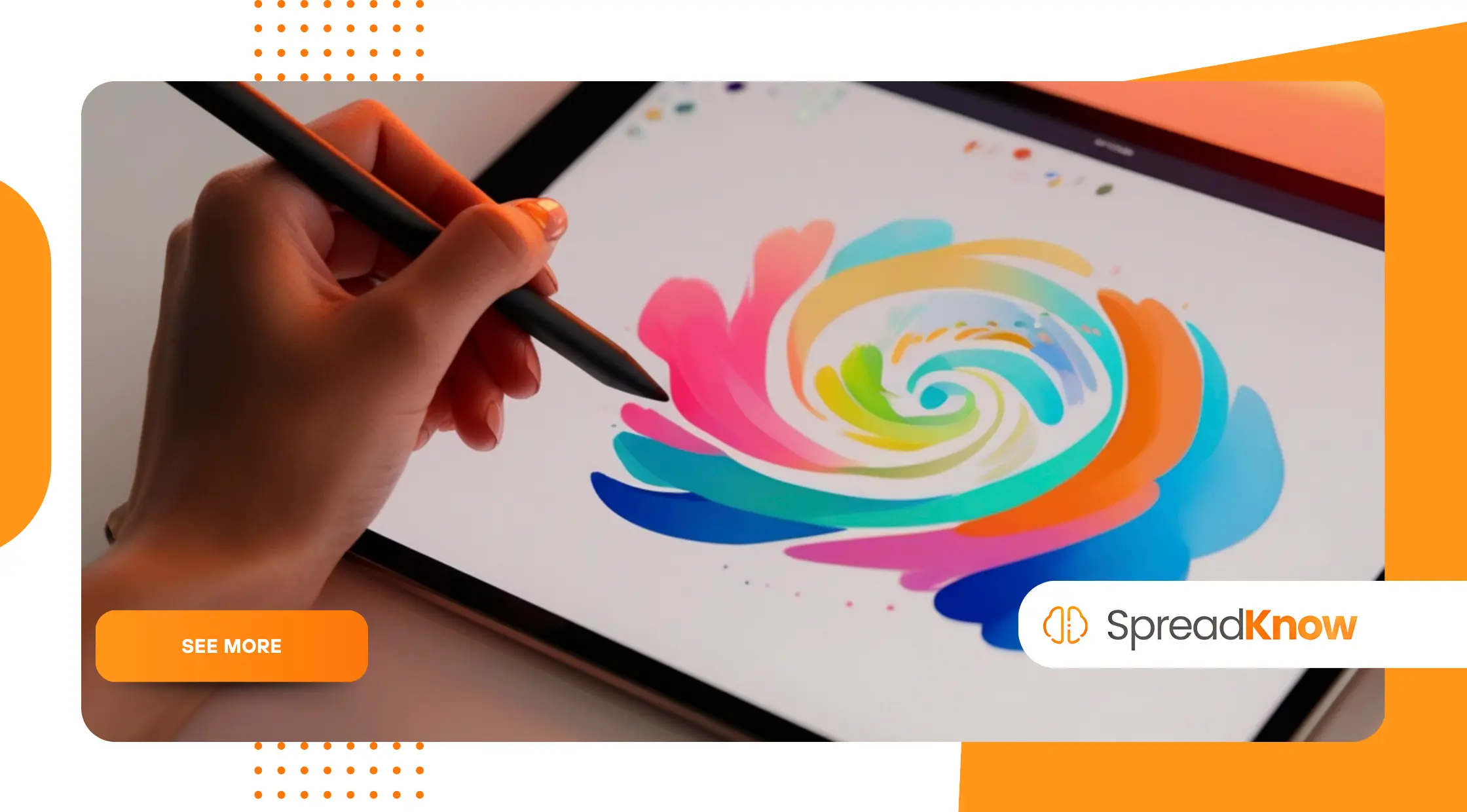
La conversation autour Technologie et création artistique Ce phénomène s'est intensifié à mesure que les outils numériques façonnent de plus en plus la manière dont les artistes imaginent, produisent et diffusent des œuvres culturelles dans les sociétés contemporaines.
Annonces
Cet article explore comment les systèmes technologiques modifient les processus créatifs, redéfinissent la notion d'auteur et élargissent l'accès, tout en introduisant de nouvelles tensions liées à l'authenticité, au travail et à l'intention artistique.
Plutôt que de considérer la technologie comme un instrument neutre, le débat la présente comme un collaborateur actif qui remodèle l'esthétique, les flux de travail et la signification sociale de l'art.
À travers un contexte historique, des exemples concrets et une analyse critique, le texte examine comment l'innovation redéfinit sans cesse les frontières entre la créativité humaine et les capacités des machines.
L'article examine également les réponses institutionnelles, la dynamique du marché et les débats éthiques qui émergent de cette relation évolutive entre code, outils et expression artistique.
Annonces
L’objectif final est de clarifier comment la culture créative s’adapte lorsque la technologie devient indissociable de l’acte de création artistique lui-même.
Convergence historique de l'art et de la technologie
La relation entre l'art et la technologie est antérieure aux médias numériques, et a émergé chaque fois que de nouveaux outils ont modifié la façon dont les créateurs représentaient la réalité, structuraient les récits ou interagissaient avec le public grâce à l'évolution des possibilités matérielles.
De la camera obscura à l'impression industrielle, les évolutions technologiques ont sans cesse remis en question les normes artistiques, provoquant résistance et expérimentation qui ont redéfini ce que les sociétés acceptaient comme expression créative légitime.
Par exemple, les débuts de la photographie ont déstabilisé les peintres en automatisant la représentation, mais ont finalement élargi le langage artistique grâce à l'abstraction, au réalisme et aux réponses conceptuelles à la création mécanique d'images.
Des débats similaires ont émergé avec le son enregistré, le cinéma et les médias audiovisuels, chacun introduisant la reproductibilité tout en obligeant les artistes à repenser l'originalité, la présence et l'échelle du public.
Ces schémas historiques révèlent que l'anxiété suscitée par les nouveaux outils masque souvent des transformations plus profondes du pouvoir culturel, des structures économiques et de l'organisation du travail créatif.
Comprendre cette filiation permet de contextualiser les débats contemporains en montrant que les bouleversements numériques actuels s'inscrivent dans des cycles de tension et d'adaptation de longue date.
++ Le rôle des musées à l'ère numérique
Les outils numériques transforment les processus créatifs
Les logiciels numériques ont fondamentalement transformé la manière dont les artistes conçoivent leurs œuvres, permettant de tester, de réviser et de simuler des idées avant même que le matériau physique ne soit modifié de façon permanente.
Les graphistes, les cinéastes et les musiciens s'appuient désormais sur des flux de travail itératifs où les fonctions d'annulation, les calques et le montage non linéaire encouragent l'expérimentation sans les coûts traditionnels des erreurs irréversibles.
En architecture et en sculpture, la modélisation informatique permet de créer des formes auparavant impossibles à calculer manuellement, élargissant ainsi les ambitions esthétiques tout en accroissant la dépendance aux connaissances techniques spécialisées.
Un exemple notable concerne les sculpteurs contemporains qui utilisent des logiciels de conception paramétrique pour générer des géométries complexes, ensuite fabriquées par fraisage CNC ou impression 3D.
Ces outils ne se contentent pas d'accélérer la production ; ils transforment la pensée artistique en intégrant directement la logique mathématique, les contraintes et les possibilités algorithmiques dans la prise de décision créative.
De ce fait, la frontière entre conception et réalisation technique devient de plus en plus floue dans la pratique artistique moderne.
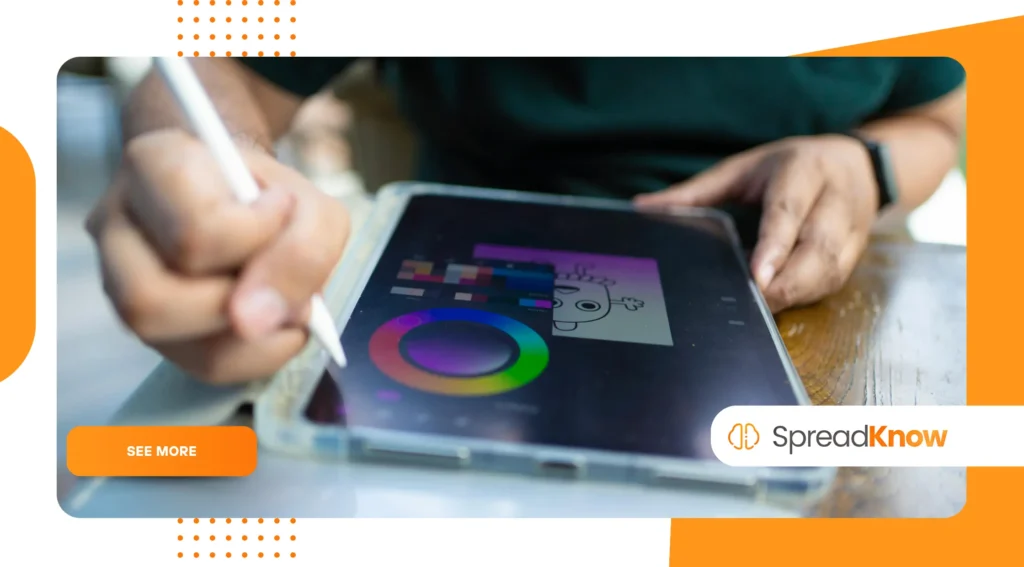
L'intelligence artificielle en tant qu'agent créatif
L'intelligence artificielle introduit un changement plus controversé en générant des images, de la musique et des textes qui ressemblent à des œuvres d'art créées par l'homme grâce à la reconnaissance de formes statistiques plutôt qu'à une intention consciente.
Les artistes qui expérimentent avec l'apprentissage automatique décrivent souvent ce processus comme un travail de commissariat d'exposition, consistant à sélectionner des ensembles de données, à ajuster des paramètres et à interpréter les résultats plutôt qu'à concevoir directement chaque élément formel.
Des projets tels que les séries de portraits génératifs ou les compositions algorithmiques démontrent comment la responsabilité d'auteur se répartit entre l'intention humaine et l'inférence machine.
Les institutions culturelles ont commencé à documenter ce phénomène, avec des organisations comme… Smithsonian Institution examiner comment les œuvres générées par l'IA remettent en question les définitions traditionnelles de la créativité et de l'originalité.
Les critiques font valoir que ces systèmes recombinent des éléments culturels existants sans les comprendre, ce qui soulève des questions éthiques concernant l'appropriation, le consentement et la propriété artistique.
Les partisans rétorquent que l'IA fonctionne comme un outil avancé, prolongeant l'imagination humaine à l'instar des appareils photo ou des synthétiseurs en leur temps.
++ Les signaux d'alarme financiers que tout le monde devrait connaître
Démocratisation et accès grâce à la technologie
L'un des impacts les plus significatifs de la technologie sur la création artistique réside dans l'accès élargi aux outils, aux publics et aux ressources éducatives, par-delà les barrières socio-économiques.
Des logiciels abordables, des tutoriels en ligne et des plateformes mondiales permettent aux artistes émergents de développer leurs compétences et de diffuser leurs œuvres sans le contrôle institutionnel qui limitait autrefois leur participation.
Des musiciens indépendants qui mettent leurs morceaux en ligne, des illustrateurs numériques qui vendent directement à leurs clients et des cinéastes qui diffusent leurs projets en ligne illustrent comment la technologie abaisse les barrières à l'entrée.
Cependant, cet accès accru intensifie également la concurrence, saturant les marchés culturels et faisant de la visibilité un enjeu central plutôt que la capacité technique.
Les algorithmes qui régissent la découverte sur les plateformes privilégient souvent les indicateurs d'engagement, orientant subtilement les choix artistiques vers des tendances qui maximisent l'attention plutôt que vers une expérimentation à long terme.
Ainsi, la démocratisation introduit à la fois une émancipation et de nouvelles dépendances à l'égard de systèmes technologiques opaques.
++ Le pouvoir de la réflexion : pourquoi faire le point sur sa journée stimule la croissance
Transformations économiques et institutionnelles
L’évolution technologique a contraint les institutions culturelles, les galeries et les industries créatives à repenser leurs modèles économiques fondés sur la rareté, la présence physique et une distribution contrôlée.
La reproduction numérique remet en question les systèmes d'évaluation traditionnels en permettant des copies infinies, ce qui encourage les expérimentations avec les éditions limitées, la certification blockchain et les formats d'art expérientiels.
Musées et centres de recherche, y compris les initiatives associées à Laboratoire des médias du MIT, étudient activement comment la technologie remodèle la production culturelle et l'engagement du public.
Les artistes endossent de plus en plus des rôles hybrides de créateurs, de spécialistes du marketing et de technologues, gérant à la fois leur image de marque et leur production artistique.
Ce changement redistribue le pouvoir des institutions centralisées vers les plateformes, soulevant des inquiétudes quant à la précarité de l'emploi et à la viabilité à long terme des professionnels créatifs.
L’adaptation économique demeure inégale, les avantages se répartissant différemment selon la discipline, la situation géographique et l’accès aux compétences techniques.
Implications éthiques et culturelles
À mesure que la technologie s'intègre plus profondément dans la création artistique, les considérations éthiques liées à la paternité, à l'attribution et à la responsabilité culturelle deviennent plus complexes.
Les outils basés sur les données s'appuient souvent sur de vastes archives culturelles, ce qui suscite des débats quant à savoir si le matériel de formation constitue une utilisation équitable ou une exploitation non créditée du travail créatif.
Les biais culturels inhérents aux ensembles de données peuvent également reproduire des stéréotypes, influençant les productions artistiques de manière subtile mais lourde de conséquences.
Les artistes qui utilisent la technologie de manière critique mettent de plus en plus en avant ces problématiques, utilisant leur travail pour exposer les présupposés algorithmiques et les inégalités systémiques.
Ces pratiques positionnent l'art comme un lieu de réflexion, questionnant non seulement le pouvoir technologique mais aussi les valeurs sociétales inscrites dans les systèmes numériques.
La conscience éthique devient donc une composante essentielle de la culture artistique contemporaine.
Trajectoires futures des technologies créatives
À l'avenir, le croisement entre technologie et création artistique devrait s'intensifier à mesure que les médias immersifs, le bio-art et les systèmes adaptatifs gagneront en maturité.
La réalité virtuelle et la réalité augmentée permettent déjà des expériences narratives où le public participe activement plutôt que de consommer passivement des œuvres finies.
Les collaborations émergentes entre artistes et ingénieurs suggèrent des pratiques futures ancrées dans une maîtrise interdisciplinaire plutôt que dans des disciplines créatives isolées.
Les systèmes éducatifs réagissent de plus en plus en intégrant le codage, le design et la théorie critique dans les programmes artistiques.
L’importance à long terme de ces évolutions dépend moins d’outils spécifiques que de la manière dont les créateurs négocient l’agentivité, le sens et la responsabilité culturelle.
La technologie continuera d'évoluer, mais la pertinence artistique restera liée à la perspicacité humaine et à la conscience contextuelle.
Conclusion
Le point de rencontre entre technologie et création artistique reflète une négociation permanente entre innovation et tradition, où chaque nouvel outil redéfinit la manière dont la créativité est pratiquée et comprise.
L'histoire montre que les bouleversements technologiques remplacent rarement l'art, mais qu'ils en élargissent plutôt le vocabulaire tout en incitant les créateurs à s'adapter sur les plans conceptuel et éthique.
Les artistes contemporains évoluent au sein de systèmes complexes façonnés par des algorithmes, des plateformes et des institutions, trouvant un équilibre entre opportunités et nouvelles formes de contraintes.
En définitive, la création artistique demeure une entreprise humaine, enrichie mais jamais entièrement déterminée par les technologies qui la soutiennent.
FAQ
1. Comment la technologie influence-t-elle la créativité artistique aujourd'hui ?
La technologie influence la créativité artistique en élargissant les outils, les méthodes de travail et les publics, tout en remodelant la façon dont les idées sont développées, diffusées et évaluées au sein des écosystèmes culturels numériques.
2. L'intelligence artificielle remplace-t-elle les artistes humains ?
L'intelligence artificielle ne remplace pas les artistes humains, mais modifie la notion d'auteur en agissant comme un outil génératif guidé, interprété et contextualisé par l'intention créative humaine.
3. L’accès numérique profite-t-il à tous les artistes de la même manière ?
L'accès numérique réduit les barrières à l'entrée, mais l'inégalité de visibilité, les biais algorithmiques et les pressions économiques font que les avantages varient considérablement selon les disciplines et les contextes sociaux.
4. Pourquoi les institutions étudient-elles la technologie et l'art ensemble ?
Les institutions étudient conjointement la technologie et l'art afin de comprendre les changements culturels, de préserver les pratiques émergentes et de relever les défis éthiques qui façonnent la production créative contemporaine.
5. L'art du futur dépendra-t-il entièrement de la technologie ?
L'art futur intégrera probablement les technologies de pointe, mais sa signification continuera de dépendre de la perspicacité humaine, du sens culturel et de l'engagement critique.
