
Cómo los movimientos juveniles influyen en la política global
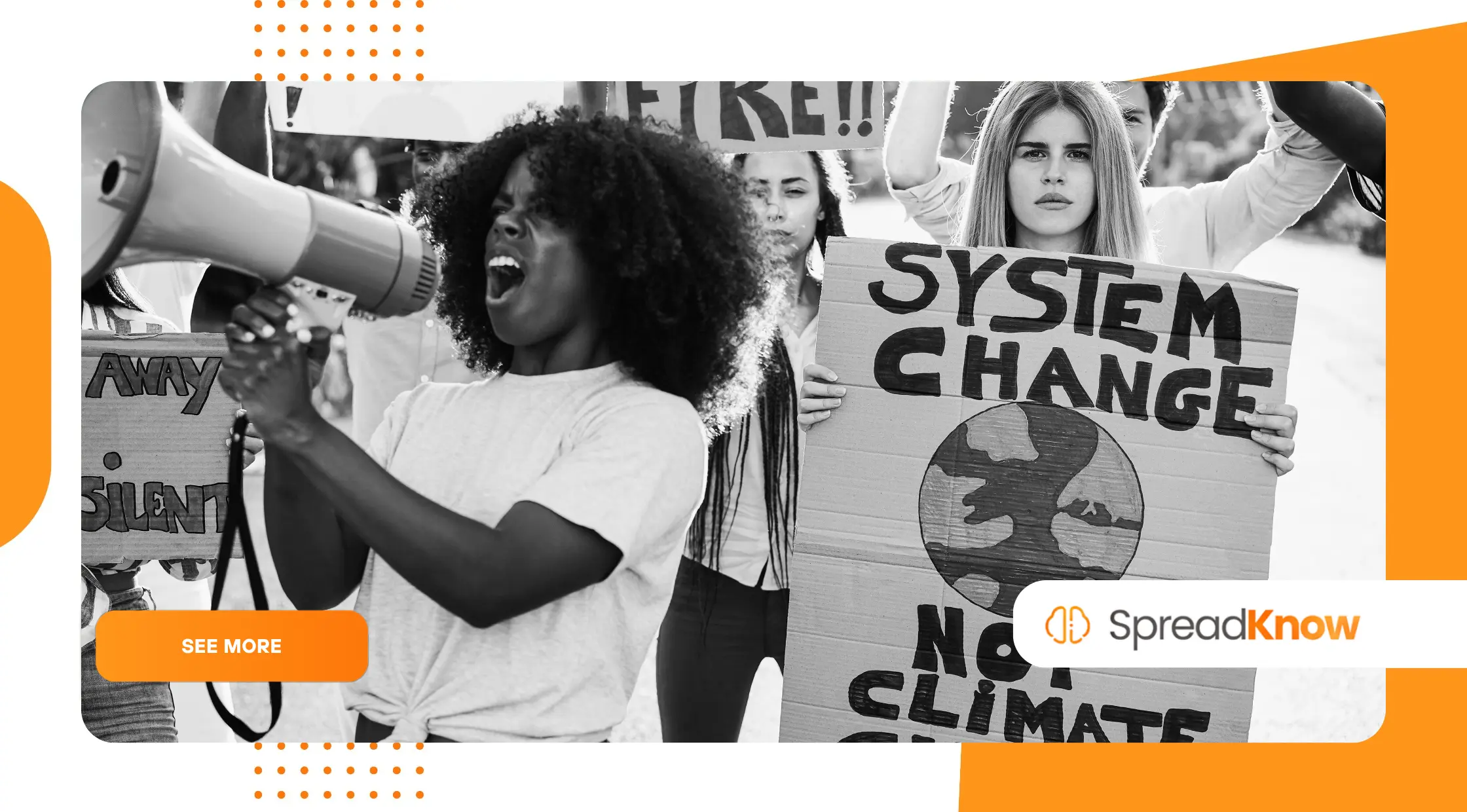
Movimientos juveniles Han entrado en un período de consecuencias políticas globales sin precedentes, produciendo en los últimos dos años resultados que fueron descartados como imposibles por las estructuras políticas a las que finalmente desplazaron.
Anuncios
En julio de 2024, las protestas estudiantiles en Bangladesh, que comenzaron por un sistema de cuotas en la función pública, evolucionaron en cuestión de semanas hasta convertirse en un movimiento a nivel nacional que obligó a la primera ministra Sheikh Hasina, en el poder durante 15 años, a huir del país el 5 de agosto, en lo que se convirtió en una de las demostraciones más dramáticas del poder político juvenil de la historia reciente.
Ese mismo año, los manifestantes de la Generación Z de Kenia lograron presionar con éxito al presidente William Ruto para que retirara un controvertido proyecto de ley de finanzas días después de las manifestaciones masivas en las que murieron decenas de personas, una concesión que ningún movimiento de oposición establecido había logrado obtener de su administración.
Una investigación publicada por los profesores de la Escuela Kennedy de Harvard, Erica Chenoweth y Matthew Cebul, reveló que las campañas no violentas con una amplia participación juvenil tienen más del doble de probabilidades de éxito que aquellas con una participación juvenil limitada; una relación estadística que ayuda a explicar por qué la generación que los sistemas políticos han excluido de forma más sistemática se ha convertido en la fuerza más influyente a la hora de reformar esos sistemas.
Una encuesta del Flash Eurobarómetro realizada en 2024 reveló que el 321% de los jóvenes europeos cree que las redes sociales son una herramienta política más eficaz que el voto, una cifra que refleja no apatía, sino una reorientación estratégica hacia formas de poder político que su generación ha descubierto que responden mejor a la presión juvenil que los canales electorales tradicionales.
Anuncios
Lo que está ocurriendo a nivel mundial no es una ola de protestas aisladas, sino una confrontación generacional coordinada con sistemas políticos que han fracasado sistemáticamente en abordar la precariedad económica, la corrupción y la exclusión democrática que definen la experiencia de los jóvenes en todas las culturas y continentes.
La revolución de la Generación Z: De Bangladesh a un movimiento global.
La velocidad y la difusión geográfica de la movilización política de la Generación Z entre 2024 y 2026 representan algo cualitativamente diferente de los ciclos anteriores de protesta juvenil, que se distinguen por la rapidez con la que tácticas, símbolos y demandas específicas cruzan las fronteras nacionales a través de la infraestructura digital.
El levantamiento de Bangladesh en 2024 se convirtió en el modelo a seguir: un movimiento sin líderes organizado a través de redes sociales y plataformas de mensajería que eludió las estructuras tradicionales de los partidos políticos, sostenido por la identidad digital compartida de una generación que había crecido comunicándose a través de las fronteras con la misma naturalidad que entre barrios.
La iconografía del movimiento ilustró esta conectividad global con una viveza inusual: la bandera Jolly Roger del manga japonés One Piece surgió como un símbolo de protesta en países tan distantes geográfica y culturalmente como Indonesia, Filipinas, Madagascar, Marruecos, Nepal y Perú, un lenguaje visual compartido que ninguna generación anterior de manifestantes podría haber coordinado con tanta rapidez ni de forma tan orgánica.
En Indonesia, las protestas de finales de 2025 se extendieron a más de 30 provincias tras las revelaciones sobre un subsidio de vivienda para los legisladores, un asunto aparentemente local que desencadenó una profunda ira generacional sobre la corrupción y los privilegios políticos, lo que obligó al presidente Prabowo Subianto a revocar el subsidio e imponer una moratoria a los viajes al extranjero de los legisladores a los pocos días de comenzar las protestas.
En septiembre de 2025, Filipinas fue testigo de cómo decenas de miles de jóvenes manifestantes respondían a las revelaciones sobre la malversación de miles de millones de pesos procedentes de proyectos de control de inundaciones. La misma bandera de One Piece ondeó sobre las manifestaciones en Manila que había ondeado sobre las protestas en Dhaka, Nairobi y Katmandú.
En febrero de 2026, la revista Journal of Democracy publicó un análisis en el que argumentaba que las movilizaciones anticorrupción de 2025 representaban una nueva fase del poder político de la Generación Z, una fase en la que el hallazgo de investigaciones anteriores sobre "una poderosa asociación entre la participación juvenil en la protesta política y el éxito de las campañas no violentas maximalistas" se había confirmado empíricamente en varios continentes simultáneamente.
++ Cómo influye la presión social en los hábitos de gasto
¿Por qué se están movilizando los jóvenes ahora?
Las condiciones estructurales que impulsan la movilización política juvenil en 2024 y 2025 no son difíciles de identificar: son las consecuencias acumuladas de fracasos económicos, políticos e institucionales que han recaído de manera desproporcionada sobre la generación menos capaz de absorberlos.
Las tasas de desempleo juvenil cuentan parte de la historia: la de Marruecos se situó en 221 TP3T en 2024, la de Serbia fue exactamente igual, y la de Nepal —donde 431 TP3T de la población tiene entre 16 y 40 años— alcanzó los 201 TP3T, cifras que representan no un desempleo cíclico temporal, sino la exclusión estructural de los jóvenes de la participación económica en sistemas que prometieron movilidad y generaron precariedad.
La dimensión de la corrupción es igualmente significativa y sistemáticamente subestimada por los analistas que tratan las protestas de la Generación Z como principalmente económicas: en Bangladesh, Kenia, Indonesia, Filipinas y Serbia, los detonantes inmediatos han implicado casos específicos y documentados de desvío de recursos públicos de los servicios de los que dependen los jóvenes para el enriquecimiento personal de las clases políticas que los gobiernan.
Un manifestante nepalí entrevistado por PBS News captó con precisión la conciencia generacional que impulsa esta movilización: "Nos dimos cuenta de que somos ciudadanos globales y que el espacio digital nos conecta a todos y desempeña un papel poderoso en todo el mundo", una declaración que describe no solo una herramienta de comunicación, sino una relación con la comunidad política fundamentalmente diferente a la que poseía cualquier generación anterior.
El Índice Global de Participación Juvenil reveló que, si bien los jóvenes menores de 30 años tienen menos probabilidades de votar en las elecciones, tienen muchas más probabilidades de participar en el activismo en línea y comunitario; un patrón que no refleja una desvinculación política, sino una respuesta racional a la ineficacia demostrada de los canales electorales para abordar las preocupaciones específicas que más afectan a su generación.
| País | Desencadenar | Resultado | Año |
|---|---|---|---|
| Bangladesh | sistema de cuotas del servicio civil | La primera ministra Hasina fue destituida. | 2024 |
| Kenia | Aumento de impuestos en la Ley de Finanzas | Proyecto de ley retirado | 2024 |
| Serbia | Colapso en la estación de tren de Novi Sad | Continúan las protestas importantes. | 2024–25 |
| Indonesia | subsidio de vivienda para legisladores | Subvención revocada | 2025 |
| Filipinas | Corrupción en el control de inundaciones | El gobierno está bajo presión | 2025 |

Infraestructura digital y arquitectura del poder sin liderazgo
El modelo organizativo que distingue a los movimientos juveniles contemporáneos de sus predecesores no es solo la comunicación digital, sino una arquitectura específicamente desprovista de líderes que utiliza herramientas digitales para distribuir la autoridad en la toma de decisiones a través de redes, en lugar de concentrarla en individuos carismáticos que pueden ser arrestados, cooptados o asesinados.
Las protestas contra el proyecto de ley de finanzas de Kenia de 2024 fueron descritas explícitamente por sus participantes como carentes de liderazgo: organizadas a través de las redes sociales, sin figuras, partidos u organizaciones establecidas que proporcionaran una dirección central. Esta estructura demostró ser eficaz para la movilización rápida y, a la vez, difícil de reprimir para los gobiernos mediante la represión selectiva que las estructuras de liderazgo de los movimientos sociales tradicionales hacían posible.
El movimiento de Bangladesh utilizó Discord, una plataforma diseñada originalmente para comunidades de videojuegos, para seleccionar a un primer ministro interino a través de un servidor llamado "Jóvenes contra la corrupción", un uso de la infraestructura digital para la toma de decisiones reales de gobernanza que ninguna generación anterior de activistas había intentado ni para la que había tenido las herramientas necesarias.
++ El futuro de la democracia en la era de la información digital.
Las vulnerabilidades del modelo sin liderazgo son tan reales como sus fortalezas: sin un liderazgo reconocido, los movimientos tienen dificultades para negociar con los gobiernos, transformar la energía de la protesta en reformas institucionales y mantener la movilización durante los prolongados períodos de aparente estancamiento que requiere la mayoría de los cambios estructurales.
Chenoweth y Cebul, de Harvard, identificaron esto con precisión: "la organización suele ser descentralizada y carece de líderes, lo que facilita la difusión pero complica la negociación y las transiciones", y señalaron que los logros duraderos dependen de convertir la energía de la protesta en influencia electoral e institucional, una conversión que la mayoría de los movimientos de la Generación Z aún no han logrado por completo a pesar de sus espectaculares éxitos a corto plazo.
Cuando los movimientos juveniles entran en la política formal
La cuestión más importante sobre la movilización política juvenil es si la energía y la eficacia demostradas en las protestas callejeras pueden transformarse en la influencia institucional que produzca un cambio político duradero; una transformación que, según la historia, es mucho más difícil que generar la movilización inicial.
El movimiento de Bangladesh generó la respuesta más directa hasta el momento: en febrero de 2025, jóvenes activistas lanzaron el Partido Nacional Ciudadano, el primer partido político nacido directamente de la revolución de la Generación Z de 2024, cuyos líderes declararon una visión de crear una "Segunda República" construida sobre bases democráticas que representaba un intento genuino de convertir la protesta en poder institucional.
Tailandia ofreció un modelo anterior de conversión exitosa: una nueva generación de líderes políticos progresistas surgió de las protestas de 2020 y creó un nuevo Partido Popular que ganó la mayoría de los escaños en las elecciones parlamentarias de 2023, demostrando que el camino desde la protesta callejera hasta el poder electoral existe y puede recorrerse en un plazo relativamente corto.
La contienda por la alcaldía de la ciudad de Nueva York en 2025 ofreció un caso de estudio inesperado sobre la movilización electoral juvenil: el compromiso auténtico de Zohran Mamdani con los jóvenes a través de las redes sociales y los llamamientos directos a las preocupaciones específicas de la juventud impulsaron una participación electoral juvenil sin precedentes y contribuyeron decisivamente a su victoria, lo que demuestra que la energía política de los jóvenes no es inherentemente antiinstitucional, sino contraria a la indiferencia.
Las Naciones Unidas En su Pacto por el Futuro de la Cumbre del Futuro de 2024, reconoció formalmente la dimensión estructural de la exclusión política de los jóvenes, instando a los países a empoderar a la juventud como agentes clave para la localización de los objetivos de desarrollo sostenible y el establecimiento de mecanismos significativos de participación juvenil; un reconocimiento institucional de que la movilización en las calles refleja fallas reales de gobernanza que los sistemas institucionales deben abordar.
Conclusión
Los movimientos juveniles están influyendo en la política global no como un fenómeno temporal de inquietud generacional, sino como una fuerza estructural que responde a los fracasos acumulados de los sistemas políticos y económicos que sistemáticamente ofrecieron menos de lo prometido a la generación que tendría que vivir más tiempo con las consecuencias.
Desde Bangladesh hasta Kenia, Serbia, Indonesia y Filipinas, la Generación Z ha demostrado tanto la voluntad como la capacidad de impulsar cambios políticos que los movimientos de oposición establecidos no pudieron producir, utilizando la infraestructura digital para construir redes sin líderes que son, al mismo tiempo, más difíciles de reprimir y más difíciles de convertir en una reforma institucional duradera.
La cuestión crucial para 2026 y más allá no es si los movimientos juveniles seguirán influyendo en la política mundial —lo harán—, sino si la generación que ha demostrado que puede derrocar gobiernos también puede construir las alternativas institucionales que logren que los sistemas políticos que heredan sirvan realmente a las personas que viven bajo ellos.
Es probable que los historiadores y politólogos que evalúen este período dentro de unas décadas lo vean como el momento en que una generación que creció con las herramientas para organizarse a través de las fronteras sin permiso decidió, país tras país, que los sistemas políticos que habían heredado ya no merecían su sumisión, y que esta decisión, tomada simultáneamente por millones de jóvenes en todo el mundo, cambió las condiciones de las posibilidades políticas para todos los que vinieron después.
Preguntas frecuentes
1. ¿Qué impulsa la ola global de movilización política juvenil? La precariedad económica, que incluye un alto desempleo juvenil, la corrupción documentada que desvía recursos públicos de los servicios de los que dependen los jóvenes, la exclusión democrática de los canales políticos formales y la disponibilidad de herramientas digitales que permiten una rápida organización transfronteriza sin las estructuras organizativas tradicionales.
2. ¿Cómo logró el movimiento de la Generación Z de Bangladesh lo que los grupos de oposición tradicionales no pudieron? Al operar como una red sin líderes organizada a través de las redes sociales en lugar de las estructuras partidistas tradicionales, se dificulta la represión selectiva y, al mismo tiempo, se permite una rápida movilización de masas que intensifica la presión más rápido de lo que el gobierno puede gestionar.
3. ¿Los movimientos juveniles se limitan a la protesta o producen un cambio político duradero? Ambas. Han demostrado un poder significativo a corto plazo, obligando a los gobiernos a retirar leyes, revocar políticas y, en el caso de Bangladesh, provocando un cambio de gobierno. Convertir ese poder en una reforma institucional duradera sigue siendo el reto más difícil al que la mayoría de los movimientos aún se enfrentan.
4. ¿Qué tienen en común las protestas de la Generación Z en países tan diferentes? Una infraestructura digital compartida que permite la rápida difusión de tácticas y símbolos, quejas comunes en torno a la corrupción y la desigualdad económica, una conciencia generacional de ciudadanía global y el modelo organizativo sin líderes que las mismas herramientas de comunicación hacen posible a través de las diferencias culturales y geográficas.
5. ¿Cómo influye la participación juvenil en la probabilidad de éxito de una protesta? Una investigación realizada por Chenoweth y Cebul, de la Universidad de Harvard, reveló que las campañas no violentas con una amplia participación juvenil tienen más del doble de probabilidades de éxito que aquellas con una participación juvenil limitada, debido al compromiso de los jóvenes, su creatividad táctica y su capacidad para construir amplias coaliciones que trascienden las divisiones socioculturales.
