
Cómo el arte ayuda a las sociedades a procesar el trauma colectivo
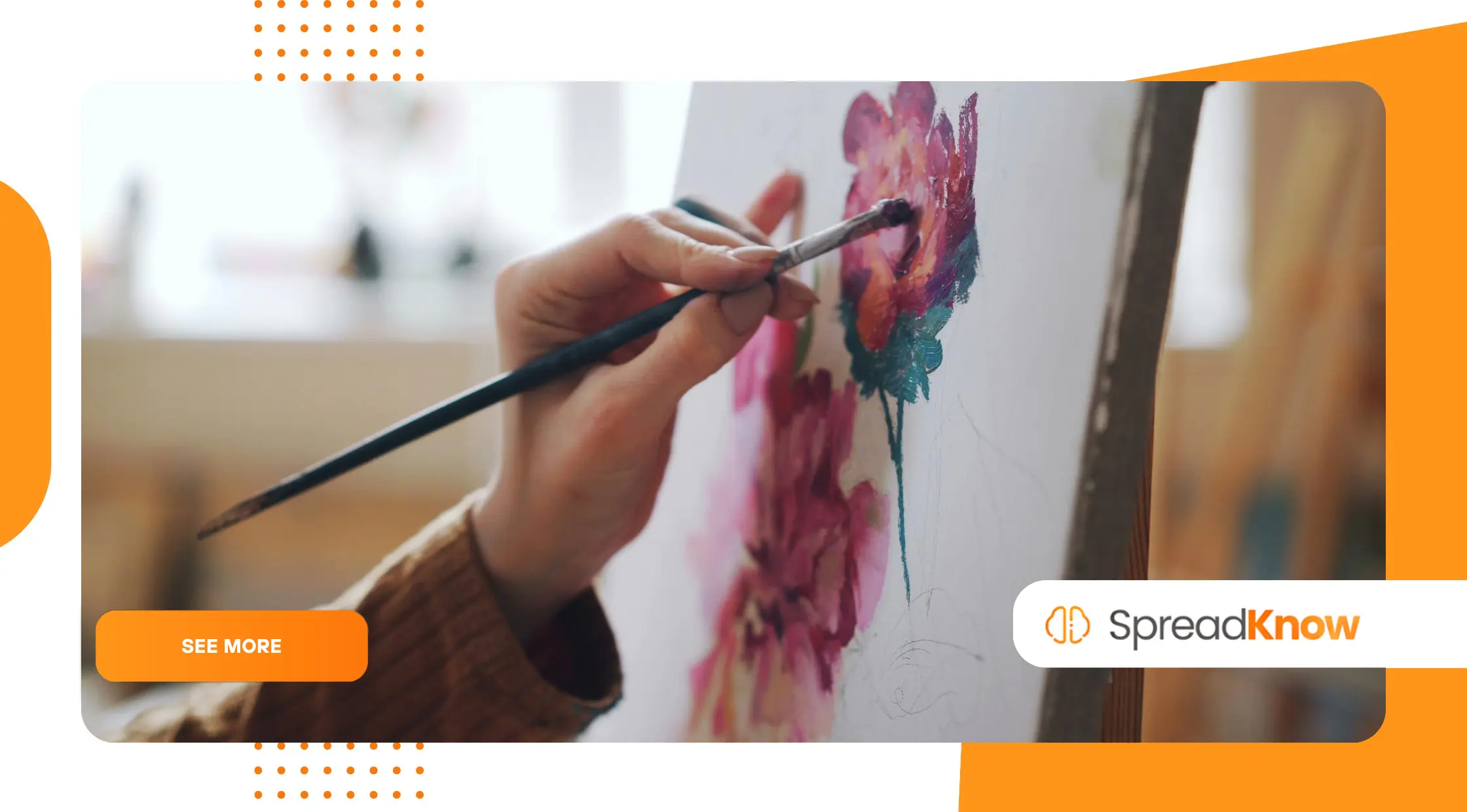
El arte ayuda a las sociedades a procesar el trauma colectivo. a través de mecanismos que ninguna otra institución social reproduce: creando un lenguaje compartido para experiencias que superan la comunicación ordinaria y preservando la memoria colectiva en formas que sobreviven al olvido que producen el tiempo y la negación.
Anuncios
El trauma colectivo —la herida psicológica compartida que experimentan las comunidades tras desastres, guerras, genocidios y opresión sistémica— genera un problema de comunicación específico: las experiencias son demasiado extensas, demasiado dolorosas y demasiado complejas para ser procesadas adecuadamente mediante el discurso racional que las instituciones suelen ofrecer como respuesta.
El arte conmemorativo que surgió después del 11 de septiembre, los murales pintados en Belfast durante los disturbios y las colchas hechas por el Proyecto de Colchas Conmemorativas del SIDA cumplieron una función que las conmemoraciones oficiales, los programas gubernamentales y las intervenciones clínicas no podían: visibilizar el dolor en una forma pública compartida que validaba el sufrimiento individual como parte de una experiencia colectiva.
Una investigación publicada en el Journal of Traumatic Stress documentó que las comunidades con respuestas culturales sólidas al trauma colectivo —que incluyen arte, música, narración de cuentos y rituales— muestran una cohesión social y una recuperación individual más duraderas que aquellas que dependen principalmente de marcos institucionales y clínicos.
El mecanismo no es misterioso: el arte crea contenedores para las emociones que el lenguaje ordinario no puede contener, permite a las comunidades acercarse a material doloroso a la distancia controlada que proporcionan la metáfora y la forma estética, y produce artefactos que pueden ser revisitados, reinterpretados y transmitidos a generaciones que no experimentaron directamente el evento original.
Anuncios
Comprender cómo el arte cumple esta función —y qué distingue al arte que realmente ayuda a las comunidades a sanar del arte que estetiza el sufrimiento sin un efecto transformador— revela algo fundamental sobre por qué los seres humanos crean arte.
El problema de la comunicación que resuelve el arte
El trauma colectivo crea lo que los psicólogos llaman experiencias "indescriptibles": sucesos tan abrumadores que el lenguaje ordinario se derrumba bajo su peso, dejando a los supervivientes incapaces de comunicar lo que vivieron a quienes no estuvieron presentes.
Esta falla en la comunicación no es un fallo de la expresión individual, sino una limitación estructural del lenguaje mismo: las palabras que fueron creadas para la experiencia cotidiana no pueden transmitir la carga de la atrocidad, la pérdida a gran escala o la cualidad específica del miedo que produce la violencia masiva.
El arte resuelve este problema no describiendo la experiencia con mayor precisión, sino creando en el espectador, oyente o lector una experiencia que resuene con la verdad emocional de lo que el lenguaje no puede transmitir: un enfoque fundamentalmente diferente que alcanza la comprensión a través del sentimiento en lugar de a través de la descripción.
El Guernica de Pablo Picasso no describe el bombardeo de la ciudad vasca, sino que produce en los espectadores algo estructuralmente similar a lo que experimentaron los testigos de ese bombardeo, utilizando la distorsión formal y la intensidad emocional para comunicar lo que un relato documental reduciría a mera información.
La distancia que proporciona la forma estética es igualmente importante: acercarse directamente al material traumático puede retraumatizar en lugar de sanar, mientras que acercarse a él a través del marco controlado del arte permite la interacción sin abrumar, una gestión de la proximidad que los psicólogos clínicos reconocen como esencial para el procesamiento del trauma.
Los proyectos artísticos comunitarios que invitan a los supervivientes a contribuir —murales, colchas, monumentos diseñados en colaboración— añaden una dimensión participativa que transforma el duelo pasivo en una conmemoración activa, otorgando a los supervivientes la capacidad de influir en cómo se representa y se recuerda su experiencia.
++ Aprender con intención: Convertir la curiosidad en crecimiento estructurado
Ejemplos históricos que definen el patrón
La historia del arte creado en respuesta a un trauma colectivo es lo suficientemente larga como para revelar patrones consistentes sobre lo que funciona, lo que fracasa y qué condiciones producen un arte que realmente sirva a la sanación colectiva en lugar de una expresión artística individual que casualmente aborda temas traumáticos.
La Colcha Conmemorativa del SIDA, iniciada en 1987 y que llegó a comprender más de 50.000 paneles individuales elaborados por amigos y familiares de personas que murieron a causa del SIDA, es el ejemplo más estudiado de arte conmemorativo participativo: un proyecto que combinó el duelo individual con la visibilidad colectiva en una forma que, por un lado, conmemoraba a los muertos y, por otro, presionaba a las instituciones para que respondieran a la crisis.
El proyecto The Quilt funcionó porque su forma se ajustaba a su función: cada panel fue confeccionado por alguien que amaba a la persona a la que conmemoraba, creando una textura de dolor personal a una escala que ningún artista profesional podría haber producido, y cuyo peso acumulado comunicaba la magnitud de la pérdida con una franqueza que las estadísticas jamás lograron.
El Monumento a los Veteranos de Vietnam en Washington, diseñado por Maya Lin, invirtió las convenciones de la conmemoración de la guerra, reemplazando las imágenes triunfalistas con una superficie reflectante que mostraba a los visitantes sus propios rostros junto a los nombres de los muertos, forzando una confrontación con la pérdida en lugar de ofrecer el consuelo de una narrativa heroica.
La controversia que rodeó el diseño de Lin en su inauguración —criticado por ser insuficientemente festivo, demasiado sombrío e inadecuado para el sacrificio que conmemoraba— se resolvió a lo largo de las décadas, a medida que el monumento se convertía en el más visitado de Washington y figuraba sistemáticamente entre los monumentos públicos más conmovedores del mundo.
| Trauma | Respuesta artística | Forma | Impacto en la comunidad |
|---|---|---|---|
| crisis del SIDA | Colcha conmemorativa | Textil participativo | Visibilidad y defensa |
| Guerra de Vietnam | Monumento a Maya Lin | Arquitectura reflectante | Procesamiento nacional del duelo |
| Segregación racial | Museo del Distrito Seis | Archivo comunitario | Preservación de la identidad |
| Hiroshima | Grullas de papel de Sadako | Plegado participativo | Simbolismo de la paz a nivel mundial |
El patrón que se observa en estos ejemplos es consistente: el arte más eficaz para abordar el trauma involucra a las comunidades en su creación, en lugar de presentar la obra terminada a un público pasivo, y encuentra formas que permiten sentir el dolor en lugar de explicarlo.
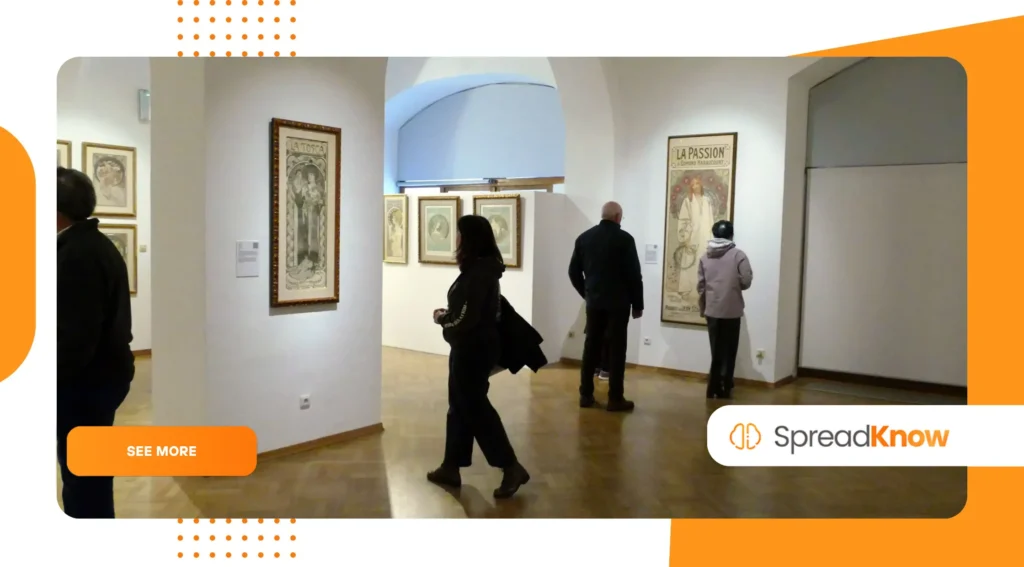
La neurociencia detrás del arte y el procesamiento del trauma
La eficacia del arte en el procesamiento del trauma no es simplemente una observación cultural, sino que tiene fundamentos neurológicos que la investigación en neurociencia afectiva ha ido esclareciendo progresivamente durante las últimas dos décadas.
El trauma interrumpe la integración narrativa de la experiencia —el proceso normal mediante el cual el cerebro convierte los acontecimientos en historias que pueden ser comprendidas, comunicadas y situadas en el pasado—, dejando los recuerdos traumáticos fragmentados, emocionalmente intensos y resistentes al procesamiento verbal que suele emplear la terapia.
El arte activa el hemisferio derecho y el sistema límbico de maneras que la narrativa verbal no lo hace, creando vías hacia el material traumático que evitan el sistema verbal-analítico que el trauma interrumpe, permitiendo que el procesamiento se produzca a través de canales emocionales y sensoriales que permanecen más accesibles.
La música está particularmente bien documentada como herramienta para procesar traumas: las investigaciones realizadas con supervivientes del Holocausto, veteranos de guerra y víctimas de desastres demuestran sistemáticamente que la creación y la escucha de música producen reducciones medibles en la gravedad de los síntomas del trauma a través de mecanismos distintos a los de las terapias verbales.
La Asociación Americana de Terapia del Arte Se han documentado evidencias clínicas de que la creación artística en contextos terapéuticos produce cambios neurológicos consistentes con el procesamiento del trauma: reducción de la activación de la amígdala, aumento de la participación prefrontal y la integración narrativa que el trauma interrumpe, en diversas poblaciones y tipos de trauma.
La dimensión comunitaria añade una capa de neurociencia social: la actividad sincronizada, como cantar, bailar y crear en colaboración, produce la liberación de oxitocina y activa los sistemas de neuronas espejo de maneras que refuerzan los lazos sociales debilitados por el trauma colectivo, reconstruyendo el sentido de humanidad compartida que la atrocidad ataca sistemáticamente.
Cuando el arte falla en el procesamiento del trauma
No todo el arte creado en respuesta a un trauma cumple la función de sanación colectiva, y comprender qué distingue al arte eficaz contra el trauma del sufrimiento estetizado o la representación explotadora es tan importante como comprender qué funciona.
El arte que centra la atención en la experiencia del artista como testigo, en lugar de en la experiencia de sufrimiento de la comunidad —lo que los críticos denominan "turismo del trauma"— produce obras que pueden ser estéticamente atractivas, pero que no cumplen la función curativa porque sitúan a la comunidad traumatizada como sujeto en lugar de como agente.
El arte monumental patrocinado por el Estado, que impone una única narrativa oficial sobre un trauma colectivo complejo —seleccionando héroes, identificando villanos, determinando el significado del evento— puede inhibir activamente la sanación al excluir experiencias que no encajan en la narrativa autorizada y silenciar las voces cuyo dolor no coincide con la historia oficial.
El Museo del Genocidio Camboyano en Phnom Penh superó este desafío mediante un diseño cuidadoso: presentó pruebas documentales y testimonios de supervivientes sin imponer una interpretación definitiva, lo que permitió a los visitantes experimentar la magnitud del horror al tiempo que dejaba espacio para las preguntas irresolubles que exige una verdadera reflexión sobre la atrocidad.
La prisa es un error constante: el arte creado inmediatamente después de un trauma a menudo refleja la conmoción y la rabia de las consecuencias inmediatas, en lugar del duelo complejo que requiere el proceso, produciendo obras que resuenan con fuerza en el momento, pero que no contribuyen al trabajo a largo plazo de integración y construcción de significado.
El UNESCO El marco de derechos culturales reconoce el derecho de las comunidades a determinar cómo se representan sus historias traumáticas, admitiendo que la interpretación artística externa del sufrimiento ajeno, por muy bien intencionada que sea, puede constituir una forma de daño cultural en lugar de apoyo.
++ La relación entre el arte y el cambio social
El arte como memoria intergeneracional
Una de las funciones más importantes del arte en el procesamiento del trauma es la intergeneracional: transmitir la realidad emocional de experiencias que las generaciones que las vivieron no pueden transmitir adecuadamente a través del testimonio directo y que las generaciones posteriores podrían encontrar de otro modo solo como una abstracción histórica.
El arte salva esta brecha de transmisión creando experiencias en lugar de simplemente transmitir información: un nieto que se topa con Maus, la novela gráfica autobiográfica de Art Spiegelman sobre el Holocausto, tiene un encuentro vivencial con la realidad emocional de esa historia que la lectura de un relato histórico no produce.
El trauma de segunda generación —los efectos psicológicos que experimentan los hijos de supervivientes que absorbieron un trauma que no vivieron directamente— se transmite parcialmente a través de las historias, los objetos y el arte que los supervivientes crearon o coleccionaron, convirtiendo los artefactos artísticos en vehículos literales de transmisión psicológica intergeneracional.
El reto del arte que aborda el trauma intergeneracional reside en mantener la autenticidad emocional a través del tiempo: el arte que fue urgentemente necesario para la generación que experimentó el trauma puede convertirse en parte de la historia para las generaciones posteriores, sustituyendo la experiencia vivida por una obligación cultural.
Los artistas que abordan traumas históricos que no experimentaron personalmente superan este desafío mediante una investigación rigurosa, la participación comunitaria con quienes sí vivieron los acontecimientos y decisiones formales que reconocen su posición ajena a la historia, en lugar de reclamar una autoridad experiencial que no poseen.
++ La evolución de la expresión artística en tiempos de crisis
Desarrollando la capacidad de la comunidad a través del arte colaborativo.
La contribución más duradera que el arte aporta a las comunidades afectadas por traumas no es la obra de arte individual resultante, sino la capacidad comunitaria que se desarrolla a través del proceso de creación conjunta: habilidades, relaciones y un propósito compartido que perduran una vez finalizado el proyecto específico.
Los proyectos de murales comunitarios en el Belfast posterior al conflicto, el teatro participativo en la Ruanda posterior al genocidio y la creación musical colaborativa en comunidades de refugiados documentaron hallazgos similares: los participantes informaron no solo del beneficio terapéutico de la creación artística en sí, sino también de cambios duraderos en sus relaciones con los vecinos, su sentido de autonomía y su capacidad para imaginar un futuro que el trauma había hecho inimaginable.
El proceso de decidir colectivamente qué representar —qué aspectos de la experiencia de la comunidad merecen ser vistos, qué imágenes capturan la verdad, qué voces deben ser el centro de atención— es en sí mismo una práctica de autodeterminación democrática que el trauma colectivo destruye sistemáticamente al reemplazar la capacidad de acción de la comunidad con imperativos de supervivencia.
La Federación Internacional de Consejos de las Artes y Agencias Culturales Se han documentado programas de arte comunitario en contextos posteriores a conflictos y desastres en más de cuarenta países, y se ha constatado sistemáticamente que los programas que priorizan la participación comunitaria sobre la calidad artística profesional producen resultados de bienestar comunitario más sólidos y duraderos.
El artefacto físico que produce el arte colaborativo —el mural en la pared del barrio, la colcha expuesta en el centro comunitario, la canción que todos conocen— funciona como una prueba constante de la supervivencia y la capacidad creativa de la comunidad, una contranarrativa a la destrucción que impuso el trauma y un recordatorio diario de que la comunidad sigue existiendo y creando significado.
Conclusión
El arte ayuda a las sociedades a procesar el trauma colectivo al resolver el problema de comunicación que este crea: proporciona espacios para el duelo que el lenguaje ordinario no puede abarcar, crea una experiencia compartida a partir del sufrimiento individual fragmentado y produce artefactos que preservan la verdad emocional a través de las generaciones venideras.
El arte más eficaz para abordar el trauma se crea con las comunidades, no para ellas: es participativo, responde a las particularidades de la experiencia de la comunidad y tiene la paciencia suficiente para permitir el duelo complejo que supone un procesamiento genuino, en lugar de las emociones más simples de las consecuencias inmediatas.
La evidencia neurológica de que la creación artística produce cambios medibles en la gravedad de los síntomas del trauma, el registro histórico de proyectos artísticos que transformaron el duelo comunitario en cohesión social y el hallazgo constante de que las comunidades con respuestas culturales sólidas al trauma se recuperan de forma más duradera, todo ello converge en la misma conclusión.
El arte no es un complemento al serio trabajo de recuperación del trauma; para muchas comunidades y muchas experiencias, es el trabajo más serio disponible.
Preguntas frecuentes
1. ¿De qué manera ayuda el arte a las comunidades a procesar el trauma de forma diferente a como lo hace la terapia? El arte activa las vías del hemisferio derecho y del sistema límbico, a diferencia de la terapia verbal, creando así rutas hacia el material traumático que sortean el sistema verbal-analítico alterado. Además, proporciona la distancia controlada de la forma estética, permite la participación comunitaria en lugar del trabajo clínico individual y produce artefactos que perduran como memoria compartida.
2. ¿Qué hace que la Colcha Conmemorativa del SIDA sea un proyecto artístico eficaz para abordar el trauma? Su formato participativo —paneles elaborados por personas que amaban personalmente a cada persona homenajeada— generó un duelo auténtico a una escala que ningún artista profesional podría lograr. El impacto visual acumulado transmitió la pérdida con mayor fuerza que las estadísticas, y el proceso colaborativo permitió a los sobrevivientes participar activamente en la representación de la experiencia de su comunidad.
3. ¿Por qué algunas respuestas artísticas al trauma fracasan en su intento de sanación colectiva? El arte fracasa cuando centra su atención en la experiencia del artista en lugar de la de la comunidad, cuando el patrocinio estatal impone una única narrativa autorizada que excluye experiencias complejas o incómodas, cuando se realiza con demasiada rapidez para reflejar un procesamiento genuino, o cuando artistas externos representan el sufrimiento ajeno sin la participación de la comunidad y sin reconocer su posición de forasteros.
4. ¿Cómo transmite el arte el trauma a través de las generaciones? Al crear experiencias en lugar de simplemente transmitir información, un nieto que se topa con arte que aborda el trauma vive una experiencia directa con su realidad emocional que los relatos históricos no pueden ofrecer. El arte tiende un puente entre el testimonio directo, que se desvanece con los supervivientes, y la abstracción histórica, que reduce la atrocidad a datos.
5. ¿Cuál es el beneficio más duradero de los proyectos artísticos colaborativos sobre el trauma? La capacidad comunitaria desarrollada a través del proceso —habilidades, relaciones, propósito compartido y autodeterminación democrática practicada— perdura incluso después de que finaliza el proyecto específico. Los participantes reportan consistentemente cambios duraderos en sus relaciones, sentido de autonomía y capacidad para imaginar un futuro, además del beneficio terapéutico de la propia creación artística.
