
Cómo las nuevas generaciones están redescubriendo las artesanías tradicionales
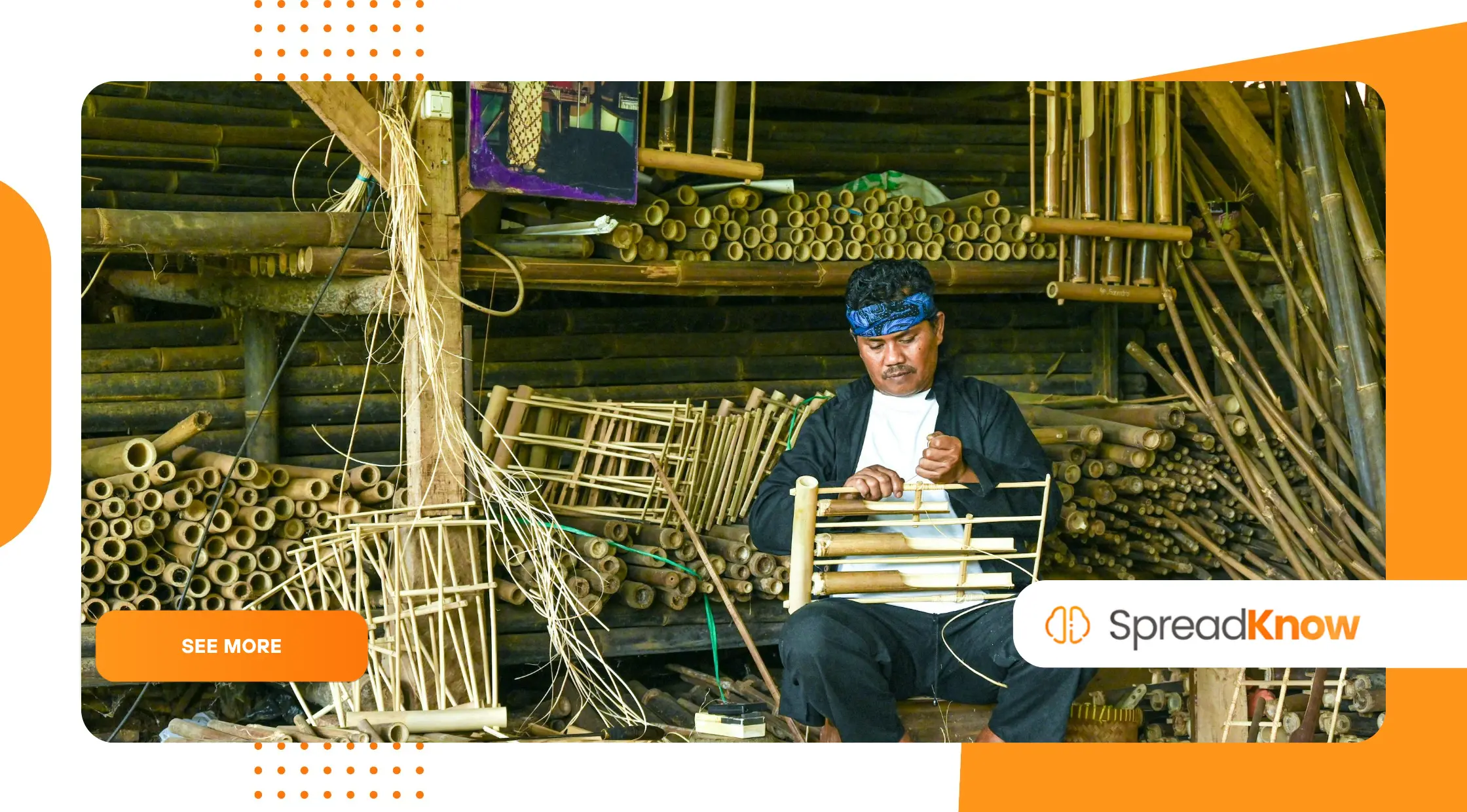
artesanía tradicional Están experimentando un resurgimiento que ningún analista cultural predijo, impulsado no por la nostalgia, sino por una generación que creció saturada digitalmente y que ahora busca activamente formas de creación tangibles y más pausadas.
Anuncios
Los talleres de cerámica de las principales ciudades informan de listas de espera que se extienden durante meses, y la mayoría de los nuevos alumnos son menores de 35 años, lo que revierte décadas de descenso en la matrícula que las organizaciones artesanales habían llegado a aceptar como permanente.
Según datos de Google Trends, el interés global por búsquedas de términos como "cómo empezar a tejer", "cerámica para principiantes" y "tutorial de bordado a mano" alcanzó máximos históricos entre 2023 y 2025, lo que refleja un cambio de comportamiento genuino en lugar de una curiosidad pasajera.
La pandemia aceleró algo que ya se venía gestando: una creciente incomodidad con la ingravidez de la experiencia puramente digital y un deseo de un trabajo que deje algo físico en el pasado.
Etsy informó que los productos artesanales hechos a mano superan sistemáticamente a las alternativas producidas en masa en los índices de satisfacción del cliente, y los compradores citan la autenticidad y la presencia humana del artesano como las principales razones de su preferencia.
Anuncios
Lo que impulsa a las generaciones más jóvenes hacia la artesanía tradicional no es un rechazo a la tecnología, sino una búsqueda de equilibrio: la creación deliberada de un espacio donde la velocidad no es una virtud y la imperfección es prueba de humanidad en lugar de un fracaso.
El agotamiento digital detrás del resurgimiento de la artesanía
El resurgimiento de la artesanía tradicional no surgió de la nada, sino que surgió de un momento cultural específico definido por la fatiga visual, la ansiedad generada por los algoritmos y un creciente apetito por actividades que produzcan resultados tangibles e imborrables.
Una investigación publicada en el Journal of Positive Psychology descubrió que las actividades creativas que involucran materiales físicos producen puntuaciones de bienestar significativamente más altas que el tiempo equivalente dedicado al consumo digital pasivo, un hallazgo que los practicantes de artesanías tradicionales reportan intuitivamente incluso antes de tener acceso a los datos.
La naturaleza práctica de la artesanía activa sistemas sensoriales que el trabajo intelectual y la interacción digital descuidan sistemáticamente: el tacto, la propiocepción y la lenta satisfacción de observar cómo el material se transforma bajo el contacto físico directo.
La investigación de Mihaly Csikszentmihalyi sobre el estado de flujo identificó las actividades artesanales como una de las fuentes más fiables de una inmersión total que permite evadir la atención del tiempo, precisamente porque combinan el desafío con la habilidad en tiempo real a través de una retroalimentación táctil inmediata que las pantallas no pueden replicar.
La dimensión terapéutica de las manualidades ha obtenido reconocimiento formal por parte de los profesionales de la salud mental, y los terapeutas ocupacionales prescriben cada vez más actividades artesanales para la ansiedad y la depresión, un desarrollo que habría parecido excéntrico hace una década, pero que ahora refleja la evidencia clínica acumulada.
La generación que impulsa el resurgimiento de la artesanía es la misma que popularizó la cultura de la "desintoxicación de dopamina", los diarios analógicos y la fotografía analógica; un patrón que revela no tecnofobia, sino una conciencia sofisticada de lo que los entornos digitales ofrecen y de lo que estructuralmente no pueden ofrecer.
++ Cómo las pequeñas mejoras diarias se acumulan hasta alcanzar la maestría
Cerámica, tejido y artesanía que lideran el renacimiento
No todas las artesanías tradicionales se están recuperando al mismo ritmo: la cerámica, el tejido, el teñido natural, el bordado y la encuadernación se han convertido en las disciplinas que atraen a la mayor cantidad de nuevos practicantes, cada una por razones que se relacionan con necesidades específicas no satisfechas en la vida contemporánea.
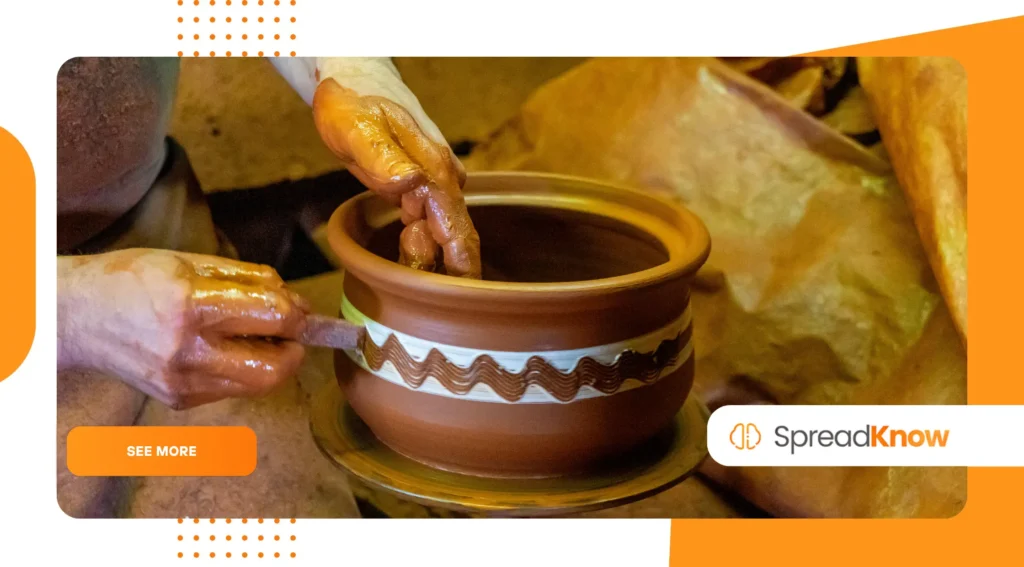
La cerámica domina el resurgimiento en términos de número de inscripciones, impulsado en parte por el contenido viral en las redes sociales, pero sostenido por algo que los videos no pueden transmitir: la experiencia física de la arcilla respondiendo a la presión de maneras que exigen una presencia plena y no perdonan nada que se haga en piloto automático.
El tejido y las artes textiles han atraído a practicantes que se sienten atraídos específicamente por su ritmo meditativo y la forma en que los patrones complejos emergen de la repetición de acciones simples: una estructura que comparte propiedades con la práctica contemplativa al tiempo que produce objetos de verdadera utilidad.
El teñido natural —la extracción de color de plantas, minerales e insectos mediante técnicas documentadas durante milenios— ha encontrado un público específico entre los profesionales preocupados por el coste medioambiental de la producción textil sintética e interesados en la intersección de la química, la botánica y la artesanía.
El bordado experimentó un auge particular impulsado por las comunidades en redes sociales, donde los practicantes comparten documentación sobre el trabajo en progreso, creando estructuras de responsabilidad y sistemas de reconocimiento entre pares que mantienen la participación durante las primeras fases del desarrollo de habilidades.
La encuadernación atrae a la comunidad más pequeña, pero posiblemente la más comprometida: personas atraídas por la permanencia del objeto, la intimidad del formato y la satisfacción filosófica de crear una estructura diseñada específicamente para preservar el pensamiento a través del tiempo.
El papel de las redes sociales en el redescubrimiento de la artesanía
La relación entre las redes sociales y el resurgimiento de la artesanía es genuinamente paradójica: las plataformas asociadas a la saturación digital que impulsa a la gente hacia la artesanía son, al mismo tiempo, el principal mecanismo de descubrimiento a través del cual los nuevos practicantes encuentran a sus primeros maestros y comunidades.
YouTube y TikTok funcionan como las mayores bibliotecas de técnicas artesanales del mundo, poniendo al alcance de cualquier persona con conexión a internet y un presupuesto básico para materiales técnicas que antes requerían acceso geográfico a un maestro artesano.
La cultura de la documentación de Instagram y TikTok transformó la práctica artesanal de una actividad privada en una narrativa compartible: la publicación del trabajo en progreso, la presentación del objeto terminado y el tutorial de la técnica se convirtieron en formatos de contenido que, al mismo tiempo, crearon comunidades y atrajeron a nuevos practicantes.
| Artesanía | Plataforma principal | Motor de crecimiento | Perfil del nuevo profesional |
|---|---|---|---|
| Cerámica | TikTok, YouTube | Contenido ASMR táctil | Profesionales urbanos, de 25 a 35 años. |
| Bordado | Comunidades para compartir patrones | Mujeres, de 20 a 40 años | |
| Tintura natural | YouTube | Interés en la sostenibilidad | Fabricantes con conciencia ambiental |
| Encuadernación | YouTube | estética de artesanía lenta | Escritores, académicos, coleccionistas |
| Tejeduría | Estética del arte textil | Profesionales relacionados con el diseño |
La tensión en esta relación es real, pero manejable: muchos profesionales describen el uso de las redes sociales como herramienta para el descubrimiento y la creación de comunidad, al tiempo que mantienen deliberadamente su práctica profesional libre de teléfonos, preservando así la cualidad analógica de la experiencia que los atrajo en primer lugar.
++ Por qué los pasatiempos que requieren habilidades mejoran la concentración y la paciencia.
Identidad cultural y la dimensión de la preservación
El resurgimiento de la artesanía conlleva una dimensión que las narrativas centradas exclusivamente en el bienestar pasan por alto: muchos nuevos practicantes están recuperando habilidades que los conectan con linajes culturales específicos, historias familiares o tradiciones regionales que corrían el riesgo de desaparecer en una generación.
Las tradiciones artesanales indígenas de Norteamérica, Latinoamérica y África han encontrado nuevas audiencias y nuevos practicantes a través de las mismas plataformas digitales que impulsan el resurgimiento general, creando vías de preservación que no existían antes de que las redes sociales redujeran las barreras a la transmisión cultural.
El Patrimonio Cultural Inmaterial de la UNESCO El programa ha documentado las tradiciones artesanales en 180 países, reconociendo que el conocimiento inherente a las prácticas de elaboración tradicionales representa una forma de inteligencia humana que no puede plasmarse completamente en texto o imagen y que corre el riesgo de perderse permanentemente cuando se rompe la cadena de transmisión de la práctica.
Los jóvenes artesanos que aprenden los patrones de tejido de sus abuelas o las técnicas tradicionales de alfarería de su comunidad participan en una forma de archivo cultural que complementa los esfuerzos formales de preservación con conocimientos vivos: habilidades que permanecen vivas solo mientras alguien continúe practicándolas.
La dimensión económica de esta preservación es significativa: las tradiciones artesanales que atraen a nuevos practicantes generan ingresos para los maestros artesanos que, de otro modo, no tendrían una vía viable para transmitir sus conocimientos, creando modelos de sostenibilidad que la financiación puramente para la preservación cultural no puede proporcionar de forma fiable.
Esta confluencia de bienestar personal, identidad cultural y sostenibilidad económica confiere al resurgimiento de la artesanía una profundidad que lo distingue de los ciclos anteriores de la moda artesanal: satisface múltiples necesidades genuinas simultáneamente, en lugar de satisfacer una única preferencia estética.
++ Los beneficios para la salud mental de trabajar con las manos
La economía de la nueva artesanía
El resurgimiento de la artesanía ha generado un ecosistema económico cuantificable que se extiende desde artesanos individuales que venden en Etsy hasta estudios boutique que ofrecen clases, proveedores de materiales que abastecen a mercados recientemente expandidos y marcas que posicionan la estética hecha a mano como un distintivo de alta gama.
Los ingresos anuales de Etsy superaron los 2.700 millones de dólares en los últimos años, y los productos hechos a mano representan sistemáticamente la categoría con mayor margen de beneficio de la plataforma, lo que demuestra que el mercado de objetos artesanales ha ido mucho más allá del intercambio entre aficionados para convertirse en un auténtico ecosistema comercial.
En las principales ciudades han surgido empresas de alquiler de estudios para atender a los profesionales que desean tener acceso a equipos profesionales (tornos de alfarero, telares, imprentas) sin el coste de capital que supone la propiedad, creando modelos de acceso que reducen significativamente las barreras para la práctica artesanal seria.
El posicionamiento de "productos de producción lenta" que ocupan los objetos artesanales de alta gama en los mercados de consumo refleja los mismos valores que impulsan su resurgimiento: los compradores dispuestos a pagar mucho más por objetos que muestran evidencia visible del tiempo y la atención humana expresan la misma preferencia por la presencia humana auténtica que impulsa a los nuevos artesanos hacia el taller.
Los proveedores de materiales que abastecen a las disciplinas artesanales tradicionales informan de un crecimiento constante en las líneas de productos orientadas a principiantes, y los proveedores de fibras para hilar, tintes naturales y materiales para encuadernación citan la captación de nuevos profesionales como su principal motor de crecimiento en los últimos años.
La infraestructura económica que respalda el resurgimiento de la artesanía se ha convertido en un círculo virtuoso: un mayor número de artesanos genera una mayor demanda de materiales, formación y acceso a talleres, lo que a su vez genera una mayor viabilidad económica para los profesores y proveedores cuya existencia posibilita el acceso a la práctica artesanal para la próxima generación de principiantes.
Lo que el renacimiento revela sobre las necesidades contemporáneas
Las artesanías específicas que han atraído a las comunidades más numerosas no son fruto del azar: comparten propiedades estructurales que revelan lo que la vida contemporánea no ofrece sistemáticamente y lo que buscan quienes las practican cuando se sientan frente a un torno o cogen un telar.
La lentitud es quizás la característica común más constante: todas las principales disciplinas de resurgimiento son actividades en las que la prisa produce resultados visiblemente peores, en las que el material impone un ritmo que la impaciencia humana no puede superar, y en las que la calidad es directamente perceptible como evidencia de una atención pausada.
La irreversibilidad de los materiales físicos crea una relación con el error que el trabajo digital ha eliminado: un corte erróneo en la encuadernación, una vasija sobrecocida, una puntada caída en el tejido no se pueden deshacer con un atajo de teclado, y esta consecuencia genera una calidad de atención que los profesionales describen constantemente como uno de los aspectos más valiosos de su práctica.
El Consejo Estadounidense de Artesanía ha publicado una investigación que documenta que los artesanos obtienen puntuaciones más altas en las medidas de propósito, presencia y satisfacción vital que las personas no artesanas con características demográficas similares, un hallazgo que sugiere que la artesanía satisface necesidades que la vida contemporánea ha hecho difíciles de satisfacer por otros medios.
La dimensión comunitaria de los talleres artesanales —el espacio compartido, el progreso visible de los demás, el intercambio informal de conocimientos— proporciona una forma de conexión social organizada en torno a la actividad compartida en lugar del consumo compartido, una distinción que los profesionales identifican sistemáticamente como cualitativamente diferente de otras formas de participación social.
Lo que revela en última instancia el resurgimiento de la artesanía no es que las nuevas generaciones estén rechazando la modernidad, sino que la están complementando selectivamente: recuperando deliberadamente experiencias que la eficiencia industrial y digital eliminó, y encontrando en las técnicas antiguas un conjunto de respuestas a problemas específicamente contemporáneos.
Conclusión
El redescubrimiento de las artesanías tradicionales por parte de las nuevas generaciones no es una retirada del presente, sino una respuesta sofisticada a aquello que el presente ha hecho difícil de encontrar: la lentitud, la tangibilidad, la irreversibilidad y la tranquila satisfacción de crear algo real con manos humanas.
La magnitud del resurgimiento, documentada en cifras de matriculación, búsquedas en la plataforma y datos económicos, confirma que se trata de un cambio cultural estructural y no de una tendencia pasajera impulsada por modas estéticas o circunstancias de la pandemia.
Lo que ofrecen las artesanías tradicionales que la experiencia digital no puede replicar no es simplemente una actividad diferente, sino una relación distinta con el tiempo, la atención y la evidencia del esfuerzo humano; cualidades que resultan ser realmente escasas en entornos optimizados para la eficiencia y la velocidad.
Toda persona que se sienta por primera vez ante un torno de alfarero participa en una cadena ininterrumpida de práctica humana que se remonta a miles de años, y esa continuidad, ya sea que se comprenda conscientemente o no, es parte de lo que hace que la experiencia se sienta como algo más que un pasatiempo.
Preguntas frecuentes
1. ¿Por qué las generaciones más jóvenes se están volcando a la artesanía tradicional? Las investigaciones señalan el agotamiento digital, el deseo de obtener resultados tangibles y el valor terapéutico de la creación manual como principales impulsores. Las actividades artesanales ofrecen la lentitud, la irreversibilidad y la conexión sensorial que los entornos digitales no pueden replicar estructuralmente, satisfaciendo así necesidades que la vida contemporánea ha hecho realmente difíciles de satisfacer.
2. ¿Qué artesanías tradicionales están experimentando el mayor resurgimiento? La cerámica lidera el crecimiento de inscripciones, seguida del bordado, el teñido natural, el tejido y la encuadernación. Cada una atrae a practicantes por razones ligeramente diferentes: la cerámica por su exigencia táctil, el bordado por su sentido de comunidad, el teñido natural por su dimensión de sostenibilidad y la encuadernación por su permanencia filosófica.
3. ¿Cómo influyen las redes sociales en el resurgimiento de la artesanía, tanto positiva como negativamente? Las redes sociales funcionan como el principal mecanismo de descubrimiento para nuevos practicantes, a la vez que representan la saturación digital que impulsa a las personas hacia la práctica artística. Muchos practicantes gestionan esta situación utilizando plataformas para crear comunidad e inspirarse, manteniendo deliberadamente las sesiones de práctica libres de teléfonos móviles.
4. ¿Tiene el resurgimiento de la artesanía alguna importancia económica más allá del intercambio entre aficionados? Sí. Los ingresos multimillonarios de Etsy, el crecimiento de los negocios de alquiler de estudios y la expansión de los mercados de proveedores de materiales confirman que el resurgimiento de la artesanía ha generado un auténtico ecosistema comercial, uno que crea ingresos viables para profesores y artesanos al tiempo que hace que la práctica artesanal sea cada vez más accesible para los recién llegados.
5. ¿Cómo se relaciona la práctica artesanal con la preservación cultural? Muchos nuevos practicantes están recuperando habilidades ligadas a linajes culturales específicos en peligro de desaparecer. El programa de Patrimonio Cultural Inmaterial de la UNESCO reconoce el conocimiento artesanal tradicional como una inteligencia humana irremplazable que solo sobrevive a través de la práctica activa, convirtiendo a los nuevos practicantes en archivistas culturales de facto, además de dedicarse a su bienestar personal.
