
El vínculo oculto entre el movimiento físico y el rendimiento cognitivo
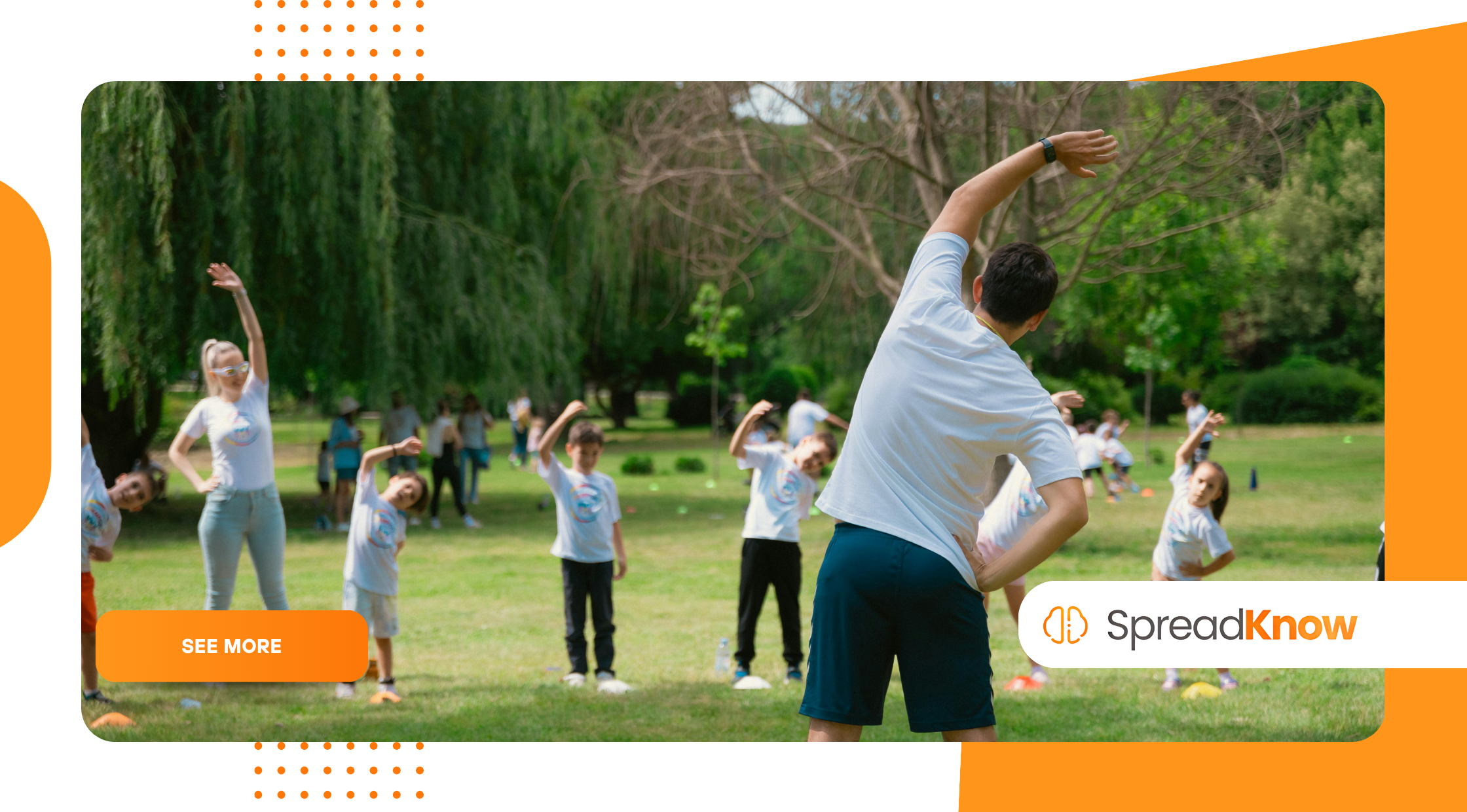
El movimiento físico y el rendimiento cognitivo aparecen cada vez más juntos en la investigación neurocientífica, ya que la actividad regular fortalece de forma medible la concentración, la regulación emocional, la retención de la memoria y la resiliencia intelectual a largo plazo en diferentes grupos de edad.
Anuncios
Los entornos laborales modernos fomentan hábitos de sedentarismo prolongados que reducen silenciosamente la circulación, perjudican la resistencia mental y debilitan la flexibilidad cognitiva durante tareas profesionales exigentes que requieren una toma de decisiones continua y una atención analítica sostenida.
Los investigadores reconocen ahora que la actividad muscular influye en la producción de neurotransmisores, las respuestas al estrés, la calidad del sueño y los patrones de comunicación neuronal que afectan directamente a la velocidad de aprendizaje, la creatividad y la estabilidad emocional a lo largo de la edad adulta.
Estudiantes, ejecutivos, atletas y adultos mayores suelen demostrar una mejor capacidad de respuesta mental tras adoptar rutinas de movimiento constantes que estimulan la salud cardiovascular a la vez que favorecen una estructura cerebral más sana y una mayor adaptabilidad neurológica.
Las instituciones científicas siguen publicando pruebas que sugieren que las rutinas de ejercicio moderado protegen el rendimiento cognitivo de forma más eficaz que muchas intervenciones de estilo de vida previamente aceptadas, centradas exclusivamente en la nutrición o las actividades de entrenamiento intelectual.
Anuncios
Comprender esta relación ayuda a las personas a rediseñar estratégicamente sus rutinas diarias, ya que pequeños ajustes en los patrones de movimiento pueden mejorar sustancialmente la productividad, el equilibrio emocional y el rendimiento neurológico a largo plazo sin necesidad de costosas soluciones tecnológicas.
Cómo responde la actividad cerebral al movimiento físico
Los neurocientíficos han observado que el ejercicio aeróbico aumenta el flujo sanguíneo hacia las regiones responsables de las funciones ejecutivas, lo que permite al cerebro procesar la información de manera más eficiente durante situaciones intelectualmente exigentes.
El movimiento estimula la liberación del factor neurotrófico derivado del cerebro, comúnmente llamado BDNF, que fortalece las conexiones neuronales y favorece la formación de nuevas vías asociadas con la consolidación de la memoria y la capacidad de aprendizaje.
Investigadores que estudian a trabajadores de oficina descubrieron que las breves pausas para caminar reducían significativamente la fatiga mental, al tiempo que mejoraban la capacidad de atención durante tareas administrativas repetitivas que requerían una concentración sostenida durante largas jornadas laborales.
Los estudios de neuroimagen funcional revelan que los adultos físicamente activos suelen mantener un volumen hipocampal más saludable en comparación con las personas sedentarias, lo que sugiere una mayor resistencia contra el deterioro cognitivo y de la memoria relacionados con la edad.
Muchos educadores fomentan cada vez más el movimiento en el aula porque los estudiantes que participan físicamente suelen demostrar una mejor retención de la información, mayores niveles de participación y una mejor regulación emocional durante debates académicos complejos que requieren concentración.
La relación entre el movimiento coordinado y la cognición también se observa en los entornos deportivos profesionales, donde los atletas practican regularmente ejercicios de reacción diseñados específicamente para agudizar la percepción, la precisión temporal y el pensamiento estratégico rápido.
++ Los beneficios para la salud mental de trabajar con las manos
El papel del ejercicio en la formación de la memoria
Investigadores médicos relacionaron el ejercicio cardiovascular con un mejor rendimiento de la memoria tras observar mejoras constantes entre los participantes que completaron sesiones de entrenamiento moderado varias veces por semana a lo largo de estudios cognitivos a largo plazo.
Científicos de la Instituto Nacional sobre el Envejecimiento Se hace hincapié en que los hábitos de actividad física favorecen la salud cerebral al mejorar la circulación, reducir la inflamación y fortalecer la resiliencia neurológica frente a las afecciones degenerativas que afectan a la memoria.
Las personas que se recuperan de entornos profesionales estresantes suelen reportar una mayor claridad mental tras la introducción de rutinas físicas estructuradas que interrumpen la sobrecarga cognitiva prolongada y restablecen patrones de procesamiento emocional más saludables durante horarios exigentes.
La calidad del sueño también mejora mediante la práctica constante de movimientos, lo que indirectamente mejora la retención de la memoria, ya que el cerebro organiza la información de forma más eficaz durante los ciclos de sueño reparador más profundos asociados a la recuperación neurológica.
Investigadores que estudiaban poblaciones de edad avanzada observaron que los participantes que realizaban actividades de baile con regularidad conservaban una mayor capacidad de memoria en comparación con los grupos sedentarios que experimentaban un deterioro más rápido de las funciones cognitivas diarias.
La interacción entre la intensidad del ejercicio y la memoria parece especialmente importante porque las rutinas excesivamente exigentes pueden aumentar temporalmente las hormonas del estrés, que interfieren con la concentración y la recuperación mental durante períodos intelectualmente desafiantes.

Regulación emocional y claridad mental
La claridad mental a menudo depende en gran medida de la estabilidad emocional, ya que el estrés crónico altera el equilibrio de los neurotransmisores y reduce la capacidad del cerebro para mantener una atención precisa durante responsabilidades intelectuales complejas.
El movimiento físico reduce la acumulación de cortisol a la vez que aumenta la producción de endorfinas, creando así condiciones neurológicas que favorecen una toma de decisiones más tranquila y una mayor regulación emocional durante períodos de presión profesional o personal.
Los psicólogos que estudian los trastornos de ansiedad suelen recomendar rutinas de ejercicio estructuradas porque el movimiento interrumpe los patrones de pensamiento negativos repetitivos, al tiempo que fomenta un procesamiento emocional más saludable a través de mecanismos de regulación fisiológica predecibles.
Muchas personas describen una mayor confianza en sí mismas después de adoptar hábitos de actividad física, ya que el progreso físico suele reforzar la resiliencia psicológica y crea percepciones más sólidas sobre la capacidad personal y el control emocional a largo plazo.
El Organización Mundial de la Salud Destaca la actividad física como un importante factor protector que favorece el bienestar mental, la estabilidad emocional y un funcionamiento neurológico más saludable en diversas poblaciones y grupos de edad.
Los profesionales creativos a veces utilizan estratégicamente las sesiones de caminata antes de las reuniones de lluvia de ideas, ya que el movimiento fomenta patrones de pensamiento asociativos más amplios que ayudan a generar ideas poco convencionales y enfoques más flexibles para la resolución de problemas.
++ El papel de la reflexión en la transformación de la experiencia en conocimiento.
Productividad en el lugar de trabajo y resistencia cognitiva
Los debates sobre productividad empresarial incluyen cada vez más la actividad física, ya que los empleadores reconocen que la resistencia cognitiva disminuye rápidamente cuando los trabajadores permanecen sedentarios durante períodos prolongados que implican responsabilidades mentalmente exigentes.
Varias empresas tecnológicas rediseñaron intencionadamente sus entornos de oficina introduciendo escritorios de pie, reuniones caminando y espacios orientados al movimiento, con el objetivo de favorecer la concentración y reducir el agotamiento entre los empleados altamente especializados.
Una investigación realizada con analistas financieros demostró que los participantes que incorporaban actividad física regular mantenían una mayor precisión en la toma de decisiones durante tareas analíticas prolongadas, en comparación con sus colegas que seguían rutinas laborales sedentarias.
La resistencia cognitiva también depende de la regulación de la glucosa y del suministro de oxígeno, ambos factores influenciados significativamente por los patrones de movimiento que afectan la eficiencia cardiovascular y la estabilidad metabólica general durante actividades intelectuales exigentes.
La siguiente tabla resume los hábitos de movimiento comunes, junto con su influencia observada en el rendimiento cognitivo en el lugar de trabajo, según los hallazgos de investigaciones contemporáneas sobre salud organizacional.
| Hábito de movimiento | Beneficio cognitivo | Impacto típico en el lugar de trabajo |
|---|---|---|
| pausas para caminar | Atención mejorada | Reducción de la fatiga mental |
| Sesiones de estiramiento | Mejor circulación | Mayor comodidad durante las tareas |
| reuniones permanentes | Mayor compromiso | Intercambios de comunicación más rápidos |
| actividad aeróbica ligera | Procesamiento de memoria más potente | Mayor consistencia analítica |
Los directivos apoyan cada vez más las políticas de movilidad flexible porque los empleados más sanos suelen demostrar una mayor motivación, un menor absentismo y un rendimiento intelectual más constante durante los proyectos colaborativos que requieren una concentración sostenida.
++ La ética del diseño de la economía de la atención
Desarrollo infantil y rendimiento académico
Los niños combinan de forma natural el movimiento con el aprendizaje porque la actividad física favorece el desarrollo neurológico durante los años formativos, cuando el cerebro establece rápidamente redes de comunicación fundamentales y sistemas de regulación del comportamiento.
Investigadores educativos observaron que los estudiantes físicamente activos suelen obtener mejores resultados que sus compañeros sedentarios en evaluaciones de comprensión lectora, ejercicios de razonamiento matemático y tareas que requieren una concentración prolongada en entornos académicos estructurados.
Los ejercicios de coordinación motora resultan especialmente valiosos porque fortalecen la comunicación entre los sistemas sensoriales y las regiones ejecutivas del cerebro responsables de la planificación, el control de los impulsos y la capacidad de resolución adaptativa de problemas durante las actividades de aprendizaje.
En ocasiones, los centros educativos que reducen sus programas de educación física informan de consecuencias académicas no deseadas, ya que la disminución de las oportunidades de movimiento puede debilitar la regulación emocional y reducir la participación en clase de los alumnos más jóvenes que afrontan dificultades propias del desarrollo.
Los padres fomentan cada vez más las actividades físicas extracurriculares porque los programas deportivos, de artes marciales y de danza suelen fortalecer la disciplina, la resiliencia emocional y el pensamiento colaborativo, además de producir mejoras cuantificables en la confianza y la concentración académica.
Los neurólogos siguen haciendo hincapié en que los patrones de movimiento en la infancia influyen significativamente en la salud cognitiva en la edad adulta, ya que los hábitos tempranos moldean la resiliencia cardiovascular, la regulación del estrés y las actitudes a lo largo de la vida hacia la participación en la actividad física.
Envejecimiento, neuroplasticidad y preservación cerebral
El envejecimiento altera de forma natural la velocidad de procesamiento cognitivo, pero el movimiento físico constante parece capaz de ralentizar varios deterioros neurológicos asociados con la pérdida de memoria y la disminución de las funciones ejecutivas en los adultos mayores.
Investigadores que estudian la neuroplasticidad descubrieron que las personas mayores físicamente activas suelen mantener una mayor adaptabilidad dentro de las redes de comunicación neuronal, lo que favorece la continuidad de las capacidades de aprendizaje a pesar de que los procesos biológicos de envejecimiento afectan gradualmente la estructura cerebral.
Los programas de caminata diseñados para personas mayores suelen producir mejoras notables en la atención, el bienestar emocional y la capacidad de respuesta en las conversaciones después de varios meses de participación estructurada, apoyada por oportunidades de interacción social.
El entrenamiento de fuerza también contribuye significativamente porque la salud muscular mejora el equilibrio, la independencia y los patrones de circulación, lo que protege indirectamente el funcionamiento neurológico y reduce los riesgos asociados con los estilos de vida sedentarios propios del envejecimiento.
Diversos estudios longitudinales sugieren que los adultos mayores que participan de forma constante en rutinas de ejercicio moderado presentan un menor riesgo de síntomas relacionados con la demencia en comparación con las poblaciones inactivas que experimentan un deterioro cognitivo acelerado.
Los profesionales médicos fomentan cada vez más las estrategias de envejecimiento centradas en el movimiento, ya que el apoyo neurológico preventivo mediante la adaptación del estilo de vida suele resultar más sostenible que los enfoques de tratamiento reactivos que se introducen después de que se produce un deterioro significativo.
Desarrollar hábitos de movimiento diarios sostenibles
Los expertos suelen recomendar ajustes graduales en el comportamiento, ya que las rutinas de movimiento sostenibles se desarrollan con mayor éxito mediante la repetición constante que mediante programas agresivos que provocan rápidamente agotamiento o desánimo.
Las sesiones de estiramiento matutinas, los breves intervalos de caminata y los ejercicios de movilidad cortos pueden mejorar notablemente la circulación, a la vez que preparan el cerebro para las responsabilidades cognitivamente exigentes que requieren atención sostenida durante todo el día.
Las personas que trabajan de forma remota a menudo se benefician de recordatorios de movimiento estructurados, ya que los entornos digitales fomentan hábitos de sedentarismo prolongados que debilitan gradualmente la concentración, el equilibrio emocional y la resistencia física a largo plazo durante las actividades profesionales.
Los científicos del comportamiento hacen hincapié en las técnicas de acumulación de hábitos que conectan las prácticas de movimiento con las rutinas existentes, aumentando la adherencia y reduciendo la resistencia psicológica comúnmente asociada con las modificaciones drásticas del estilo de vida introducidas abruptamente.
Las actividades comunitarias a veces refuerzan la constancia porque la responsabilidad social fomenta la participación regular, al tiempo que apoya el bienestar emocional a través de la interacción interpersonal y las experiencias motivacionales compartidas que implican un progreso colectivo.
El rendimiento cognitivo a largo plazo depende menos de entrenamientos intensos ocasionales y más de una frecuencia de movimiento sostenible integrada de forma natural en las rutinas diarias, lo que favorece la resiliencia neurológica y patrones de regulación emocional más saludables.
Conclusión
La conexión entre el movimiento y el rendimiento cognitivo demuestra que la actividad física influye en mucho más que la fuerza muscular, ya que la eficiencia neurológica depende en gran medida de la circulación, la regulación emocional y los sistemas de comunicación cerebral adaptativos.
Cada vez hay más evidencia científica que respalda los estilos de vida centrados en el movimiento como estrategias prácticas para proteger la memoria, fortalecer la concentración y preservar la flexibilidad mental durante las exigentes responsabilidades profesionales y los procesos de envejecimiento a largo plazo.
Las personas que buscan una mayor productividad o un mejor equilibrio emocional pueden lograr mejoras cognitivas significativas mediante hábitos de movimiento realistas que transforman gradualmente el funcionamiento neurológico sin necesidad de equipos costosos ni intervenciones especializadas.
Comprender estas relaciones fomenta debates culturales más amplios sobre educación, diseño del lugar de trabajo, prevención sanitaria y bienestar personal, ya que unos patrones de movimiento más saludables favorecen un mejor rendimiento intelectual en todas las etapas del desarrollo humano.
Preguntas frecuentes
1. ¿Cómo mejora el movimiento físico el rendimiento cognitivo?
El movimiento físico mejora la circulación, la producción de neurotransmisores y los patrones de comunicación neuronal, lo que ayuda al cerebro a mantener una mayor concentración, retención de la memoria, regulación emocional y eficiencia en la toma de decisiones durante actividades intelectualmente exigentes.
2. ¿Qué ejercicios benefician más eficazmente la salud cerebral?
Las actividades aeróbicas moderadas, como caminar, andar en bicicleta, nadar y bailar, suelen producir importantes beneficios cognitivos, ya que mejoran la eficiencia cardiovascular al tiempo que favorecen una mayor adaptabilidad neurológica y procesos de regulación emocional más saludables.
3. ¿Pueden las sesiones cortas de movimiento mejorar la productividad en el lugar de trabajo?
Los breves intervalos de movimiento durante la jornada laboral suelen reducir sustancialmente la fatiga mental, al tiempo que mejoran la concentración, la coherencia analítica, el equilibrio emocional y la resistencia cognitiva sostenida durante responsabilidades profesionales prolongadas que requieren atención.
4. ¿Protege la actividad física el cerebro envejecido contra el deterioro?
Las investigaciones sugieren firmemente que los hábitos de movimiento regulares ayudan a preservar la neuroplasticidad, la función de la memoria y el rendimiento ejecutivo, al tiempo que reducen potencialmente los riesgos asociados con el deterioro cognitivo relacionado con la demencia en los adultos mayores.
5. ¿Por qué los niños aprenden mejor cuando realizan actividad física?
Los niños físicamente activos suelen demostrar una mayor concentración, regulación emocional y capacidad para resolver problemas, ya que el movimiento favorece el desarrollo neurológico y una comunicación más saludable entre los sistemas cerebrales sensoriales y ejecutivos.
