
Why More People Are Rejecting Smartphones: The “Dumb Phone” Movement
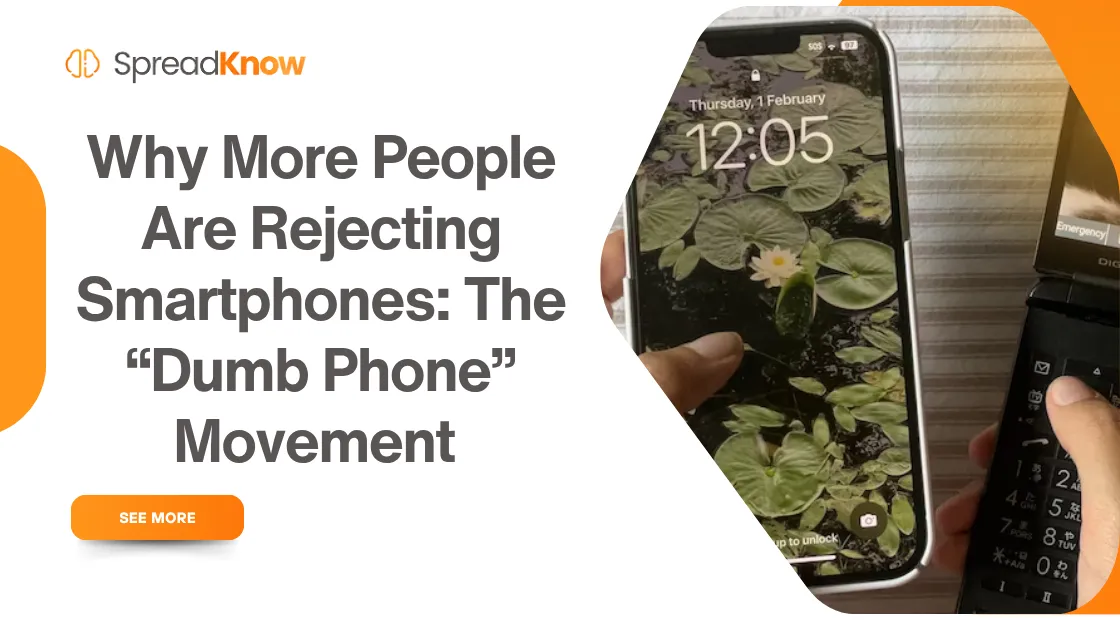
The Dumb Phone movement is quietly reshaping how people interact with technology, trading smartphone complexity for simplicity.
Anúncios
In an era dominated by sleek devices packed with apps, notifications, and endless scrolling, a growing number of individuals are stepping back.
They’re choosing basic phones—often called “dumb phones”—that prioritize essential functions like calling and texting over the digital overload of modern smartphones.
This shift isn’t just a nostalgic whim; it’s a deliberate rejection of the always-on culture, driven by concerns about mental health, productivity, and personal freedom.
But what’s fueling this trend, and why now? Let’s explore the motivations, cultural shifts, and practical implications behind this movement, along with its broader impact on society.
Anúncios
A Backlash Against Digital Overload
Smartphones have become extensions of ourselves, but not without cost.
The average person checks their phone 144 times a day, according to a 2023 study by Reviews.org.
This constant engagement fragments attention, fuels anxiety, and erodes meaningful human connection.
The Dumb Phone movement emerges as a counterpoint, advocating for devices that don’t demand your attention every minute.
These phones—think flip phones or minimalist devices like the Light Phone—offer basic functionality without the pull of social media or email.
Consider Sarah, a 29-year-old graphic designer from Seattle.
She ditched her iPhone for a Nokia 3310 after noticing how her screen time—averaging six hours daily—was sapping her creativity.
“I felt like my phone owned me,” she says. “Switching to a dumb phone forced me to be present. I sketch more, read books, and actually talk to people.”
Sarah’s story reflects a broader sentiment: smartphones, while powerful, often enslave users to a cycle of notifications and dopamine hits.
The movement pushes back, prioritizing mental clarity over digital clutter.
This isn’t about rejecting technology altogether.
Instead, it’s a recalibration.
People are craving tools that serve them, not control them.
The Dumb Phone movement resonates because it offers a way to reclaim time and focus in a world that’s increasingly fragmented.
The Mental Health Connection
Why are we so tethered to devices that stress us out?
The link between smartphone overuse and mental health issues is well-documented.
Studies show correlations between excessive screen time and increased anxiety, depression, and sleep disturbances.
The Dumb Phone movement taps into this, offering a practical solution for those seeking to break free from the psychological toll of constant connectivity.
Take the example of James, a 42-year-old teacher from Chicago.
After years of doomscrolling news feeds, he switched to a basic phone with no internet access.
“I didn’t realize how much my phone was fueling my stress,” he admits. “Without it, I sleep better and feel less overwhelmed.”
James’s experience aligns with research: a 2022 study from the University of California found that reducing smartphone use by just one hour daily improved participants’ well-being by 12%.
The Dumb Phone movement isn’t just about nostalgia—it’s a mental health strategy, helping people set boundaries in a hyper-connected world.
This shift also challenges the assumption that more connectivity equals better living.
By stripping away apps and distractions, dumb phones force users to engage with the world directly.
It’s like swapping a cluttered desk for a clean one: the simplicity fosters clarity and purpose.
+ What You Need to Know About the Rise of “De-Dollarization”
The Productivity Paradox
Smartphones promise productivity but often deliver distraction.
Apps designed to streamline tasks—email, calendars, to-do lists—compete with social media and games for attention.
The Dumb Phone movement flips this dynamic, emphasizing focus over multitasking.
Without the temptation of a touchscreen, users report getting more done.
For professionals, this can be a game-changer.
A 2024 survey by TechMinimalism revealed that 68% of dumb phone users felt more productive after switching, citing fewer interruptions.
The table below highlights key productivity differences between smartphone and dumb phone users:
| Metric | Smartphone Users | Dumb Phone Users |
|---|---|---|
| Average daily screen time | 6.2 hours | 0.8 hours |
| Tasks completed per day | 12 | 15 |
| Self-reported focus level | 6/10 | 8/10 |
The data underscores a truth: less tech can mean more output.
Dumb phones eliminate the paradox of devices that promise efficiency but deliver procrastination.
By limiting functionality, they create space for deep work and intentional living.
Moreover, the growing trend of remote work has made many professionals reconsider their reliance on smartphones, leading to a more focused approach to productivity.
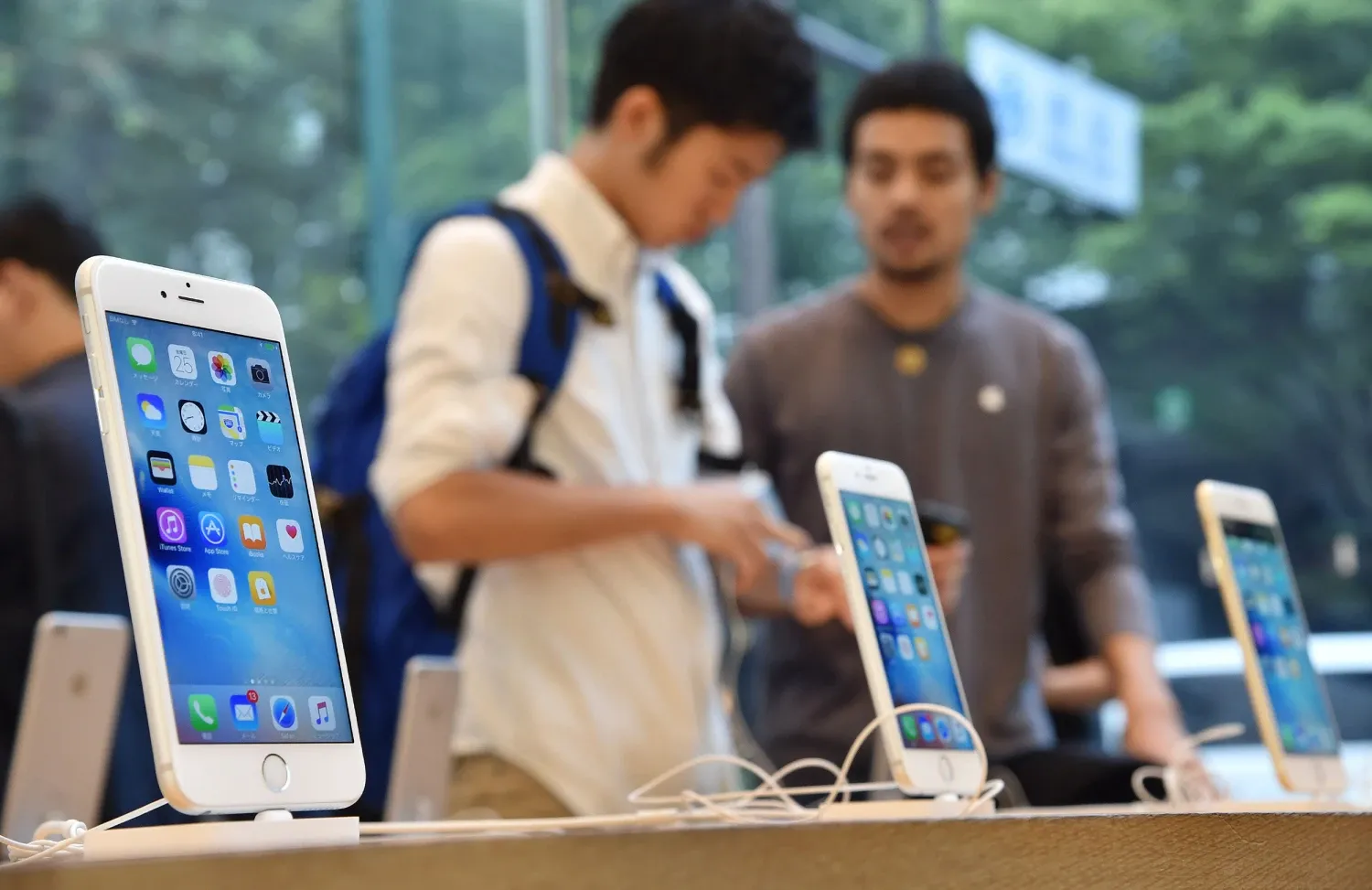
A Cultural Shift Toward Minimalism
The Dumb Phone movement dovetails with broader cultural trends, particularly the rise of minimalism.
From Marie Kondo’s decluttering philosophy to tiny houses, people are seeking simplicity in a world of excess.
Smartphones, with their endless apps and updates, embody complexity.
Dumb phones, by contrast, are the tech equivalent of a capsule wardrobe: functional, streamlined, and intentional.
This resonates with younger generations, who might seem unlikely candidates.
Gen Z, often stereotyped as digital natives, is leading the charge.
Tired of curated Instagram feeds and TikTok algorithms, many are embracing analog alternatives.
Vinyl records, film cameras, and now dumb phones are badges of rebellion against a tech-saturated world.
The movement isn’t just practical—it’s a statement.
It says: I choose what matters.
This cultural shift toward minimalism reflects a deeper desire for authenticity and real experiences, contrasting sharply with the curated lives often portrayed online.
Privacy and Autonomy in Focus
Smartphones are data-collection machines.
Every click, search, and post feeds algorithms that track and monetize behavior.
The Dumb Phone movement appeals to those wary of this surveillance economy.
Basic phones lack the sensors, apps, and connectivity that make smartphones data goldmines.
For privacy-conscious individuals, this is a major draw.
Beyond privacy, there’s a deeper quest for autonomy.
Smartphones tether users to work emails, group chats, and notifications, blurring the line between personal and professional life.
A dumb phone sets a hard boundary.
It’s a tool, not a lifestyle.
This resonates with people like Sarah and James, who want control over their time and attention, not devices that dictate their day.
Furthermore, as concerns about data privacy grow, the demand for devices that prioritize user autonomy is likely to increase, influencing future tech trends.
++ What the Rise of Multipolarism Means for Global Trade
The Practical Trade-Offs
Switching to a dumb phone isn’t without challenges.
Modern life often demands digital tools—think navigation apps, two-factor authentication, or mobile banking.
Critics argue that dumb phones are impractical for professionals or anyone integrated into digital ecosystems.
Yet, advocates counter that workarounds exist.
For example, some users pair a dumb phone with a tablet for occasional app-based tasks, maintaining simplicity without sacrificing function.
The table below outlines common trade-offs:
| Feature | Smartphone | Dumb Phone |
|---|---|---|
| Calling/Texting | Yes | Yes |
| Internet Access | Full | None/Limited |
| App Ecosystem | Extensive | Minimal/None |
| Battery Life | 1-2 days | 5-10 days |
| Cost (Average) | $800 | $50-$150 |
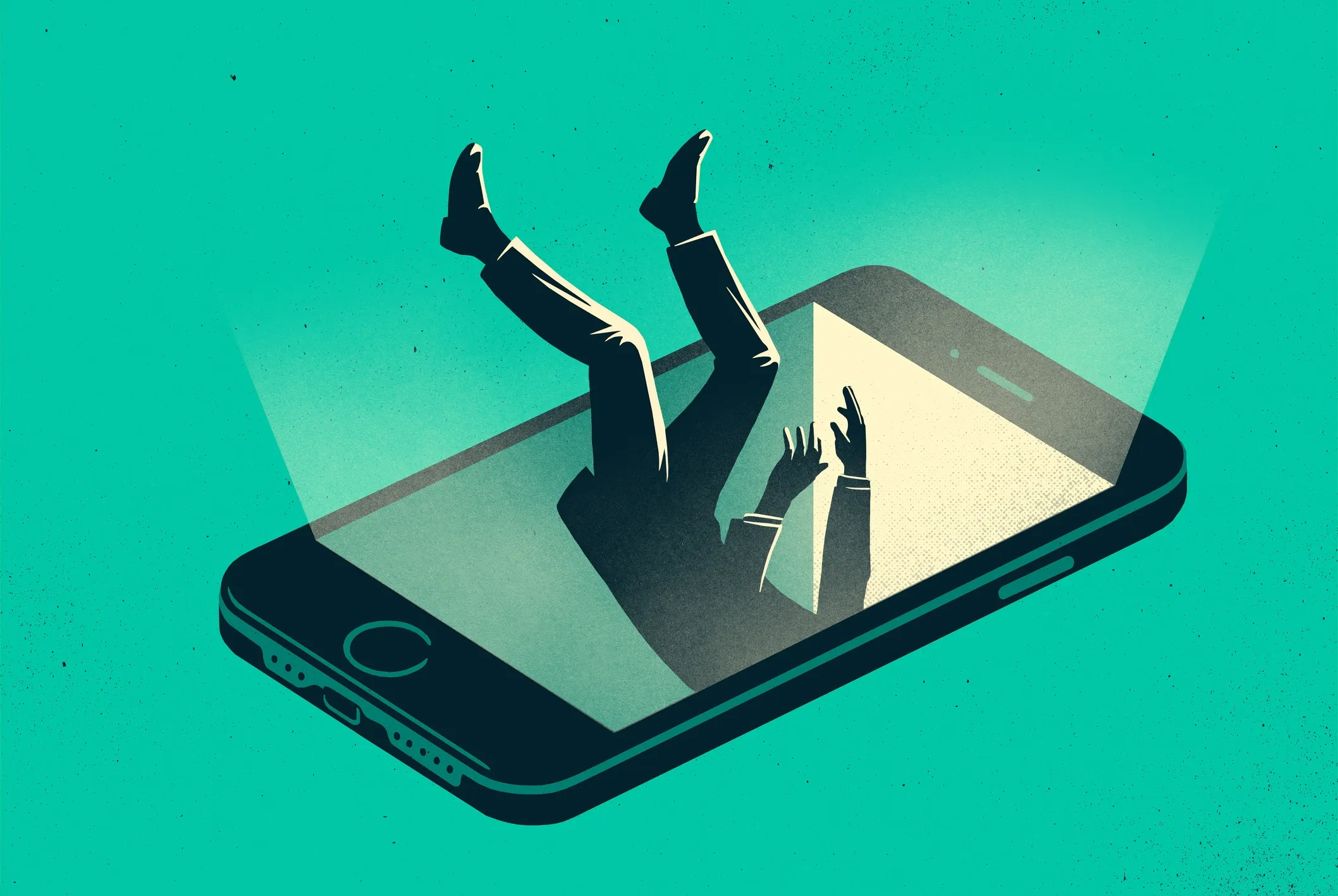
Battery life is a standout benefit.
Dumb phones often last a week on a single charge, compared to smartphones’ daily charging ritual.
Cost is another factor—dumb phones are significantly cheaper, making them accessible to a wide range of users.
Additionally, the simplicity of dumb phones allows for a more straightforward user experience, reducing the frustration often associated with complex smartphone interfaces.
The Social Implications
Adopting a dumb phone can shift social dynamics.
Without instant messaging or social media, communication becomes more intentional.
Users report deeper conversations and stronger relationships.
However, it can also create friction.
Friends accustomed to instant replies may find the slower pace jarring.
The Dumb Phone movement challenges societal norms around availability, asking: do we owe others constant access?
This shift also raises questions about equity.
Smartphones are often status symbols, signaling wealth or tech-savviness.
Dumb phones, by contrast, are egalitarian—affordable and unpretentious.
They level the playing field, focusing on function over flash.
Moreover, as more people adopt dumb phones, there’s potential for a cultural shift in how society views communication and connection, emphasizing quality over quantity.
The Future of the Movement
The Dumb Phone movement is gaining traction, but it’s not a one-size-fits-all solution.
For some, it’s a full-time commitment; for others, it’s a part-time detox.
Hybrid approaches—like using a smartphone with strict app limits—are also emerging.
What’s clear is that the movement reflects a broader desire for balance.
As technology evolves, so will the ways people seek to control it.
Looking ahead, manufacturers are taking note.
Companies like Light Phone and Punkt are designing minimalist devices that blend dumb phone simplicity with modern aesthetics.
These innovations suggest the movement isn’t a passing fad but a response to a deeper cultural need.
Will it reshape the tech industry? Only time will tell, but the growing interest in intentional tech use is undeniable.
Furthermore, as the demand for minimalism and privacy continues to rise, we may see more mainstream brands exploring options that cater to users seeking a simpler, more focused experience.
For more insights on the implications of technology on our lives, check out The Atlantic, a publication that frequently explores the intersection of culture and technology.
Conclusion: A Return to What Matters
The Dumb Phone movement isn’t about turning back the clock—it’s about moving forward with purpose.
By choosing simplicity, users are reclaiming their time, mental health, and autonomy.
Like a hiker shedding excess gear to climb faster, they’re prioritizing what truly matters.
The movement challenges us to rethink our relationship with technology, asking whether our devices serve us or the other way around.
As more people embrace this mindset, the ripple effects could redefine how we live, work, and connect in a digital age.