
Why Skill-Based Hobbies Improve Focus and Patience
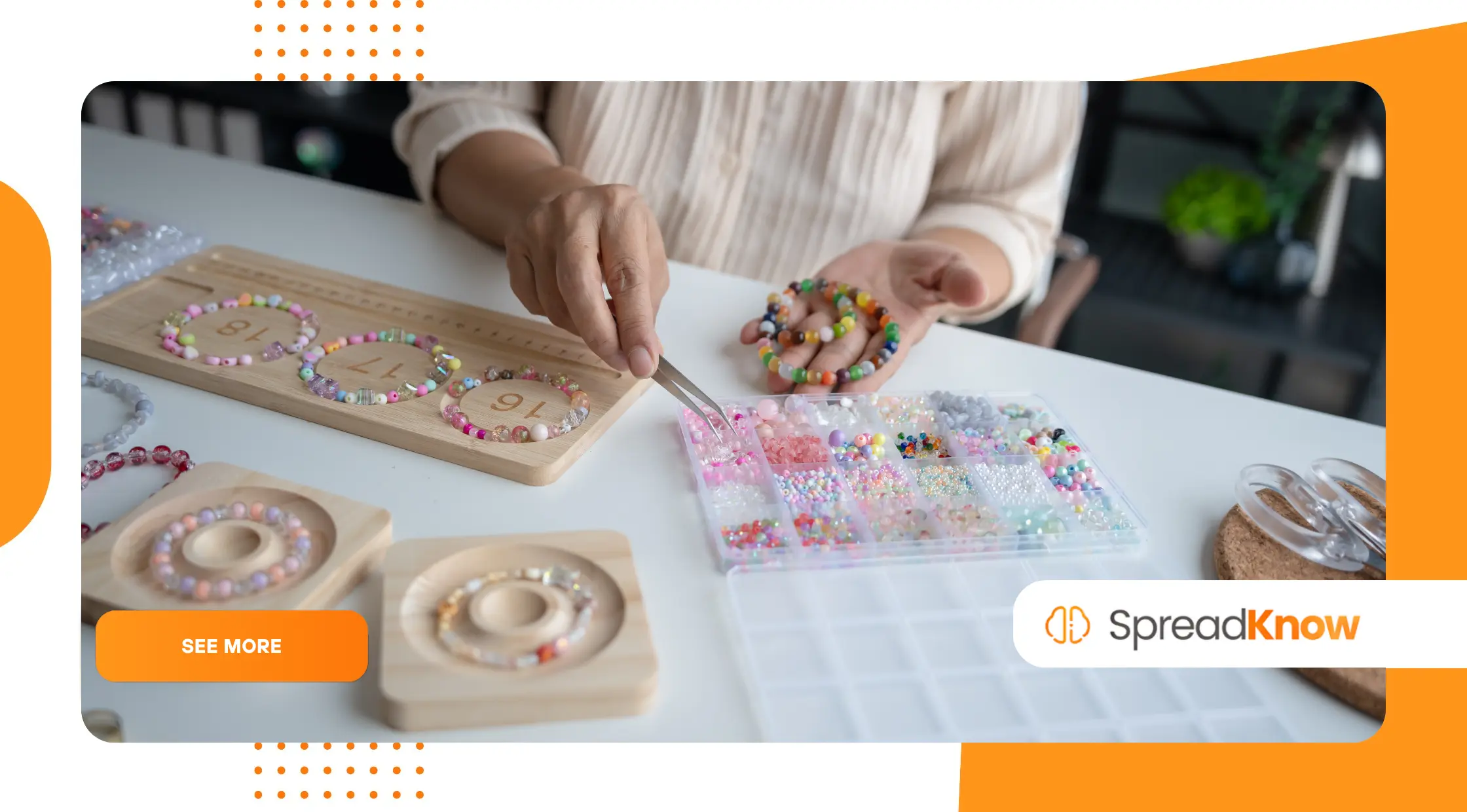
Skill-based hobbies occupy a unique position in human psychology: they are the rare activities that simultaneously demand and develop the exact cognitive qualities — focus, patience, and sustained attention — that the modern environment systematically erodes.
Anúncios
In an era when the average interaction with a digital screen lasts seconds and algorithmic content delivery has been optimized to prevent any experience of productive waiting, the act of learning a craft that requires months of deliberate practice represents something close to a radical act of cognitive self-preservation.
A 2024 study published in Frontiers in Behavioral Neuroscience demonstrated that creative hobbies activate the brain’s dopaminergic reward network — the same system responsible for motivation and sustained effort — but through a slower, steadier mechanism than the spike-and-crash pattern produced by scrolling or passive entertainment.
A scoping review published in 2025 examining research from 2014 to 2024 across multiple databases identified consistent evidence that hobby engagement reduces depression and anxiety, improves quality of life, and — crucially for the focus question — builds the kind of purposeful cognitive engagement that transfers beyond the hobby itself.
Research published in ScienceDirect examining adults over 50 across 24 countries found that engaging in hobbies positively impacts objective and subjective cognitive functions consistently across cultures, a finding significant enough that the authors recommended incorporating hobby activities into global public health strategies.
Anúncios
Understanding precisely how skill-based hobbies build focus and patience — and which cognitive mechanisms they engage — reveals why these activities produce benefits that passive leisure, for all its pleasures, structurally cannot replicate.
The Neuroscience of Learning Through Difficulty
The cognitive benefits of skill-based hobbies are not incidental byproducts of enjoyment — they emerge directly from the neurological demands that skill acquisition places on the brain, demands that are absent from activities that require no learning curve and produce no progressive mastery.
When a person begins learning a skill — whether woodworking, chess, pottery, or a musical instrument — the brain must form new neural connections to encode unfamiliar movement patterns, decision sequences, and perceptual distinctions, a process that requires sustained, concentrated attention over repeated practice sessions.
This requirement for concentrated attention is precisely what makes skill-based hobbies cognitively developmental: the brain cannot automate what it has not yet learned, which forces the prefrontal cortex — responsible for executive function, impulse control, and sustained focus — to remain actively engaged throughout each practice session.
Alvaro Pascual-Leone, professor of neurology at Harvard Medical School, has noted that tactile and creative hobbies create greater brain connectivity that helps aging populations where neurons are naturally dying off, and that the dopamine engagement produced by these activities is qualitatively different from the spikes produced by social media precisely because it is earned through effort rather than delivered passively.
Research from the New England Journal of Medicine found that cognitive hobbies reduce dementia risk by up to 75%, a finding that reflects not just correlation between curious people and healthy aging but a genuine causal mechanism: the neural pathways built through sustained skill practice create cognitive reserve that slows age-related decline.
Scientists have documented that talented experts show measurably younger brain activity than less experienced counterparts, suggesting that the habit of focused skill development produces structural neural changes that accumulate over time into significant cognitive advantages.
++ Why Global Inequality Is Increasing Despite Economic Growth
How Patience Is Built Through Progressive Mastery
Patience — the capacity to tolerate delay, resist the urge for immediate gratification, and maintain effort toward a distant goal — is not a personality trait that remains fixed across contexts but a skill that is exercised and strengthened through specific types of experience.
Skill-based hobbies are among the most effective training environments for patience because they make the relationship between effort and reward visible, gradual, and honest in ways that most other life domains do not.
A person learning to play guitar cannot skip the phase of building calluses on their fingertips or the weeks during which chord transitions are slow and imprecise — there is no shortcut, no optimization, no way to purchase the outcome without the process, which is precisely what makes the activity an effective teacher of patient effort.
This structure — where visible progress requires sustained investment that cannot be accelerated beyond biological limits — creates repeated experiences of delayed gratification that strengthen the psychological tolerance for waiting that modern environments so thoroughly undermine.
Gardening represents a particularly pure form of this dynamic: tracking plant growth cycles and adjusting care based on observation engages attention in a structured way, and the weeks-long feedback loops between decision and outcome build a relationship with time that is genuinely therapeutic for minds accustomed to instant digital response.
| Hobby Type | Primary Focus Mechanism | Patience-Building Feature |
|---|---|---|
| Musical instruments | Motor sequence learning | Months of daily practice before fluency |
| Woodworking | Spatial attention and precision | Irreversible consequences of rushing |
| Chess | Strategic planning and pattern recognition | Long-term thinking across many moves |
| Gardening | Sustained observation across time | Weekly to seasonal feedback loops |
| Photography | Visual attention and composition | Waiting for the right moment and conditions |
The table’s pattern reveals a shared feature across apparently different hobbies: each one creates structured experiences of productive waiting, where the person must sustain engagement through a period without immediate reward in order to reach outcomes that the impatient practitioner will never access.
Focus as a Trainable Capacity
The dominant assumption about focus in contemporary psychology is that it is a resource — something that depletes through use and must be conserved through rest — rather than a capacity that can be trained and expanded through deliberate practice.
Skill-based hobbies challenge this assumption by providing evidence that sustained attention, applied consistently to a challenging task, strengthens the neural systems that support focus rather than merely consuming them, producing a practitioner who finds it progressively easier to sustain concentration across all domains of life.
Photography exemplifies this mechanism: it involves observing surroundings carefully before taking a picture, considering lighting, positioning, timing, and small background details simultaneously, training a quality of attentional precision that transfers directly to other tasks requiring careful observation and deliberate decision-making.
The concept of flow — Mihaly Csikszentmihalyi’s term for the state of complete absorption in a challenging, intrinsically motivated activity — is most reliably produced by skill-based hobbies where difficulty is well-matched to current ability, creating sustained periods of focused engagement that simultaneously feel effortless and require complete attentional commitment.
++ How Hobbies Strengthen Emotional Resilience
Each flow experience in a hobby context trains the brain’s capacity to enter and sustain focused states in other contexts, which is why regular practitioners of demanding hobbies consistently report improved concentration at work and study, even when those environments bear no surface similarity to the hobby itself.
The American Psychological Association has documented that activities combining physical engagement with cognitive challenge — which describes most skill-based hobbies — produce the strongest and most durable improvements in sustained attention, likely because they engage multiple brain systems simultaneously rather than isolating cognition from motor activity.
The Specific Benefits of Working With Your Hands
Among skill-based hobbies, those involving manual craft — woodworking, pottery, knitting, calligraphy, instrument-making — produce a distinct set of cognitive and psychological benefits that emerge specifically from the combination of fine motor demand and deliberate attention that handwork requires.
A meta-analysis published in BMC Public Health found that hands-on, repetitive hobbies boost psychological well-being through mechanisms that include both the cognitive engagement of skill development and the parasympathetic nervous system activation that rhythmic, focused manual activity reliably produces.
Knitting research published in 2024 through National Geographic’s science coverage confirmed that tactile craft hobbies engage the brain’s dopaminergic reward network in ways that improve focus and potentially delay age-related cognitive decline, with neuroscientists noting that the slower, steadier reward structure of craft practice is neurologically healthier than the spike-driven engagement of passive screen time.
++ The Mental Health Benefits of Working With Your Hands
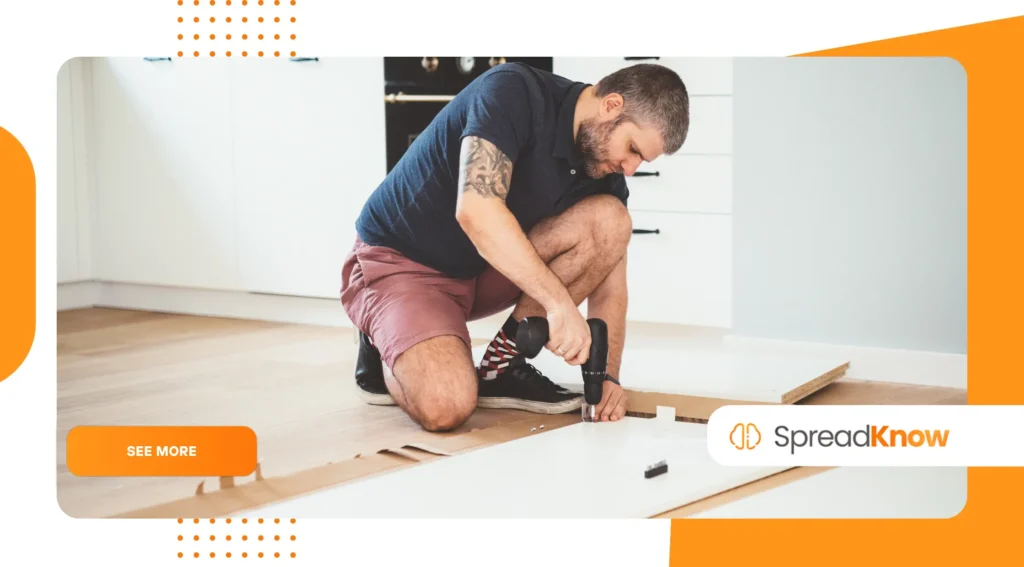
The irreversibility of mistakes in manual craft deserves specific attention as a patience-building mechanism: unlike digital work where errors are undone with a keystroke, a woodworking cut made too quickly or a ceramic piece fired before it was ready cannot be retrieved, creating natural consequences for impatience that make the value of careful, unhurried attention viscerally real in ways that abstract advice about patience never achieves.
Activities like quilting, cross-stitching, whittling, pottery, and bookbinding offer similar cognitive benefits, particularly when they involve both hands, sequence-based thinking, and a learning curve that ensures the brain remains genuinely challenged rather than merely occupied.
Conclusion
Skill-based hobbies improve focus and patience not through the vague mechanism of keeping people busy but through the specific neurological, psychological, and structural features of activities that demand sustained attention, reward deliberate practice, and make the costs of impatience concrete rather than abstract.
The research across neuroscience, cognitive psychology, and public health converges on a consistent finding: voluntary engagement in activities with a genuine learning curve produces cognitive benefits that transfer beyond the hobby into every domain of life that requires sustained attention and tolerance for delayed reward.
In an environment that has been deliberately engineered to minimize waiting, eliminate friction, and deliver stimulation in packets calibrated to prevent the experience of productive difficulty, the decision to spend regular time on a skill that cannot be rushed is both a personal cognitive investment and a modest act of resistance against conditions that make patience structurally harder to practice.
The brain that learns, through months of guitar practice or years of woodworking, that effort compounds into mastery is the same brain that brings that understanding to relationships, professional development, and financial decisions — making skill-based hobbies not merely a leisure category but a training ground for one of the most consequential human capacities.
FAQ
1. Why do skill-based hobbies improve focus more than passive leisure? Because they require active cognitive engagement rather than passive reception of content. The brain must form new neural connections during skill acquisition, keeping the prefrontal cortex engaged and training the sustained attention that passive activities never demand.
2. How do hobbies build patience specifically? By creating structured experiences of productive waiting — situations where visible progress requires sustained effort across weeks or months, with no shortcut available. This repeated experience of delayed gratification strengthens the psychological tolerance for waiting that transfer to all areas of life.
3. What types of hobbies are most effective for improving focus? Research supports hobbies that combine cognitive challenge with progressive skill development and, ideally, manual engagement. Musical instruments, chess, photography, woodworking, and gardening all produce documented improvements in sustained attention through different but complementary mechanisms.
4. Can skill-based hobbies reduce cognitive decline as we age? Yes. Research from the New England Journal of Medicine found cognitive hobbies reduce dementia risk by up to 75%, and a study across 24 countries confirmed positive effects on objective cognitive function. The neural pathways built through sustained skill practice create cognitive reserve that slows age-related decline.
5. How long does it take for a skill-based hobby to produce focus benefits? Research suggests measurable improvements in sustained attention can appear within weeks of consistent practice, but the most significant benefits accumulate over months and years as the brain builds the specific neural architecture that skilled performance requires and that supports focused engagement across life domains.
