
How Cultural Burnout Is Affecting Creative Professionals
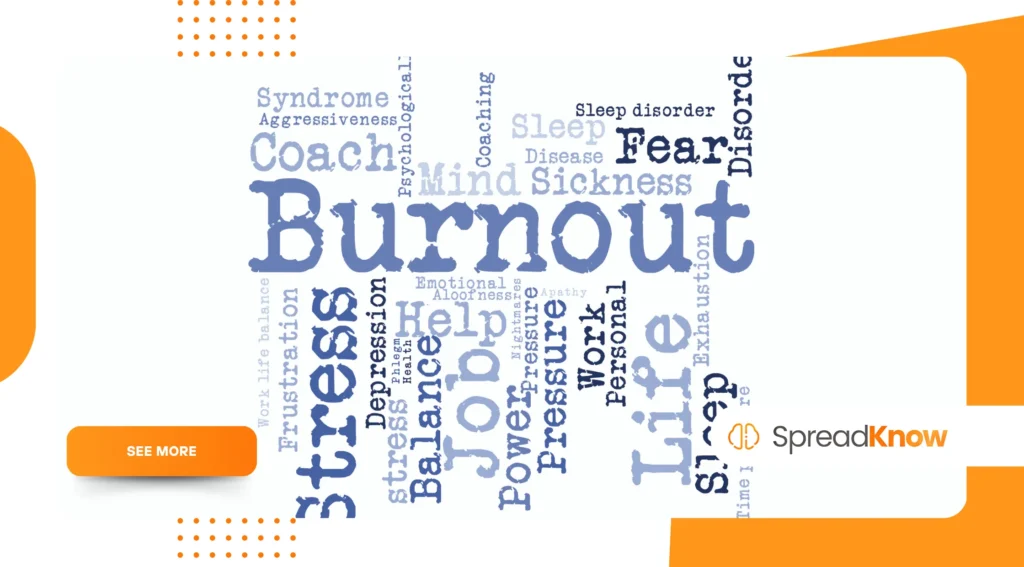
How Cultural Burnout Is Affecting Creative Professionals is more than a trend or buzzphrase—it reflects a widespread erosion of creative vitality under the weight of today’s hyper-demanding cultural economy.
Anúncios
From design studios in Berlin to TikTok creators in Sao Paulo, professionals in creative industries are facing a unique kind of exhaustion: not just overworked, but emotionally and culturally depleted.
The root of this burnout isn’t just workload. It’s the intersection of always-on connectivity, algorithmic pressure, hyper-visibility, and an economy that rewards constant novelty.
The push to perform, produce, and trend often comes at the expense of personal meaning and artistic freedom.
In a world where the next idea must be more engaging than the last, creatives are losing the very spark that makes their work resonate.
Anúncios
Summary:
- Understanding cultural burnout in the creative industry
- Core symptoms and behavioral patterns
- Real-world stressors and societal shifts
- How the digital ecosystem contributes to fatigue
- Strategies for personal and organizational prevention
- Practical insights and data-backed suggestions
- FAQ section
The Anatomy of Creative Burnout
While burnout is often discussed in corporate terms, how cultural burnout is affecting creative professionals includes layers that go beyond late nights and endless deadlines.
It’s emotional detachment from one’s craft, an existential fatigue tied to meaning-making under commercial pressure.
Signs include persistent mental fog, cynicism toward one’s work, emotional numbness, and a growing inability to innovate.
A graphic designer might begin recycling past templates instead of developing new concepts. A copywriter who once loved storytelling may dread the keyboard.
According to Adobe’s 2024 Global Creative Survey, 71% of creative professionals reported chronic mental fatigue.
Among them, 62% attributed this directly to social media-related performance pressure, not workload alone.
| Cause of Burnout | Percentage of Creatives Affected |
|---|---|
| Social Media Pressure | 62% |
| Lack of Work-Life Balance | 53% |
| Creative Fatigue | 49% |
| Unrealistic Deadlines | 47% |
| Feeling Undervalued | 39% |
The social layer of creativity—engagement metrics, virality, and followers—has begun replacing authentic expression with external validation.
As psychologist Dr. Laurie Santos points out in a 2023 interview with The Guardian, “When creativity becomes a currency, we risk trading away the very soul of our ideas.”
Also Read: How to Start Bullet Journaling and Organize Your Mind
Culture, Capitalism, and the Crisis of Meaning
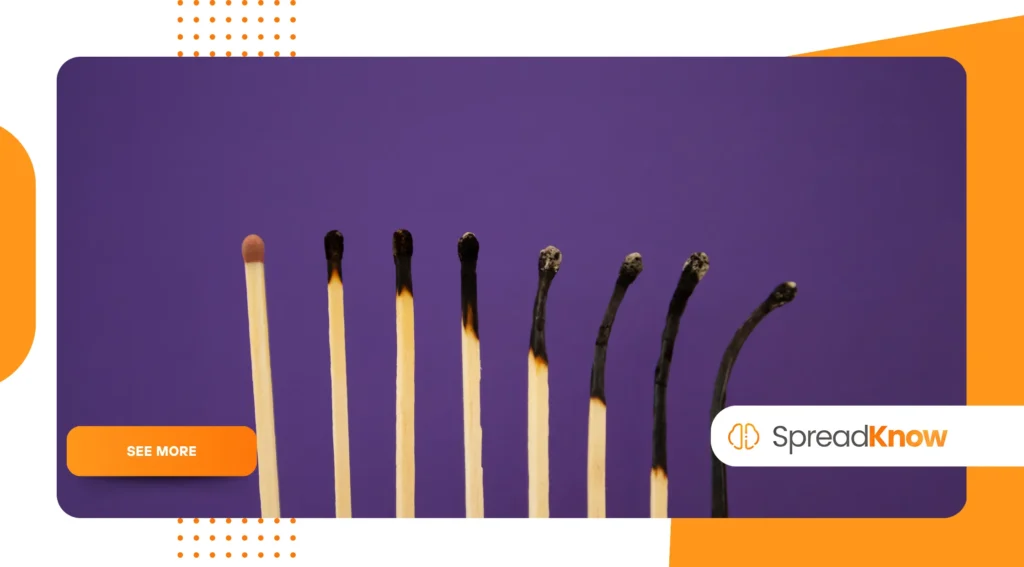
Creativity today is deeply entangled with capitalism. Cultural workers are expected to monetize their passion, build a brand, and be emotionally available online.
The notion that “doing what you love means never working a day” has, ironically, led many creatives to work every day without boundaries.
How cultural burnout is affecting creative professionals is tied to this systemic contradiction.
Passion-driven labor often lacks protections, predictable income, or mental health support.
Freelancers and gig workers shoulder the worst of it, navigating financial insecurity while trying to stay “inspired” under pressure.
Consider an independent filmmaker trying to fund a project through crowdfunding while managing a YouTube channel to stay relevant.
The emotional labor required is immense. And the feedback loop of likes, shares, and algorithmic promotion becomes a silent boss demanding more.
+ What Is Internet Nostalgia and How Artists Are Channeling It
Digital Overload and the Algorithm Trap
The digital infrastructure itself amplifies burnout. Content must be optimized, posted consistently, and aligned with trending topics.
Platforms reward quantity over depth, speed over nuance. And for those whose income relies on visibility, rest feels like a risk.
In 2024, the Content Authenticity Initiative (CAI) by Adobe revealed that creatives who took more than 72 hours off from posting saw an average engagement drop of 19%.
The fear of irrelevance keeps artists plugged in, checking analytics, tweaking strategies, and sacrificing downtime.
The result? A creative ecosystem where output trumps insight, and personal boundaries dissolve.
How cultural burnout is affecting creative professionals becomes evident in this constant race, where inspiration is supposed to be spontaneous but is now dictated by scheduling tools and SEO demands.
+ Exploring the World’s Most Iconic Museums You Can Visit Online
Coping Is Not a Luxury—It’s a Survival Skill
Combatting this cultural exhaustion isn’t about working less, but working differently. Boundaries, both digital and emotional, must be reinforced. The creative mind needs silence, variety, and recovery.
Some professionals are adopting “slow creativity” approaches: fewer projects, deeper exploration, and intentional pacing.
It’s a conscious rejection of hustle culture in favor of sustainability. One such example is from a Brooklyn-based brand strategist who limits projects to two per quarter, allocating time for reading, sketching, and even boredom.
Employers and platforms share this responsibility. Agencies implementing four-day workweeks or sabbatical programs have reported not only lower turnover but increased client satisfaction.
Structured rest yields more refined, impactful work.
Redefining Success and Protecting the Craft
Success in creative fields needs to move beyond visibility and virality. Valuing process over performance shifts the focus back to human expression.
Creatives should be encouraged to explore ideas that won’t “go viral,” but that feel vital.
How cultural burnout is affecting creative professionals can be mitigated when institutions value depth, diversity of thought, and well-being.
Grant programs, like the one led by the European Cultural Foundation in 2023, are now emphasizing “care-centered” creation, funding projects that prioritize mental health alongside output.
Career sustainability also depends on peer support. Writers’ rooms, artist collectives, and co-working spaces provide shared resilience. Isolation fuels burnout, while community dissipates it.
Realignment: Personal and Organizational Shifts
The first step toward recovery is acknowledgement. Creatives must name the burnout, not dismiss it as personal failure. From there, changes in workflow, lifestyle, and mindset can begin.
Time-blocking, digital detoxes, and creative rituals can restore connection to the work.
Morning journaling, analog sketching, or technology-free weekends are more than habits; they are forms of creative hygiene.
On the organizational side, defining “done” more realistically, allowing asynchronous collaboration, and celebrating rest can reshape workplace culture.
Rest should not be rewarded only after collapse but integrated as a proactive policy.
Toward a Sustainable Creative Future
There is no universal fix, but there is a shared responsibility. Recognizing how cultural burnout is affecting creative professionals is a call to rethink how we value creativity—not just as output, but as human energy.
Institutions must revise expectations. Platforms must support healthy engagement, not dependency. And creatives themselves must protect their spark as much as they protect their brand.
Recovery is not a retreat from relevance. It’s a reclamation of it. Because when creativity is nurtured, not drained, it creates culture that truly moves us forward.
Frequently Asked Questions (FAQ)
What is cultural burnout?
Cultural burnout is a state of emotional and creative exhaustion caused by societal, technological, and economic pressures, especially within visibility- and content-driven industries.
How is it different from regular burnout?
While traditional burnout often relates to workload, cultural burnout includes the emotional toll of constant exposure, performance anxiety, and the commodification of personal creativity.
Who is most affected?
Freelancers, gig workers, and digital creatives—especially those in content creation, media, and design—are most vulnerable due to high visibility and unstable income.
Can organizations prevent cultural burnout?
Yes. Flexible schedules, sabbaticals, and mental health support reduce risk. Employers can also encourage sustainable practices and normalize periods of creative rest.
What are early signs to watch for?
Emotional detachment from creative work, reduced originality, constant fatigue, and a growing sense that nothing feels meaningful or “good enough.”
Sources:
- Adobe Creative Cloud Global Survey (2024)
- European Cultural Foundation Report (2023)
- HBR, Mind.org, The Guardian Interviews (2023–2024)
