
Why Art Education Matters More Than Ever in the Digital Age
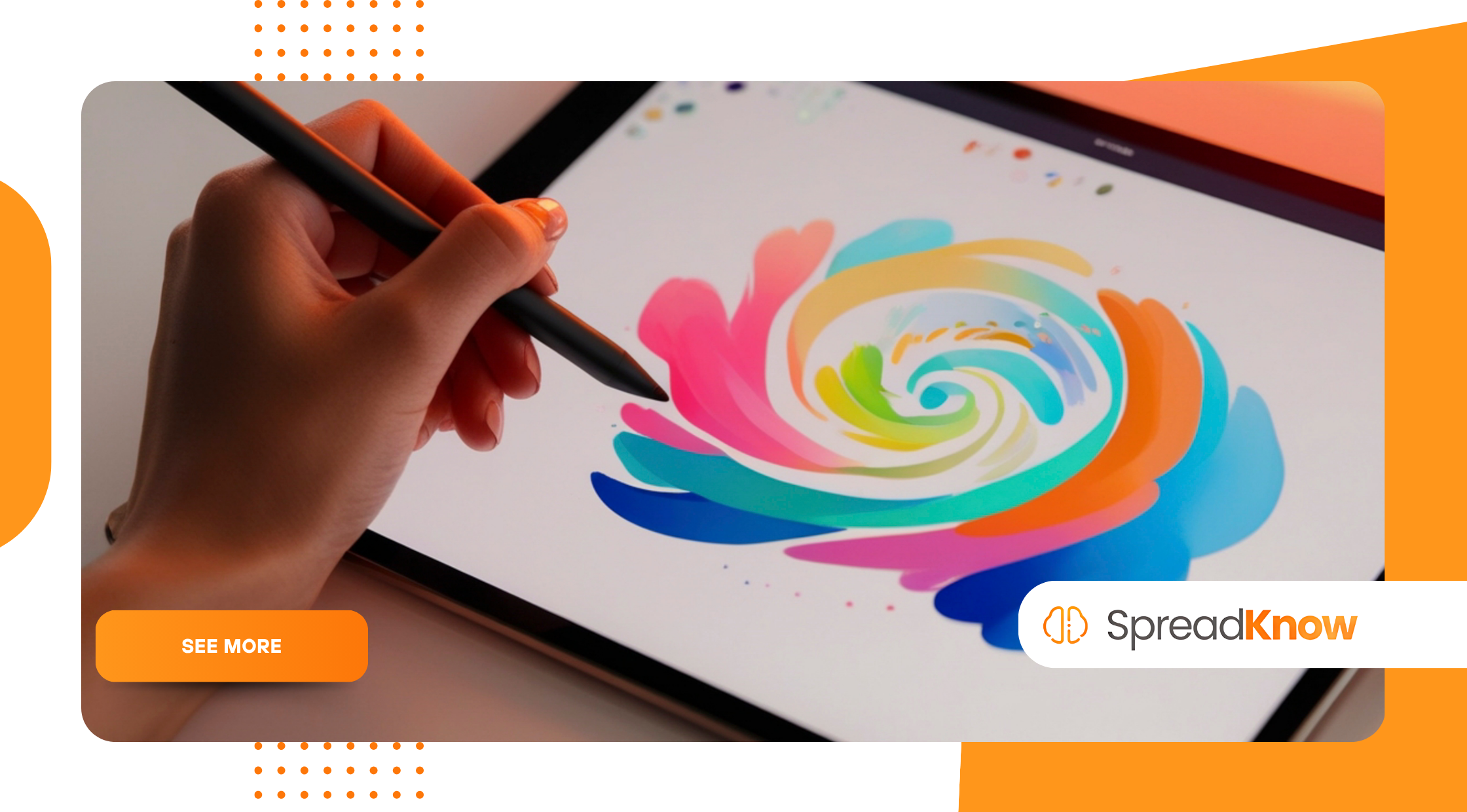
Art Education Matters More Than Ever in the Digital Age because creative thinking, visual literacy, and human expression have become increasingly valuable as artificial intelligence and digital technologies reshape education, employment, and communication worldwide.
Anúncios
Students now navigate environments saturated with images, algorithms, multimedia content, and rapidly changing information streams, making artistic understanding an essential skill rather than a specialized interest reserved for a limited group.
The growing influence of automation has encouraged employers and educators to prioritize uniquely human abilities, including imagination, emotional intelligence, interpretation, and creative problem-solving across industries previously dominated by technical competencies.
Art education develops these capacities through sustained engagement with observation, experimentation, reflection, and cultural analysis, creating learning experiences that strengthen both intellectual growth and personal development.
As digital platforms transform how people create and consume content, artistic education helps individuals understand visual persuasion, media construction, and the cultural forces shaping contemporary societies.
Anúncios
Examining the modern relevance of artistic learning reveals why schools, universities, policymakers, and employers increasingly recognize creativity as a fundamental requirement for success in the twenty-first century.
The Changing Value of Creativity in Modern Society
The digital economy rewards individuals capable of generating original ideas, adapting to uncertainty, and connecting concepts across disciplines, placing creativity among the most sought-after skills in contemporary workplaces.
Organizations in technology, healthcare, marketing, engineering, and education increasingly seek professionals who can combine technical knowledge with innovative thinking to solve complex challenges and create meaningful user experiences.
Art education nurtures this adaptability by encouraging exploration without predetermined outcomes, allowing learners to develop confidence when confronting ambiguity and unfamiliar situations throughout their academic and professional lives.
Unlike purely procedural learning models, artistic practice requires continuous decision-making, evaluation, and revision, strengthening mental flexibility and resilience in environments characterized by rapid change.
Creative confidence developed through artistic engagement often extends beyond traditional arts fields, influencing entrepreneurship, leadership, communication, and collaborative problem-solving in diverse professional contexts.
As automation assumes repetitive tasks, the human capacity to imagine, interpret, and innovate becomes increasingly valuable, elevating the importance of educational experiences that cultivate original thinking from an early age.
Art Education and Critical Thinking Skills
Artistic learning demands careful observation, evidence-based interpretation, and thoughtful evaluation, making it an effective framework for developing sophisticated critical thinking abilities across multiple educational settings.
When students analyze artworks, they learn to examine context, identify patterns, consider alternative perspectives, and support conclusions using visual and historical evidence rather than assumptions alone.
Research highlighted by the National Endowment for the Arts demonstrates connections between arts engagement, educational achievement, and broader cognitive development across diverse student populations.
These analytical processes closely resemble the reasoning skills required in scientific inquiry, public policy discussions, business strategy development, and informed participation within democratic societies.
Students frequently encounter artworks that resist simple explanations, encouraging them to tolerate complexity and engage constructively with uncertainty instead of seeking immediate or simplistic answers.
Such habits of mind become increasingly important in digital environments where misinformation, manipulated imagery, and emotionally charged content require careful evaluation before acceptance or dissemination.
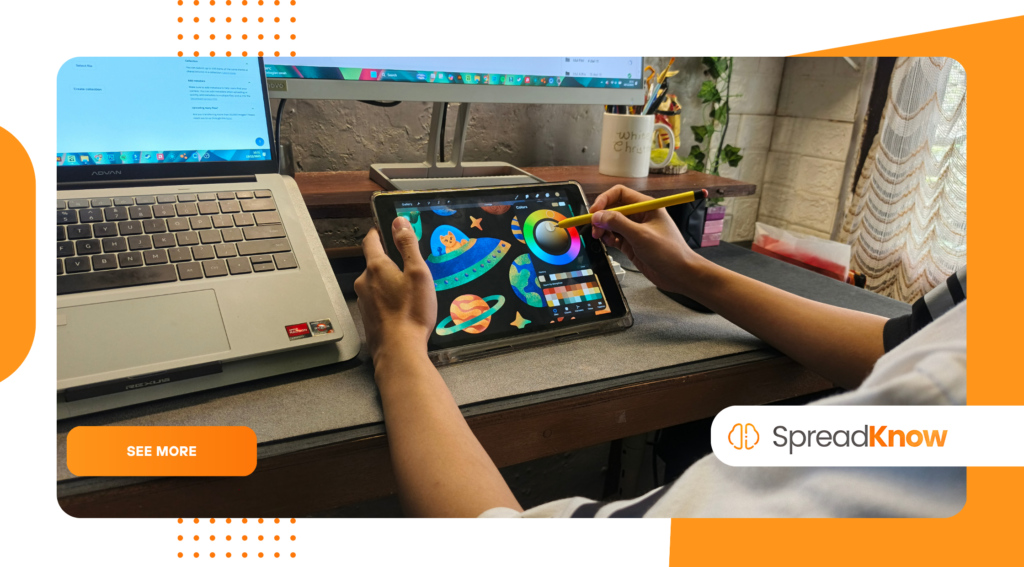
Visual Literacy in an Image-Driven World
Modern communication relies heavily on visual content, including social media posts, advertisements, videos, infographics, digital interfaces, and emerging forms of immersive media experiences.
Art education equips learners with visual literacy skills that enable them to interpret images critically, understand design choices, and recognize persuasive techniques embedded within contemporary communication channels.
People encounter thousands of visual messages daily, yet many receive limited formal training regarding how images influence perception, behavior, emotions, and consumer decision-making processes.
Educational programs focused on the arts help students identify symbolism, composition, color usage, and narrative structures that shape audience interpretation across digital and traditional media.
According to resources from UNESCO, cultural and creative education contributes significantly to developing informed, engaged, and culturally aware citizens within increasingly interconnected societies.
The ability to decode visual information effectively has become as essential as traditional literacy, particularly for younger generations whose experiences are deeply intertwined with digital communication platforms.
++ The Science Behind Skill Mastery Through Repetition
Emotional Intelligence and Human Connection
Art education provides opportunities for students to explore emotions, personal experiences, and social issues through creative expression, fostering deeper self-awareness and interpersonal understanding.
Engagement with artistic processes encourages reflection on perspectives different from one’s own, helping learners develop empathy and appreciation for diverse cultural experiences and narratives.
When students create artwork, they often confront questions related to identity, belonging, memory, and values, producing meaningful opportunities for personal growth and emotional development.
Collaborative artistic projects further strengthen communication skills by requiring participants to negotiate ideas, share responsibilities, and respond constructively to feedback from peers.
These experiences help prepare individuals for workplaces increasingly dependent upon teamwork, adaptability, and relationship-building despite technological advancements and remote communication practices.
In a world where digital interactions frequently replace face-to-face communication, artistic engagement continues to provide important pathways toward authentic human connection and emotional understanding.
++ How Creative Hobbies Train Strategic Thinking
The Relationship Between Art and Technology
Many people mistakenly view art and technology as opposing forces, despite the reality that innovation frequently emerges through collaboration between creative and technical disciplines.
Digital artists, game designers, animators, user experience specialists, and multimedia producers demonstrate how artistic thinking contributes directly to technological advancement and product development.
| Area | Artistic Contribution | Digital Impact |
|---|---|---|
| User Experience Design | Visual communication | Better interfaces |
| Game Development | Storytelling and design | Greater engagement |
| Marketing | Creative content creation | Stronger brand identity |
| Animation | Visual narrative skills | Entertainment innovation |
| Education Technology | Interactive design | Enhanced learning experiences |
The rapid expansion of artificial intelligence tools has increased demand for professionals capable of directing creative processes, evaluating outputs, and providing meaningful human-centered perspectives.
Art education helps learners understand both the possibilities and limitations of emerging technologies while maintaining focus on originality, ethics, and authentic creative expression.
Rather than becoming obsolete during technological transformation, artistic skills increasingly function as essential complements to technical expertise across numerous industries and professions.
Cultural Understanding and Global Citizenship
Art serves as a powerful record of human experiences, preserving stories, traditions, beliefs, and social movements across generations and geographic boundaries.
Through exposure to diverse artistic traditions, students gain insights into cultures different from their own while recognizing shared human concerns that transcend national and linguistic divisions.
This cultural awareness becomes increasingly important within globally connected societies where economic activity, communication, and social interaction frequently cross international borders.
Art education encourages learners to engage thoughtfully with historical events, contemporary challenges, and cultural identities through perspectives often absent from conventional academic materials.
Studying artistic works from different regions can reveal how communities respond to conflict, migration, technological change, environmental concerns, and evolving social values.
Such understanding promotes respect, curiosity, and informed dialogue, qualities that strengthen social cohesion and contribute positively to increasingly diverse communities worldwide.
Why Schools Must Protect and Expand Arts Programs
Despite growing recognition of creativity’s importance, arts programs frequently face funding pressures and reduced instructional time within educational systems emphasizing standardized assessment outcomes.
This trend risks limiting access to experiences that support cognitive development, emotional growth, cultural understanding, and creative confidence among students from varied backgrounds.
Schools that invest meaningfully in arts education often create richer learning environments where students engage deeply with ideas, collaborate effectively, and discover unique talents.
The benefits extend beyond artistic achievement, influencing academic motivation, school engagement, communication abilities, and long-term adaptability in rapidly changing professional landscapes.
Educational leaders increasingly acknowledge that preparing students for future challenges requires balancing technical knowledge with creativity, imagination, and human-centered problem-solving capabilities.
Protecting and expanding arts education represents an investment not only in culture but also in innovation, workforce readiness, civic participation, and the overall well-being of future generations.
Conclusion
The digital age has not diminished the relevance of art education; instead, technological transformation has amplified the importance of creativity, interpretation, and meaningful human expression.
As automation reshapes labor markets and communication ecosystems evolve, artistic learning provides essential skills that remain difficult to replicate through machines or algorithms.
Students who engage deeply with the arts develop critical thinking, emotional intelligence, cultural awareness, and creative confidence that support success across numerous personal and professional contexts.
Understanding why Art Education Matters More Than Ever in the Digital Age is essential for building educational systems capable of preparing individuals for an increasingly complex and interconnected future.
FAQ
1. Why is art education important in the digital age?
Art education develops creativity, critical thinking, visual literacy, and emotional intelligence, which are increasingly valuable as technology transforms workplaces and communication systems.
2. Does art education help students outside artistic careers?
Yes, artistic learning strengthens problem-solving, collaboration, adaptability, and communication skills that benefit professionals across virtually every industry.
3. What is visual literacy?
Visual literacy is the ability to interpret, analyze, and evaluate images and visual messages critically within media, advertising, design, and digital communication.
4. How does art education support emotional development?
Artistic activities encourage self-expression, empathy, reflection, and understanding of diverse perspectives, helping individuals build stronger emotional awareness and interpersonal skills.
5. Can art and technology work together effectively?
Absolutely, fields such as animation, game design, user experience design, digital media, and creative technology rely heavily on combining artistic creativity with technical expertise.
