
Why Art Education Is Essential in a World of Automation
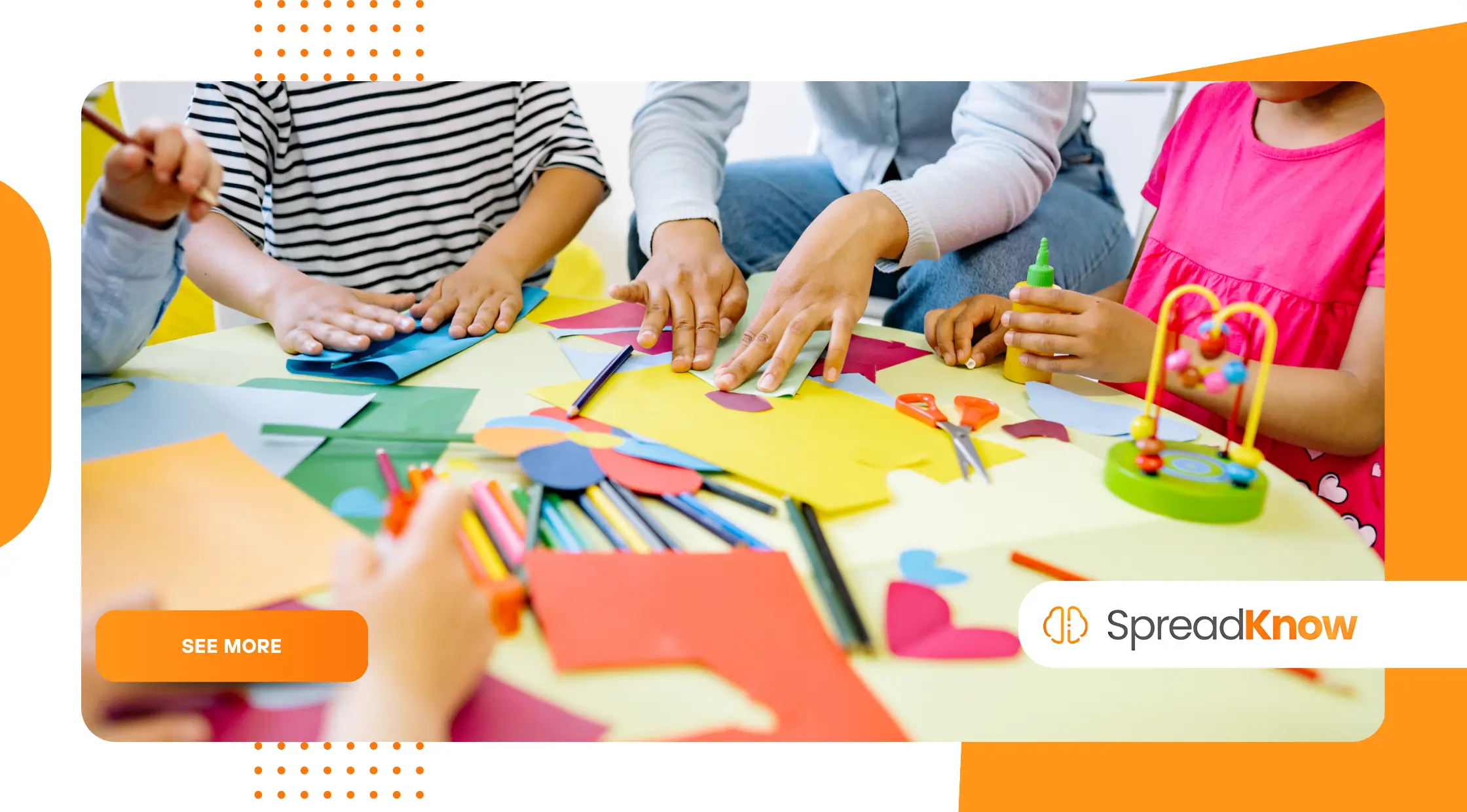
Art Education has become a defining pillar of human development as automation reshapes economies, workplaces, and daily life with unprecedented speed and algorithmic decision-making.
Anúncios
As machines increasingly handle repetitive, technical, and data-driven tasks, society faces a deeper question about which uniquely human abilities remain essential and irreplaceable.
Creativity, emotional intelligence, ethical judgment, and cultural interpretation are not side effects of progress but core skills required to navigate automated systems responsibly.
This article explores how art education cultivates these capacities, offering not nostalgic value but strategic relevance in an economy driven by artificial intelligence.
Rather than competing with machines on efficiency, humans thrive by expanding imagination, interpretation, and meaning-making through artistic learning.
Anúncios
Understanding why art education matters today requires examining its cognitive, social, economic, and ethical impacts in a technology-saturated world.
Automation and the Changing Nature of Human Work
Automation has transformed labor markets by accelerating productivity while displacing roles built on routine, predictability, and narrow technical execution.
Jobs once considered stable, including administrative processing, basic design, and even entry-level programming, now face partial or complete automation through artificial intelligence.
In this context, human value increasingly depends on the ability to interpret ambiguity, synthesize perspectives, and generate original ideas beyond predefined rules.
Art education directly nurtures these capacities by training individuals to explore open-ended problems without singular correct answers.
Historical labor shifts, from industrialization to digitalization, show that societies adapting fastest invested in skills machines could not replicate.
Therefore, art education emerges not as an accessory but as foundational preparation for resilient human participation in automated economies.
++ The Global Renaissance of Street Art and Muralism
Creativity as an Economic and Social Asset
Creativity is no longer confined to artistic professions but functions as a cross-sector economic driver influencing innovation, branding, and problem-solving strategies.
Companies competing in saturated markets rely on narrative, aesthetics, and emotional resonance to differentiate products beyond functional specifications.
According to research shared by UNESCO, creative skills increasingly influence sustainable development, cultural preservation, and inclusive economic growth worldwide.
Art education builds creative confidence by encouraging experimentation, failure, and revision, habits essential for adaptive thinking in volatile environments.
Students trained artistically learn to generate multiple solutions, evaluate symbolic meaning, and anticipate human responses to design choices.
These skills translate into leadership, entrepreneurship, and social innovation roles where adaptability outweighs technical mastery alone.

Cognitive Benefits of Artistic Learning
Neuroscientific studies consistently show that engagement with visual arts, music, and performance strengthens neural connectivity across cognitive domains.
Art education enhances memory, spatial reasoning, and executive function by requiring sustained attention, interpretation, and sensory integration.
Students analyzing paintings or composing music practice pattern recognition while navigating emotional nuance and contextual meaning.
This cognitive flexibility supports complex reasoning tasks increasingly required in interdisciplinary and automated workplaces.
Research highlighted by the OECD links arts participation to improved academic outcomes and long-term learning engagement.
Rather than distracting from core subjects, art education amplifies cognitive foundations supporting mathematics, language, and scientific reasoning.
++ Cinema and Philosophy: What Movies Teach About Life
Art Education and Ethical Decision-Making
Automation raises ethical dilemmas involving bias, surveillance, authorship, and accountability that cannot be resolved through technical logic alone.
Art education cultivates ethical awareness by exposing learners to historical narratives, cultural conflicts, and moral ambiguity embedded in creative works.
Analyzing literature, theater, and visual art encourages reflection on power, identity, and human consequences of technological decisions.
Students trained artistically learn to question assumptions, recognize marginalized perspectives, and evaluate impacts beyond efficiency metrics.
These habits prove essential when designing, deploying, or regulating automated systems affecting millions of lives.
Ethical reasoning shaped through art education strengthens democratic participation and responsible innovation in increasingly algorithm-driven societies.
++ How to Design a Study Environment That Boosts Productivity
Cultural Literacy in a Globalized Automated World
Automation connects global markets while risking cultural homogenization driven by scalable, standardized digital platforms.
Art education preserves cultural literacy by teaching students to interpret symbols, traditions, and historical context within diverse artistic expressions.
This understanding fosters cross-cultural communication skills essential for global collaboration in automated supply chains and digital economies.
Professionals lacking cultural sensitivity risk miscommunication, exclusion, or reputational harm despite technical proficiency.
Art education builds interpretive empathy by exposing learners to unfamiliar worldviews through music, visual art, and storytelling.
Such literacy supports diplomacy, international business, and social cohesion in an interconnected, automated world.
Education Systems and the Marginalization of the Arts
Despite growing evidence, many education systems reduce art programs in favor of standardized testing and narrowly defined STEM priorities.
This marginalization reflects outdated assumptions equating economic value solely with technical productivity.
The table below contrasts common misconceptions about art education with documented outcomes observed in diverse educational contexts.
| Misconception About Art Education | Documented Outcome |
|---|---|
| Arts lack economic relevance | Arts foster innovation and creative industries |
| Arts distract from academic rigor | Arts improve cognitive and academic performance |
| Arts are nonessential skills | Arts develop uniquely human competencies |
| Arts benefit only artists | Arts support leadership and problem-solving |
Reducing art education weakens holistic development and limits students’ preparedness for uncertain, automated futures.
Reintegrating the arts requires policy shifts recognizing long-term human capital, not short-term assessment metrics.
Preparing Future Generations for Human-Centered Progress
The future of automation depends not only on technological capability but on human values guiding its application.
Art education prepares future generations to shape technology with empathy, imagination, and ethical awareness.
Students exposed to artistic inquiry learn to question efficiency when it conflicts with human dignity and social well-being.
This perspective ensures automation serves collective progress rather than narrowing opportunity or creativity.
Nations investing in art education signal commitment to human-centered innovation rather than purely mechanized growth.
Such investment strengthens societal resilience amid accelerating technological change.
Conclusion
Automation challenges societies to redefine human purpose beyond productivity metrics, highlighting the need for skills rooted in creativity, ethics, and interpretation.
Art education equips individuals with these capabilities, enabling meaningful participation alongside intelligent machines rather than competition against them.
By nurturing imagination and cultural understanding, art education safeguards human agency in systems increasingly shaped by algorithms.
Its role is not supplementary but central to sustainable, inclusive progress in an automated world.
FAQ
1. Why is art education relevant in automated economies?
Art education develops creativity, ethical reasoning, and adaptability, which machines cannot replicate and modern economies increasingly demand.
2. Does art education improve employability outside creative fields?
Yes, it enhances problem-solving, communication, and innovation skills valued across business, technology, and leadership roles.
3. Can automation replace artistic creativity?
Automation can generate patterns, but it lacks lived experience, emotional depth, and ethical judgment cultivated through human artistic practice.
4. How does art education support ethical technology use?
It trains individuals to question impacts, consider cultural contexts, and evaluate moral consequences beyond technical efficiency.
5. Should schools prioritize art education equally with STEM?
Balanced integration strengthens cognitive development and prepares students for complex, human-centered challenges automation cannot solve.