
What the Rise of Multipolarism Means for Global Trade
The rise of multipolarism is reshaping the global economic landscape, challenging the unipolar dominance of the past and ushering in a new era of trade dynamics.
Anúncios
Once anchored by a single superpower, the world now sees multiple power centers—China, the European Union, India, and others—vying for influence.
This shift, driven by economic growth, technological advancements, and geopolitical realignments, is redefining how nations trade, compete, and cooperate.
But what does this mean for global trade?
Is it a recipe for chaos or an opportunity for a more balanced world economy?
Anúncios
A New Economic Chessboard
Imagine global trade as a chess game where one player once controlled the board.
Now, multiple players are making strategic moves, each with distinct strengths.
The rise of multipolarism reflects a world where economic power is distributed across regions, with emerging economies like India and Brazil asserting their presence alongside traditional heavyweights like the U.S. and EU.
This diffusion of power creates a complex web of trade relationships, where no single nation dictates terms.
For instance, consider the case of Brazil’s soybean exports.
In 2024, Brazil overtook the U.S. as the world’s largest soybean exporter, with China as its primary buyer.
This shift illustrates how emerging powers are carving out critical roles in global supply chains, reducing reliance on Western-dominated markets.
Unlike the unipolar era, where trade routes often funneled through a single hegemon, today’s trade flows are multidirectional, reflecting the rise of multipolarism.
This new dynamic forces nations to rethink trade strategies.
Protectionist policies, once a blunt tool, are less effective when supply chains span multiple power centers.
The World Bank reported in 2024 that global trade growth slowed to 1.7%, partly due to fragmented trade blocs.
This statistic underscores the challenges of navigating a multipolar world, where competing interests complicate agreements.
Redefining Trade Alliances
The rise of multipolarism is not just about economic might—it’s about alliances.
Regional trade blocs like the African Continental Free Trade Area (AfCFTA) and the Regional Comprehensive Economic Partnership (RCEP) are gaining traction, creating alternative frameworks to Western-led systems.
These blocs empower smaller nations to negotiate collectively, amplifying their influence.
Take the example of Vietnam, a rising star in RCEP.
By leveraging its position within this Asia-Pacific trade bloc, Vietnam boosted its electronics exports by 12% in 2024, challenging China’s dominance in low-cost manufacturing.
This shift shows how multipolarism enables smaller economies to punch above their weight, fostering competition and innovation.
Yet, this realignment isn’t without friction.
Trade wars, once bilateral, now involve multiple players.
Tariffs imposed by one nation ripple across interconnected markets, as seen when India’s 2023 steel tariffs sparked retaliatory measures from the EU.
Such disputes highlight the need for agile diplomacy to balance competing interests in a multipolar world.
Moreover, the rise of regional blocs encourages nations to find common ground, potentially easing tensions through shared economic goals.
For example, the AfCFTA aims to create a single market for goods and services across Africa, fostering unity and collaboration among member states.
+ The Silent Rise of Smart Cities: What’s Already Happening Around You
Technology as a Trade Catalyst
Technology is a wildcard in this multipolar shift.
The rise of multipolarism coincides with advancements in AI, blockchain, and green energy, which are reshaping trade priorities.
Nations leading in these fields gain leverage, as technology becomes a currency of influence.
For instance, China’s dominance in 5G infrastructure has given it an edge in negotiating trade deals with African nations, while the EU’s stringent data privacy laws position it as a leader in digital trade standards.
This technological race creates opportunities and risks.
Countries investing heavily in innovation—like South Korea with its $200 billion semiconductor plan—can secure strategic trade advantages.
However, those lagging risk becoming dependent on tech imports, widening economic gaps.
The question looms: can smaller nations harness technology to level the playing field, or will they be sidelined in this multipolar race?
Furthermore, technology can facilitate trade by improving logistics and supply chain management.
Innovative solutions such as blockchain can enhance transparency and efficiency, reducing costs and fostering trust among trading partners.
These advancements may also help mitigate some of the fragmentation risks associated with multipolarism.
| Country | Tech Investment (2024, USD) | Key Sector |
|---|---|---|
| China | $450B | 5G, AI |
| United States | $380B | AI, Quantum Computing |
| South Korea | $200B | Semiconductors |
| European Union | $150B | Green Tech, Data Privacy |
The Risk of Fragmentation
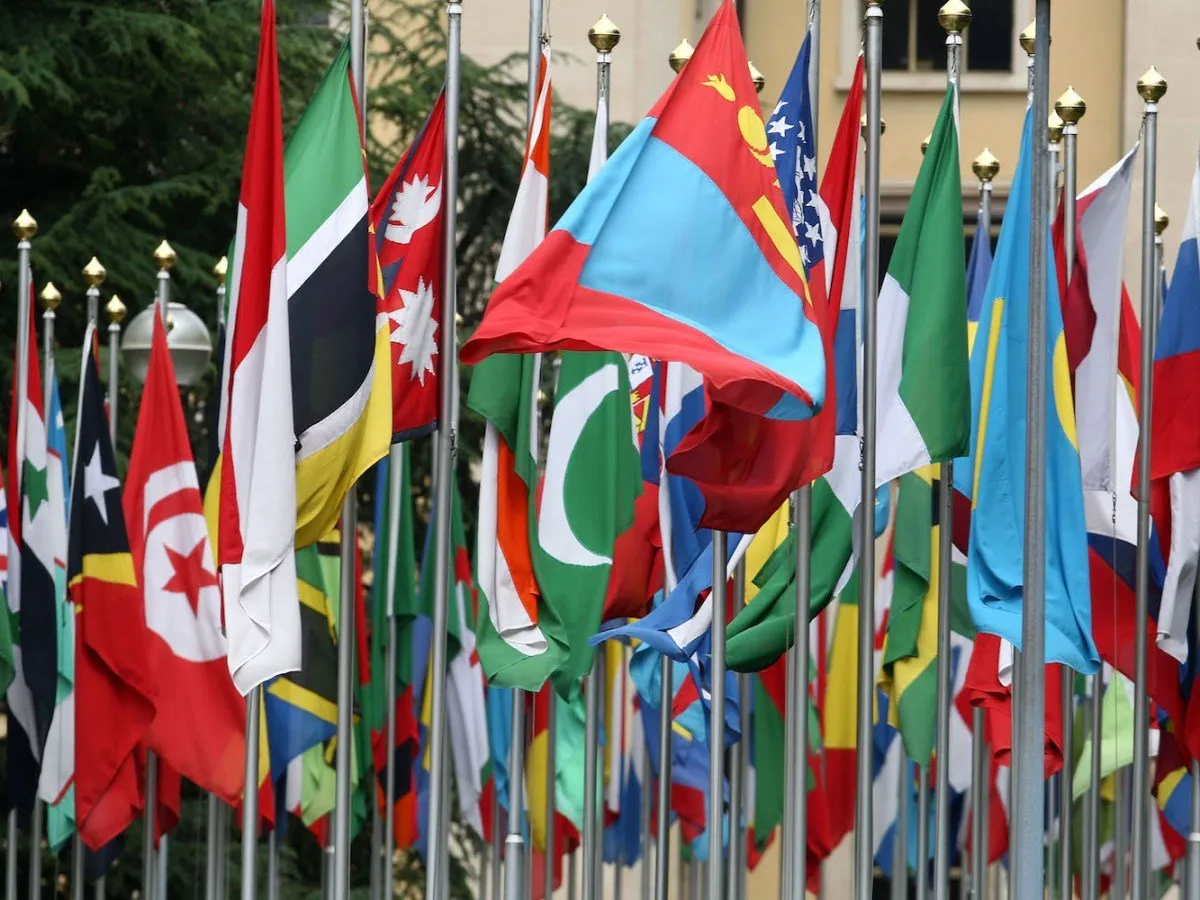
While the rise of multipolarism fosters diversity in trade, it also risks fragmentation.
Competing economic blocs can lead to “decoupling,” where nations prioritize regional partners over global cooperation.
The U.S.-China trade tensions exemplify this, with both nations seeking to reduce reliance on each other’s supply chains.
In 2024, U.S. imports from China dropped by 8%, while trade with Mexico and Canada surged.
This fragmentation challenges the efficiency of global trade.
Supply chain disruptions, like the 2023 semiconductor shortage, exposed vulnerabilities in over-reliance on single regions.
A multipolar world demands resilient, diversified supply chains, but building them requires cooperation—a tall order when geopolitical rivalries intensify.
Moreover, the risk of fragmentation can lead to increased costs for consumers and businesses alike.
As nations prioritize regional trade agreements, tariffs and trade barriers may rise, limiting access to goods and services.
This could ultimately slow global economic growth and hinder innovation across borders.
++ How to Retire Without Relying on Social Security
Opportunities for Collaboration
Despite these challenges, the rise of multipolarism opens doors for collaboration.
Unlike a unipolar system, where one nation’s priorities dominate, a multipolar world encourages mutual benefit.
Developing nations, for example, can negotiate better trade terms by playing powers against each other.
Kenya’s 2024 trade deal with the EU, securing tariff-free access for its coffee exports, shows how smaller players can capitalize on competing interests.
Moreover, multipolarism drives innovation through competition.
The race for green energy solutions has spurred cross-border partnerships, like the India-EU clean energy initiative launched in 2024.
These collaborations suggest that a multipolar world, while complex, can foster creative solutions to global challenges like climate change.
Additionally, international organizations can play a crucial role in facilitating dialogue and cooperation among nations.
By providing platforms for negotiation and conflict resolution, these organizations can help mitigate the risks associated with multipolarism and enhance global trade stability.
For instance, the World Trade Organization (WTO) continues to advocate for multilateral trade agreements that can benefit all member countries.
Navigating the Future
The rise of multipolarism demands a rethink of global trade strategies.
Nations must balance competition with cooperation, leveraging their unique strengths while building resilient supply chains.
Businesses, too, face new realities—multinational corporations must navigate diverse regulations and cultural nuances to thrive in this fragmented yet interconnected market.
For policymakers, the challenge is clear: how do you foster trade in a world where no one holds all the cards?
The answer lies in adaptability—embracing flexible trade agreements, investing in technology, and prioritizing sustainability.
The rise of multipolarism isn’t a zero-sum game; it’s a chance to build a more equitable global economy, provided nations can navigate its complexities.
Moreover, fostering educational initiatives and knowledge-sharing programs can empower nations to adapt to the changing trade environment.
By investing in human capital and skills development, countries can better position themselves to compete in a multipolar world.
In conclusion, the rise of multipolarism is a transformative force, reshaping trade from a unipolar monopoly to a dynamic, multifaceted system.
While it brings risks of fragmentation and conflict, it also offers opportunities for innovation, collaboration, and inclusivity.
As the world adjusts to this new reality, the ability to adapt will determine who thrives in the evolving global marketplace.