
O papel da tecnologia na guerra moderna
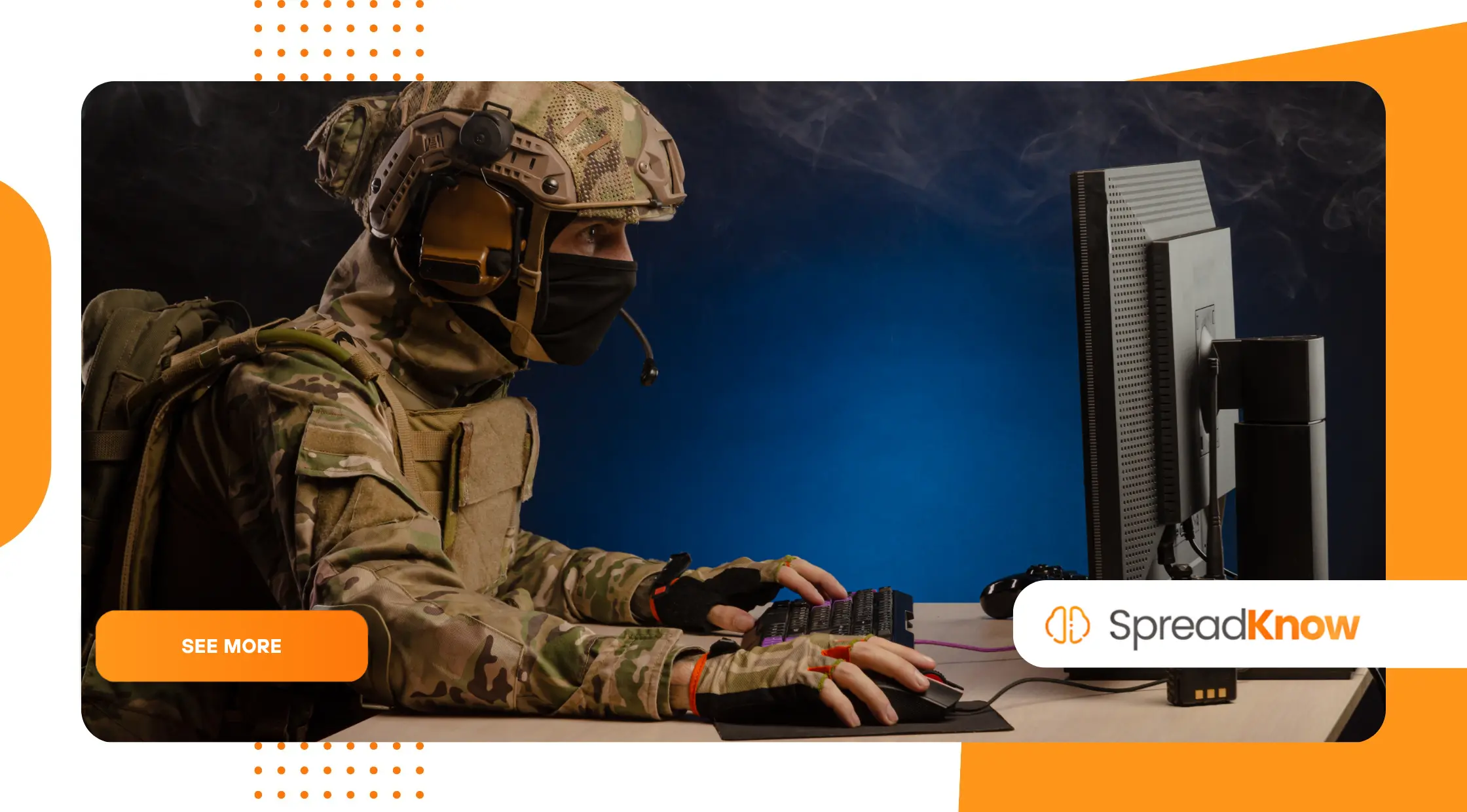
O O papel da tecnologia na guerra moderna passou por uma transformação tão rápida e tão fundamental que as doutrinas, estratégias e estruturas éticas que regem os conflitos militares têm tido dificuldades para acompanhar as realidades operacionais que emergem das zonas de combate ativas.
Anúncios
Maio de 2026 marca o que os analistas de segurança identificam como um ponto de virada: a convergência da inteligência artificial, da cibersegurança e do poder militar convencional deixa de ser teórica e se torna uma realidade operacional, demonstrada de forma mais concreta na Ucrânia, onde os drones foram responsáveis por 961 das 35.551 baixas russas em campo de batalha somente em março de 2026.
O Pentágono firmou acordos com grandes empresas de tecnologia — incluindo OpenAI, Google, Microsoft, Amazon e SpaceX — para integrar modelos avançados de IA em redes militares sigilosas, com o objetivo declarado de transformar os Estados Unidos em uma força militar "prioritariamente orientada para a IA", capaz de manter a superioridade decisória em todos os domínios do campo de batalha.
A China demonstrou ambições semelhantes no Salão Aeronáutico de Zhuhai de 2024, onde a fabricante de defesa Norinco apresentou uma brigada inteira de veículos blindados e drones controlados por IA, seguida, em janeiro de 2026, por uma transmissão mostrando um único soldado operando uma formação de 200 drones autônomos — uma capacidade que, segundo relatos, alarmou os planejadores do Pentágono, preocupados em igualar a velocidade e a escala da fabricação de armas autônomas chinesas.
A União Europeia mobilizou 800 mil milhões de euros através da sua iniciativa ReArm Europe e do Roteiro de Transformação da Indústria de Defesa da UE, alocando 1 mil milhões de euros para I&D até 2026, especificamente direcionados para IA, cibersegurança, defesa espacial e sistemas de drones, refletindo o reconhecimento continental de que a tecnologia se tornou a variável decisiva na competição militar moderna.
Anúncios
O que está se desenrolando globalmente não é meramente uma modernização das capacidades militares existentes, mas uma transformação estrutural em como as guerras são travadas, quem as trava e o que significa alcançar vantagem militar — uma transformação cujas implicações vão muito além de qualquer conflito individual.
Drones e Sistemas Autônomos: A Nova Arma Principal
A revolução dos drones representa a transformação tecnológica mais visível e consequente na guerra moderna, convertendo o que inicialmente era uma capacidade de vigilância e ataque direcionado no principal sistema de armas em torno do qual se organizam agora estratégias militares inteiras.
A experiência da Ucrânia contra a Rússia produziu os dados reais mais abrangentes da história sobre a guerra com drones: somente em 2025, drones ucranianos mataram ou feriram gravemente mais de 240.000 soldados russos, segundo o Ministro da Defesa Mykhailo Federov, um número que reflete não apenas a letalidade da tecnologia, mas também a velocidade com que ela substituiu a infantaria e a artilharia tradicionais como o principal mecanismo de desgaste no campo de batalha.
Os aspectos econômicos dessa transformação são tão significativos quanto as táticas: o direcionamento baseado em IA agora pode ser adicionado a drones por apenas £1.400,25, de acordo com o US Army War College, uma redução de custos que altera fundamentalmente a relação tradicional entre eficácia militar e orçamento de defesa, tornando capacidades de direcionamento sofisticadas acessíveis em escalas e velocidades que a aquisição de armas convencionais jamais conseguiria igualar.
A Ucrânia introduziu o que chama de "novo modelo de guerra" — unidades de ataque com drones que combinam drones aéreos e terrestres com infantaria em um único sistema integrado — e alcançou a primeira captura de uma posição inimiga usando exclusivamente recursos robóticos, um marco que os historiadores militares provavelmente considerarão tão significativo quanto o primeiro ataque de tanques ou o primeiro ataque aéreo na transformação do combate terrestre.
A dimensão de fabricação da guerra com drones gerou sua própria competição estratégica: a preocupação do Pentágono em não conseguir igualar o domínio da China na fabricação de armas autônomas reflete uma mudança na forma como a vantagem militar é medida — não pela sofisticação de plataformas individuais, mas pela capacidade de produzir, implantar e substituir sistemas autônomos em escala industrial.
++ O custo oculto da conveniência nas finanças modernas.
Inteligência Artificial: Do Apoio à Decisão à Tomada de Decisão
A integração da inteligência artificial nas operações militares progrediu por meio de fases distintas — desde ferramentas de análise de dados que auxiliam os tomadores de decisão humanos, passando por sistemas de mira habilitados por IA que aceleram as escolhas humanas, até sistemas autônomos capazes de executar decisões sem a intervenção humana no processo de seleção de alvos.
Os ataques aéreos dos EUA contra o Irã em 2026 foram supostamente baseados na seleção de alvos por inteligência artificial, com relatos atribuindo a esse sistema a capacidade de atingir um número sem precedentes de alvos em um curto período de tempo — uma capacidade que demonstrou simultaneamente a eficácia militar da IA e gerou controvérsia imediata sobre as baixas civis e as lacunas de responsabilidade criadas quando sistemas algorítmicos tomam decisões de seleção de alvos.
A corrida armamentista da IA se estende por todos os domínios militares simultaneamente: os drones Astris AI da Lockheed Martin e Nova da Shield AI estão desenvolvendo capacidades de combate autônomas, enquanto o orçamento de US$ 14 bilhões do Departamento de Defesa dos EUA para atividades cibernéticas no ano fiscal de 2025 financia ferramentas de defesa cibernética baseadas em IA que analisam e combatem ameaças cibernéticas em tempo real.
As vantagens militares da IA na tomada de decisões são evidentes — processamento mais rápido de dados no campo de batalha, redução da carga cognitiva dos operadores humanos, coordenação de múltiplas plataformas autônomas além da capacidade humana — mas cada vantagem introduz vulnerabilidades correspondentes que os adversários estão ativamente desenvolvendo capacidades para explorar.
Um ecossistema militar com inteligência artificial comprometido poderia permitir que atacantes injetassem dados falsos de sensores, manipulassem sistemas de mira, degradassem as comunicações de drones ou sequestrassem plataformas de armas autônomas — superfícies de ataque que não existiam em sistemas militares pré-IA e que exigem novas doutrinas defensivas que ainda estão sendo desenvolvidas simultaneamente com as capacidades ofensivas que devem proteger.
| Domínio da Tecnologia | Capacidade atual | Aplicação Militar | Risco principal |
|---|---|---|---|
| Drones autônomos | Enxames de mais de 200 por operador | Vigilância, seleção de alvos, ataque | Spoofing, jamming, accountability |
| segmentação por IA | Seleção de alvos em tempo real | Ataque de precisão em grande escala | Erro algorítmico, danos a civis |
| Guerra cibernética | Análise de ameaças em tempo real | Ataque e defesa de rede | Escalada, dificuldade de atribuição |
| Guerra eletrônica | Sistemas de guerra eletrônica cognitiva | Controle de espectro, interferência | Contra-guerra eletrônica, inteligência de sinais |
| veículos terrestres autônomos | Mais de 70 plataformas UGV em fase de testes. | Logística, reconhecimento, combate | Confiabilidade em terrenos complexos |
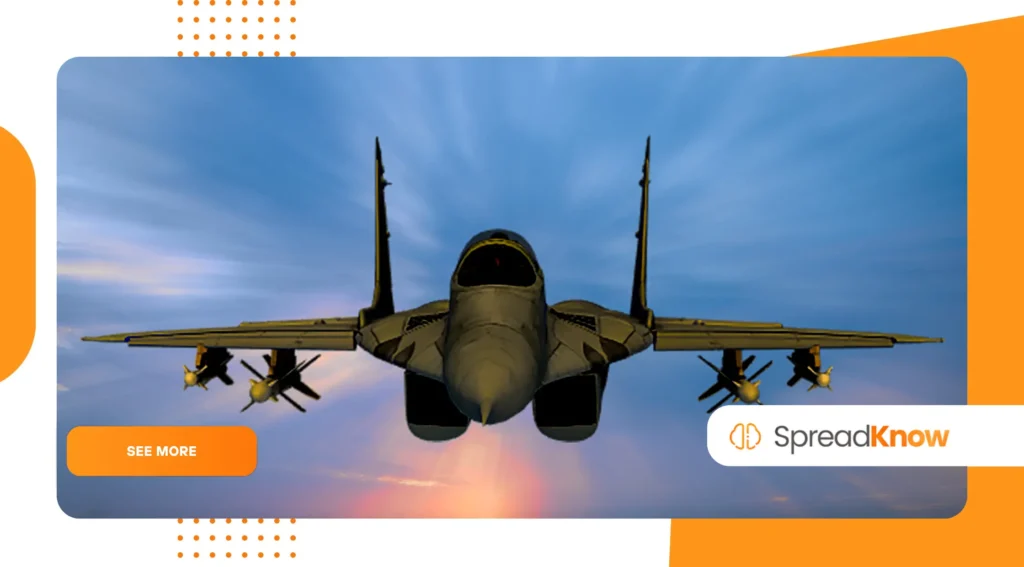
Guerra Cibernética: O Campo de Batalha Invisível
A guerra cibernética emergiu como uma dimensão paralela do conflito militar moderno, que opera continuamente — antes, durante e entre os confrontos militares convencionais — e cujos efeitos variam desde a coleta de informações e a interrupção de operações até a potencial degradação de infraestruturas críticas em escala nacional.
O orçamento de US$ 1,4 trilhão (14 bilhões de dólares) do Departamento de Defesa dos EUA para atividades no ciberespaço no ano fiscal de 2025 reflete o reconhecimento institucional de que a infraestrutura digital se tornou tão estrategicamente importante quanto o terreno físico, e que ataques a redes elétricas, sistemas financeiros, redes de comunicação e sistemas de comando militar podem alcançar efeitos estratégicos que antes só eram possíveis por meio de ações militares cinéticas.
Nações como o Japão estão desenvolvendo ecossistemas de tecnologia de dupla utilização que integram inovações civis em aplicações de defesa, reconhecendo que a fronteira entre a tecnologia comercial e a militar tornou-se suficientemente permeável, de modo que a capacidade cibernética militar deriva cada vez mais da liderança tecnológica civil, em vez de exclusivamente da pesquisa e desenvolvimento militar.
OTAN reconheceu formalmente o ciberespaço como um domínio de guerra ao lado da terra, do mar, do ar e do espaço, estabelecendo obrigações de defesa coletiva que se aplicam a ciberataques significativos contra os Estados-membros — um desenvolvimento doutrinário que reflete a profunda integração das operações cibernéticas no cálculo estratégico da competição militar moderna.
O problema de atribuição que torna a guerra cibernética estrategicamente singular — a dificuldade de identificar definitivamente a origem de um ataque cibernético — cria uma dinâmica de escalada que difere fundamentalmente dos conflitos militares convencionais, onde a identidade do atacante normalmente não é questionada e as opções de resposta são, consequentemente, mais claras.
++ Quando a tecnologia ultrapassa a lei: quem protege o público?
A guerra eletrônica — o uso do espectro eletromagnético para atacar, negar ou explorar sistemas inimigos — convergiu com a guerra cibernética no que os analistas descrevem como "convergência cibereletrônica", criando capacidades integradas que podem simultaneamente interromper comunicações, desativar sistemas de mira e enganar sensores em ataques coordenados que nenhuma defesa de domínio único consegue enfrentar adequadamente.
Ética e Direito das Armas Autônomas
A implantação acelerada de sistemas de armas autônomas ultrapassou os marcos jurídicos internacionais concebidos para reger os conflitos armados, criando um vácuo de governança cujas consequências já são visíveis na controvérsia em torno da seleção de alvos por inteligência artificial e nas questões relativas às vítimas civis que ela suscita.
A Áustria e um grupo de 30 estados copatrocinadores levantaram essas preocupações em uma resolução da Assembleia Geral da ONU de 2025, buscando um acordo internacional sobre estruturas de responsabilização para armas autônomas — um esforço que gerou discussões diplomáticas significativas, mas ainda não resultou no instrumento jurídico vinculativo que o ritmo de implantação de armas autônomas parece exigir.
A questão central da responsabilização não é meramente processual, mas moral: quando um sistema autônomo toma uma decisão de alvo que resulta em vítimas civis, as estruturas legais existentes do direito internacional humanitário — que exigem julgamento humano, avaliação humana da proporcionalidade e responsabilização humana — não se aplicam perfeitamente a sistemas onde esses elementos estão distribuídos entre desenvolvedores, comandantes, operadores e algoritmos.
Uma pesquisa publicada em 2026, que examinou a opinião pública sobre inteligência artificial militar em nove países, descobriu que, embora as pessoas reconheçam as vantagens militares dos sistemas autônomos, a grande maioria em todos os países pesquisados expressou preocupação com a tomada de decisões letais autônomas — uma opinião pública que cria pressão política sobre os governos que implantam esses sistemas, sem, no entanto, desacelerar seu desenvolvimento.
A ideia de "robôs assassinos" que dominou as discussões iniciais sobre armas autônomas foi amplamente substituída por debates mais sutis sobre o controle humano significativo — quanta participação humana em uma decisão de alvo é suficiente para satisfazer os padrões legais e éticos — uma questão que diferentes potências militares estão respondendo de maneiras distintas, com base em suas necessidades operacionais e em sua interpretação do direito internacional.
Tecnologia espacial e de satélites como infraestrutura militar
A militarização do espaço acelerou significativamente em 2025 e 2026, impulsionada pelo reconhecimento de que as operações militares modernas, em todos os níveis, dependem da infraestrutura de satélites para comunicação, navegação, localização de alvos, inteligência e coordenação dos sistemas autônomos que se tornaram essenciais para a estratégia militar.
A navegação por GPS, a comunicação via satélite e a vigilância espacial que possibilitam a guerra com drones, ataques de precisão e o direcionamento habilitado por IA dependem da manutenção do acesso a recursos orbitais que os adversários estão ativamente desenvolvendo capacidades para negar, interromper ou destruir — criando uma vulnerabilidade na base da vantagem militar tecnológica que as forças armadas avançadas construíram.
A China e a Rússia demonstraram capacidades antissatélite nos últimos anos, e ataques cibernéticos baseados no espaço tiveram como alvo operadores de satélites comerciais que fornecem serviços a usuários militares, ilustrando como a dependência da guerra moderna na infraestrutura espacial cria vulnerabilidades estratégicas que vão além de qualquer sistema de armas individual.
O investimento da UE em defesa para 2026 inclui especificamente a defesa espacial como domínio prioritário, refletindo o reconhecimento europeu de que a autonomia estratégica em operações militares exige acesso independente a capacidades baseadas no espaço, em vez da dependência de infraestrutura de satélites comerciais ou de aliados que poderia ser interrompida ou suspensa sob pressão política.
Conclusão
O papel da tecnologia na guerra moderna passou de aumentar a capacidade militar humana para redefinir estruturalmente o que significa vantagem militar, como ela é alcançada e quem pode alcançá-la — mudanças cujas implicações totais estão sendo debatidas em zonas de combate ativas mais rapidamente do que a doutrina, a lei ou a ética conseguem acompanhar.
Os campos de batalha da Ucrânia dominados por drones, a transformação do Pentágono em direção à inteligência artificial, a escala de fabricação de armas autônomas da China e o investimento de € 800 bilhões da UE em tecnologia de defesa refletem um reconhecimento global de que a liderança tecnológica em IA, sistemas autônomos, cibersegurança e espaço é agora inseparável da eficácia militar e, por extensão, da segurança nacional e da influência geopolítica.
As questões éticas e legais levantadas pelo direcionamento autônomo, pela tomada de decisões algorítmicas em contextos letais e pela erosão do controle humano significativo não são preocupações periféricas para resolução posterior — são desafios centrais de governança cujas respostas moldarão a natureza dos conflitos armados e a proteção das populações civis por gerações.
O que é certo é que a transformação tecnológica da guerra, demonstrada pelo conflito na Ucrânia e acelerada pelos acordos de IA assinados em 2026, não se reverterá — os incentivos estratégicos para a vantagem militar tecnológica são demasiado poderosos e a competição global demasiado intensa —, o que significa que as instituições, as leis e os quadros éticos que regem os conflitos armados enfrentam um imperativo urgente de se desenvolverem a um ritmo que o desenvolvimento tecnológico nunca antes lhes exigiu.
Perguntas frequentes
1. De que forma a tecnologia dos drones mudou a guerra moderna? Os drones passaram de ferramentas de vigilância a armas primárias de guerra. Na Ucrânia, os drones foram responsáveis por 961 mil baixas russas em campo de batalha em março de 2026, e a Ucrânia organizou unidades militares inteiras em torno da integração de drones e infantaria, alcançando a primeira captura de uma posição inimiga usando exclusivamente recursos robóticos.
2. Qual é a estratégia militar do Pentágono que prioriza a inteligência artificial? O Pentágono firmou acordos com a OpenAI, Google, Microsoft, Amazon e SpaceX para integrar inteligência artificial avançada em redes militares classificadas, visando alcançar superioridade decisória em todos os domínios do campo de batalha por meio de direcionamento habilitado por IA, coordenação de sistemas autônomos e defesa cibernética orientada por IA.
3. Que questões legais e éticas as armas autônomas levantam? A questão central é a da responsabilização: quando sistemas autônomos tomam decisões de direcionamento que resultam em vítimas, as estruturas existentes do direito internacional humanitário — que exigem julgamento humano, avaliação de proporcionalidade e responsabilização — não se aplicam claramente. A Áustria e 30 Estados copatrocinadores levantaram essas preocupações na Assembleia Geral da ONU de 2025, sem, no entanto, obter uma resolução jurídica vinculativa.
4. Por que a infraestrutura de satélites é tão importante para as operações militares modernas? A guerra moderna depende de satélites para navegação GPS, comunicação, localização de alvos, inteligência e coordenação de sistemas autônomos. Essa dependência cria vulnerabilidade estratégica, visto que os adversários estão desenvolvendo capacidades antissatélite e ataques cibernéticos baseados no espaço, visando a infraestrutura orbital da qual dependem as operações militares avançadas.
5. Como se compara a capacidade da China em armamentos autônomos com a dos Estados Unidos? Na Feira Aeroespacial de Zhuhai de 2024, a China demonstrou um único soldado operando 200 drones autônomos e comprovou sua capacidade de produção em massa de sistemas autônomos. O Pentágono expressou preocupação com sua capacidade de igualar a escala e a velocidade de produção da China, sugerindo que a competição por armas autônomas pode ser determinada tanto pela capacidade industrial quanto pela sofisticação tecnológica.
