
A ligação entre criatividade e flexibilidade mental
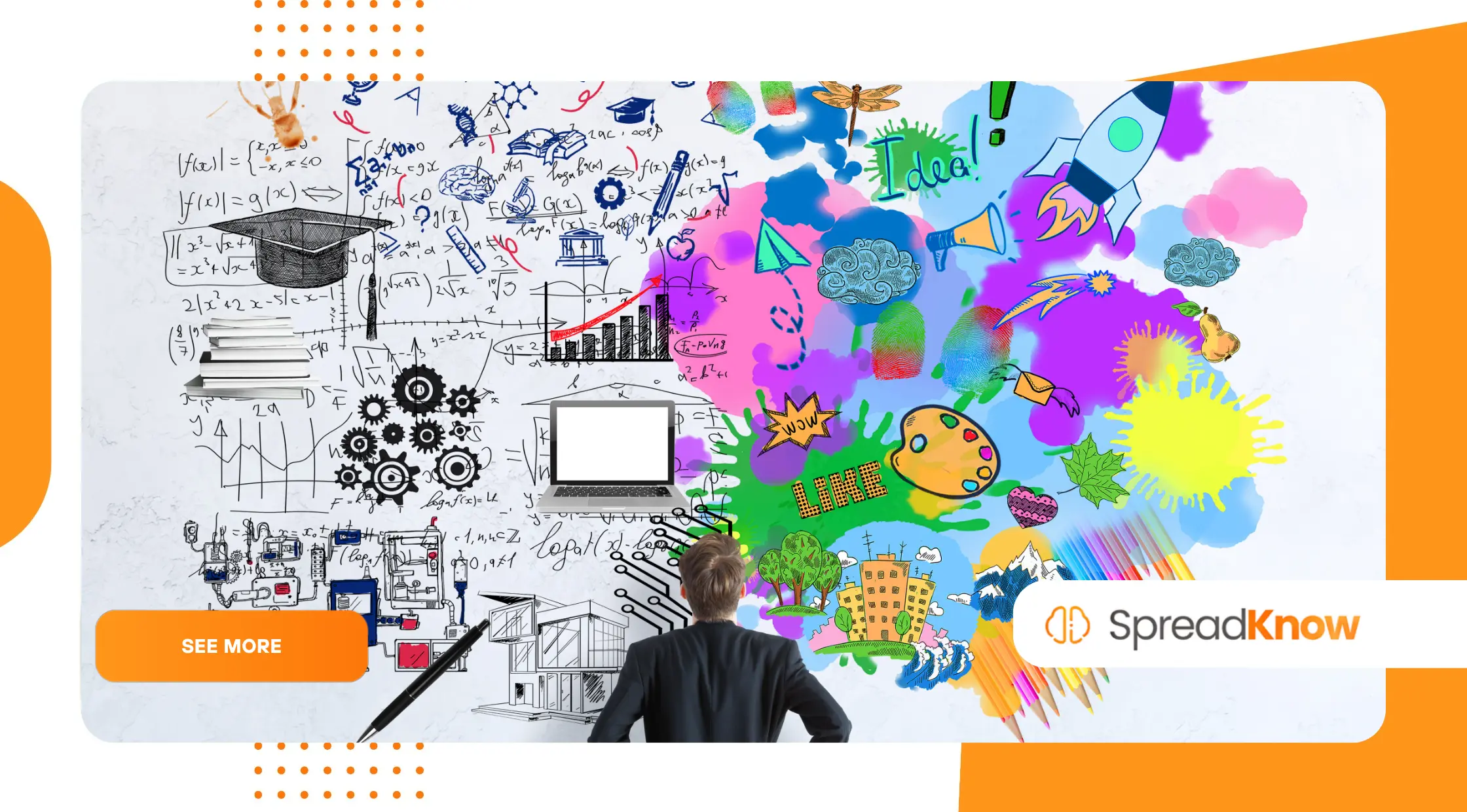
Criatividade e flexibilidade mental estão tão profundamente interligadas que os pesquisadores que estudam uma delas invariavelmente se veem estudando a outra — duas capacidades que compartilham arquitetura neurológica, condições de desenvolvimento e as mesmas ameaças ambientais.
Anúncios
A flexibilidade mental — a capacidade de alternar entre diferentes formas de pensar, abandonar abordagens improdutivas e considerar problemas de múltiplos ângulos simultaneamente — não é um traço de personalidade que algumas pessoas têm e outras não, mas sim uma capacidade cognitiva que se desenvolve, atrofia e responde ao treinamento.
Uma pesquisa da Universidade de Amsterdã descobriu que pessoas preparadas para se sentirem livres antes de uma tarefa criativa produziram soluções significativamente mais originais do que aquelas preparadas para se sentirem limitadas — demonstrando que a flexibilidade mental é sensível ao ambiente de maneiras que têm implicações práticas para qualquer pessoa que queira desenvolver qualquer uma dessas capacidades.
A relação é bidirecional: a prática criativa desenvolve a flexibilidade mental ao exigir repetidamente as mudanças cognitivas necessárias para essa flexibilidade, enquanto a flexibilidade mental expande o leque de possibilidades criativas que uma pessoa pode acessar, fazendo conexões antes impossíveis entre ideias distantes.
A convergência de ambas as capacidades na mesma arquitetura neural — particularmente a rede do modo padrão e a rede de controle executivo — explica por que elas se desenvolvem juntas, declinam juntas sob estresse e respondem às mesmas intervenções quando cultivadas deliberadamente.
Anúncios
Compreender a ligação entre criatividade e flexibilidade mental é compreender a arquitetura de uma das combinações cognitivas mais valiosas na prática — e quais práticas específicas a desenvolvem com maior eficiência em diferentes contextos e fases da vida.
A Neurociência da Flexibilidade Criativa
O cérebro produz pensamentos criativos através da interação entre duas redes que normalmente funcionam em oposição: a rede do modo padrão, que gera associações espontâneas, e a rede de controle executivo, que avalia e seleciona entre elas.
A rede de modo padrão — ativa durante devaneios, sonhos acordados e pensamentos não estruturados — é onde surgem conexões inesperadas entre conceitos distantes, produzindo a matéria-prima da percepção criativa que o pensamento analítico deliberado raramente gera.
A rede de controle executivo — ativa durante o pensamento focado e direcionado a objetivos — avalia as associações produzidas pelo modo padrão, selecionando aquelas que são novas e úteis, enquanto descarta a maioria que é meramente nova ou meramente familiar.
A flexibilidade mental é a capacidade que permite que essas duas redes alternem de forma eficiente — transitando entre os modos generativo e avaliativo sem ficar presa em nenhum deles, que é o modo de falha que produz uma avalanche de ideias acríticas ou um fechamento analítico prematuro.
Pesquisas utilizando imagens de ressonância magnética funcional (fMRI) documentaram que indivíduos altamente criativos apresentam uma conectividade funcional mais forte entre essas duas redes do que indivíduos menos criativos — sugerindo que a integração do pensamento generativo e avaliativo, e não apenas um deles isoladamente, é a assinatura neurológica da capacidade criativa.
Os sistemas dopaminérgicos — os circuitos cerebrais de recompensa e busca por novidades — modulam ambas as redes simultaneamente, explicando por que o humor, a motivação e o estado cognitivo afetam a produção criativa de forma tão drástica e por que intervenções que influenciam a dopamina também influenciam de forma consistente o desempenho criativo.
++ O futuro do comércio global em um mundo fragmentado
Como a flexibilidade mental amplia o leque criativo
A flexibilidade mental amplia o alcance criativo por meio de um mecanismo específico: aumenta a distância entre os conceitos que uma pessoa consegue manter em mente simultaneamente, o que determina diretamente a originalidade das conexões que ela pode estabelecer entre eles.
O pensamento associativo remoto — a capacidade de conectar conceitos que a maioria das pessoas não associaria — é a principal operação cognitiva necessária para a originalidade, e depende diretamente da flexibilidade mental, pois os pensadores rígidos têm maior inibição em acessar associações que violam os limites categóricos.
O clássico Teste de Associação Remota, desenvolvido por Sarnoff Mednick, mede o potencial criativo apresentando três palavras aparentemente não relacionadas e solicitando o conceito que as conecta — uma tarefa que mede diretamente a flexibilidade necessária para transitar entre as fronteiras categóricas reforçadas pelo pensamento rígido.
Pessoas com pontuação alta em medidas de flexibilidade mental consistentemente apresentam melhor desempenho em tarefas de pensamento divergente — gerando mais soluções, soluções mais incomuns e mais soluções que ultrapassam os limites das categorias convencionais do que aquelas cujo pensamento é mais rígido.
A implicação prática é que desenvolver flexibilidade mental não se resume a desenvolver uma característica cognitiva isoladamente — trata-se de expandir diretamente o leque criativo disponível para a resolução de problemas, a produção artística e o tipo de pensamento adaptativo que ambientes complexos recompensam cada vez mais.
Por outro lado, ambientes e hábitos que reduzem a flexibilidade mental — estresse crônico, rotina excessiva, dietas de informação limitadas e ausência de novos desafios — reduzem o alcance criativo como consequência direta, tornando as condições da vida diária um determinante primordial da capacidade criativa.
O Fundação Nacional para as Artes Publicou pesquisas que documentam que o envolvimento regular com práticas criativas produz melhorias mensuráveis na flexibilidade cognitiva em diversas populações e faixas etárias.

Práticas que desenvolvem ambos simultaneamente
A abordagem mais eficiente para desenvolver a criatividade e a flexibilidade mental as trata como um único objetivo — utilizando práticas que desenvolvem ambas simultaneamente, em vez de tratá-las como capacidades separadas que exigem intervenções distintas.
A exposição a ideias de domínios distantes é a prática de desenvolvimento da criatividade mais consistentemente documentada — ler fora da sua área principal, interagir com formas de arte nas quais não se tem formação técnica e buscar deliberadamente a perspectiva de pessoas com conhecimentos radicalmente diferentes ativa a capacidade de conexão interdisciplinar que ambas as áreas compartilham.
Exercícios criativos baseados em restrições — como escrever uma história usando apenas 100 palavras, projetar uma solução com metade do orçamento normal ou preparar uma refeição com o que sobrou na geladeira — desenvolvem a flexibilidade mental, forçando o cérebro a encontrar alternativas quando as primeiras opções não estão disponíveis.
A meditação, em particular a meditação de monitoramento aberto que envolve a consciência não julgadora de tudo o que surge na consciência, tem sido documentada em múltiplos estudos como capaz de aumentar tanto as pontuações de pensamento divergente quanto as medidas de flexibilidade cognitiva — uma intervenção que atua em ambos simultaneamente por meio do mesmo treinamento atencional.
| Prática | Mecanismo de Flexibilidade | Mecanismo Criativo | Tempo necessário |
|---|---|---|---|
| Leitura interdisciplinar | Quebra a rigidez categórica | Cria associações remotas | 20 minutos diários |
| Exercícios de restrição | Forças abordagens alternativas | Gera soluções inovadoras | Variável |
| Meditação de monitoramento aberto | Reduz o controle inibitório | Aumenta a produção divergente | 15-20 minutos diariamente |
| Prática de improvisação | Adaptação em tempo real dos trens | Desenvolve a fluência generativa | Sessões semanais |
| Viagens e ambientes novos | Interrompe o processamento automático | Ativa novas estruturas perceptivas | Ocasional |
A improvisação — na música, no teatro ou na conversa — é a prática que treina mais diretamente a versão em tempo real da ligação entre flexibilidade e criatividade, exigindo uma alternância rápida entre gerar e avaliar em um contexto social que impõe feedback imediato a ambas as capacidades.
++ A Psicologia da Criatividade: Por que algumas mentes veem o mundo de forma diferente
Os inimigos da flexibilidade criativa
Compreender o que prejudica a criatividade e a flexibilidade mental é tão importante quanto compreender o que as desenvolve — porque as condições do trabalho contemporâneo e da vida digital minam sistematicamente ambas as capacidades de maneiras que a prática deliberada deve combater ativamente.
O estresse crônico é o inimigo mais bem documentado de ambas as capacidades — o cortisol restringe o foco da atenção, reduz a atividade da rede do modo padrão e aumenta a rigidez cognitiva, que é o oposto direto do pensamento flexível que a criatividade exige, produzindo exatamente as condições que fazem o trabalho criativo parecer impossível justamente quando ele é mais necessário.
A especialização excessiva — conhecer profundamente um domínio enquanto se permanece ignorante em relação a outros — produz a rigidez categórica que limita o pensamento associativo remoto, razão pela qual as contribuições mais criativas em qualquer área historicamente vêm de pessoas que tiveram um envolvimento sério com domínios adjacentes, em vez daquelas que buscaram a especialização mais restrita possível.
A distração e a atenção fragmentada — o estado cognitivo padrão do uso intenso de smartphones — degradam tanto a função da rede do modo padrão quanto o controle executivo, as duas redes cuja interação a criatividade exige, impedindo que qualquer uma delas opere por tempo suficiente para concluir os processos generativos ou avaliativos que o pensamento criativo demanda.
Associação Americana de Psicologia Estudos documentaram que a multitarefa crônica reduz a flexibilidade cognitiva em tarefas mensuráveis — não porque as pessoas que realizam multitarefas sejam naturalmente menos flexíveis, mas porque o hábito condiciona o cérebro a evitar o engajamento sustentado que tanto a flexibilidade quanto a criatividade exigem.
Rotina excessiva — realizar as mesmas atividades na mesma ordem, nos mesmos ambientes, dia após dia — reduz a ativação neural impulsionada pela novidade, que mantém ambas as capacidades afiadas, produzindo o estreitamento cognitivo que as pessoas experimentam como uma sensação de esgotamento criativo ou bloqueio intelectual.
Criatividade e flexibilidade ao longo da vida.
A relação entre criatividade e flexibilidade mental muda ao longo da vida de maneiras que são em parte biológicas e em parte função dos hábitos e ambientes que cada fase da vida tende a produzir.
As crianças demonstram pontuações extremamente altas em pensamento divergente e medidas de flexibilidade cognitiva elevadas — não porque sejam mais criativas em um sentido absoluto, mas porque possuem menos categorias estabelecidas, menor controle inibitório e menos conhecimento acumulado, o que cria atalhos que reduzem a busca ativa por abordagens alternativas.
A adolescência produz um perfil de criatividade específico — uma forte busca por novidades impulsionada por picos de dopamina, combinada com um controle executivo ainda em desenvolvimento, resultando na propensão ao risco e na originalidade que caracterizam o trabalho criativo adolescente, juntamente com a dificuldade em filtrar a produção, o que a torna inconsistente.
O início da vida adulta normalmente apresenta um pico de produção criativa em diversas áreas — combinando a flexibilidade da juventude com a base de conhecimento e o controle executivo que permitem a avaliação e a execução de ideias criativas que, sem essas capacidades, permanecem meramente geradoras.
A meia-idade não implica inevitavelmente um declínio na criatividade ou na flexibilidade — pesquisas longitudinais com adultos criativos mostram que aqueles que mantêm interesses em diversas áreas, enfrentam novos desafios e se adaptam a ambientes que exigem adaptação demonstram um desempenho criativo notavelmente estável até os sessenta anos e além.
++ Como aprender uma nova habilidade reconfigura o cérebro
Incorporando a flexibilidade criativa ao dia a dia
A abordagem mais eficaz para manter a criatividade e a flexibilidade mental é o planejamento ambiental — estruturar as rotinas diárias de forma a incluir as condições que desenvolvem ambas as capacidades, em vez de depender da força de vontade para buscá-las em meio a fatores que as prejudicam.
Um período matinal de pensamento não estruturado — protegido de dispositivos, notificações e da orientação para tarefas que o trabalho produtivo exige — proporciona o tempo de conexão em modo padrão necessário para a inspiração criativa e que os dias repletos de tarefas eliminam sistematicamente.
A variação deliberada de rotas, restaurantes, fontes de leitura e contextos sociais proporciona a novidade ambiental de baixo custo que impede o processamento automático de consumir todos os recursos cognitivos disponíveis, mantendo o envolvimento ativo com o ambiente que a flexibilidade exige.
Projetos paralelos criativos — realizados por satisfação intrínseca em vez de resultados profissionais — proporcionam o ambiente de baixo risco onde o pensamento experimental floresce, porque a ausência de pressão por desempenho reduz o controle inibitório que restringe o pensamento a soluções seguras e familiares.
A prática diária mais eficaz para desenvolver ambas as capacidades simultaneamente é escrever sem editar — produzir texto sem filtros por dez a quinze minutos antes de qualquer avaliação, o que treina o modo generativo enquanto reduz gradualmente a inibição prematura que bloqueia a flexibilidade criativa antes que ela possa operar.
Conclusão
Criatividade e flexibilidade mental compartilham a mesma arquitetura neural, desenvolvem-se através das mesmas práticas e degradam-se sob as mesmas condições — tornando-as menos como duas capacidades distintas e mais como duas expressões da mesma qualidade cognitiva subjacente.
A pessoa que busca deliberadamente a exposição a diferentes áreas do conhecimento, protege o tempo dedicado ao pensamento livre, pratica o trabalho criativo com base em restrições e gerencia o estresse crônico que limita ambas as capacidades, está construindo criatividade e flexibilidade mental simultaneamente por meio dos mesmos investimentos.
As ameaças ambientais — estresse crônico, especialização excessiva, atenção fragmentada e rotina — são específicas o suficiente para serem abordadas por meio de escolhas de design específicas, em vez de compromissos vagos de "ser mais criativo" que produzem inspiração sem as mudanças estruturais que tornam a criatividade sustentável.
Toda prática que desenvolve a flexibilidade mental expande o alcance criativo, e toda prática criativa que exige flexibilidade cognitiva genuína desenvolve a capacidade que a produz — um ciclo virtuoso que se acumula ao longo dos anos, resultando no tipo de pensamento adaptativo e original que nenhuma técnica específica, por si só, consegue produzir.
Perguntas frequentes
1. Qual a relação entre criatividade e flexibilidade mental? Elas compartilham a mesma arquitetura neural — particularmente a interação entre a rede do modo padrão e a rede de controle executivo — e se desenvolvem por meio das mesmas práticas. A flexibilidade mental expande o alcance criativo ao permitir associações remotas que transcendem fronteiras categóricas, enquanto a prática criativa constrói flexibilidade ao exigir repetidamente mudanças cognitivas entre os modos generativo e avaliativo.
2. A flexibilidade mental pode ser desenvolvida em qualquer idade? Sim. Embora as crianças naturalmente demonstrem grande flexibilidade e os adultos acumulem hábitos que a reduzem, pesquisas longitudinais mostram que adultos que mantêm interesses em diversas áreas, enfrentam novos desafios e se adaptam a ambientes que exigem flexibilidade demonstram uma flexibilidade criativa estável até os sessenta anos e além — confirmando que essa capacidade responde ao treinamento, em vez de declinar inevitavelmente com a idade.
3. Qual prática diária desenvolve com maior eficiência tanto a criatividade quanto a flexibilidade mental? A leitura interdisciplinar combinada com a escrita matinal sem filtros — a exposição a domínios distantes — desenvolve a capacidade associativa remota necessária para a criatividade, enquanto a escrita generativa sem edição treina a rede do modo padrão e reduz o controle inibitório prematuro que limita ambas as capacidades em pessoas que trabalham principalmente em modos avaliativos.
4. Por que o estresse crônico reduz a criatividade? O cortisol restringe o foco da atenção, reduz a atividade da rede do modo padrão e aumenta a rigidez cognitiva — o oposto direto do pensamento flexível e generativo que a criatividade exige. O estresse produz exatamente as condições cognitivas que fazem o trabalho criativo parecer impossível, e é por isso que a relação entre o gerenciamento do estresse e a produção criativa é causal, e não meramente correlacionada.
5. A criatividade é principalmente um talento ou uma capacidade desenvolvida? Principalmente desenvolvido — pesquisas mostram consistentemente que as condições da vida diária, as práticas que uma pessoa mantém e os ambientes que ela habita são preditores mais fortes da produção criativa do que qualquer medida de traço estável. O talento estabelece um limite, mas os hábitos determinam o quão próximo desse limite um indivíduo opera ao longo da vida.
