
Como as mídias sociais redefinem a identidade e a autoestima
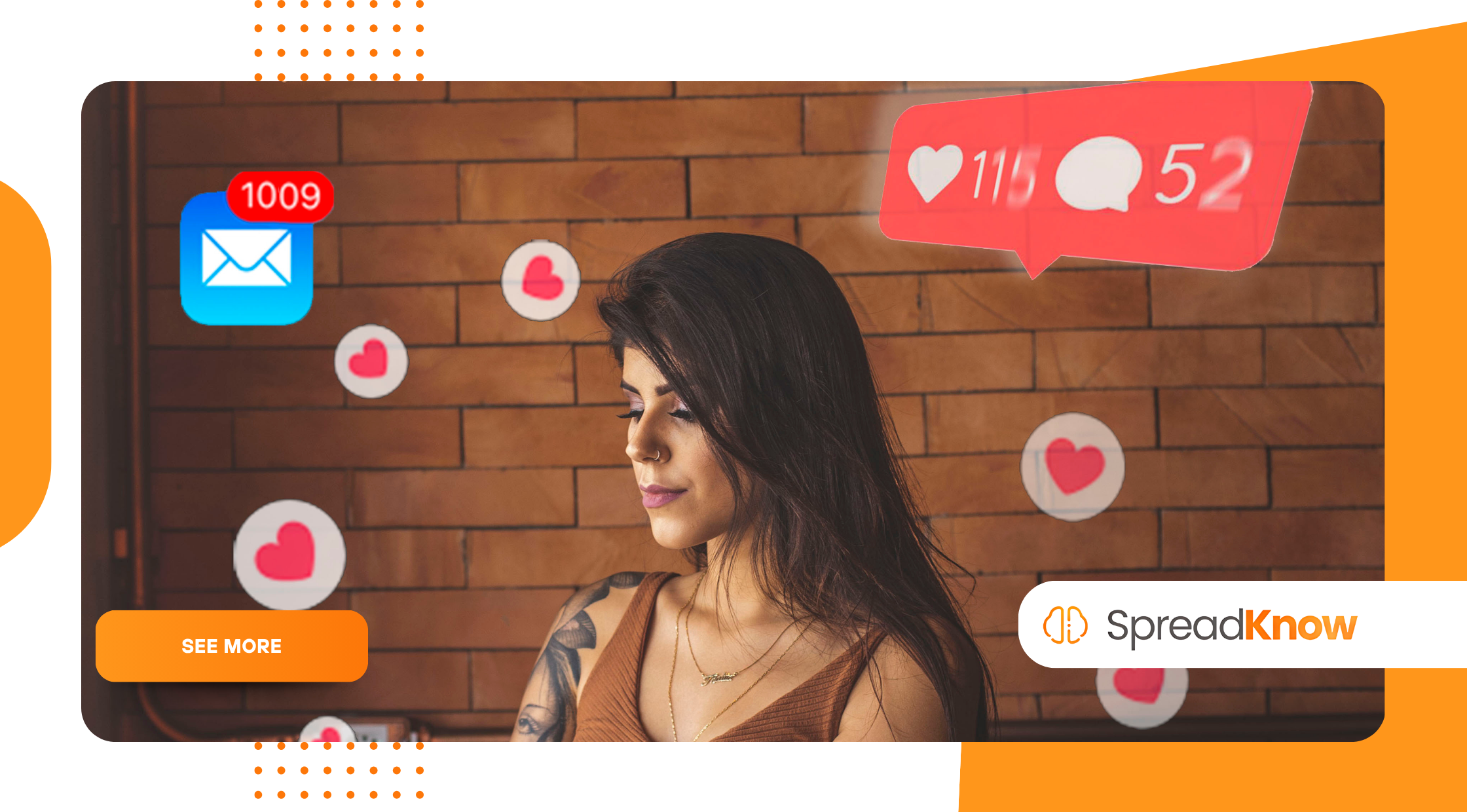
As redes sociais redefinem a identidade e a autoestima de maneiras profundas, influenciando a forma como os indivíduos se percebem, avaliam o sucesso e constroem narrativas pessoais em ambientes digitais cada vez mais interconectados.
Anúncios
Nas últimas duas décadas, as plataformas sociais evoluíram de ferramentas de comunicação para poderosos sistemas culturais que moldam aspirações, status social e visibilidade pública em praticamente todos os grupos demográficos.
A experiência moderna de formação da identidade não ocorre mais exclusivamente por meio da família, da educação, do trabalho ou das interações comunitárias, porque o público digital agora participa continuamente dos processos de validação pessoal.
Embora as redes sociais criem oportunidades de expressão e conexão, elas também introduzem pressões sem precedentes que afetam a confiança, o bem-estar emocional e a percepção do valor pessoal.
Os jovens são expostos a essas influências muito cedo, muitas vezes desenvolvendo expectativas sociais e hábitos de autoavaliação por meio de conteúdo selecionado algoritmicamente, antes mesmo de estabelecerem identidades estáveis fora da internet.
Anúncios
Para entender essa dinâmica, é preciso examinar mecanismos psicológicos, incentivos tecnológicos, mudanças culturais e consequências no mundo real que, em conjunto, redefinem a forma como a autoestima é medida e demonstrada.
A Evolução da Identidade na Era Digital
Durante a maior parte da história da humanidade, a identidade emergiu principalmente por meio de relações diretas, comunidades locais, tradições familiares, experiências educacionais e conquistas profissionais que se desenvolveram em ambientes sociais relativamente limitados.
As plataformas digitais transformaram esse processo, permitindo que os indivíduos apresentassem versões selecionadas de si mesmos para públicos que podem incluir amigos, colegas, desconhecidos e potenciais empregadores simultaneamente.
A identidade pessoal funciona cada vez mais como uma experiência vivida e uma performance pública, moldada por fotografias, comentários, vídeos e métricas de engajamento visíveis.
A distinção entre vida privada e pública tornou-se significativamente tênue, incentivando os indivíduos a considerarem como as experiências aparecem online antes de processá-las completamente em sua vida pessoal.
Muitos usuários criam conscientemente personas digitais que enfatizam pontos fortes, interesses e conquistas selecionados, ao mesmo tempo que minimizam vulnerabilidades, fracassos ou momentos comuns.
Essa apresentação seletiva não reflete necessariamente desonestidade, mas influencia a forma como os indivíduos se compreendem por meio de ciclos contínuos de observação, feedback e ajuste.
++ Como dominar a arte do autoaprendizado
A psicologia por trás das métricas de validação
Curtidas, compartilhamentos, comentários e número de seguidores fornecem mecanismos de feedback imediato que podem influenciar as respostas emocionais mais rapidamente do que as formas tradicionais de reconhecimento social.
Psicólogos observaram que recompensas imprevisíveis frequentemente incentivam comportamentos repetidos, tornando os sistemas de engajamento digital particularmente eficazes para captar a atenção e reforçar a participação.
Pesquisa discutida por Associação Americana de Psicologia Destaca como a comparação social e as interações online podem influenciar a autoestima, a saúde emocional e os padrões de comportamento em diferentes faixas etárias.
Quando os usuários recebem engajamento positivo, podem experimentar aumentos temporários na confiança, o que reforça o valor de comportamentos específicos ou escolhas de conteúdo.
Por outro lado, o envolvimento limitado pode gerar sentimentos de rejeição ou inadequação, mesmo quando as respostas do público têm pouca relação com o valor pessoal genuíno.
Com o tempo, esses ciclos de feedback recorrentes podem alterar sutilmente os padrões internos, fazendo com que a validação externa se torne uma medida primária de autoavaliação.

A cultura da comparação e a ilusão da perfeição
As plataformas de redes sociais expõem os usuários a momentos cuidadosamente selecionados de milhares de vidas, criando ambientes onde a comparação se torna quase inevitável.
Diferentemente das comparações sociais tradicionais que ocorriam entre grupos menores, as comparações digitais frequentemente envolvem celebridades, influenciadores, empreendedores, atletas e figuras públicas de grande visibilidade.
Muitos criadores compartilham conquistas, experiências luxuosas, transformações físicas ou marcos profissionais, mas raramente mostram os contratempos que precederam esses resultados.
Como resultado, o público pode comparar suas realidades completas com fragmentos altamente editados que representam apenas momentos excepcionais da vida de outras pessoas.
| Comportamento Digital | Efeito potencial na autoestima |
|---|---|
| Comparação constante | Diminuição da satisfação com as conquistas pessoais |
| Buscando curtidas em excesso | Dependência de validação externa |
| Apresentação pessoal cuidadosamente elaborada | Aumento da pressão para manter a imagem |
| Rolagem excessiva | Maior sentimento de inadequação |
| Engajamento equilibrado | Autopercepção mais saudável |
Estudos e recursos educacionais publicados pela Organização Mundial de Saúde Também enfatizaram a importância de hábitos digitais saudáveis e do bem-estar psicológico em sociedades cada vez mais conectadas.
++ Música e memória: por que as canções nos levam de volta ao passado.
A Ascensão da Marca Pessoal
O conceito de marca pessoal já pertenceu principalmente a figuras públicas, executivos, políticos e artistas que buscavam visibilidade profissional.
Hoje em dia, as pessoas comuns muitas vezes se sentem incentivadas a cultivar identidades online reconhecíveis que comuniquem conhecimento especializado, atratividade, preferências de estilo de vida ou valores sociais.
As plataformas recompensam a consistência e a visibilidade, incentivando os usuários a pensar estrategicamente sobre conteúdo, crescimento de público e gestão de reputação.
Esse ambiente pode criar oportunidades valiosas para o empreendedorismo, o networking e a expressão criativa que antes eram inacessíveis para muitas pessoas.
Ao mesmo tempo, a autopromoção constante pode encorajar os indivíduos a avaliarem as experiências pessoais de acordo com o valor de conteúdo percebido, em vez do significado intrínseco.
O resultado é uma mudança cultural em que a identidade funciona cada vez mais como algo que deve ser ativamente gerenciado, otimizado e mantido publicamente.
++ Como aprender uma nova habilidade reconfigura o cérebro
Adolescentes e a formação da autoestima
A adolescência representa um período de desenvolvimento particularmente sensível, pois os indivíduos estão ativamente formando suas identidades e buscando aceitação social.
As gerações anteriores enfrentaram esses desafios principalmente por meio de escolas, vizinhanças, times esportivos e redes familiares, com uma exposição pública relativamente limitada.
Os adolescentes de hoje frequentemente vivenciam avaliações sociais contínuas por meio de smartphones, bate-papos em grupo, plataformas sociais e métricas de engajamento público.
As experiências de cyberbullying, exclusão, críticas virais ou constrangimento público podem, portanto, atingir públicos muito maiores e persistir por muito mais tempo do que os conflitos tradicionais.
Ao mesmo tempo, as comunidades online podem fornecer apoio significativo para jovens que buscam conexão, representatividade ou compreensão em relação a desafios pessoais.
O impacto depende, em última análise, de como as plataformas são utilizadas, da qualidade dos relacionamentos envolvidos e das habilidades de resiliência desenvolvidas por meio de orientação e experiência.
Autenticidade versus desempenho
Uma das tensões definidoras das mídias sociais modernas envolve o equilíbrio entre autenticidade e performance em espaços digitais públicos.
Muitos usuários expressam o desejo de uma conexão genuína, ao mesmo tempo que sentem pressão para apresentar versões atraentes, bem-sucedidas e socialmente aceitas de si mesmos.
Essa tensão pode gerar fadiga emocional, pois manter uma imagem cuidadosamente construída geralmente exige atenção constante e automonitoramento.
Alguns criadores responderam compartilhando fracassos, problemas de saúde mental, contratempos profissionais e experiências cotidianas comuns que desafiam as normas de conteúdo voltadas à perfeição.
O público costuma responder positivamente a esses esforços porque a autenticidade pode gerar confiança, identificação e um envolvimento emocional mais profundo.
No entanto, até mesmo a autenticidade pode se tornar performática quando a vulnerabilidade é estrategicamente apresentada para obter visibilidade, engajamento ou crescimento de público.
Construindo relacionamentos saudáveis com as mídias sociais
O desafio que os usuários modernos enfrentam não é necessariamente evitar as redes sociais, mas sim desenvolver relações mais saudáveis com os ambientes digitais.
Os indivíduos se beneficiam ao reconhecer que os algoritmos priorizam o engajamento em vez do bem-estar emocional, da precisão ou de uma autoimagem equilibrada.
Praticar o consumo consciente ajuda os usuários a distinguir entre inspiração e comparação prejudicial, mantendo ao mesmo tempo maior consciência das respostas emocionais.
Estabelecer limites em relação ao tempo gasto em frente às telas, aos hábitos de interação e à exposição a conteúdos pode reduzir a influência da validação externa na autoconfiança.
Relacionamentos presenciais sólidos continuam sendo essenciais porque proporcionam formas de pertencimento e apoio que não podem ser totalmente replicadas por meio de interações digitais.
Em última análise, a autoestima torna-se mais resiliente quando está enraizada em valores, relacionamentos, habilidades e experiências, em vez de métricas flutuantes exibidas em telas.
Conclusão
As redes sociais alteraram fundamentalmente a forma como a identidade se desenvolve, introduzindo novas oportunidades de expressão, mas simultaneamente aumentando a exposição à comparação, à avaliação e às pressões de desempenho.
As tecnologias em si não são inerentemente prejudiciais, mas sua influência torna-se significativa quando as reações externas começam a substituir as medidas internas de valor pessoal.
Compreender os mecanismos psicológicos por trás da validação digital capacita os indivíduos a interagirem de forma mais consciente com as plataformas e a manterem perspectivas mais saudáveis em relação ao sucesso e à autoestima.
Com a contínua evolução dos ambientes digitais, preservar a compreensão autêntica de si mesmo permanecerá um dos desafios e oportunidades mais importantes da vida contemporânea.
Perguntas frequentes
1. De que forma as redes sociais influenciam a autoestima?
As redes sociais podem influenciar a autoestima ao incentivar os indivíduos a mensurarem seu valor pessoal por meio de métricas de engajamento, comparações sociais e feedback externo de públicos online.
2. Por que curtidas e seguidores afetam as emoções de forma tão intensa?
Curtidas e seguidores fornecem feedback social imediato, o que pode ativar sistemas de recompensa psicológicos e influenciar sentimentos de aceitação, popularidade e validação.
3. Os adolescentes são mais vulneráveis aos efeitos das redes sociais?
Sim, os adolescentes são geralmente mais vulneráveis porque o desenvolvimento da identidade e a aceitação social são especialmente importantes durante essa fase da vida.
4. As redes sociais podem ter efeitos positivos na identidade?
Sim, as redes sociais podem apoiar a criatividade, a autoexpressão, a aprendizagem, o networking, a construção de comunidades e o acesso a grupos sociais de apoio.
5. Como as pessoas podem manter uma autoestima saudável online?
As pessoas podem manter uma autoestima mais saudável limitando comparações prejudiciais, priorizando relacionamentos offline, praticando o uso consciente das plataformas e focando em valores pessoais em vez de métricas de engajamento.
