
Il futuro del commercio globale in un mondo frammentato
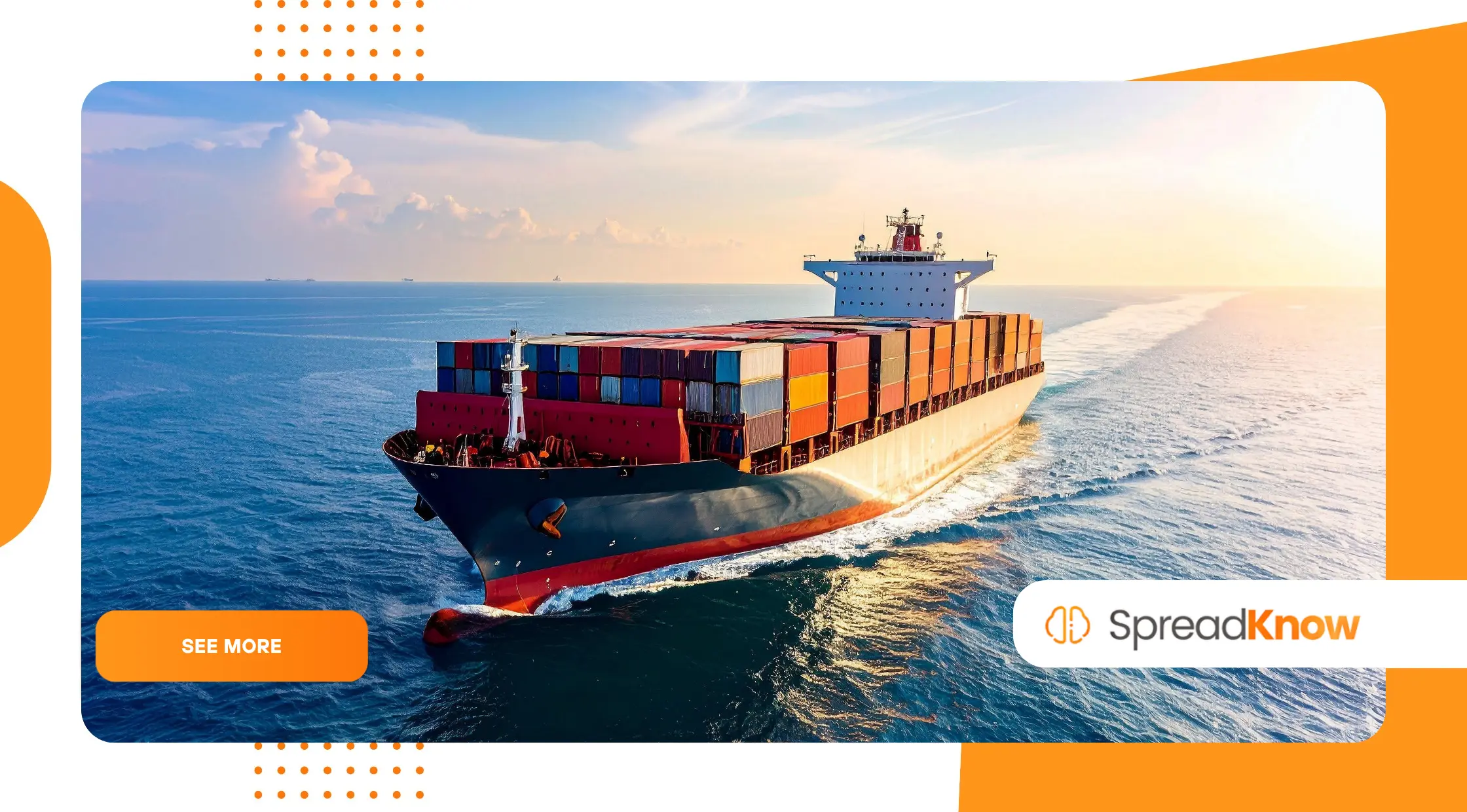
commercio globale sta attraversando la sua più significativa riorganizzazione strutturale dalla costruzione dell'ordine internazionale post-seconda guerra mondiale, guidata simultaneamente dalla competizione geopolitica, dalle vulnerabilità delle catene di approvvigionamento esposte alla pandemia e da deliberati cambiamenti politici che si allontanano dall'efficienza per orientarsi verso la resilienza.
Annunci
Il sistema commerciale basato su regole, costruito attorno all'OMC, non sta crollando, ma viene selettivamente aggirato da governi che hanno concluso che la sicurezza nazionale è più importante dei marginali vantaggi in termini di efficienza che la massima apertura commerciale potrebbe offrire.
L'Inflation Reduction Act statunitense, il Carbon Border Adjustment Mechanism dell'UE e la strategia cinese della doppia circolazione rappresentano tre espressioni diverse ma convergenti di questo cambiamento, ognuna delle quali privilegia la capacità industriale interna rispetto al mero calcolo dell'efficienza.
L'industria dei semiconduttori incarna al meglio questa trasformazione: un prodotto la cui catena di approvvigionamento era stata ottimizzata per l'efficienza si trova ora al centro della competizione geopolitica, con cinque grandi economie che investono massicciamente nella produzione nazionale, cosa che la pura logica di mercato non avrebbe mai giustificato.
La frammentazione non è ancora irreversibile: i volumi degli scambi rimangono elevati, le catene di approvvigionamento restano profondamente interconnesse e i costi economici di un disaccoppiamento completo sono talmente alti che nessuna grande economia lo ha preso seriamente in considerazione.
Annunci
Per comprendere la direzione che sta prendendo il commercio globale, è necessario capire perché il sistema che ha prodotto quarant'anni di straordinaria prosperità stia ora generando la reazione politica che lo sta rimodellando dall'interno.
Perché il consenso sulla globalizzazione è fallito
Il consenso sulla globalizzazione che ha dominato la politica economica dagli anni '80 al 2010 si basava su presupposti che si sono rivelati al contempo parzialmente corretti e fatalmente incompleti.
Il vantaggio comparato – il principio secondo cui i paesi traggono beneficio specializzandosi nella produzione più efficiente e scambiando tutto il resto – ha prodotto effettivi miglioramenti nel benessere globale complessivo, documentati con coerenza dagli economisti nel corso dei decenni.
Ciò che il consenso ha sottovalutato sono state le conseguenze distributive: guadagni complessivi reali ma concentrati, mentre i costi sono ricaduti su specifiche comunità, settori e lavoratori, la cui voce politica si è poi tradotta nei risultati elettorali che le politiche orientate alla frammentazione riflettono.
La crisi finanziaria del 2008 ha dimostrato che i sistemi finanziari globali profondamente integrati trasmettono gli shock con la stessa efficacia con cui trasmettono la prosperità: una lezione che i governi hanno assimilato lentamente, ma che ha accelerato la riconsiderazione dell'interdipendenza come un bene inequivocabile.
La pandemia di COVID-19 ha impartito una lezione più concreta sulla concentrazione delle catene di approvvigionamento: la carenza di apparecchiature mediche, ingredienti farmaceutici e semiconduttori ha rivelato che la produzione globale just-in-time, ottimizzata per le condizioni normali, era strutturalmente fragile sotto stress.
La guerra tra Russia e Ucraina ha aggiunto una dimensione geopolitica che ha eliminato ogni residua ambiguità: la dipendenza energetica da un avversario geopolitico non rappresentava un'efficienza economica, bensì una vulnerabilità strategica, un riconoscimento che si è diffuso rapidamente dal settore energetico a quello dei semiconduttori, dai minerali critici alla sicurezza alimentare.
++ Comprendere il credito come strumento, non come trappola
La nuova architettura dei blocchi commerciali regionali
La risposta alla frammentazione non è la fine del commercio, bensì la sua riorganizzazione in blocchi regionali che combinino un'elevata integrazione all'interno di gruppi di partner fidati con una maggiore cautela nei confronti delle potenze esterne.
Il Quadro economico indo-pacifico, l'Accordo globale e progressivo per il partenariato trans-pacifico e l'Area di libero scambio continentale africana rappresentano tre distinti progetti di integrazione regionale il cui sviluppo simultaneo indica che la regionalizzazione è una tendenza globale piuttosto che una risposta specifica a una singola contesa geopolitica.
Il mercato unico dell'Unione europea rimane il blocco commerciale regionale più integrato al mondo, con standard normativi comuni e libera circolazione di beni, servizi, capitali e persone, caratteristiche che nessun altro accordo regionale ha eguagliato per profondità e durata.
La risposta dell'UE alla frammentazione è stata quella di approfondire l'integrazione interna, aggiungendo al contempo disposizioni di autonomia strategica: il Meccanismo di adeguamento del carbonio alle frontiere, l'Atto sulle materie prime critiche e l'Atto europeo sui semiconduttori rappresentano tutti sforzi volti a ridurre la dipendenza dall'esterno, mantenendo al contempo l'apertura che ha caratterizzato la politica commerciale europea.
La Belt and Road Initiative cinese rappresenta una diversa strategia di integrazione regionale: costruire infrastrutture e relazioni commerciali in Asia, Africa e America Latina che creano dipendenze orientate verso Pechino piuttosto che verso il sistema commerciale guidato dall'Occidente.
La competizione tra queste visioni regionali – un sistema basato su regole e ancorato a Stati Uniti e Unione Europea, un'alternativa incentrata sulla Cina e raggruppamenti regionali emergenti con allineamenti eterogenei – definirà la struttura del commercio globale per la prossima generazione.

Tecnologia, nearshoring e rivoluzione della catena di approvvigionamento
La riorganizzazione fisica delle catene di approvvigionamento globali sta accelerando grazie a una combinazione di scelte politiche mirate e cambiamenti tecnologici che rendono economicamente vantaggiosa la produzione più vicina ai consumatori, cosa impensabile fino a un decennio fa.
Il nearshoring, ovvero il trasferimento della produzione da paesi distanti a basso costo verso paesi vicini con costi più elevati, che offrono vicinanza politica e minori rischi logistici, è la tendenza dominante nella catena di approvvigionamento tra i produttori americani ed europei in risposta al contesto di frammentazione.
Il Messico è emerso come il principale beneficiario del nearshoring americano, con un'impennata degli investimenti diretti esteri, poiché le aziende manifatturiere costruiscono impianti che servono il mercato statunitense senza i rischi geopolitici delle catene di approvvigionamento cinesi o i costi logistici della produzione asiatica.
| Modello della catena di approvvigionamento | Beneficio primario | Rischio primario | Era dominante |
|---|---|---|---|
| Ottimizzazione globale | Massima efficienza | Fragilità sotto stress | 1990-2020 |
| Nearshoring | Resilienza + prossimità | Costo più elevato | 2020-oggi |
| Friend-shoring | Sicurezza geopolitica | Soci accomandanti | Emergenti |
| Produzione interna | Controllo massimo | Costo massimo | settori strategici |
L'automazione e la robotica stanno rendendo il nearshoring economicamente sostenibile, riducendo il vantaggio in termini di costo del lavoro che rendeva attraente la produzione in paesi lontani con salari bassi: una fabbrica in Messico o nell'Europa orientale dotata di automazione moderna può competere, in termini di costi totali, con una fabbrica cinese che impiega salari più elevati.
IL Organizzazione mondiale del commercio È stato documentato che la riorganizzazione delle catene di approvvigionamento sta producendo una deviazione commerciale misurabile, spostando i flussi commerciali tra i paesi in modi che riflettono l'allineamento geopolitico più che il puro vantaggio comparato, per la prima volta nell'era postbellica.
++ Come le crisi globali accelerano il cambiamento sociale ed economico
Il ruolo del dollaro in un sistema frammentato
Il predominio del dollaro statunitense nel commercio globale – che determina il prezzo della maggior parte delle materie prime, regola la maggior parte delle transazioni internazionali e funge da ancoraggio per il sistema delle valute di riserva – conferisce agli Stati Uniti vantaggi strutturali in un mondo frammentato che nessun altro Paese possiede.
Il predominio del dollaro implica che le sanzioni finanziarie americane si estendano ben oltre i confini statunitensi: qualsiasi transazione che transiti attraverso sistemi bancari denominati in dollari è soggetta alla giurisdizione americana, conferendo alle sanzioni statunitensi una portata globale che le sanzioni denominate in altre valute non possono replicare.
L'utilizzo del dominio del dollaro come arma attraverso le sanzioni contro Russia, Iran, Venezuela e altri paesi ha accelerato gli sforzi di Cina, Russia, India e stati del Golfo per sviluppare sistemi di pagamento alternativi, non perché questi siano attualmente competitivi, ma perché la vulnerabilità che intendono contrastare è reale e l'incentivo a ridurla è forte.
L'espansione dei BRICS e il crescente utilizzo di accordi valutari bilaterali per la liquidazione degli scambi commerciali riflettono una risposta strutturale all'uso del dollaro come arma: i paesi che si percepiscono come potenziali bersagli di sanzioni stanno riducendo la propria esposizione al dollaro come forma di gestione del rischio geopolitico.
È improbabile che il dominio del dollaro si concluda a breve termine: gli effetti di rete di una valuta di riserva globale sono enormi e nessuna valuta alternativa possiede la combinazione di profondità, liquidità e sostegno dello stato di diritto che rende il dollaro particolarmente adatto; tuttavia, la sua quota nei regolamenti del commercio globale è in graduale calo.
IL Fondo monetario internazionale ha documentato la lenta erosione del predominio del dollaro nelle riserve valutarie — da oltre 701.000 trilioni di riserve globali nel 2000 a circa 581.000 trilioni di riserve attuali — un declino che riflette una diversificazione piuttosto che uno spostamento, ma che segnala la direzione di una tendenza pluridecennale.
La dimensione climatica della frammentazione commerciale
La politica climatica sta aggiungendo un nuovo asse alla frammentazione degli scambi commerciali, un asse che trascende la divisione geopolitica tra democrazie e autocrazie e che rimodellerà il vantaggio comparato in modi che né la pura logica di mercato né l'allineamento geopolitico possono prevedere appieno.
Il meccanismo di adeguamento del carbonio alle frontiere dell'UE, che impone un prezzo del carbonio sulle importazioni provenienti da paesi sprovvisti di un sistema equivalente di tariffazione del carbonio, rappresenta il più significativo sviluppo in materia di politica commerciale e climatica dai tempi dell'Accordo di Parigi, estendendo di fatto gli standard climatici europei a qualsiasi esportatore che desideri accedere al mercato europeo.
La produzione ad alta intensità di carbonio – acciaio, cemento, alluminio, fertilizzanti – si trova ad affrontare una trasformazione strutturale nella sua posizione competitiva globale con la diffusione della tassazione del carbonio, e i produttori dei paesi che internalizzano i costi del carbonio si trovano ad affrontare dinamiche competitive diverse rispetto a quelli dei paesi che li esternalizzano.
Le politiche industriali verdi stanno creando nuove forme di competizione commerciale: i sussidi statunitensi per la produzione di energia pulita previsti dall'Inflation Reduction Act, il Net-Zero Industry Act dell'UE e la posizione dominante della Cina nei settori dei pannelli solari, delle batterie e dei veicoli elettrici sono tutte espressioni di una competizione per la leadership nei settori che la decarbonizzazione renderà centrali per il potere economico.
I minerali critici necessari per la transizione verso l'energia pulita – litio, cobalto, nichel, elementi delle terre rare – sono concentrati in un numero ristretto di paesi, creando nuove dipendenze strategiche che riecheggiano le dipendenze dai combustibili fossili, la cui risoluzione è in parte una risposta alla frammentazione stessa.
++ La transizione verde: come le energie rinnovabili stanno rimodellando le economie
Cosa possono aspettarsi individui e aziende
La frammentazione del commercio globale produce conseguenze che si estendono dalle multinazionali ai singoli consumatori, rimodellando prezzi, disponibilità di prodotti, opportunità di carriera e condizioni finanziarie in modi che si intensificheranno nel prossimo decennio.
I prezzi al consumo dei beni le cui catene di approvvigionamento si stanno riorganizzando – elettronica, automobili, abbigliamento – rifletteranno il costo più elevato di una produzione resiliente ma meno efficiente, poiché il nearshoring e l'friendshoring sostituiranno l'ottimizzazione a basso costo che ha mantenuto bassi i prezzi dei beni di consumo per una generazione.
Le imprese che hanno costruito il loro vantaggio competitivo sull'ottimizzazione della catena di approvvigionamento globale si trovano ad affrontare la transizione più dirompente: le competenze, le relazioni e le infrastrutture che le hanno rese vincenti nell'era della globalizzazione sono in parte obsolete in un mondo in cui l'allineamento geopolitico e la resilienza della catena di approvvigionamento contano più della mera efficienza dei costi.
Le opportunità di carriera nella gestione della catena di approvvigionamento, nella conformità al commercio internazionale e nella facilitazione degli scambi regionali sono in espansione proprio perché la complessità della gestione di relazioni commerciali frammentate richiede maggiori competenze umane rispetto alla più semplice logica di ottimizzazione imposta dalla globalizzazione di picco.
Le implicazioni in termini di investimenti sono significative: le aziende con catene di approvvigionamento concentrate a livello regionale, capacità produttive nazionali ed esposizione alla transizione verso l'energia pulita sono meglio posizionate in un mondo frammentato rispetto a quelle il cui vantaggio competitivo dipende dalla perfetta integrazione globale resa possibile dall'era precedente.
Conclusione
Il futuro del commercio globale non è la fine degli scambi commerciali, bensì la loro riorganizzazione: da un sistema ottimizzato per la massima efficienza in condizioni geopolitiche stabili, a un sistema che accetta costi più elevati in cambio di maggiore resilienza, autonomia strategica e allineamento con partner fidati.
La transizione è dolorosa per coloro la cui prosperità si fondava sul culmine della globalizzazione: lavoratori, imprese e paesi il cui vantaggio competitivo dipendeva da un'integrazione senza soluzione di continuità che ora viene smantellata selettivamente dagli stessi governi che l'hanno costruita.
La nuova architettura – blocchi regionali, reti di cooperazione economica, protezione strategica dei settori e politiche commerciali allineate agli obiettivi climatici – è più complessa, più costosa e politicamente più duratura di quella che sostituisce, perché riflette lezioni concrete che le vulnerabilità del sistema precedente hanno reso impossibile ignorare.
Ogni impresa, investitore e professionista che comprende la direzione di questa transizione è in una posizione migliore per affrontarla rispetto a chi presume che la logica dell'era della globalizzazione si riaffermerà, perché le forze politiche e geopolitiche che guidano la frammentazione sono reali, strutturali e difficilmente si invertiranno.
Domande frequenti
1. La globalizzazione sta finendo o si sta solo trasformando? Cambiamento anziché fine: i volumi commerciali rimangono elevati e le catene di approvvigionamento globali profondamente interconnesse. Ciò che sta cambiando è la logica che regola le relazioni commerciali, con l'allineamento geopolitico, la resilienza delle catene di approvvigionamento e l'autonomia strategica che prevalgono sempre più sulla pura ottimizzazione dell'efficienza come criteri primari per la politica commerciale.
2. Cos'è il friend-shoring e perché è in crescita? Il "friend-shoring" è la pratica di concentrare le catene di approvvigionamento all'interno di paesi che condividono un allineamento geopolitico e una fiducia strategica, accettando una certa perdita di efficienza in cambio di un rischio ridotto di interruzione delle forniture derivante da relazioni ostili. Questa pratica è in crescita perché la pandemia e gli shock geopolitici hanno dimostrato che l'efficienza senza resilienza rappresenta un limite strategico.
3. Il dollaro statunitense rimarrà dominante nel commercio globale? Probabilmente sì, nel breve termine, ma con un'erosione graduale: i dati del FMI indicano che le riserve in dollari sono diminuite da oltre 701 trilioni di dollari a circa 581 trilioni di dollari di riserve globali, a testimonianza di una diversificazione piuttosto che di una sostituzione. Nessuna valuta alternativa possiede la profondità, la liquidità e il sostegno dello stato di diritto necessari per sostituire il ruolo strutturale del dollaro nel breve-medio termine.
4. In che modo le politiche climatiche si intersecano con la frammentazione degli scambi commerciali? Il meccanismo di adeguamento del carbonio alle frontiere (CBM) dell'UE estende la fissazione del prezzo del carbonio alle importazioni, imponendo di fatto standard climatici ai partner commerciali. Insieme ai sussidi per l'industria verde negli Stati Uniti e al predominio della Cina nella produzione di energia pulita, la politica climatica sta creando una nuova dimensione competitiva che rimodella il vantaggio comparato indipendentemente dagli allineamenti geopolitici.
5. Cosa dovrebbero aspettarsi i singoli individui dalla frammentazione degli scambi commerciali? Prezzi al consumo più elevati per i beni le cui catene di approvvigionamento si stanno riorganizzando, in quanto il nearshoring sostituisce l'ottimizzazione globale a basso costo. Opportunità di carriera in espansione nella gestione della catena di approvvigionamento e nella conformità commerciale. Vantaggi degli investimenti che si spostano verso le aziende con catene di approvvigionamento regionali e esposizione alle energie pulite rispetto a quelle dipendenti da una perfetta integrazione globale.
