
La influencia del arte popular en el diseño contemporáneo.
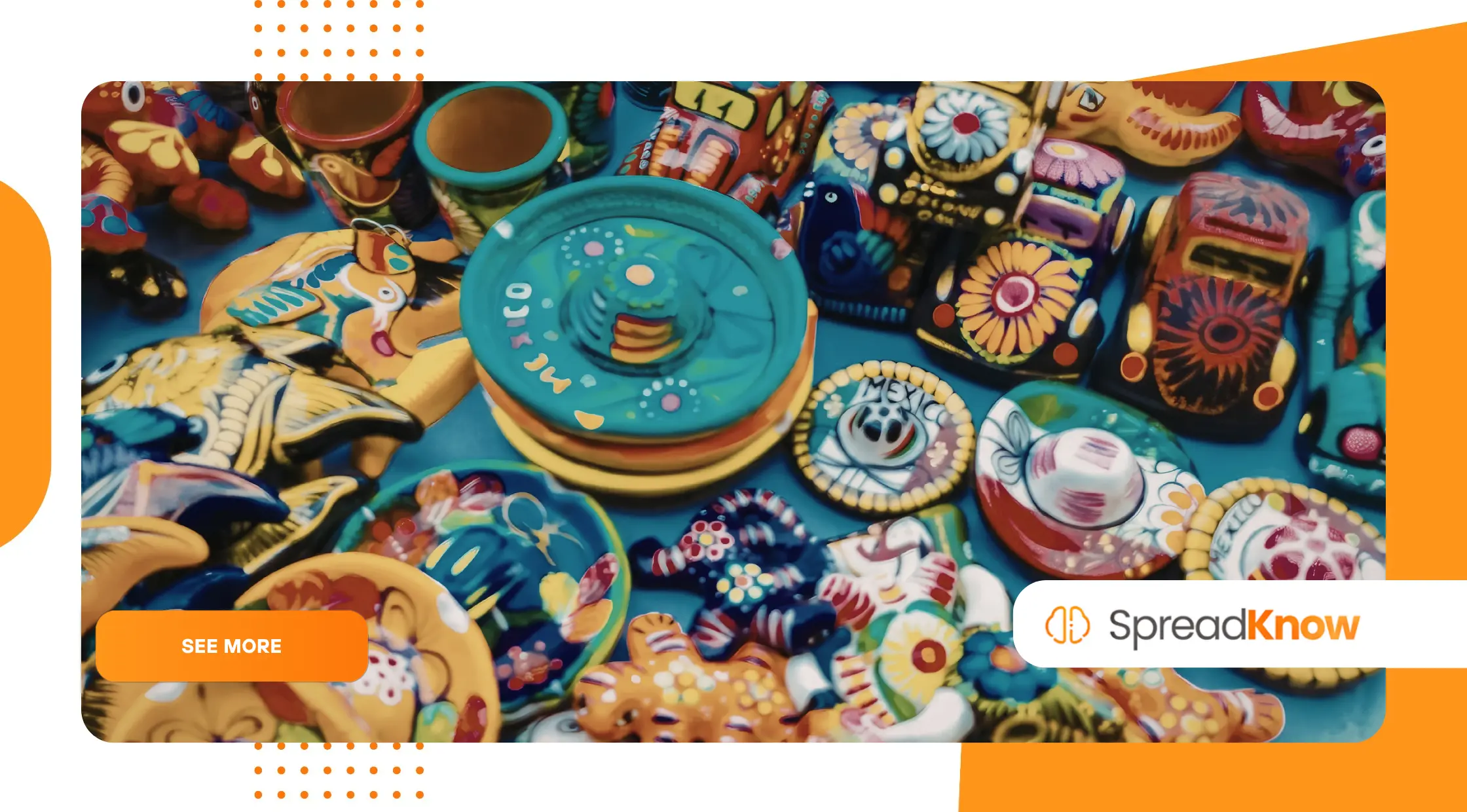
La influencia del arte popular en el diseño contemporáneo Representa una de las corrientes más silenciosas pero poderosas que están transformando el panorama visual de la industria creativa moderna.
Anuncios
Durante décadas, el arte popular fue tratado como algo secundario: una categoría de curiosidad en lugar de una fuente legítima de innovación en el diseño o de autoridad cultural.
El mercado del arte mural por sí solo alcanzó los 63.610 millones de $ en 2024 y se prevé que llegue a los 118.790 millones de $ en 2032, impulsado significativamente por la demanda de los consumidores de diseños arraigados en la autenticidad cultural y la artesanía humana.
Lo que impulsa este renovado interés no es solo la nostalgia, sino un cansancio colectivo con la estética estéril y sin fricciones que dominó la era del minimalismo digital.
Las tradiciones populares poseen algo que el diseño algorítmico no puede fabricar: un vocabulario visual construido a lo largo de generaciones, moldeado por comunidades reales, geografías específicas y experiencias culturales vividas.
Anuncios
Comprender cómo ese vocabulario se está reincorporando al diseño contemporáneo revela tanto sobre la dirección de la cultura global como sobre la mecánica de la comunicación visual.
Los orígenes del arte popular y por qué son importantes hoy en día.
El arte popular no es un estilo único, sino una categoría que abarca miles de tradiciones regionales distintas, cada una con su propia gramática visual, sistema simbólico y cultura material.
Desde la pintura ucraniana de huevos pysanka y la cerámica mexicana de Talavera hasta el rosemaling escandinavo y la pintura india Madhubani, estas tradiciones comparten un origen común en comunidades que crearon belleza a partir de materiales disponibles localmente y heredaron colectivamente códigos visuales.
Lo que los une es su resistencia a la lógica de la producción en masa: cada pieza lleva la imperfección de una mano individual, una imperfección que los consumidores contemporáneos interpretan cada vez más como prueba de autenticidad en lugar de una limitación que deba corregirse.
El cambio global hacia la estética artesanal en 2025 y 2026 no es casual; refleja una reacción directa contra los efectos homogeneizadores de las imágenes generadas por IA, que pueden producir imágenes técnicamente impecables, pero no pueden replicar la especificidad cultural inherente a las auténticas tradiciones populares.
Los críticos de diseño y los curadores de las principales instituciones comenzaron a notar este cambio ya en 2024, cuando el público de exposiciones como la Bienal de Whitney mostró una marcada preferencia por las obras textiles y las técnicas artesanales por encima de las instalaciones basadas en la tecnología.
El resurgimiento del arte popular como referencia de diseño es, por tanto, una elección estética y una declaración cultural: una señal de que una pieza o una marca pertenece a un lugar real, a una historia real y a un proceso humano real.
++ El poder de formular mejores preguntas al estudiar
El arte popular en el diseño gráfico y la creación de marcas
El ámbito más visible donde el arte popular está transformando la práctica contemporánea es el diseño gráfico, donde la tendencia ha pasado de ser un experimento estético periférico a una fuerza comercial dominante.
El informe de tendencias de diseño gráfico de VistaPrint para 2026 nombró a "Elemental Folk" como uno de los movimientos visuales que definirán el año: una tendencia que toma los patrones eclécticos, los motivos florales, los animales y los bordes ornamentales de las tradiciones folclóricas y los coloca directamente en diseños modernos, gráficos digitales y sistemas de marca.
Lo que hace que esta integración sea atractiva desde la perspectiva de la estrategia de marca es la carga emocional que conllevan los motivos folclóricos: comunican autenticidad, lugar y narración de historias de maneras que los gráficos digitales geométricamente precisos no pueden, desde el punto de vista estructural.
Una marca de panadería que incorpora motivos florales folclóricos en su empaque no se limita a decorar una caja, sino que se posiciona dentro de una tradición visual que los consumidores asocian con la artesanía, el cuidado y los valores de producción no industrial.
La misma lógica se aplica a los sectores de la hostelería, la alimentación y el estilo de vida, donde los hoteles boutique están incorporando motivos folclóricos ornamentales en la señalización y los menús como una señal deliberada de identidad propia del lugar, en una época en la que el diseño de lujo genérico está perdiendo su capacidad de diferenciación.
Más allá de la decoración, la imagen de marca inspirada en el folclore también está transformando la tipografía, y los diseñadores recurren a formas de letras extraídas de las tradiciones caligráficas regionales como alternativa a los vocabularios sans-serif internacionales sobreutilizados que definieron dos décadas de imagen de marca en la era tecnológica.
El resurgimiento del diseño textil y de interiores
Los textiles representan el ámbito donde la influencia del arte popular en el diseño contemporáneo es más antigua, más profunda y más continua a través de las culturas y los siglos.
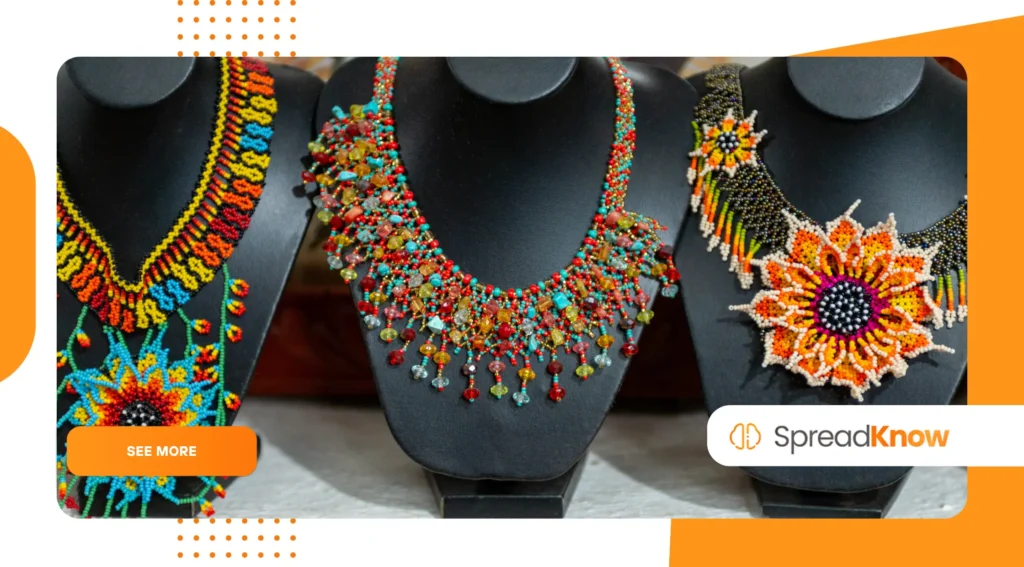
Los patrones de tejido escandinavos, las tradiciones textiles andinas, las técnicas japonesas de teñido con índigo y las estructuras de los tejidos kente de África Occidental han experimentado importantes resurgimientos en el diseño de interiores y de moda contemporáneos, conservando cada uno la densidad visual de tradiciones desarrolladas a lo largo de cientos de años.
El carácter artesanal de los textiles folclóricos se ha convertido en una de las señales comerciales más poderosas en el diseño de interiores, donde los consumidores rechazan cada vez más los muebles producidos en masa en favor de piezas que comunican un origen individual y una autenticidad material.
Los comisarios de diseño de Art Basel y eventos similares informaron sistemáticamente durante 2024 y 2025 que el interés de los coleccionistas por las obras artesanales y textiles superaba al interés por los formatos impulsados por la tecnología, un cambio que habría parecido improbable una década antes.
UNESCO ha apoyado activamente este resurgimiento a través de sus programas de patrimonio cultural inmaterial, reconociendo la artesanía tradicional no solo como preservación histórica, sino como un recurso creativo vivo con relevancia directa para la práctica del diseño contemporáneo.
Este reconocimiento institucional ha otorgado a las tradiciones textiles populares un nuevo tipo de autoridad cultural en los espacios de diseño, una autoridad que valida su uso por parte de los diseñadores contemporáneos como algo más serio que seguir tendencias o tomar prestado superficialmente de las tradiciones estéticas globales.
++ El papel del arte en los movimientos de resistencia política
El arte popular y el debate sobre la sostenibilidad
Una de las conexiones más importantes, aunque poco estudiadas, entre el arte popular y el diseño contemporáneo es la alineación entre las prácticas artesanales tradicionales y los valores de sostenibilidad que ahora impulsan gran parte del comportamiento de los consumidores y la industria.
Las tradiciones del arte popular eran intrínsecamente sostenibles mucho antes de que la sostenibilidad se convirtiera en un principio de diseño: se basaban en materiales de origen local, rechazaban los residuos por considerarlos incompatibles con la escasez de la producción artesanal y priorizaban la durabilidad sobre la desechabilidad.
Por lo tanto, los diseñadores contemporáneos que se inspiran en las tradiciones populares no se limitan a tomar prestados motivos estéticos, sino que heredan una filosofía material que, casualmente, coincide precisamente con las exigencias más urgentes de la ética de la producción del siglo XXI.
El Institución Smithsonian, que alberga una de las mayores colecciones de arte popular y tradicional del mundo, ha documentado cómo las técnicas artesanales indígenas empleaban habitualmente tintes naturales, materiales biodegradables y procesos de mínima generación de residuos siglos antes de que se codificaran los marcos modernos de sostenibilidad.
Las marcas que integran genuinamente los métodos artesanales tradicionales en su producción, en lugar de simplemente hacer referencia a la estética popular de forma superficial, obtienen una credibilidad en las conversaciones sobre sostenibilidad que el mero uso de elementos visuales superficiales no puede proporcionar.
Esta distinción entre el compromiso auténtico y la apropiación superficial se ha vuelto cada vez más importante para los consumidores, en particular entre los grupos demográficos más jóvenes, que investigan las afirmaciones de las marcas con una atención crítica que las generaciones anteriores rara vez aplicaban a las elecciones estéticas.
++ Cómo evoluciona la identidad cultural en las sociedades globalizadas
Color y estampado: las contribuciones más directas del arte popular al diseño.
Las contribuciones más inmediatamente reconocibles del arte popular al diseño contemporáneo son sus enfoques del color y el estampado, dos ámbitos en los que las tradiciones populares operan con una audacia y complejidad que el minimalismo moderno había pasado décadas suprimiendo sistemáticamente.
Los sistemas de color populares no son aleatorios: son lenguajes visuales codificados donde combinaciones específicas de tonalidades conllevan significados culturales, asociaciones estacionales y contenido simbólico desarrollado a lo largo de generaciones de uso y perfeccionamiento colectivos.
La vibrante paleta del arte popular mexicano —terracota, cobalto, azafrán y jade que funcionan simultáneamente sin conflicto visual— ha influido en todo, desde colecciones de pintura para interiores hasta presentaciones de moda en pasarelas, ofreciendo a los diseñadores una alternativa a las paletas neutras y de baja saturación que dominaron los interiores durante la década de 2010.
Los estampados folclóricos escandinavos, basados en la repetición geométrica rítmica con motivos botánicos naturalistas, se han convertido en un punto de referencia constante en el diseño textil, de papel pintado y de productos, apareciendo en colecciones de importantes marcas escandinavas e internacionales a lo largo de 2024 y 2025.
El regreso de los estampados al diseño convencional tras dos décadas de dominio del minimalismo representa uno de los indicadores más claros de la creciente influencia del arte popular: un cambio de superficies que comunican sobriedad a superficies que comunican densidad cultural y generosidad visual.
| Tradición popular | Firma visual | Aplicación contemporánea |
|---|---|---|
| Talavera mexicana | Motivos geométricos en cobalto y blanco | Azulejos, cerámica, diseño de envases |
| Rosemaling escandinavo | Intrincados trabajos florales en espiral | Textiles, papel pintado, muebles |
| Madhubani indio | Dibujo figurativo de líneas densas | Diseño de superficie, ilustración editorial |
| Bordado ucraniano | Flores geométricas bordadas en punto de cruz | Moda, marcas, diseño de productos |
| Kente de África Occidental | Bloques de color tejidos llamativos | Moda, diseño gráfico, identidad |
La ética de la apropiación del arte popular en el diseño
El creciente interés comercial por la estética popular ha generado un debate igualmente importante sobre la ética de cómo se obtienen, se reconocen y se compensan esas estéticas en la industria del diseño contemporáneo.
Existe una diferencia significativa entre inspirarse en una tradición popular y extraer su contenido visual con fines comerciales, mientras que las comunidades que desarrollaron esas tradiciones no reciben ni reconocimiento ni beneficio económico por su herencia creativa.
Durante la última década, las marcas de moda han recibido críticas constantes por producir prendas que reproducen patrones textiles indígenas sin atribución, compensación ni consulta con las comunidades cuyo trabajo cultural produjo esos diseños a lo largo de generaciones.
El debate sobre la apropiación cultural ha impulsado a varias instituciones y marcas importantes del sector del diseño hacia prácticas de consulta más rigurosas, asociándose directamente con las comunidades de artesanos y garantizando que el uso comercial de motivos tradicionales genere ingresos que repercutan en esas comunidades.
La distinción que hacen ahora los profesionales serios es entre el intercambio cultural —que implica diálogo, reconocimiento y reciprocidad— y la extracción cultural, que trata las tradiciones populares como un recurso estético gratuito disponible para quien tenga la plataforma para comercializarlas de la manera más eficaz.
Para los diseñadores que trabajan con influencias folclóricas, esta dimensión ética ya no es periférica al proceso creativo, sino una consideración profesional y de reputación que moldea la forma en que se desarrollan, se reconocen y se comunican los proyectos a un público cada vez más atento.
La traducción digital de los principios del arte popular
Quizás la dimensión más inesperada de la influencia contemporánea del arte popular sea su surgimiento como punto de referencia para el diseño digital, la estética de la interfaz de usuario y la imagen de marca de la tecnología, ámbitos que parecen estructuralmente alejados de las tradiciones artesanales.
La tendencia del "diseño ingenuo", identificada en múltiples pronósticos de diseño para 2026, se inspira directamente en los principios del arte popular: líneas irregulares, formas desiguales, elecciones de color espontáneas y una aceptación deliberada de la imperfección como señal de origen humano en un panorama del diseño cada vez más dominado por la perfección generada por máquinas.
Esta aplicación de la estética popular a los contextos digitales refleja una lógica cultural más profunda: que en una era en la que las herramientas de IA pueden generar superficies impecables al instante, el valor de la imperfección humana visible aumenta proporcionalmente, convirtiendo la irregularidad derivada del folclore en una forma de diferenciación de alta gama en lugar de una limitación.
Las interfaces de las aplicaciones, los diseños de los sitios web y las identidades de los productos digitales están incorporando elementos dibujados a mano, estilos de ilustración de inspiración folclórica y opciones tipográficas artesanales como una forma de comunicar calidez, personalidad y presencia humana a los usuarios, condicionados a desconfiar de los resultados algorítmicos.
Los datos del mercado mundial del arte refuerzan esta tendencia: el informe de tendencias de coleccionistas de Saatchi Art de 2026 identificó las referencias al arte popular, el neoexpresionismo y los estilos de ilustración ingenua como algunas de las categorías más adquiridas por los coleccionistas serios que se inician en el coleccionismo, en particular los pertenecientes a las generaciones Z y Millennial.
Esta convergencia revela que la influencia del arte popular en el diseño contemporáneo no es una tendencia cíclica destinada a ser reemplazada por la siguiente ola estética, sino una negociación constante entre la cultura del diseño y la necesidad humana de significado visual que la producción en masa nunca ha satisfecho por completo.
Conclusión
La influencia del arte popular en el diseño contemporáneo no es ni nostalgia ni moda, sino una respuesta estructural a las limitaciones de lo que la estética puramente digital y algorítmica puede comunicar sobre la identidad, el lugar y el valor humano.
Desde la imagen de marca y los textiles hasta el diseño de interiores y las interfaces digitales, las tradiciones populares están proporcionando a los diseñadores contemporáneos un vocabulario visual que conlleva precisamente el peso cultural y la profundidad emocional que los consumidores exigen cada vez más de los objetos y entornos que les rodean.
Las dimensiones éticas de este compromiso son tan importantes como las estéticas: la influencia genuina requiere diálogo, reconocimiento y reciprocidad, en lugar de explotación, y los diseñadores que comprenden esta distinción producen un trabajo que es a la vez más honesto culturalmente y más duradero.
El arte popular sobrevivió a siglos de industrialización, globalización y ciclos de moda estética no porque estuviera protegido del cambio, sino porque portaba algo que las condiciones cambiantes hacían cada vez más necesario: la evidencia visible de una mano humana trabajando con intención.
Preguntas frecuentes
1. ¿Cuál es la influencia del arte popular en el diseño contemporáneo? El arte popular proporciona al diseño contemporáneo vocabularios visuales con raíces culturales —patrones, sistemas de color y principios artesanales— que comunican autenticidad, lugar e intención humana de maneras que la estética puramente digital no puede replicar.
2. ¿Qué industrias se ven más influenciadas por el arte popular en la actualidad? El diseño gráfico, la moda, el diseño de interiores, la creación de marcas y, cada vez más, el diseño de productos digitales, se inspiran en gran medida en las tradiciones populares, sobre todo a medida que crece la demanda de los consumidores por una estética auténtica y artesanal.
3. ¿Se considera apropiación el uso de arte popular en el diseño comercial? Depende totalmente del enfoque. El intercambio genuino implica diálogo, reconocimiento y reciprocidad económica con las comunidades de origen. La explotación —el uso de motivos folclóricos sin atribución ni compensación— es ampliamente criticada y cada vez más tiene consecuencias negativas para la reputación de las marcas.
4. ¿Qué es la tendencia Elemental Folk en el diseño gráfico? Se trata de una tendencia de diseño para 2026, identificada por los principales informes del sector, que integra motivos folclóricos (flores, animales, bordes ornamentales) en diseños modernos y sistemas de marca, produciendo diseños que se sienten a la vez arraigados en la tradición y visualmente contemporáneos.
5. ¿Por qué el arte popular está ganando influencia precisamente ahora? El auge del diseño generado por IA ha revalorizado la imperfección humana visible y la especificidad cultural, cualidades que las tradiciones populares encarnan estructuralmente. Cuanto más predomina el diseño algorítmico, mayor es el valor comercial y emocional que adquieren las estéticas de origen popular.
