
The Mental Health Benefits of Working With Your Hands
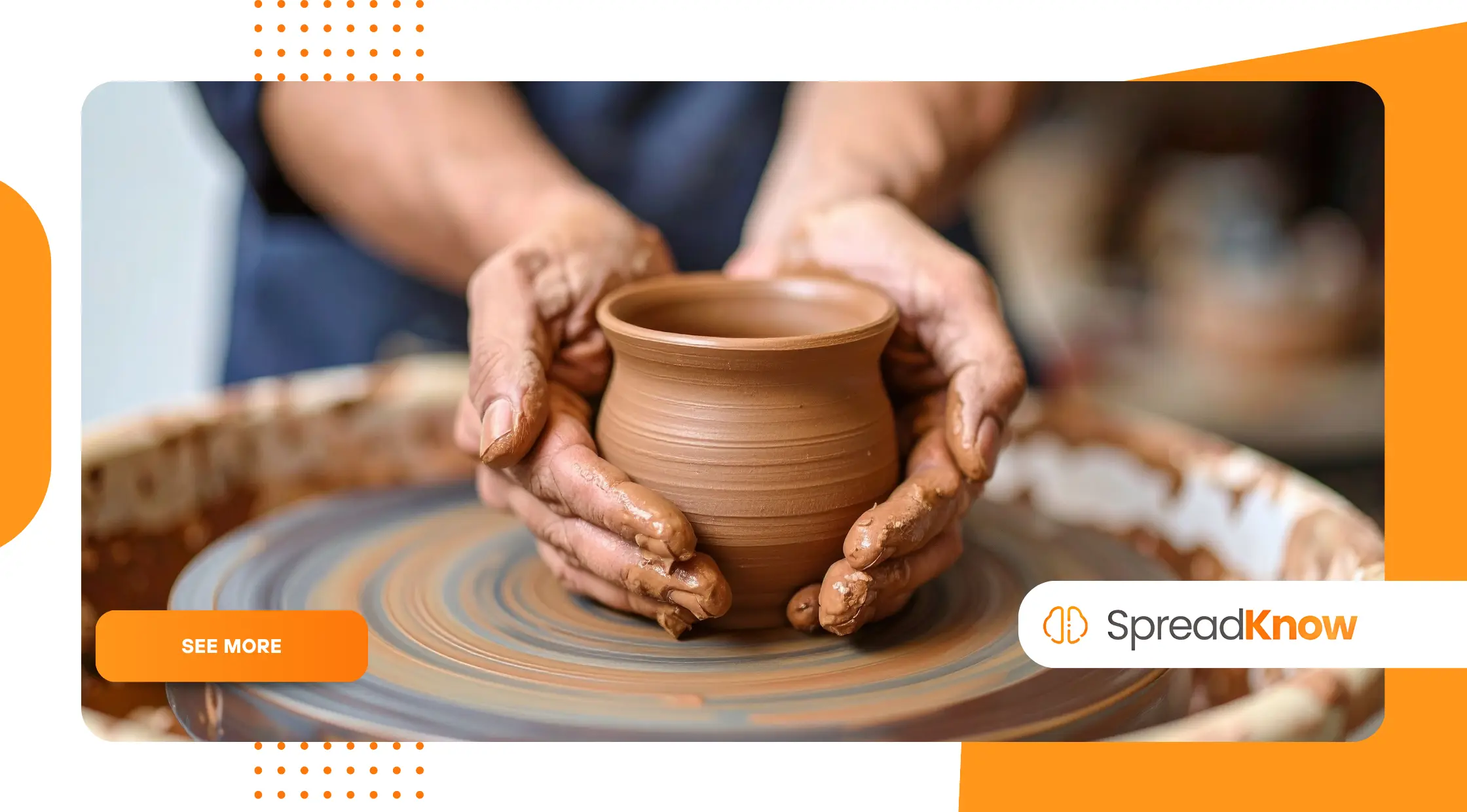
Working With Your Hands has emerged as a powerful antidote to modern stress, offering a grounded, sensory-rich experience that reconnects individuals with purpose, focus, and emotional stability in increasingly digital and fragmented daily routines.
Anúncios
In a world dominated by screens, notifications, and abstract work, many people are rediscovering the quiet satisfaction and mental clarity that come from physically creating, repairing, or building something tangible with their own hands.
This shift reflects a deeper psychological need for control, presence, and visible progress, all of which are often missing from knowledge-based work environments where outcomes are delayed, intangible, or constantly shifting.
From woodworking to gardening, cooking to mechanical repair, manual activities provide immediate feedback loops that reinforce a sense of competence and reduce anxiety through structured, repetitive, and meaningful engagement.
Researchers and psychologists increasingly highlight how these activities activate different neural pathways, fostering mindfulness, reducing rumination, and creating a natural buffer against stress and emotional overload.
Anúncios
This article explores how working with your hands supports mental health, examining its psychological mechanisms, real-world impact, and why it may be one of the most underestimated tools for emotional resilience today.
The Psychological Power of Tangible Work
Manual activities provide a direct connection between effort and outcome, allowing individuals to experience a clear cause-and-effect relationship that reinforces a sense of control and reduces feelings of helplessness in uncertain environments.
Unlike abstract tasks, working with your hands engages multiple sensory systems simultaneously, creating a grounded experience that helps regulate emotions and interrupts cycles of overthinking and cognitive fatigue.
This tactile engagement stimulates areas of the brain associated with reward and motivation, offering a natural sense of satisfaction that does not rely on external validation or delayed recognition from others.
People who engage in hands-on activities often report feeling more present and focused, as the physical demands of the task naturally draw attention away from intrusive thoughts and toward the immediate moment.
The repetitive nature of many manual tasks, such as knitting or sanding wood, can induce a meditative state that mirrors the effects of mindfulness practices commonly used in therapeutic settings.
This combination of focus, feedback, and sensory immersion creates a powerful psychological environment where stress is reduced, confidence is built, and emotional balance becomes easier to maintain.
++ How to Build a Reading Habit That Sticks
Reducing Anxiety Through Physical Engagement
Working with your hands offers a practical way to manage anxiety by channeling nervous energy into structured, purposeful action that provides both distraction and a sense of accomplishment.
Studies from institutions like Harvard Medical School suggest that engaging in repetitive physical activities can lower cortisol levels and improve overall emotional regulation in individuals experiencing chronic stress.
When individuals focus on a manual task, their cognitive load shifts away from worry and toward execution, creating a mental reset that can interrupt anxiety loops and restore a sense of calm.
This process is particularly effective because it does not require formal training or complex techniques, making it accessible to people across different backgrounds and skill levels.
For example, individuals dealing with workplace burnout often find relief in simple activities like gardening, where the rhythm of planting and tending creates a predictable and soothing routine.
Over time, this repeated engagement builds resilience, as individuals learn to use physical tasks as a reliable coping mechanism during periods of emotional strain.
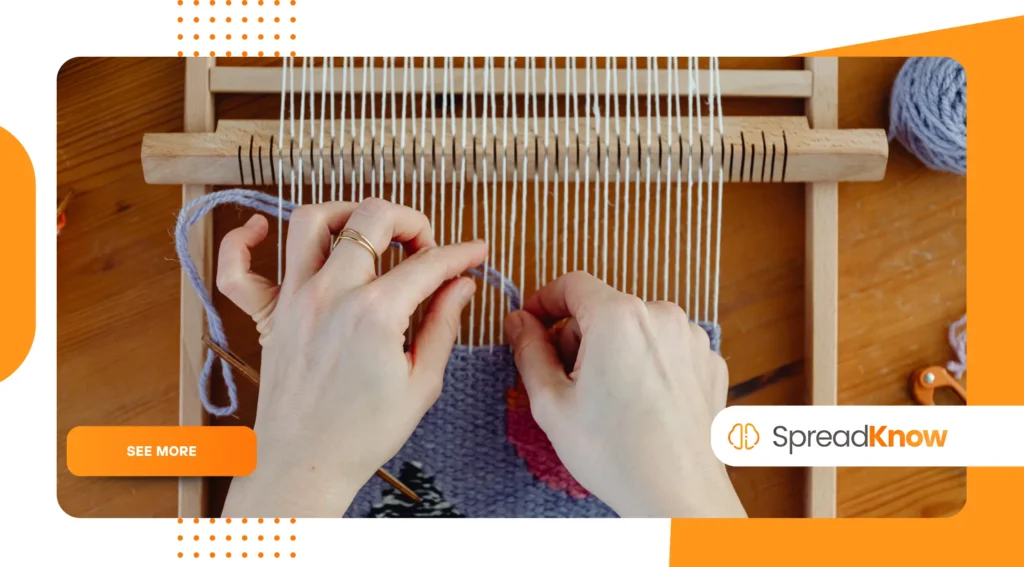
Enhancing Focus and Cognitive Clarity
Manual work demands sustained attention, which can strengthen concentration and improve the brain’s ability to filter distractions in an increasingly noisy and fragmented digital environment.
According to research highlighted by the American Psychological Association, activities that require coordinated motor skills and attention can enhance executive function and cognitive flexibility over time.
This improvement occurs because the brain is actively integrating sensory input, motor planning, and real-time feedback, creating a dynamic and engaging cognitive process.
Unlike passive activities, such as scrolling through social media, working with your hands requires active problem-solving and decision-making, which keeps the mind engaged and alert.
People who regularly engage in these activities often report improved productivity in other areas of life, as their ability to concentrate becomes more refined and устойчив.
This sharpening of focus not only benefits professional performance but also contributes to a greater sense of mental clarity and reduced cognitive fatigue throughout the day.
++ Why You Should Try a Creative Hobby in 2026
Building Confidence Through Visible Progress
One of the most powerful aspects of working with your hands is the ability to see tangible results, which reinforces a sense of achievement and builds confidence in one’s abilities.
In contrast to many modern jobs where progress can feel abstract or delayed, manual work provides immediate feedback, allowing individuals to track their improvement in real time.
This visible progress is particularly important for mental health, as it creates a sense of forward movement and purpose that can counter feelings of stagnation or self-doubt.
For instance, completing a woodworking project or repairing a broken object provides a clear and satisfying endpoint that validates effort and skill.
The act of creating something functional or beautiful also fosters a deeper connection to one’s environment, enhancing overall life satisfaction and personal fulfillment.
Over time, these small victories accumulate, strengthening self-esteem and reinforcing a positive self-image grounded in capability and resilience.
++ How Technology Is Redefining Global Power Structures
The Role of Routine and Structure
Engaging in hands-on activities often introduces structure and routine into daily life, which can be especially beneficial for individuals struggling with anxiety, depression, or lack of direction.
Structured tasks provide a sense of predictability, reducing uncertainty and helping individuals establish a rhythm that supports emotional stability and mental organization.
For many people, dedicating time each day to a manual activity creates a reliable anchor that grounds their schedule and provides a break from digital overload.
This consistency also reinforces discipline and commitment, which can translate into other areas of life, including work, relationships, and personal development.
Even simple routines, such as maintaining a garden or practicing a craft, can create a sense of continuity that fosters emotional resilience and reduces feelings of chaos.
Ultimately, the structure provided by these activities acts as a stabilizing force, helping individuals navigate complex emotional landscapes with greater confidence and clarity.
Comparing Mental Benefits Across Activities
Different types of manual activities offer varying mental health benefits depending on their level of complexity, creativity, and physical engagement, making it important to understand how they compare.
| Activity Type | Primary Benefit | Mental Impact |
|---|---|---|
| Woodworking | Problem-solving | Builds focus and patience |
| Gardening | Routine and nurturing | Reduces anxiety and stress |
| Cooking | Creativity and structure | Enhances mood and satisfaction |
| Mechanical Repair | Logical thinking | Boosts confidence and control |
| Knitting/Crafting | Repetition and rhythm | Promotes relaxation and calm |
Each activity engages the brain differently, offering unique pathways to mental well-being depending on individual preferences and psychological needs.
For example, creative tasks like cooking may enhance emotional expression, while structured tasks like repair work can reinforce logical thinking and problem-solving abilities.
Choosing the right activity often depends on personal goals, whether the aim is relaxation, cognitive stimulation, or emotional processing.
Understanding these differences allows individuals to tailor their approach and maximize the mental health benefits associated with working with their hands.
This diversity also ensures that there is a suitable option for everyone, regardless of skill level, physical ability, or available resources.
Real-Life Stories of Transformation
Many individuals have experienced profound mental health improvements through manual work, often discovering its benefits during periods of crisis or major life transitions.
One notable example involves veterans who turn to woodworking programs as part of rehabilitation, using the craft to manage post-traumatic stress and rebuild a sense of identity.
Similarly, urban professionals facing burnout have reported significant improvements in well-being after adopting gardening as a daily practice, finding peace in its simplicity and routine.
Artists and craftspeople frequently describe their work as therapeutic, emphasizing how the act of creation helps them process emotions and maintain psychological balance.
These stories highlight the universal appeal of hands-on activities and their ability to provide meaningful support across different life circumstances.
They also reinforce the idea that working with your hands is not merely a hobby but a powerful tool for healing, growth, and long-term mental resilience.
Conclusion
Working with your hands offers a unique and powerful pathway to improved mental health, combining sensory engagement, structure, and visible progress into a deeply satisfying and restorative experience.
In a world where stress and distraction are constant, these activities provide a rare opportunity to slow down, focus, and reconnect with both the physical world and one’s inner state.
The benefits extend beyond temporary relief, contributing to long-term emotional resilience, cognitive clarity, and a stronger sense of purpose and self-worth.
By incorporating manual activities into daily life, individuals can build a sustainable and accessible strategy for maintaining mental well-being in an increasingly complex and demanding environment.
FAQ
1. Why is working with your hands good for mental health?
It reduces stress by engaging the senses, improving focus, and providing immediate feedback that reinforces a sense of control and accomplishment.
2. Can manual activities replace therapy?
They should not replace professional care but can complement therapy by offering practical tools for managing stress and emotional regulation.
3. What are the best activities to start with?
Simple options like gardening, cooking, or basic crafting are accessible and effective for beginners seeking mental health benefits.
4. How often should I engage in these activities?
Even short daily sessions can provide benefits, but consistency is more important than duration for long-term impact.
5. Do I need special skills to benefit from manual work?
No prior experience is required, as the mental health benefits come from the process itself rather than the level of expertise.
