
How Social Media Is Shaping Modern Politics
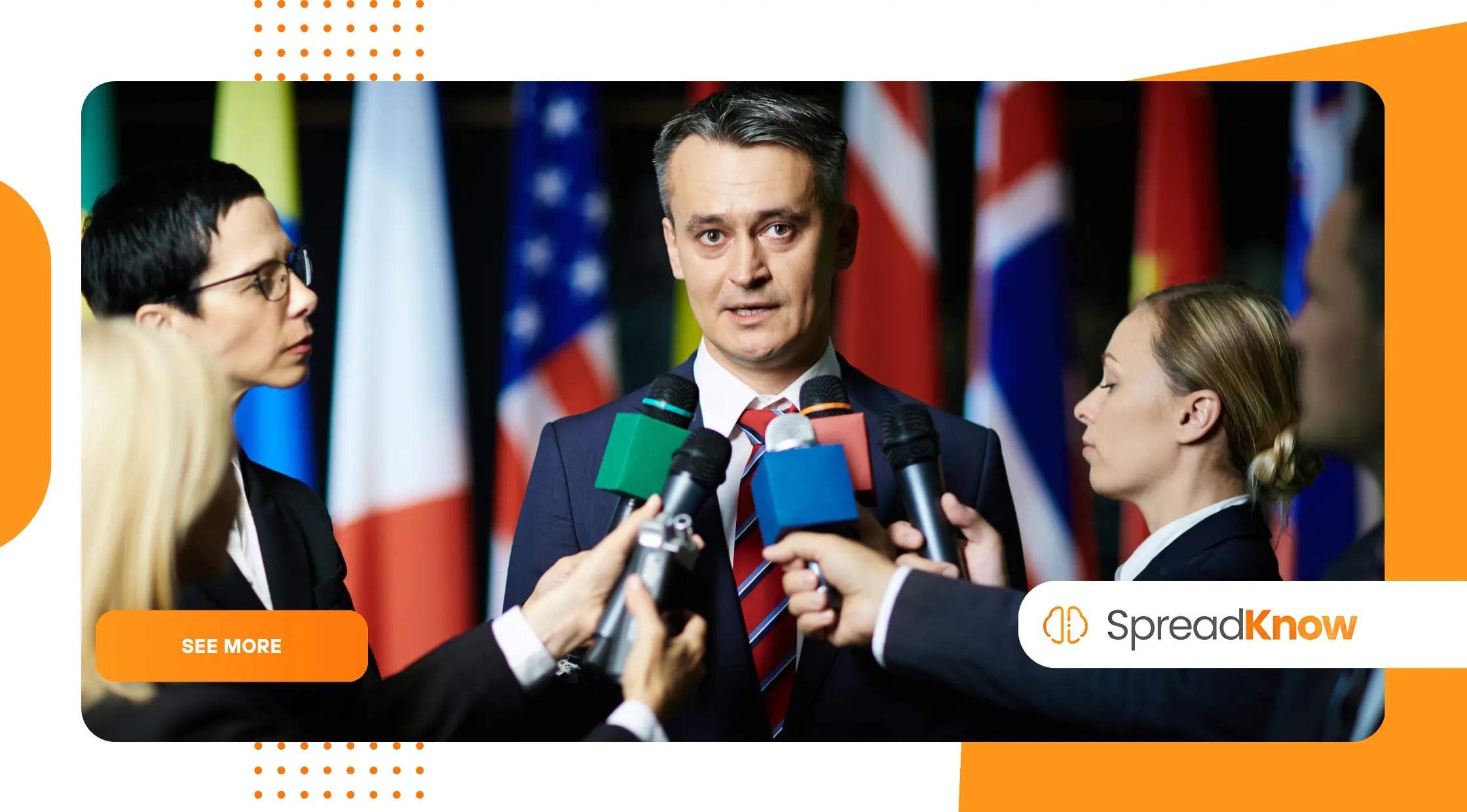
Social Media Is Shaping Modern Politics by transforming how voters receive information, engage with debates and interpret the decisions of political leaders. Platforms now act as public arenas where opinions spread instantly.
Anúncios
Instant communication compresses the distance between citizens, institutions and candidates. Messages that once took days to circulate now reach millions in minutes, shifting the dynamics of influence and persuasion.
Political identity forms earlier and spreads faster online, especially within communities shaped by shared interests and emotional narratives. These digital environments amplify certain voices while diminishing others.
The result is a political landscape where attention, visibility and narrative power compete in real time. Understanding how these forces evolve is essential to interpreting modern democracy.
Platforms Transforming Political Communication
Social media has replaced traditional gatekeepers that once controlled political messaging. Candidates now speak directly to audiences without relying solely on newspapers, television or official speeches.
Anúncios
This direct communication enables authenticity and faster responses to events.
However, real-time interaction also increases pressure on politicians to react quickly, sometimes before facts are fully verified.
The speed of online dialogue creates an environment where emotional intensity outweighs careful analysis, shaping political outcomes through urgency rather than evidence.
These dynamics shift public expectations by rewarding immediacy, charisma and digital fluency. Leaders who navigate these platforms effectively often gain significant influence, even beyond their institutional roles.
++ How Social Media Crackdowns in Some Countries Affect News Access
How Social Media Shapes Public Opinion
Algorithms prioritize content that drives engagement, meaning posts that generate strong emotion spread widely.
This structure amplifies dramatic narratives, making certain viewpoints appear more popular than they truly are.
Studies consistently show that emotional content—especially anger or fear—travels faster than neutral information.
As a result, political debates online often become polarized, with communities forming around shared reactions rather than balanced arguments.
A global communication assessment from the OECD found that algorithmic systems tend to reinforce existing beliefs by personalizing political content, reducing exposure to diverse perspectives.
This cycle strengthens group identity but weakens dialogue, contributing to fragmented political cultures.
The Rise of Digital Activism
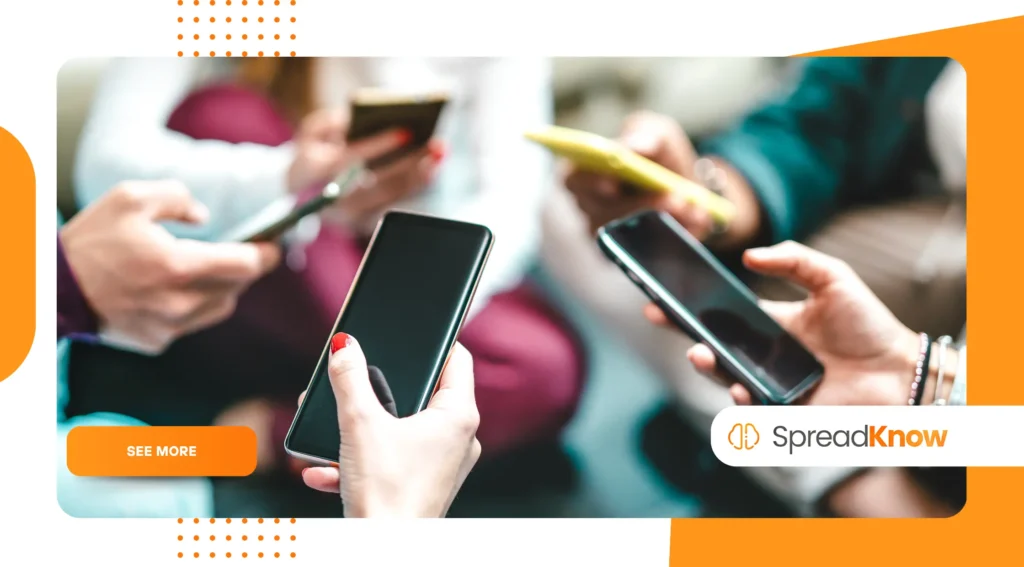
Social media enables movements to grow quickly without formal leadership structures. Hashtags, short videos and shared posts help coordinate action, raise awareness and pressure institutions to respond.
Digital activism lowers barriers to participation. Individuals can support causes, donate, organize events or amplify messages with minimal resources.
These tools reshape civic engagement by making political participation accessible to younger and more diverse populations.
However, the same accessibility that empowers activists also enables misinformation. False narratives can grow alongside legitimate movements, complicating public perception and challenging institutions to distinguish coordinated advocacy from manipulation.
++ The Future of Social Media: What Comes After TikTok and Instagram
Data, Microtargeting and Political Strategy
Political campaigns increasingly rely on data analytics to understand voter preferences. Social platforms provide detailed insights into behavior, enabling microtargeting with unprecedented precision.
Tailored messages reach specific groups based on interests, demographics and online habits.
This strategic precision enhances persuasion but raises ethical questions related to privacy and transparency.
When political content becomes highly personalized, citizens may not realize how their data influences the messages they see.
A global review by the World Economic Forum noted that microtargeting reshapes electoral strategy by creating fragmented information ecosystems, where different groups receive entirely different versions of political reality.
The Spread of Misinformation
The velocity of social media makes misinformation a significant challenge. False stories often spread faster than factual ones because they trigger strong emotional reactions.
Once misinformation circulates widely, correcting it becomes difficult even after official clarification.
Platforms attempt to moderate harmful content, but the scale of digital communication makes complete control impossible.
Automated systems identify many issues, yet subtle misinformation or manipulated images frequently evade detection.
A scientific report from the Alan Turing Institute emphasizes that even small amounts of misleading content can distort political understanding when repeated across networks.
++ Why Financial Literacy Should Start in Elementary School
How Politicians Use Social Media Strategically
Modern political leaders treat social platforms as essential components of their communication strategy.
They craft narratives through posts, livestreams and curated visual content designed to humanize their image and strengthen connection with supporters.
By shaping tone, language and timing, politicians use digital platforms to influence public sentiment and control the framing of major events.
Social media becomes an extension of political identity, turning candidates into constant public figures rather than periodic voices during elections.
This constant visibility increases accountability but also intensifies scrutiny. Leaders must balance openness with measured communication to avoid misinterpretation or controversy.
The Role of Influencers in Modern Politics
Influencers occupy a growing space in political communication. Their large followings and perceived authenticity make them powerful voices during elections or social debates.
Many audiences trust influencers more than official institutions, giving them significant persuasion power.
This shift moves political conversation into cultural spaces such as entertainment, gaming, fashion and lifestyle content.
As a result, political messages appear where audiences least expect them, blending seamlessly into daily consumption habits.
The merging of personal branding and political messaging complicates democratic discourse by blurring the line between civic engagement and entertainment-driven influence.
Digital Echo Chambers and Polarization
Digital platforms tend to group individuals with similar beliefs, forming echo chambers that reinforce identity and reduce exposure to differing viewpoints.
These environments amplify certainty, loyalty and emotional intensity while weakening compromise.
Echo chambers promote belonging but reduce critical thinking. Over time, they can intensify polarization by framing political issues as conflicts between opposing tribes rather than complex debates requiring nuance.
Political leaders often take advantage of this dynamic by tailoring messages that appeal to strong group identities, solidifying support through emotional resonance rather than evidence-based reasoning.
Table: Key Ways Social Media Shapes Political Behavior
| Influence Area | Impact on Politics | Resulting Effect |
|---|---|---|
| Algorithms | Prioritize emotional content | Increased polarization |
| Microtargeting | Personalized messaging | Fragmented public debate |
| Digital activism | Fast mobilization | Stronger grassroots movements |
| Influencers | Cultural persuasion | Blurred political boundaries |
| Misinformation | Rapid spread | Public confusion |
Social Media and Global Power Dynamics
The global reach of platforms enables political messages to cross borders instantly. International audiences can engage with national debates, influencing perception of leaders and shaping diplomatic narratives.
Foreign actors also participate in digital influence campaigns, using targeted content to destabilize trust or amplify division. Governments struggle to regulate these activities due to the transnational nature of digital platforms.
These global dynamics reflect how Social Media Is Shaping Modern Politics not only domestically but internationally, redefining geopolitical communication.
Conclusion
Social Media Is Shaping Modern Politics by transforming communication, accelerating activism and amplifying narratives that influence public life.
These platforms redistribute power, giving individuals, influencers and institutions new tools to persuade, mobilize and challenge authority.
The future of democratic engagement depends on balancing accessibility with responsibility.
As digital platforms continue to evolve, societies must strengthen media literacy, support transparency and encourage ethical communication to protect the integrity of political discourse.
FAQ
Does social media increase political participation?
Yes. It expands access to information, lowers participation barriers and enables rapid mobilization, especially among younger voters.
Why does social media create polarization?
Algorithms amplify emotional content, forming echo chambers that reinforce existing beliefs and reduce exposure to diverse perspectives.
Is misinformation inevitable on social platforms?
Not inevitable, but highly likely due to speed, scale and engagement-driven design that favors sensational content.
How do influencers affect political communication?
Their authenticity and cultural reach allow them to shape political opinion in ways traditional institutions cannot match.
